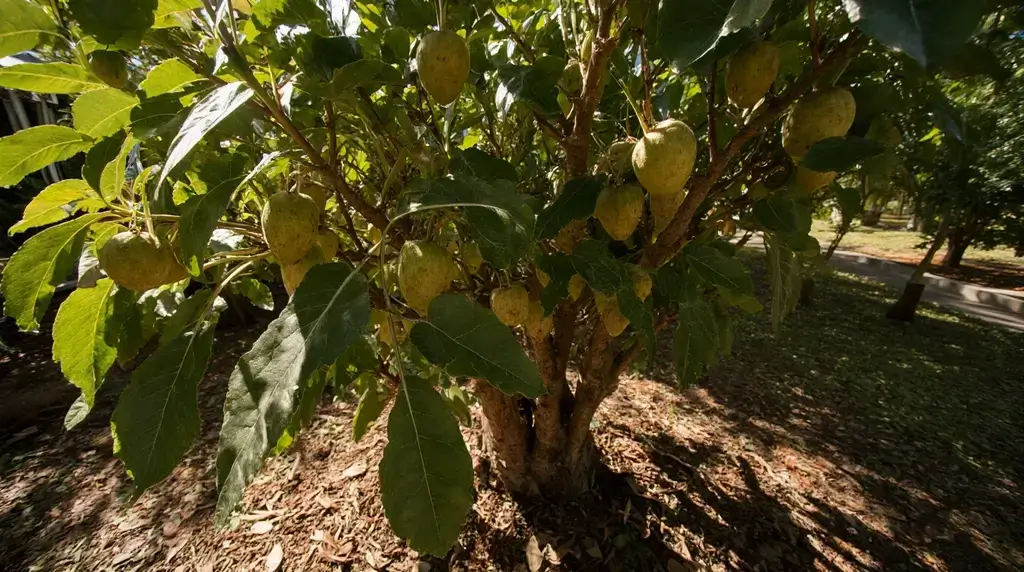

When I first started growing an ilama tree, I realized how truly rewarding this endeavor can be, especially when you notice the unexpected beauty of its tropical presence and the delicious fruit it brings to any garden; over time, I learned that nurturing this ilama feels like caring for a rare gem, because every small consideration—from selecting the ideal planting location to preparing the right soil—affects its growth more than most gardeners expect, and once I understood these factors, I began to follow a simple guide built around a few essential steps that helped me cultivate a truly thriving ilama tree while gaining useful insights that helped me avoid common pitfalls; by slowly unveiling what makes this process crucial, the journey almost empowers new enthusiasts to grow with confidence, gradually transforming their gardening aspirations into a fruitful and satisfying reality.
If you’re exploring rare tropical fruits, this tropical fruit trees growing guide explains how to build the perfect environment for long-term success.
1. Select an Optimal Location for Your Ilama Tree
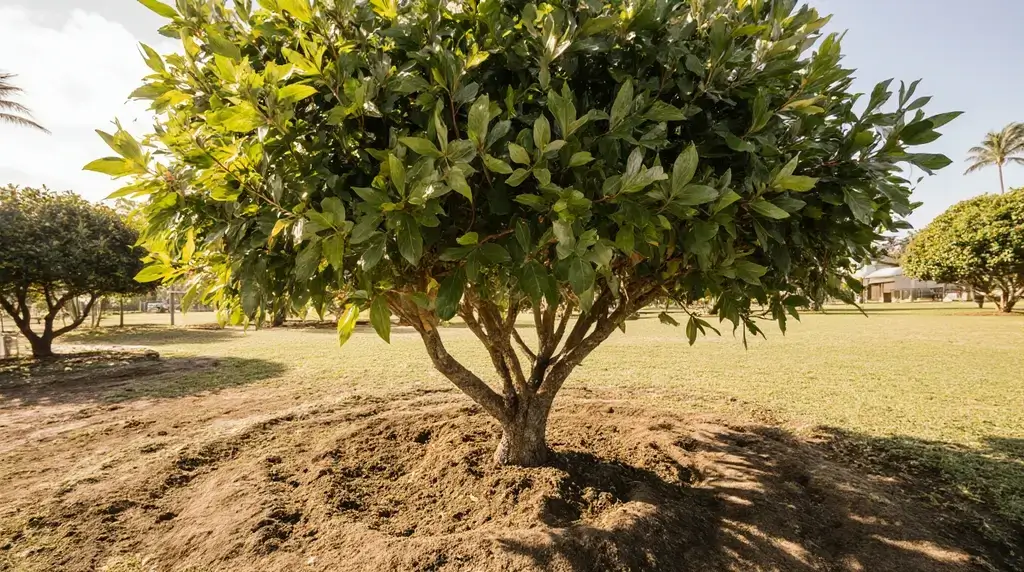
- When I first started assessing the best place for my ilama tree, I realized how important it is to understand the sunlight requirements of ilama trees, because they truly thrive in full sun with 6-8 hours of direct sunlight daily. A good location that receives ample sunlight gives the tree the exposure it needs, which naturally accelerates its development and enhances fruit production, helping you work toward a plentiful harvest in your tropical fruit garden.
- I also learned how vital proper drainage is, especially in an area with well-draining soil to prevent waterlogging around the roots. Healthy soil that drains within 1-2 hours is a sign of good drainage, so I always avoid low-lying regions where water tends to gather. Following the best practices I once used when planting soursop plants, I found that excellent drainage supports the most optimal growth for all ilama plants.
- Living in a breezy area, I had to think about wind protection too, because even young plants can suffer damage from strong gusts if they don’t have some sort of shelter. Without this, insufficient protection can cause wind damage, harming the plant’s health and affecting its growth, especially during the early stages when the tree is most vulnerable. That’s why consideration of airflow matters just as much as sunlight.
- Another thing I always do is evaluate space before planting, making sure there is adequate space for the tree to grow, since ilama tree species can reach heights of 6-8 meters. I avoid planting too close to structures or other plants that may compete for resources, which helps improve fruit yield not only for my ilama but also for other plants like passion fruit and soursop varieties that share the same space. All of these small decisions have led to steady success in my own garden.
If you’re growing other Annona varieties, this step-by-step soursop planting guide pairs perfectly with ilama care and helps you understand the similarities between their soil and climate needs.
2. Prepare the Soil for Planting
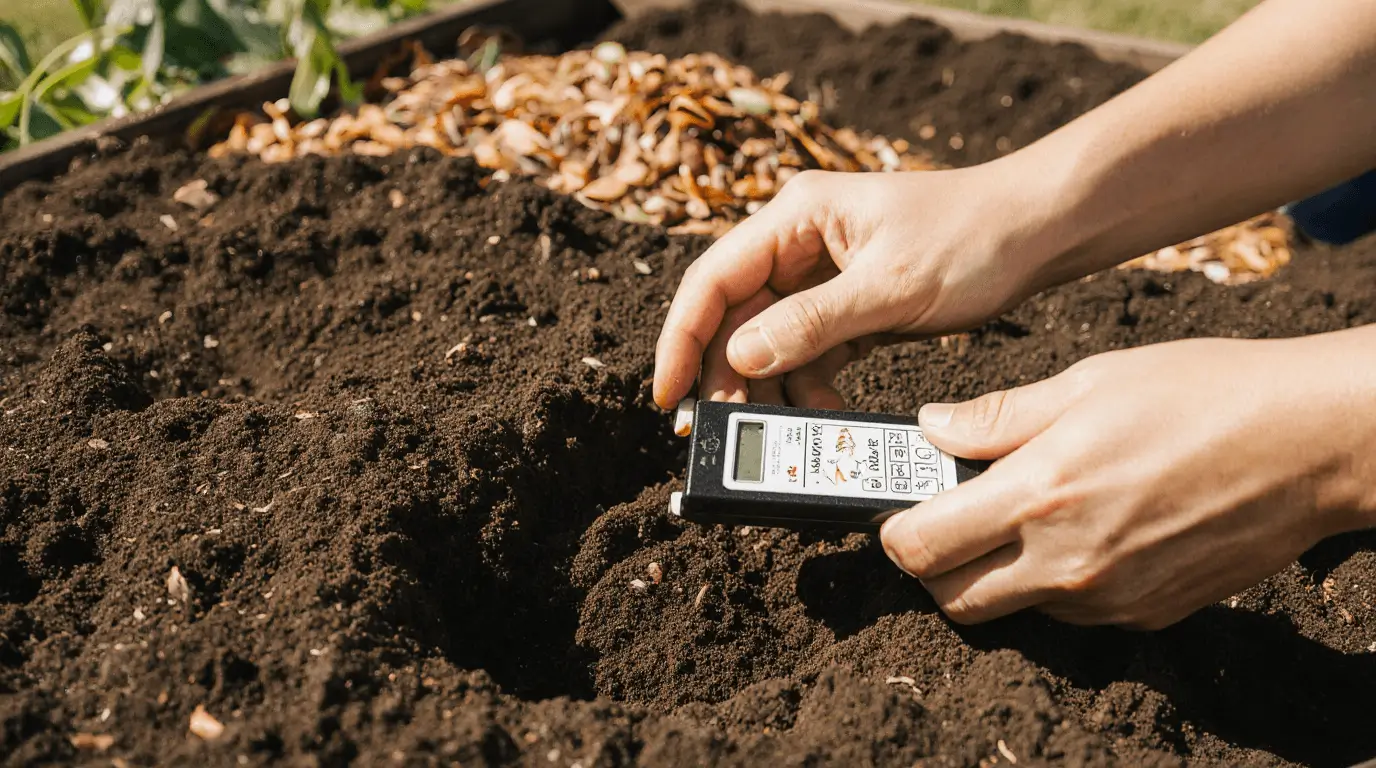
- When I first started evaluating the ground quality before planting my ilama tree, I learned how crucial it is to test the soil and check the pH because the tree thrives within a pH range of 6.0 to 7.0, which supports optimal nutrient availability. Using a testing kit gave me accurate results, helping me make informed adjustments to the soil’s conditions, and I still rely on this simple step today whenever I prepare a new spot for planting.
- Over time, I noticed that when I amend the ground and enhance its fertility, the tree responds much better, especially when I incorporate organic matter like compost or well-rotted manure. A balanced mix of 50% native soil and 50% organic material is often recommended, and this combination really improves soil structure and fosters a rich microbial ecosystem, something that is truly essential for long-term plant health.
- While preparing the spot, I always create a proper planting hole by digging it twice as wide and at the same depth as the root ball, which creates a spacious environment that encourages growth extension and forms a strong foundation for early development. This simple adjustment makes a noticeable difference in how confidently the young tree settles in.
- In places with heavy clay, I sometimes mound the planting area, a technique that prevents water accumulation near the base, which is vital for the tree’s long-term vitality. With consistent watering practices, I also support root development, and since research indicates that plants benefit from improved drainage and aeration during their initial growth phases, I’ve found that these habits make all the difference in the tree’s early success.
You can also review the botanical background of Annona diversifolia to better understand the natural habitat and scientific traits of ilama.
3. Plant Your Ilama Tree Correctly
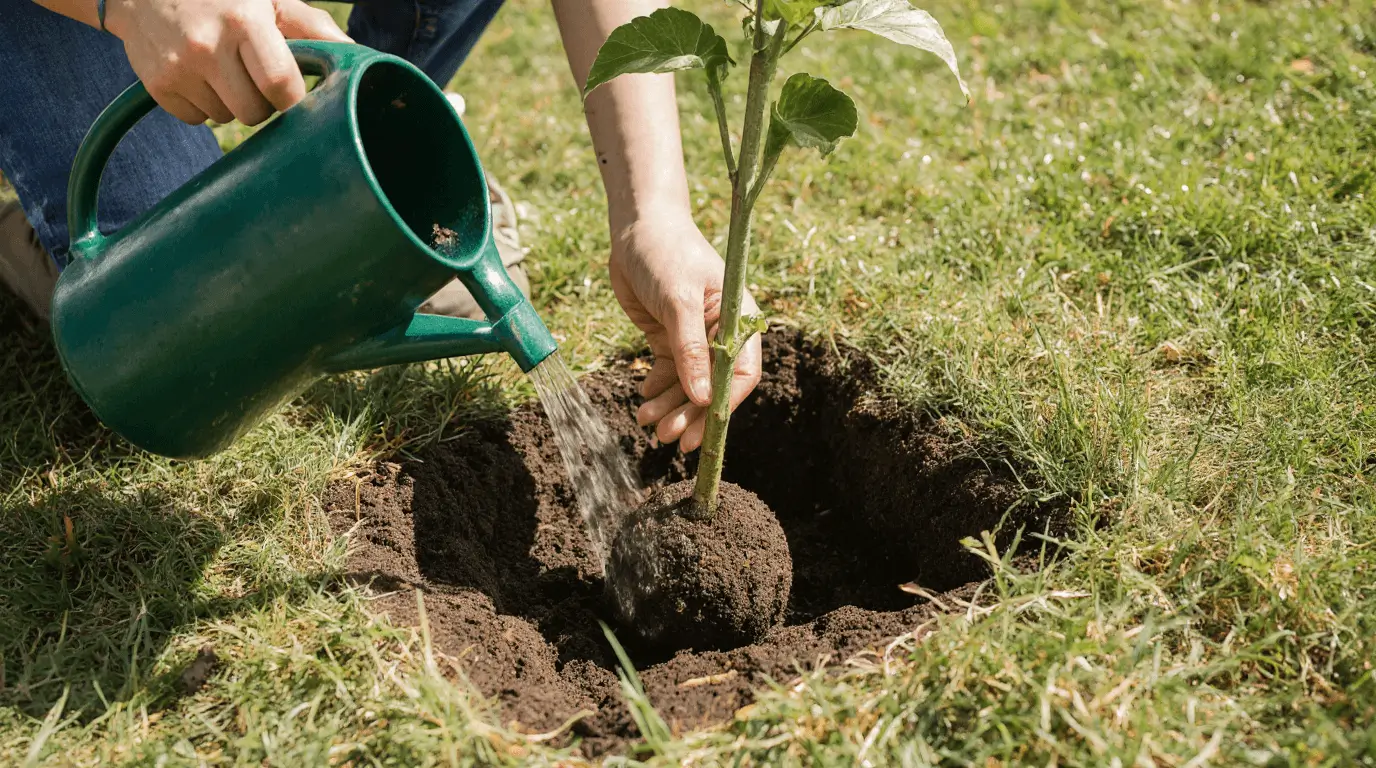
- When I choose the right spot for planting, I start by selecting an appropriate location where my ilama tree actually receives enough ample sunlight and has good drainage, because these conditions truly encourage robust development. This early decision is crucial, and it shapes everything that follows in the planting process.
- As I position the tree, I focus on centering it in the planting hole and making sure the top of the root ball stays level with the surrounding ground. This kind of correct placement is essential, since placing the stems too deep can create health issues, including decay and stunted growth, something I’ve unfortunately experienced in my early gardening days.
- When it comes time to backfill, I work carefully with improved soil, packing it lightly to eliminate air pockets as I fill the space and water the area to help it settle around the roots. This step is vital for forming a solid foundation, and since research indicates that inadequate backfilling can hinder growth and even negatively impact the tree’s overall health, I never rush this part.
- Right after planting, I always water thoroughly, using deep watering to help the tree establish itself, but I keep the soil damp, not saturated, to maintain a good balance. This simple routine has saved many of my young trees from stress and early root issues.
- Adding mulch around the base with a soft layer of organic mulch helps the trunk stay protected as it works to retain moisture, suppress weeds, and regulate soil temperature, all of which contribute to the tree’s long-term vitality. I’ve found mulch to be one of the best tools for keeping newly planted trees stable and healthy.
- I also practice strong pest management by making it a habit to regularly monitor for pests and diseases, using preventive measures like routine inspections and organic pesticides when I need them to protect my plant’s health. This habit has helped me avoid major issues before they ever take hold.
4. Maintain and Care for Your Ilama Tree
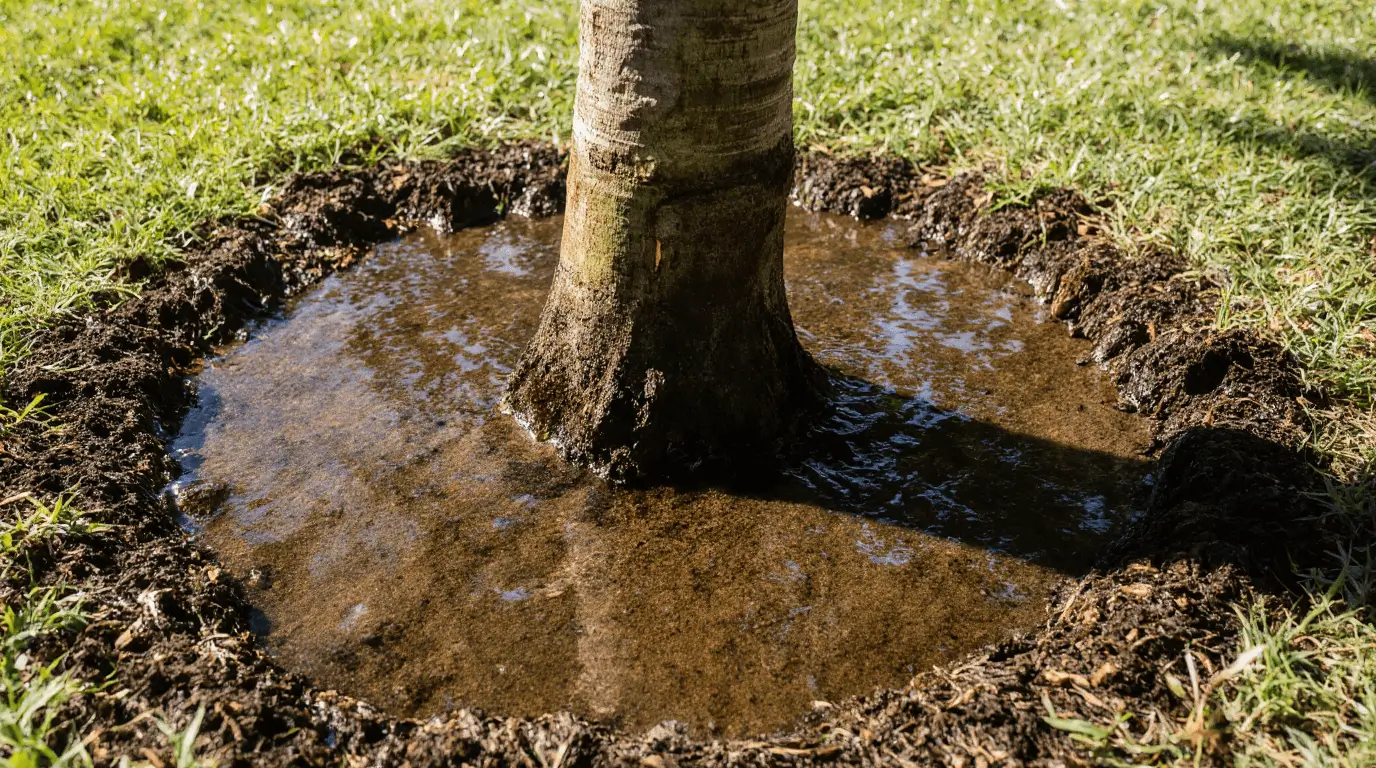
- In my early planting days, I learned how important it is to water regularly and keep the soil consistently moist but still well-drained, especially during dry spells in the initial years. I always water deeply and apply approximately 1-1.5 gallons for every inch of the tree’s stem caliper during each watering session, which promotes robust root development and helps the tree establish itself more effectively than light watering ever could.
- As the season moves on, I fertilize appropriately with a balanced organic fertilizer, something that has always helped me encourage healthy growth. I switch between organic options like compost and well-rotted manure to enhance soil health and improve nutrient availability, but I always remind myself how crucial it is to adhere to the manufacturer’s guidelines and follow proper application rates to prevent over-fertilization, which can harm the plant more than missing a feeding.
- Whenever I prune as needed, I focus on regular trimming, maintaining the shape, and removing dead or diseased branches. This step always encourages improved air circulation and better light penetration, both of which raise overall plant health and produce more vigorous growth over time.
- I’ve also learned to monitor for pests with steady vigilance, especially since monitoring early can stop problems before they spread. Common pests like aphids and scale often show up first, but specific threats such as passion vine hoppers can be a sign that nearby passion fruit vines are affected too. When I see any issue, I treat it promptly using organic insecticides or simple natural remedies, which helps prevent infestations and supports a more proactive approach in ensuring the safety of the surrounding vegetation.
- Around the base, I always apply mulch, usually a 3-inch layer of organic mulch, because it aids in moisture retention, cools ground temperatures, and reduces competition from weeds, all of which keep the tree’s overall health in good shape. My ilama tree always responds well to this protective layer.
- Lastly, I make it a habit to check soil moisture and regularly assess the ground at a depth of 3-4 inches to determine whether more water is needed. Keeping optimal moisture levels helps in preventing both over-watering and under-watering, two mistakes I learned the hard way when I first started.
Conclusion
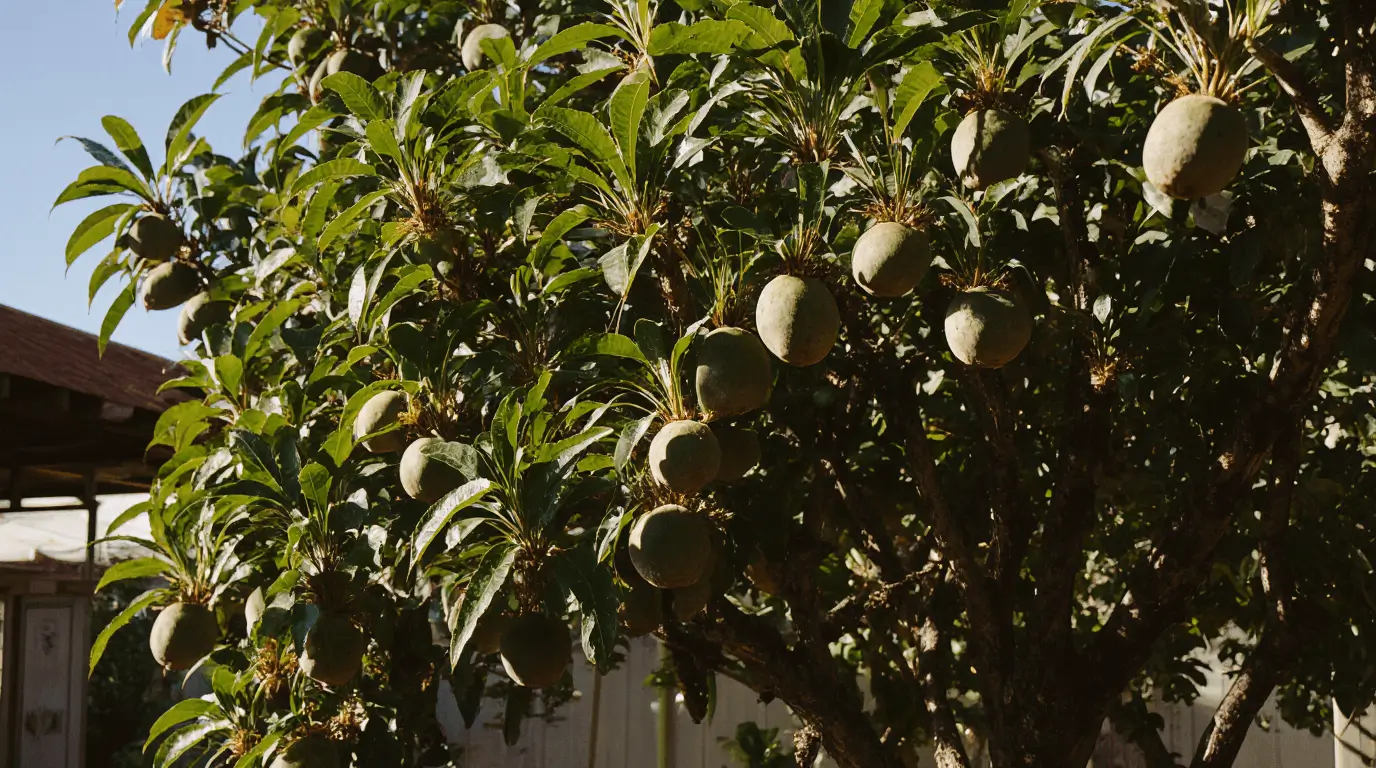
Caring for an ilama tree becomes much easier once you understand how water, soil, pruning, fertilizing, pest control, and regular monitoring all work together. By keeping the soil consistently moist, using a balanced organic fertilizer, staying alert to common pests, and applying organic mulch to protect the roots, you help your tree stay strong through every season. With these habits, your ilama tree continues to develop a solid structure, enjoy healthy growth, and reward you with long-term vitality in your garden.
FAQs
How often should I water my ilama tree?
Water deeply during dry spells and keep the soil consistently moist but well-drained. In the early years, aim for about 1–1.5 gallons per inch of stem caliper during each watering session.
What type of fertilizer is best for ilama trees?
A balanced organic fertilizer works best. Options like compost and well-rotted manure support soil health and improve nutrient availability. Always follow the manufacturer's guidelines.
When should I prune my ilama tree?
You should prune as needed, especially when you see dead or diseased branches. Pruning improves air circulation, increases light penetration, and encourages vigorous growth.
Which pests commonly affect ilama trees?
Watch for aphids, scale, and threats like passion vine hoppers, especially if you grow passion fruit vines nearby. Use organic insecticides or natural remedies when needed.
Do ilama trees need mulch?
Yes. A 3-inch layer of organic mulch helps with moisture retention, soil temperature regulation, and weed control, all of which support the tree’s overall health.
How do I check if my ilama tree needs water?
Regularly assess soil moisture at a depth of 3–4 inches. The goal is to maintain optimal moisture levels while preventing over-watering and under-watering.

Written by the LeafyHeaven Editorial Team
LeafyHeaven shares practical gardening tips and simple plant care guides to help you grow, nurture, and enjoy your plants with ease. Our goal is to make gardening feel natural, approachable, and rewarding for everyone.