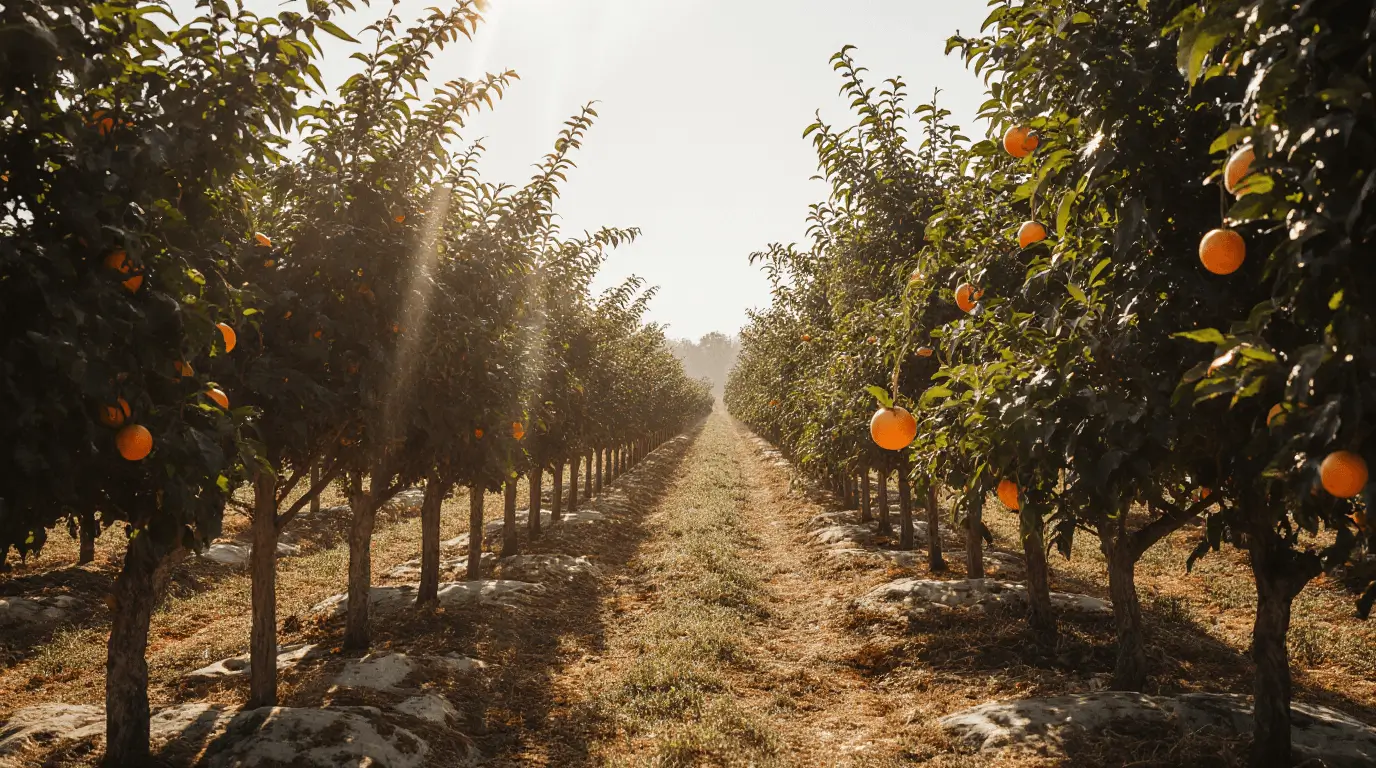

When I first learned how citrus plants behave in different gardens, I realized how important it is to make informed choices about the optimal planting distance for orange trees and orange tree spacing, especially when the spacing often varies between 6 and 25 feet depending on the specific tree variety and soil or climate conditions. From my own small grove, I noticed how proper placement enhances sunlight exposure, allows adequate airflow, and minimizes root competition, all of which directly contribute to healthier, improved growth and better fruit yield. Over time, these factors collectively helped me determine the precise distances that maximize results, and I learned to adhere to recommended guidelines even when nevertheless facing various challenges that often influence wider distances—including size, changing air circulation, and the way soil shifts after rain. My personal guide now explores these intricacies, providing insights into common spacing issues that raise the question every grower asks: how do you set up an orchard without the struggles that lead to poor results?
If you’re planning a fruit orchard from scratch, this tropical fruit trees growing guide explains the core principles of spacing, planting, and long-term tree care.
Strategic Spacing Insights for Better Harvest
From walking through different backyards and helping new gardeners, I’ve seen how understanding these spacing details can ultimately make or break a fruitful harvest, because even small missteps can limit success in a way that becomes clear only years later. When I set up my own rows, I focused on minimizing mistakes and maximizing airflow while also watching how nevertheless subtle shifts in climate or soil texture raise new concerns. These experiences taught me that smart spacing choices do more than keep trees apart—they pave the way for long-term solutions, better quality, and smoother long-term growth. Every time I plant a new orange tree, I revisit this approach because it continues providing clarity, especially when faced with common spacing challenges that require careful evaluation of all the factors that influence tree performance across an entire grove.
For deeper scientific details on citrus types and growth habits, explore this botanical background of citrus trees to understand the species you are planting.
Identify Key Factors Affecting Orange Tree Spacing
When I first began planning my orange orchard at home, I realized how several key factors quietly influence the most optimal tree planting distance, especially when dealing with different varieties that exhibit distinct growth habits. A full-sized tree typically requires wider spacing, sometimes 12 to 25 feet apart, while dwarf and semi-dwarf types ideally use 6 to 10 feet, and that variation becomes essential for maximizing fruit yield and long-term health. I’ve seen how soil quality plays a significant role in determining these distances, as well-drained, fertile areas can support closer growth by allowing the plants to thrive without excessive competition for nutrients. Conversely, poor conditions may necessitate greater spacing to ensure each tree has sufficient access to vital resources, especially when the climate and seasonal shifts impact how trees react in warmer regions.
Key Environmental & Structural Influences on Spacing
In my experience, spacing choices become even more crucial when trying to avoid too much heat and encourage stronger airflow around the vegetation, particularly for important varieties like valencia and navel, which love sunny environments but can suffer stress without adequate breathing room. Water availability is another real-world consideration; in limited supply areas, wider spacing is often required to maintain steady moisture, a pertinent detail in areas susceptible to drought, where crowding can obstruct development and lower production. When thinking about future structure, I always take account of the mature size, considering whether I can keep maintaining the proper spacing to prevent overcrowding, which hinders airflow and diminishes fruit shape and texture. For instance, the spacing between rows of semi-dwarf or dwarf trees often follows the 15 to 20 foot rule to allow steady potential as they grow.
To better understand how citrus trees respond to environmental stress, this valencia orange cold hardiness guide explains how climate and spacing both impact long-term tree resilience.
If you live in a cooler region, these cold hardiness tips for citrus trees will help you protect your orchard while keeping spacing effective.
Arrangement Techniques for Healthy Orchard Expansion
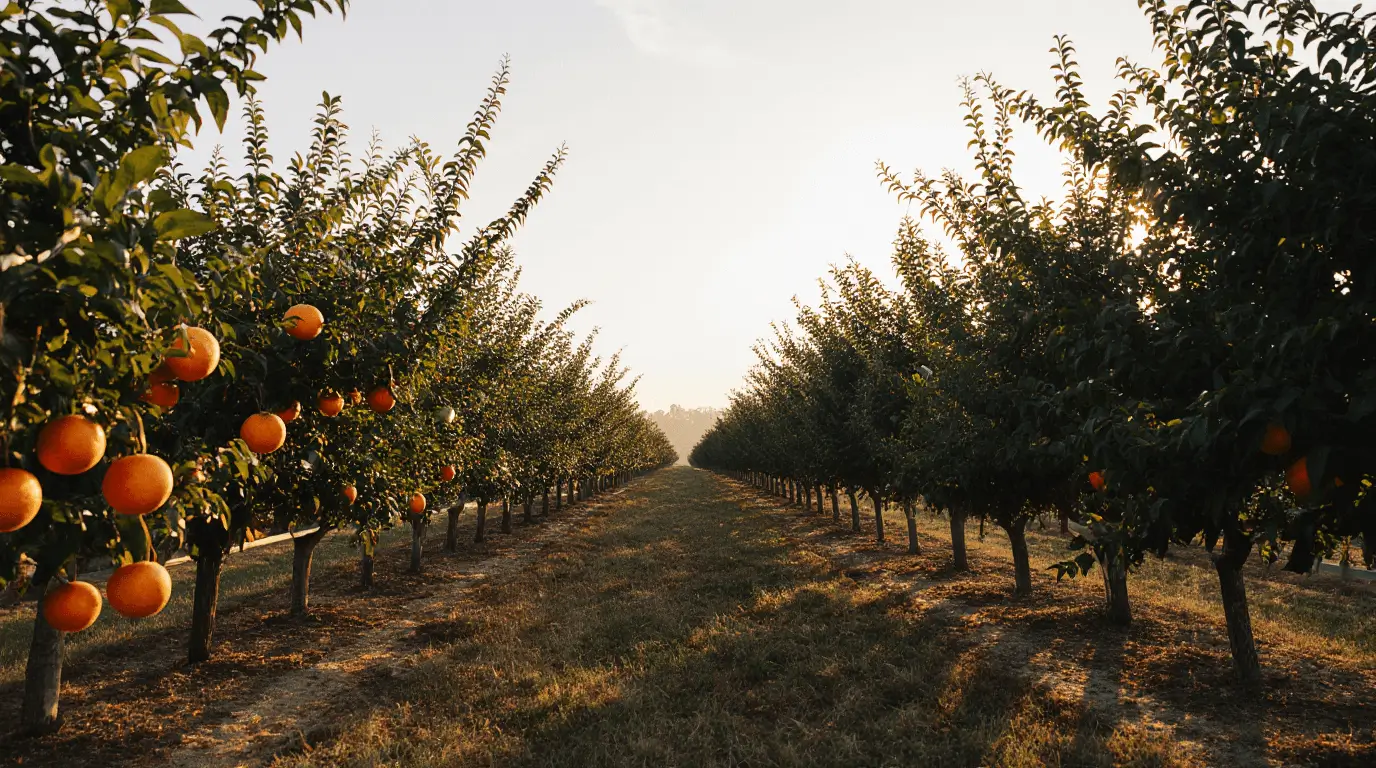
Finally, row orientation becomes a small but important detail. I learned it is advisable to arrange citrus lines in a north-south direction to maximize sunlight exposure and enhance steady growth patterns, giving a more plentiful result. By assessing all these elements, I found it easier to establish layouts that truly support promoting tree vitality and contributes to the overall success of a home orchard. Each spacing choice, from small adjustments to complete row redesigns, shapes how well the orchard matures over the years.
Calculate the Optimal Planting Distance for Your Orange Trees
When I help new growers calculate the most optimal planting distance for their orange trees, I always tell them to follow a few simple steps that make the whole process easier. First, determine the tree size and identify whether the plant is standard, semi-dwarf, or dwarf, because different varieties respond differently to space. A recommended spacing range—such as 12-25 feet apart for tall trees, 10-15 for medium ones, and 6-10 for smaller types—helps you consider real growth factors and gives you a clearer picture of what your orchard may look like in the long run.
Key Steps for Accurate Spacing
- Start by checking your soil quality, climate, and water availability, because each instance affects spacing choices. If the ground is less fertile, adjust your spacing by increasing the area between trees to ensure they receive adequate resources.
Proper resource management also includes irrigation, and this mango tree water requirement guide explains how water distribution affects spacing decisions and plant health.
- Always maintain proper drainage and provide sufficient sunlight to support ideal development, especially in warm areas.
- When you plan for future orchard expansion, add an additional 2-3 feet to accommodate long-term growth and prevent overcrowding, which can hinder fruit production.
- After choosing the spacing, mark your planting spots using stakes or markers and outline where each sapling will be planted. Keeping the distances consistent and aligned with your orchard layout is always advisable.
- Finally, orient your rows in a north-south direction to get better sunlight exposure, naturally following the way citrus trees grow most effectively. This small detail can help your citrus plants set the stage for a more bountiful harvest, as it encourages healthy development, enhances fruit output, and supports trees in enabling them to flourish in their surroundings.
Troubleshoot Common Spacing Issues in Orange Tree Planting
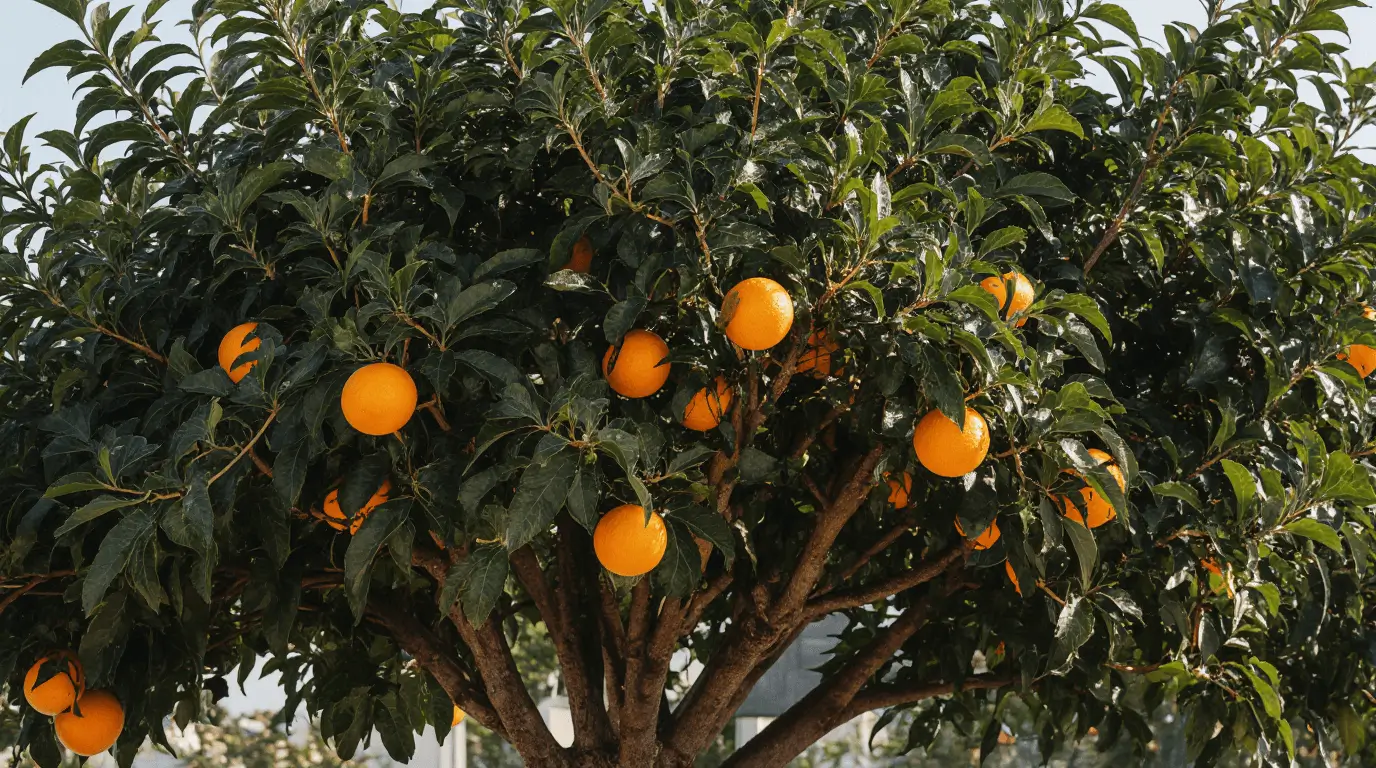
When I walk through my orchard, I often notice how careful planning helps prevent many issues related to orange tree planting distance, but problems still arise when plants grow too close together or are positioned too near each other. To avoid this, I try to build a deeper understanding of these common problems and how to troubleshoot them, which has become essential for successful gardening. Sometimes trees compete for sunlight and nutrients, hindering their development. When that happens, I address the concern by choosing whether to consider pruning to manage size or even relocating a tree to a new location. I’ve read research that suggests maintaining moderate densities, often less than 1,000 plants per hectare, can be more suitable for Florida conditions, promoting better growth and improving yield.
- One of the biggest challenges is insufficient airflow, which becomes an issue when trees stay too limited in space due to tight plant positioning. This can increase the risk of disease, so I try to enhance ventilation by thinning thin branches and choosing to adjust distances during future plantings. Ensuring adequate spacing helps maintain a healthy area of vegetation, which reduces the chances of illnesses spreading.
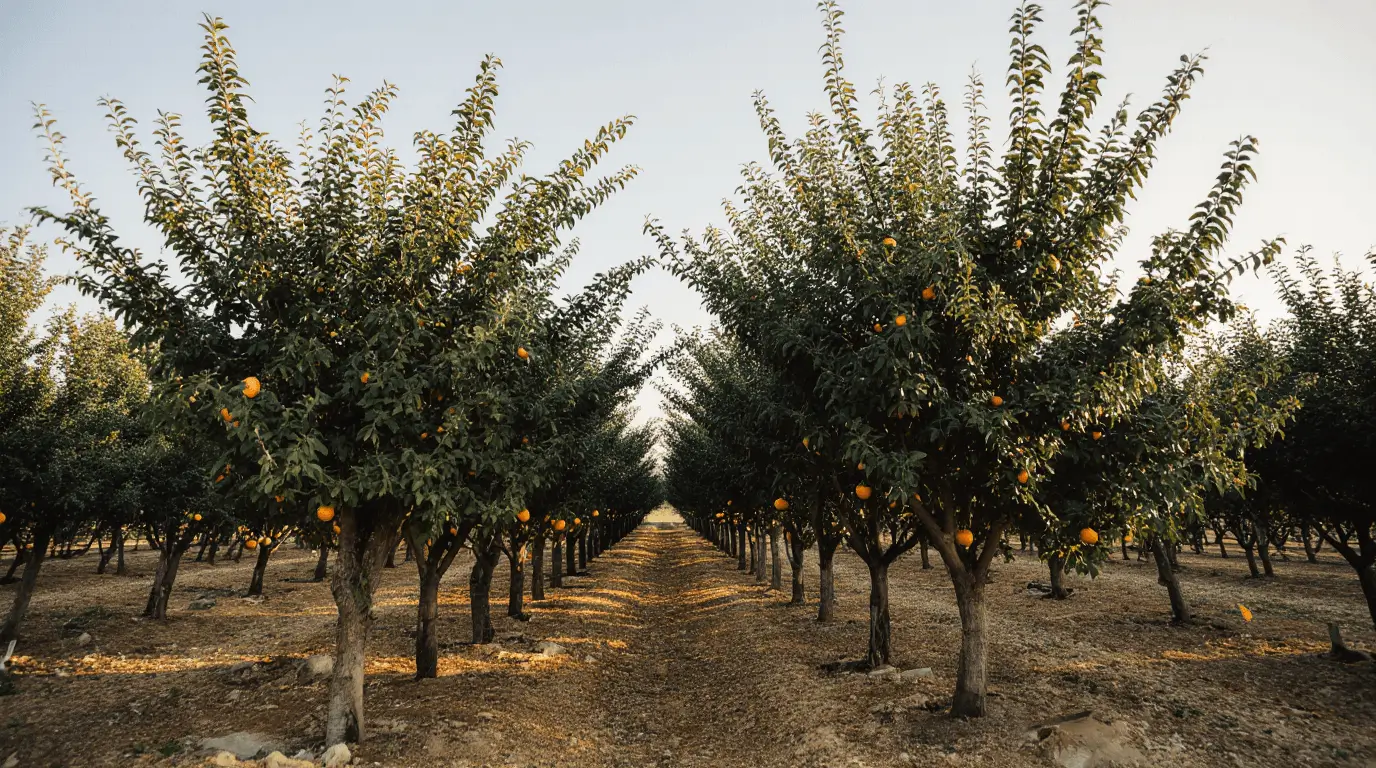
- Sometimes I observe irregular development, where certain trees are growing more quickly than others, often as a result of inconsistent spacing or uneven competition for resources. By observing this early, I can begin modifying irrigation or adjusting nourishment methods to ensure every plant receives sufficient support. Some research even indicates that trees situated at ideal densities may produce between 30 and 76 tons per hectare, underscoring the importance of the right arrangement for balanced growth.
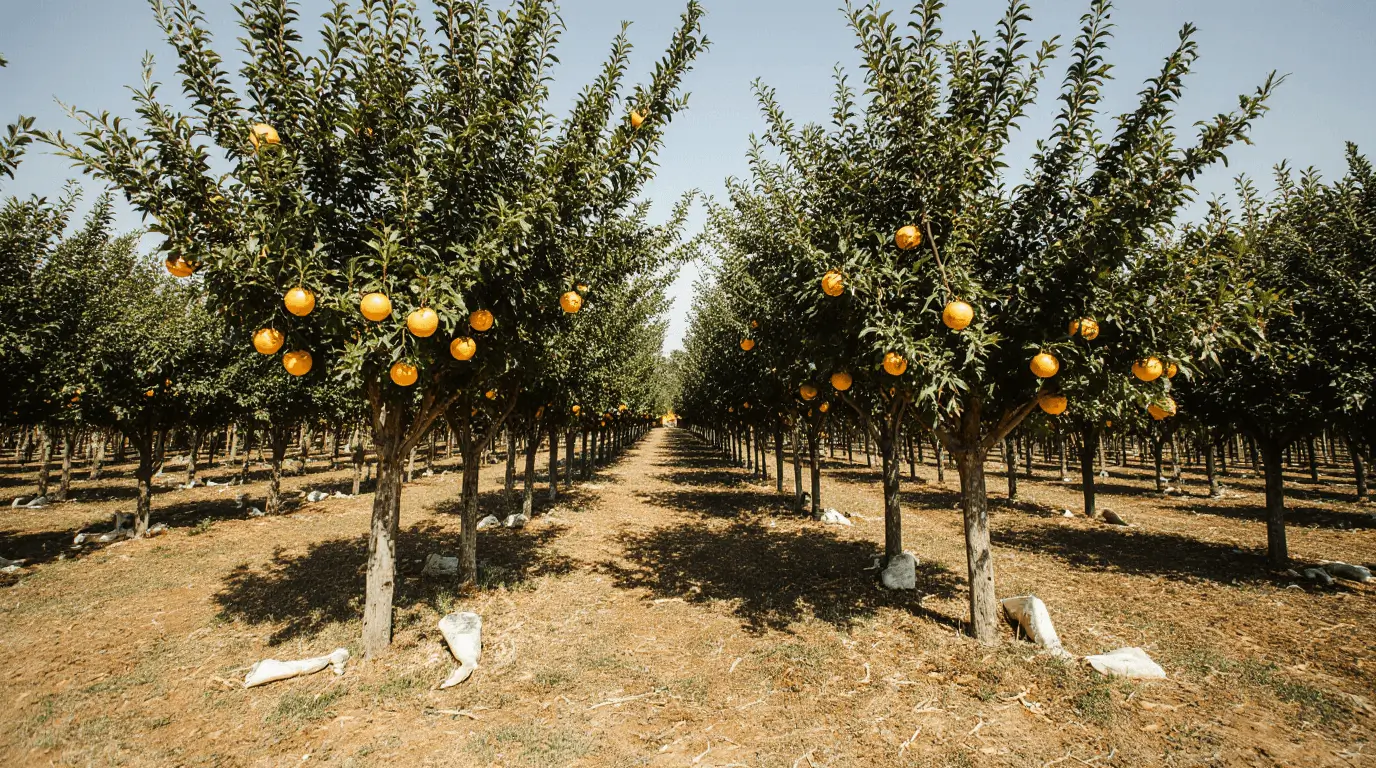
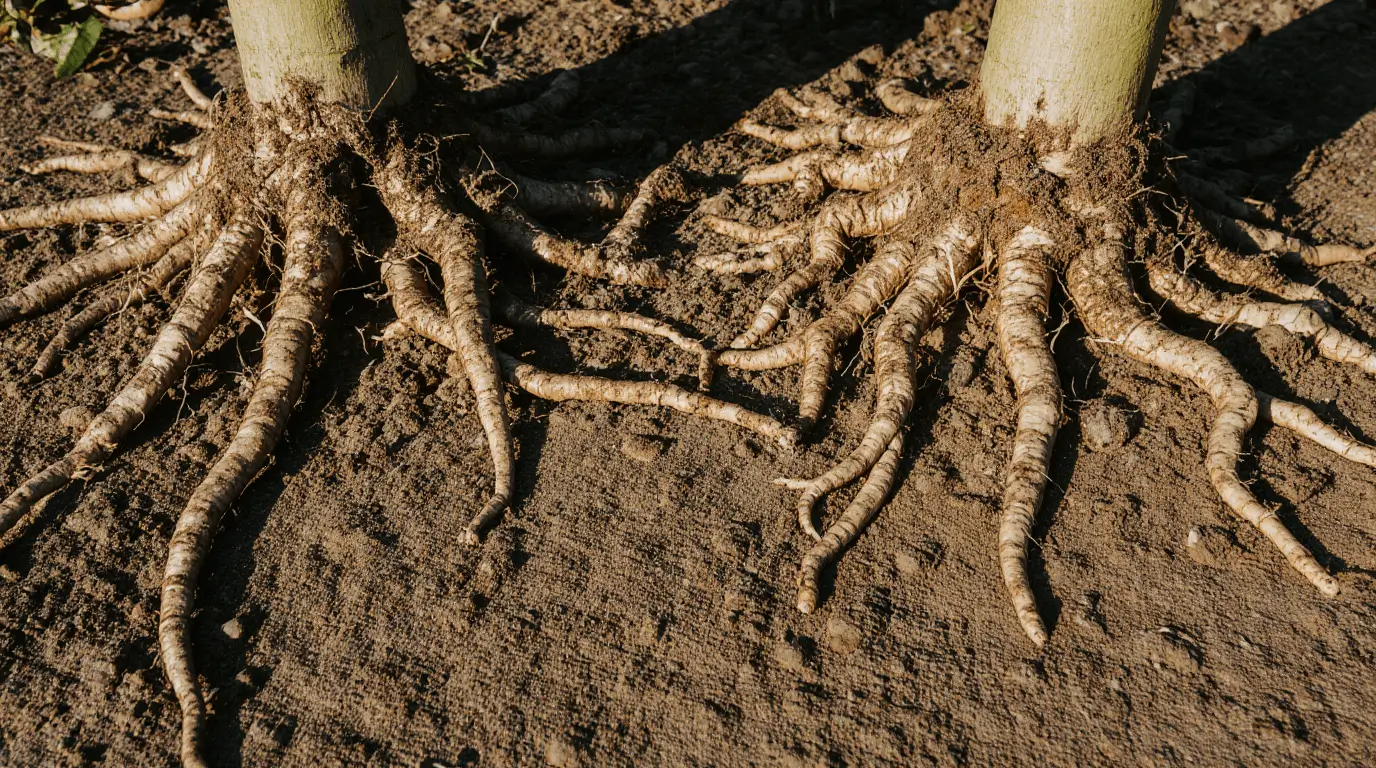
- Another subtle problem is root competition when trees are too closely spaced. Roots can face pressure that may adversely affect long-term health. If it’s feasible, I look for greater spacing options, which allows for deeper root expansion, enhancing overall vitality and improving long-term productivity.
Conclusion
Troubleshooting spacing problems in an orange tree planting setup becomes much easier when you truly understand how each factor affects long-term growth. In my own orchards, I’ve seen that even small missteps—trees planted too close, limited airflow, or uneven competition for nutrients—can influence everything from fruit size to overall vitality. By using a more careful approach, adjusting distances, improving sunlight access, and monitoring development, you not only protect the health of your trees but also support reliable productivity. Whether it’s thinning branches, improving irrigation, or giving roots a little more room, each thoughtful change helps you maintain a balanced and flourishing grove.
FAQs
What happens if orange trees are planted too close together?
When trees grow too close, they compete for sunlight, nutrients, and root space. This often leads to hindering development, lower yield, and increased risk of disease due to restricted airflow.
How do I fix poor airflow around my orange trees?
Thin out crowded branches, adjust the spacing, or reorganize plantings in the next season. Better airflow reduces illnesses and supports healthy vegetation.
Why do some orange trees grow faster than others?
Uneven growth often results from inconsistent spacing or unequal resources. Monitor irrigation, soil nourishment, and sunlight distribution to ensure sufficient support for every tree.
How far apart should I relocate overcrowded trees?
Depending on the variety, relocate trees to give greater room—usually adding several feet between them. This helps reduce root competition and improves overall vitality.
How can I tell if my trees are suffering due to spacing issues?
Look for signs like irregular growth, small or reduced fruit production, yellowing leaves, or repeated disease issues. These may indicate that the current arrangement requires adjusting.

Written by the LeafyHeaven Editorial Team
LeafyHeaven shares practical gardening tips and simple plant care guides to help you grow, nurture, and enjoy your plants with ease. Our goal is to make gardening feel natural, approachable, and rewarding for everyone.