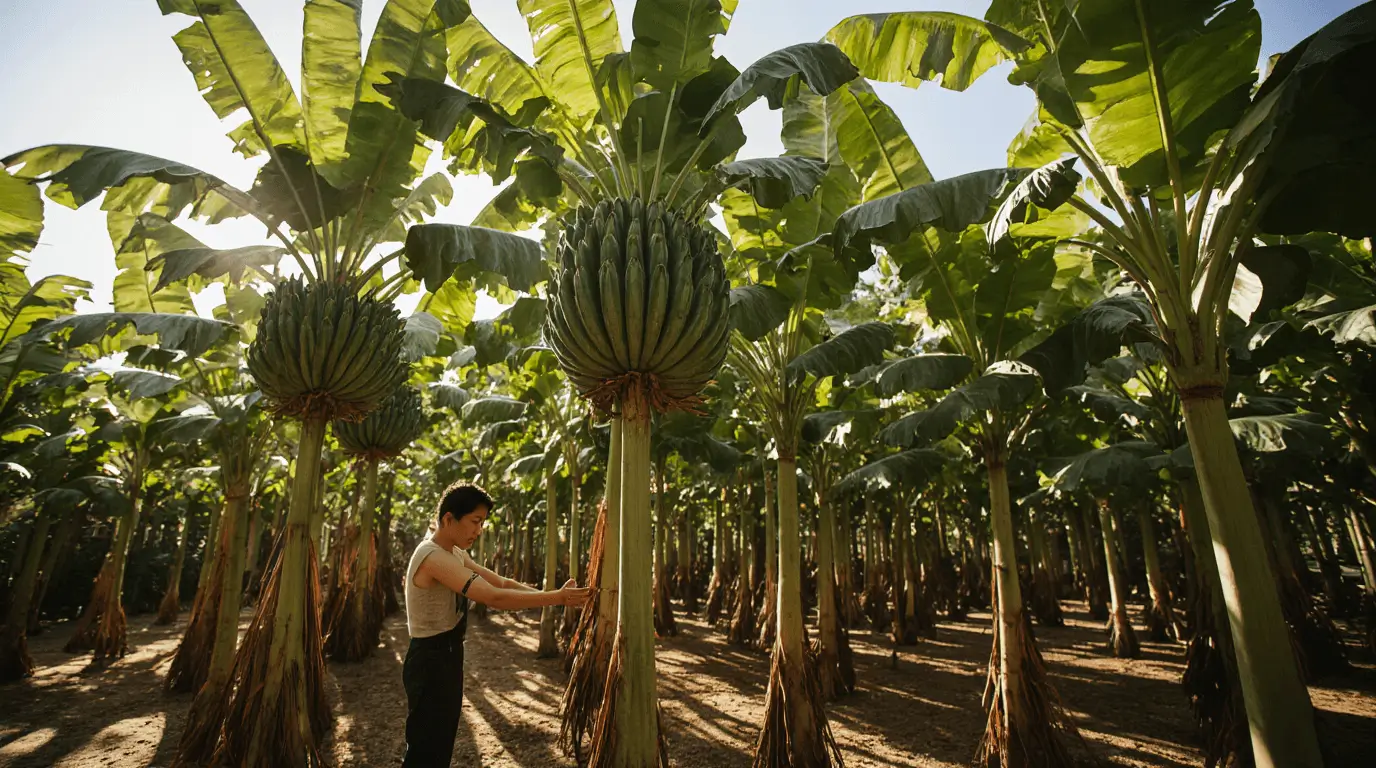

When I first began cultivating Mysore bananas at home, I noticed how vibrant these tropical plants can look when the location and planting choices are ideal, because the right environment helps them thrive and flourish even when you face challenges like pests or diseases; over time, I realized that the selection of proper soil, sunlight, and spacing plays an essential role in enhancing the growth of homegrown fruits, and when these conditions are met, the sweet flavor and creamy texture of the fruit become even more delightful, giving gardeners the chance to enjoy truly fresh harvests right from their own garden, while also providing an addition to the local biodiversity; that’s why mindful management—from watering to mulching helps ensure your plants stay healthy and strong, especially when each of these steps is treated as a way to treat the plant with the care it deserves and create the most optimal growing experience for anyone trying to grow mysore bananas.
If you want a complete overview of growing exotic fruit plants, this tropical fruit trees growing guide explains the key steps for planting and maintaining tropical fruit trees successfully.
Understand Mysore Banana Characteristics
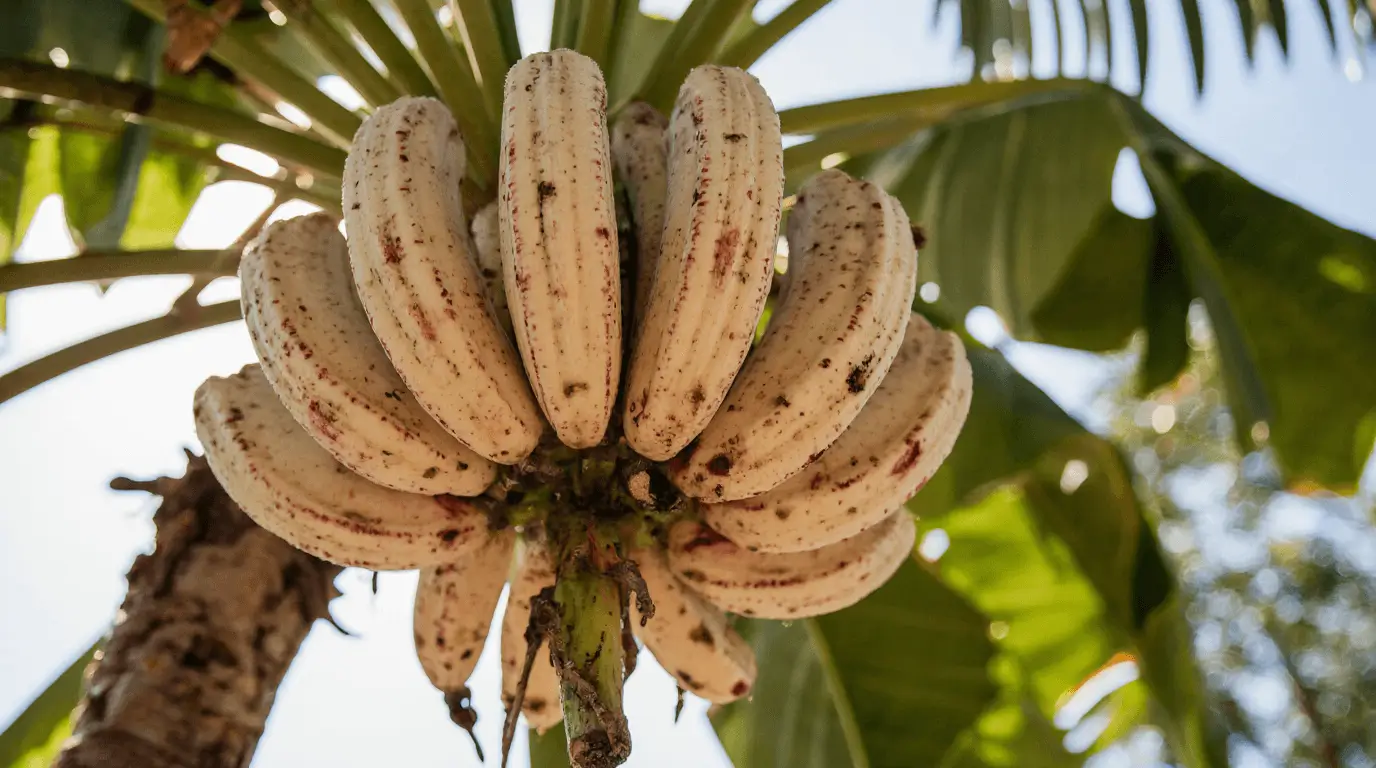
When I first started cultivating Mysore banana plants in my garden, I was surprised by how striking they look, especially when the medium to large-sized stems reach heights of 12 to 16 feet under warm climates with full sun exposure. Their fruits come from fruit clusters that are shorter and rounder than standard varieties, and the delicate skin can be susceptible to splitting, which I learned to manage with the right care. The sweet, creamy flavor with a light berry note makes them a wonderful addition to any home gardening setup, especially when the goal is to create an environment where they can experience optimal growth and truly thrive.
I once reviewed a study done over three years at the Regional Agricultural Research and Development Centre in Sri Lanka, which showed that the maximum harvest potential is usually reached in the first year, followed by consistent yields because of their natural resilience and suitability for local conditions. What makes Mysore bananas even more appealing is their richness in potassium and magnesium, both essential for nerve and muscle function, making them a healthy choice for anyone growing their own food. As horticulture deputy director Manjunath Angadi highlighted, growing local types supports biodiversity and strengthens community systems, which aligns with what I’ve seen in my own experiences nurturing these unique characteristics in a home setting.
Select an Ideal Planting Location
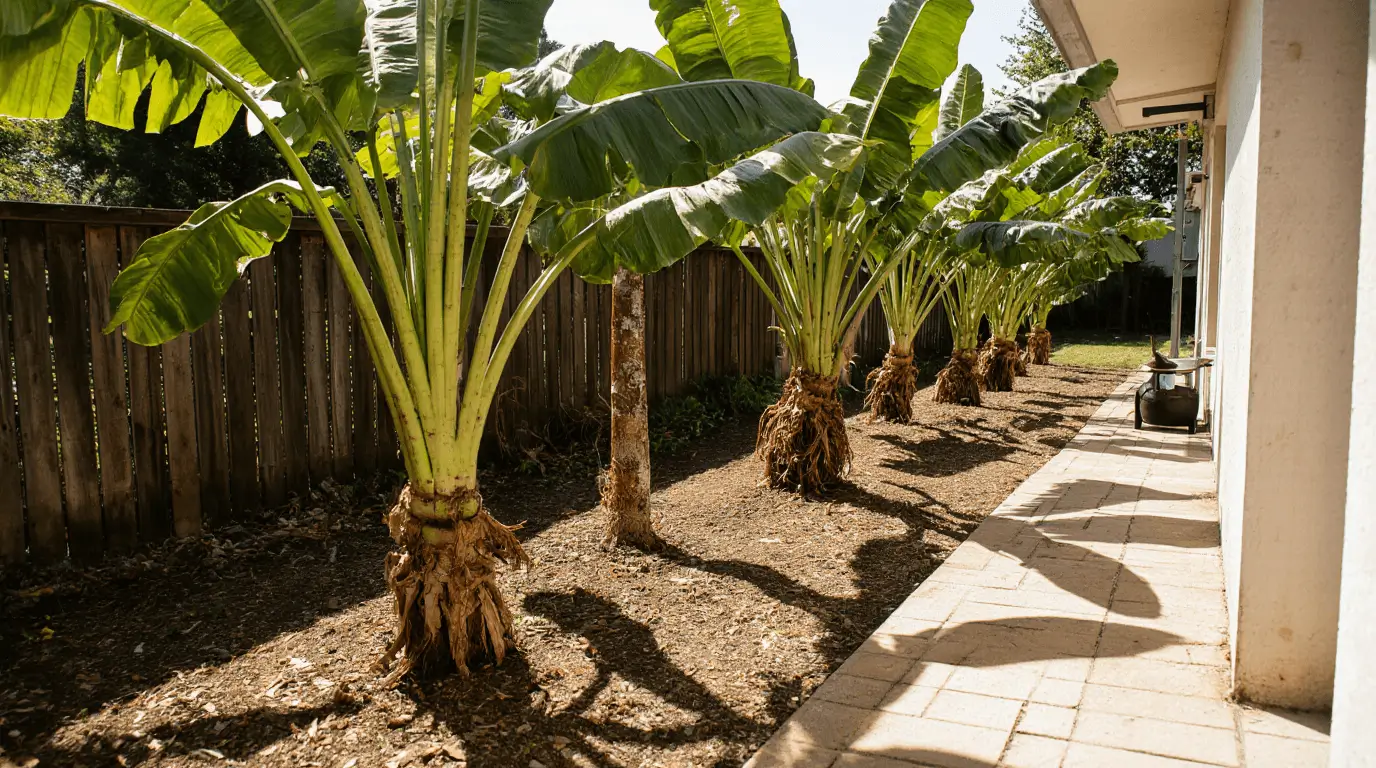
When I first learned how important it is to select the right planting site for a Mysore banana, I noticed how much the fruit truly thrives only when it receives 6 to 8 hours of direct sunlight each day, because this exposure is crucial for optimal growth and production. If the light is insufficient, it can lead to stunted or reduced yields and even increased susceptibility to diseases. I always check the soil first, making sure it is well-draining, rich, and organic, with matter that stays slightly acidic to neutral at pH 6.0 to 7.0, because that balance is essential for healthy tropical roots. In my own garden, I found it advisable to avoid areas with strong winds, especially since the tall plants can reach heights of 12 to 14 feet and are vulnerable to wind damage, so careful positioning near a south-facing wall adds extra warmth and protection.
I always remind myself to maintain sufficient spacing between the plants to promote airflow and maximize light, and sometimes I gently start rotating them to ensure equal access on all sides, which has proven vital for long-term health and productivity. I also remember that mysore varieties typically take 9 months to yield, so following these guidelines helps create the right environment for these tropical trees to grow strong.
Another fast-growing tropical fruit plant with similar sunlight and soil needs is explained in this red lady papaya tree growing guide.
Plant Mysore Bananas Properly
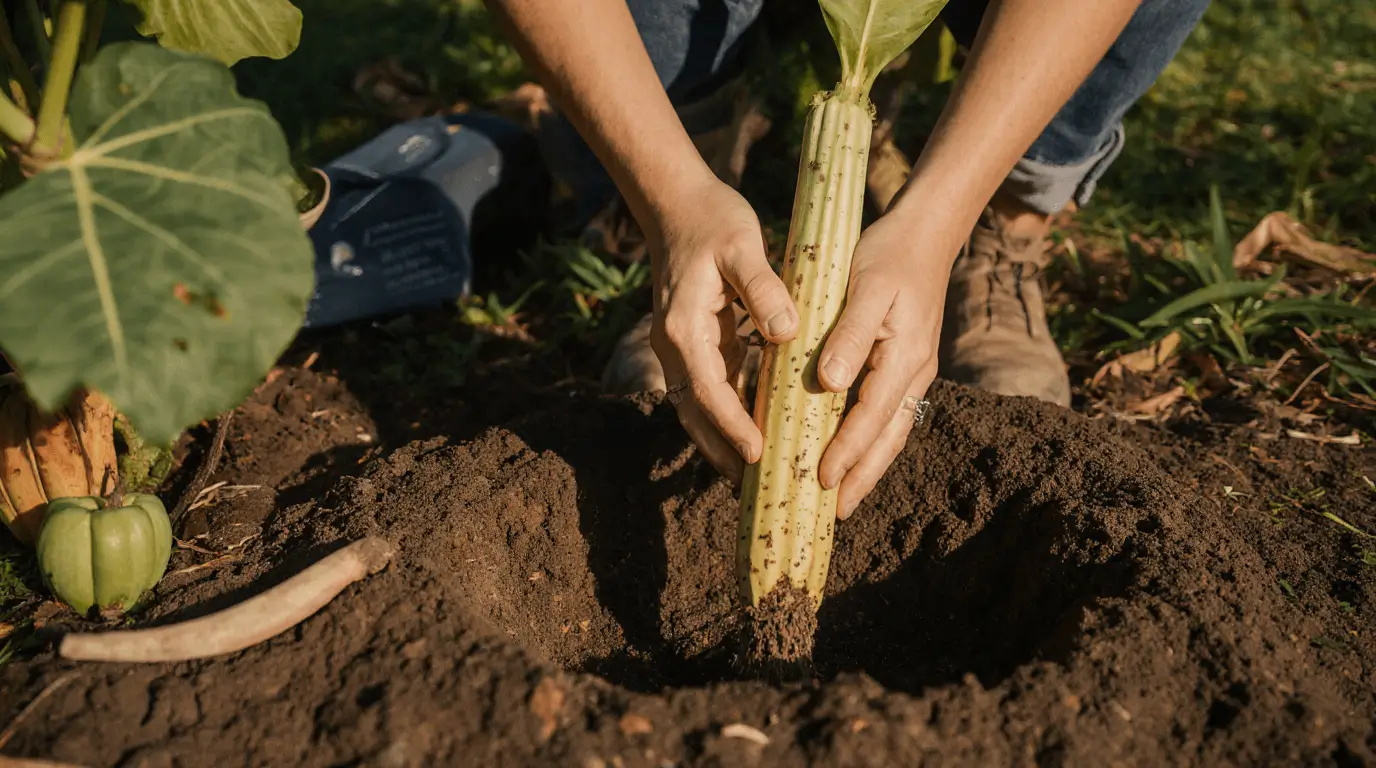
- When I Prepare the Ground for planting, I always start by trying to enrich the soil with compost or well-rotted manure because it’s essential for fertility; after verifying the pH is between 5.5 and 7.0, I work on digging a hole that is twice as wide and deep as the root ball, which helps with root expansion, drainage, and overall health of the fruit-bearing species.
- Once the ground is ready, I position the Mysore plant by placing it upright and making sure it stays level with the surrounding ground, then I refill the area and gently start pressing the soil to eliminate air pockets that may hinder the root system from settling.
- After planting, I always water the area thoroughly and as deeply as needed to settle the roots, keeping consistent moisture during the initial phase because even mature vegetation may require about 2 inches of water weekly, and establishing a regular watering routine gives strong support for healthy growth.
- To finish, I add mulch in a thick layer around the base to retain moisture, suppress weeds, and help the soil stay cool as it conserves water; this also helps regulate temperature, giving the plant a more stable environment, and since the plants need a minimum of 6 hours of direct sunlight, this step becomes critical for proper development.
Maintain and Care for Your Plants
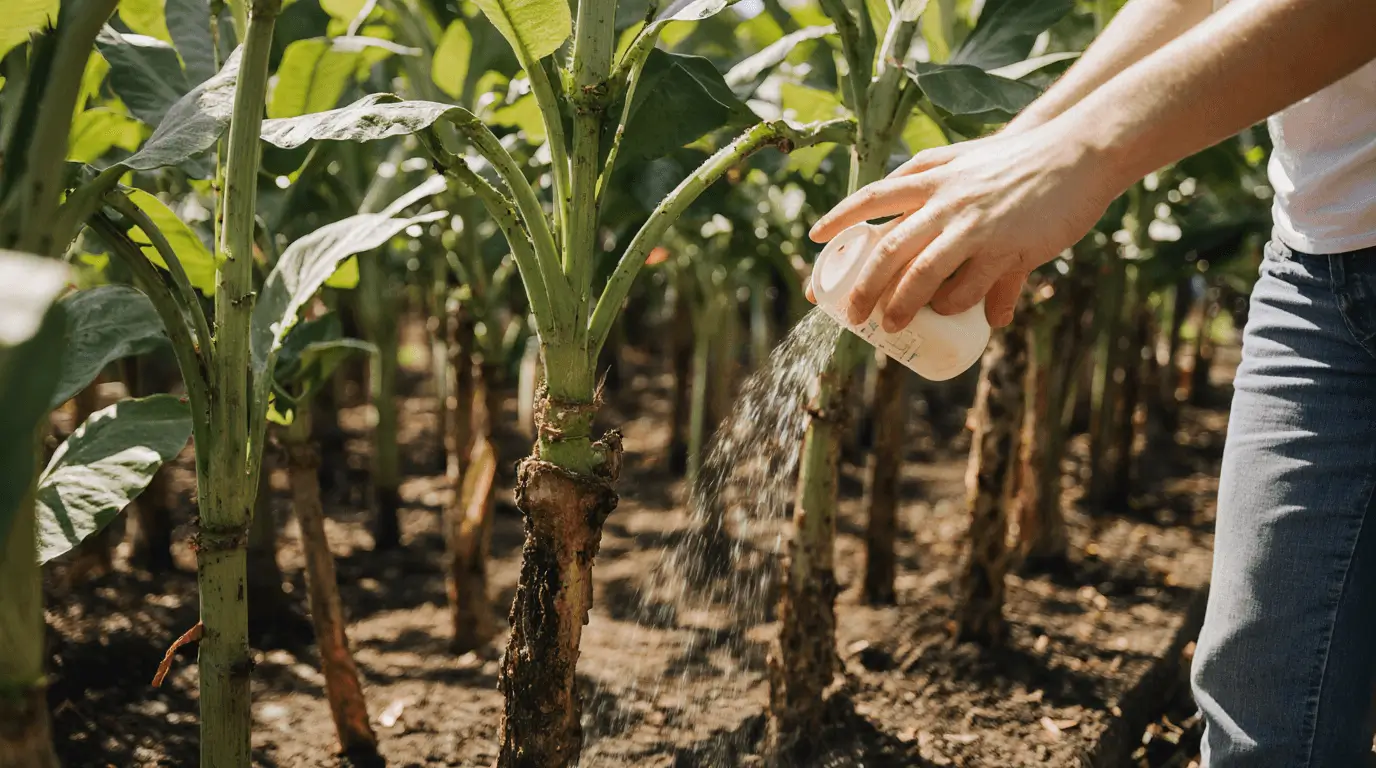
- When I focus on Watering my plants, I try to maintain a steady level of moisture in the soil, making sure it doesn’t dry out between irrigations, and I water deeply once or twice a week, adjusting for rainfall and temperature during warmer months, because this variety often requires about 0.8 cups every 9 days when potted in a 5-inch container; I’ve learned that regularly checking moisture levels is crucial to optimize irrigation practices and avoid overwatering, which can lead to yellowing leaves or root rot.
- For fertilization, my Mysore bananas respond well as heavy feeders that benefit from regular applications to support robust growth and strong fruit production, so I apply a balanced fertilizer, like an 8-10-10 mix, every 2 to 4 weeks during the growing season of spring and summer, and I adjust the frequency depending on the size of the vegetation and local conditions, especially decreasing feeding in fall and winter when they enter a slower growth phase; using organic fertilizers gives great slow-release benefits, promoting a more vibrant plant.
- I stay mindful of pest control by taking time to inspect my crops for pests like aphids and weevils, and I rely on organic pest control methods, such as neem oil, to manage infestations; keeping good air circulation helps prevent diseases, building a healthier growing environment, and by staying vigilant and applying techniques, I can cultivate thriving Mysore banana fruit in my garden.
For a broader look at banana care including watering cycles, leaf health, and growth habits you can explore this complete banana plant care guide to support your Mysore variety even better.
Troubleshoot Common Growing Issues
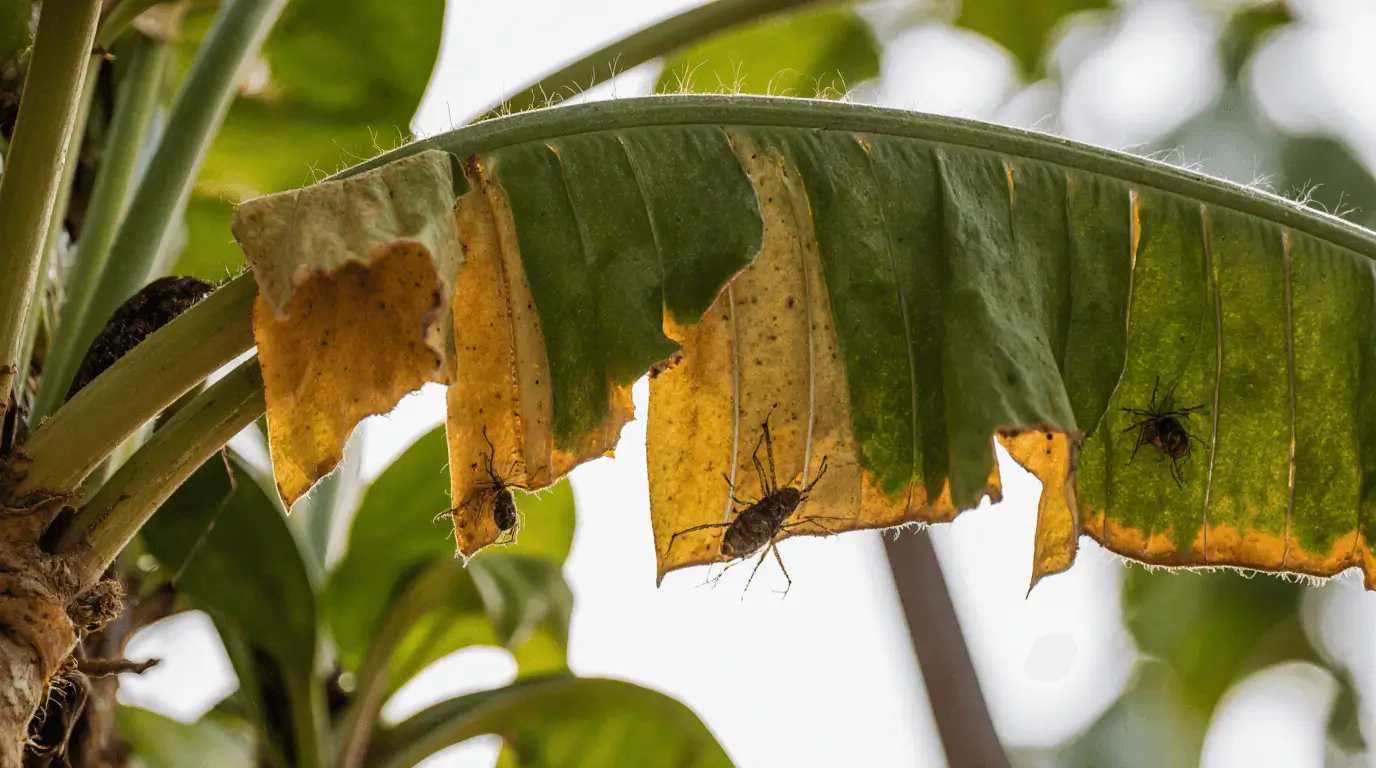
- When I notice Yellowing Leaves, the first symptom I look for usually indicates nutrient deficiencies, especially low potassium, magnesium, or nitrogen, because low potassium levels often show up as yellowing on the margins and tips of the leaves; to address this issue, I ensure regular fertilization with a balanced fertilizer designed for bananas, and I also verify that the soil has good drainage, since overwatering can exacerbate the problem, so I often start conducting a soil analysis to identify specific nutrient requirements and keep my plants healthy.
- A Mysore banana variety can still fail to produce fruit if it doesn’t receive adequate sunlight, so I aim for six hours of direct sunlight each day to promote good flowering and a proper fruit set; it becomes crucial to understand the type of banana species you’re growing because different varieties have distinct requirements for fruit production, which is something I learned through trial and error.
- With Pests and Diseases, I try to remain vigilant by checking for pests or diseases that may result in wilting or discoloration, and I’ve had cases of Fusarium wilt, which can cause leaf problems and has no known solution, so I focus on planting resistant cultivars to mitigate the risk; whenever I observe concerning signs, I apply suitable organic pesticides or fungicides, and I’ve found that maintaining cleanliness around the vegetation helps prevent the spread of issues before they worsen.
For more scientific insights into how bananas grow, respond to nutrients, and handle stress, you can check this detailed scientific overview of banana growth and nutrition.
Conclusion
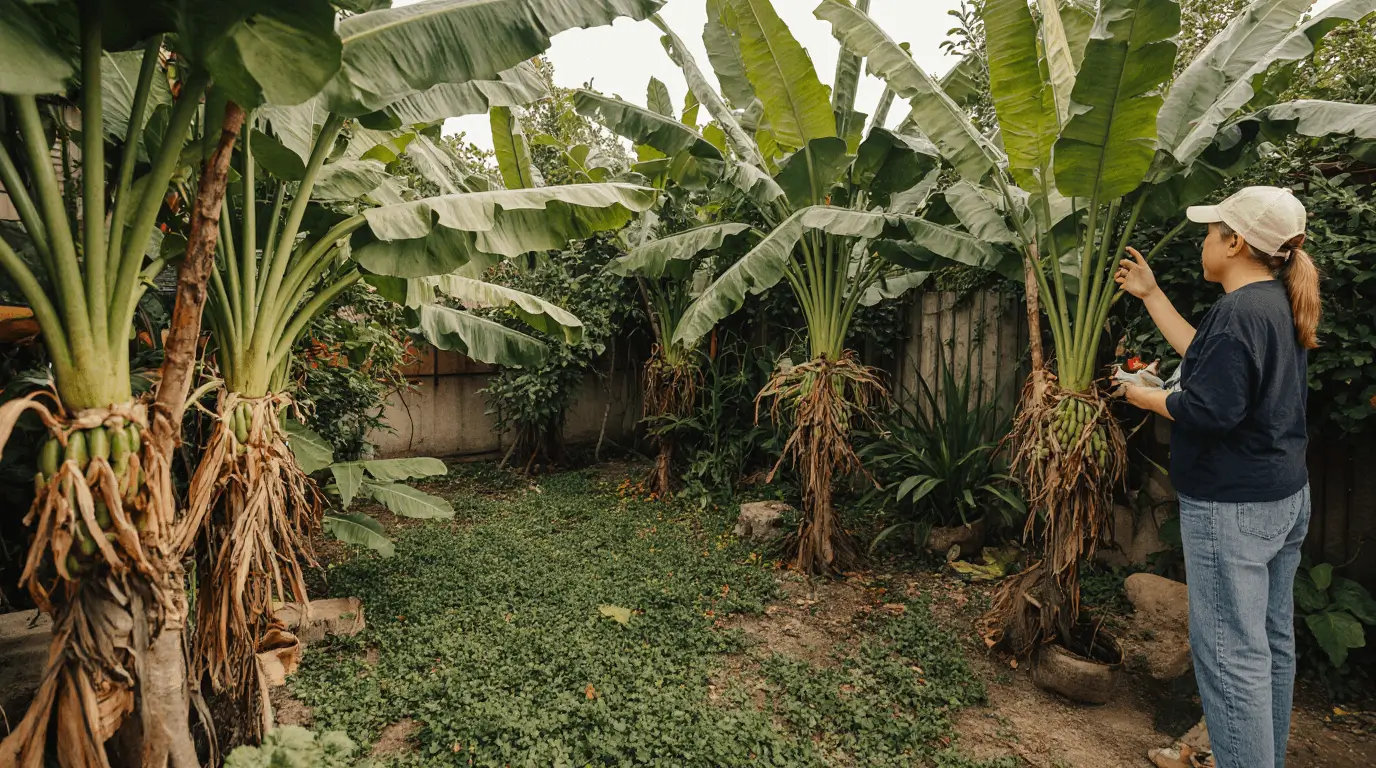
Caring for Mysore banana plants becomes much easier when you understand how to manage their sunlight, soil, nutrients, and overall health. By recognizing early signs such as yellowing leaves, adjusting fertilization routines, improving drainage, and staying alert to pests and diseases, you can keep your plants strong and productive throughout the season. With regular attention, a clean growing space, and the right troubleshooting steps, even beginners can enjoy a thriving banana harvest in their garden.
FAQs
Why are the leaves on my Mysore banana plant turning yellow?
Yellowing leaves often point to nutrient deficiencies such as low potassium, magnesium, or nitrogen. It may also happen due to overwatering or poor soil drainage.
How many hours of sunlight do Mysore banana plants need?
They need at least six hours of direct sunlight each day to promote healthy flowering and fruit development.
What should I do if my plant is not producing fruit?
Check if it is receiving enough sunlight, nutrients, and water. Also confirm the type of banana species you have, as different varieties have different fruiting requirements.
How do I prevent pests and diseases?
Regular inspection, good air circulation, organic pest control methods like neem oil, and maintaining cleanliness around the plant help prevent infestations.

Written by the LeafyHeaven Editorial Team
LeafyHeaven shares practical gardening tips and simple plant care guides to help you grow, nurture, and enjoy your plants with ease. Our goal is to make gardening feel natural, approachable, and rewarding for everyone.