
Introduction
Spider plant varieties are among the most popular choices for indoor gardening because they combine visual charm with stress-free maintenance. Known for their arching leaves, striped patterns, and graceful growth, these plants fit easily into modern homes, offices, and apartments. With so many types of spider plants available, plant lovers can choose from compact styles, bold variegation, or curly foliage that adds movement to indoor spaces. One of the biggest reasons for their popularity is adaptability—most different types of spider plants tolerate varied light conditions and irregular watering. Whether placed on shelves, tabletops, or hanging baskets, spider plants offer a reliable way to enhance indoor décor while remaining beginner-friendly and long-lasting.
Understanding Spider Plant Varieties
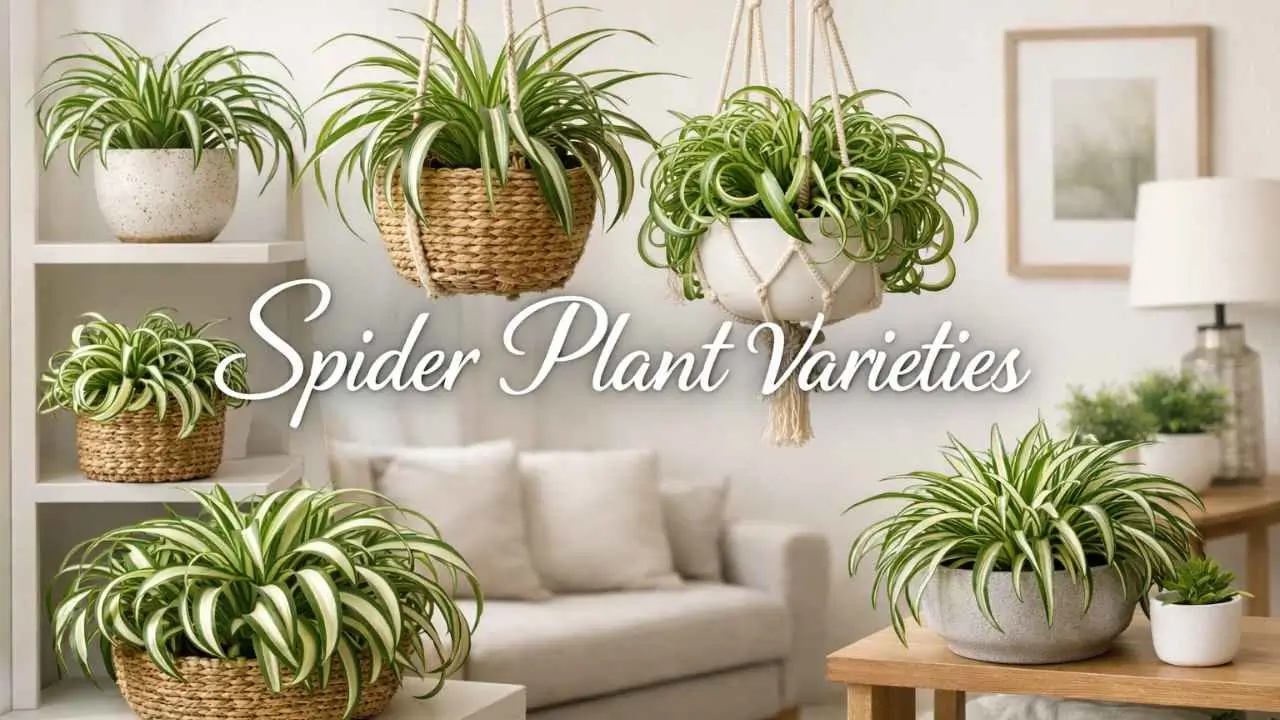
Spider plant varieties differ from each other mainly in their growth habits, leaf structure, and visual patterns. Some varieties grow in a compact, upright form, while others develop long, arching leaves that cascade beautifully from pots and hanging baskets. Leaf width can range from narrow and grassy to broader and more dramatic, directly influencing the plant’s overall appearance.
Color variation is another defining factor among spider plant types. Some feature bold white or cream stripes running through the center, while others display green margins or subtle variegation. These differences allow gardeners to mix and match varieties for layered indoor styling. Many plant enthusiasts prefer keeping multiple spider plant types because each one adds a distinct texture and visual rhythm, making indoor décor more dynamic, balanced, and visually appealing.
Popular Spider Plant Varieties for Indoor Homes
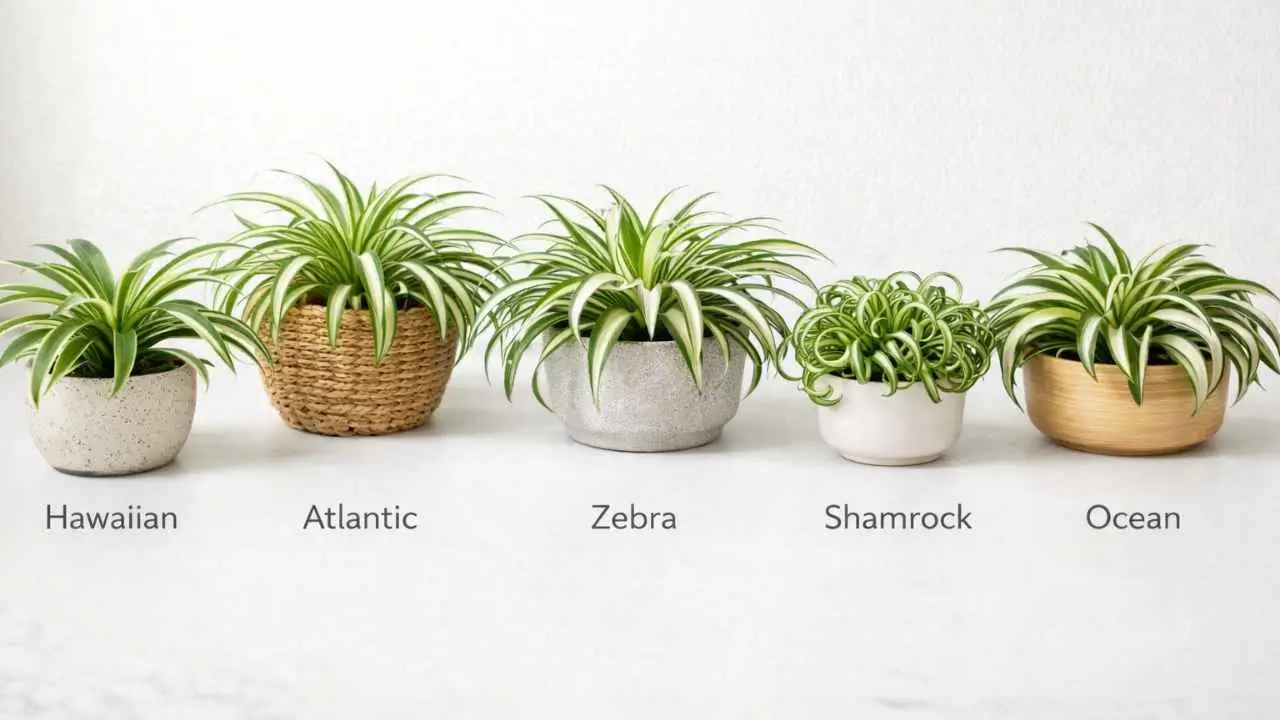
Hawaiian Spider Plant
The Hawaiian spider plant is admired for its slender, arching leaves and balanced color contrast. The foliage typically features soft green tones with light variegation, creating a clean and calming look. Its growth style is moderately spreading, making it suitable for both pots and hanging containers. For indoor placement, it works well on shelves, side tables, or near windows where indirect light highlights its leaf structure. The refined appearance of this variety makes it a popular choice for minimalist and modern décor.
Atlantic Spider Plant
The Atlantic spider plant is known for its compact growth habit and neatly striped foliage. Its leaves are shorter and more structured, which helps the plant maintain a tidy shape even in smaller containers. This variety performs best in bright, indirect light but also adapts well to average indoor conditions.
Other indoor plants such as the dumb cane plant are also valued for their adaptability and ability to enhance indoor environments.
Because of its controlled size and resilience, it is often preferred for desks, countertops, and apartments where space is limited and consistent care is desired.
Zebra Spider Plant
The zebra spider plant stands out due to its bold striping and strong visual contrast. Deep green leaves are accented with striking lighter stripes, giving the plant a dramatic and eye-catching appearance. This distinct pattern is what makes it memorable among spider plant varieties. It adds instant visual interest to indoor spaces and pairs well with neutral interiors where its markings can become a focal point.
Shamrock Spider Plant
The shamrock spider plant is valued for its unique leaf form and slightly different texture compared to more common varieties. The foliage has a fuller, denser look that adds depth to indoor plant arrangements. Its decorative value comes from its ability to soften spaces while still providing noticeable structure. When compared to other spider plant types, it offers a more compact and layered aesthetic, making it suitable for grouped plant displays.
Ocean Spider Plant
The ocean spider plant is easily recognized by its curly leaves and flowing variegation pattern. The twisting foliage creates movement and visual softness, especially when grown in hanging baskets. This variety thrives when allowed to trail freely, making it ideal for elevated shelves, plant hangers, and corners that need visual lift. Its cascading growth habit makes indoor spaces feel more dynamic and naturally styled.
Rare Spider Plant Varieties Worth Collecting
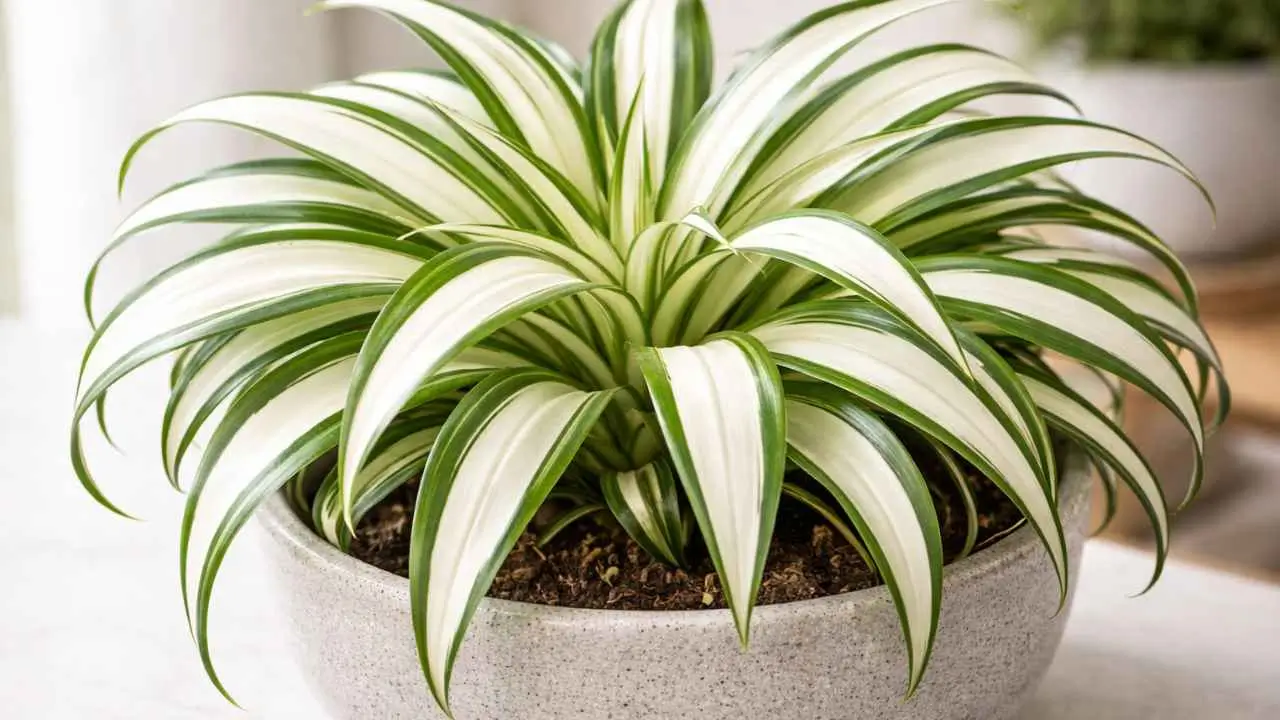
White Lightning Spider Plant
The White Lightning spider plant is prized for its striking bright white variegation that dominates the leaf surface. Unlike more common varieties where green remains the primary color, this plant features intense white striping that creates a bold, high-contrast look. Its rarity comes from limited commercial availability and slower propagation compared to standard spider plant types. Collectors value this plant because its dramatic foliage stands out instantly in curated indoor collections and adds a premium, uncommon visual element that is not easily replicated by regular spider plant varieties.
Other Rare Spider Plant Varieties
Rarity in spider plants is usually defined by limited cultivation, unusual leaf patterns, or uncommon growth traits. Some rare varieties may display atypical striping, softer color transitions, or distinct leaf shapes that are not widely produced by nurseries. Compared to common types of spider plants, these varieties are harder to find, often released in small batches, and may require more attentive sourcing. Their uniqueness lies in visual distinction rather than care difficulty, making them especially appealing to enthusiasts looking to diversify beyond standard spider plant selections.
Spider Plant Varieties Pictures Guide
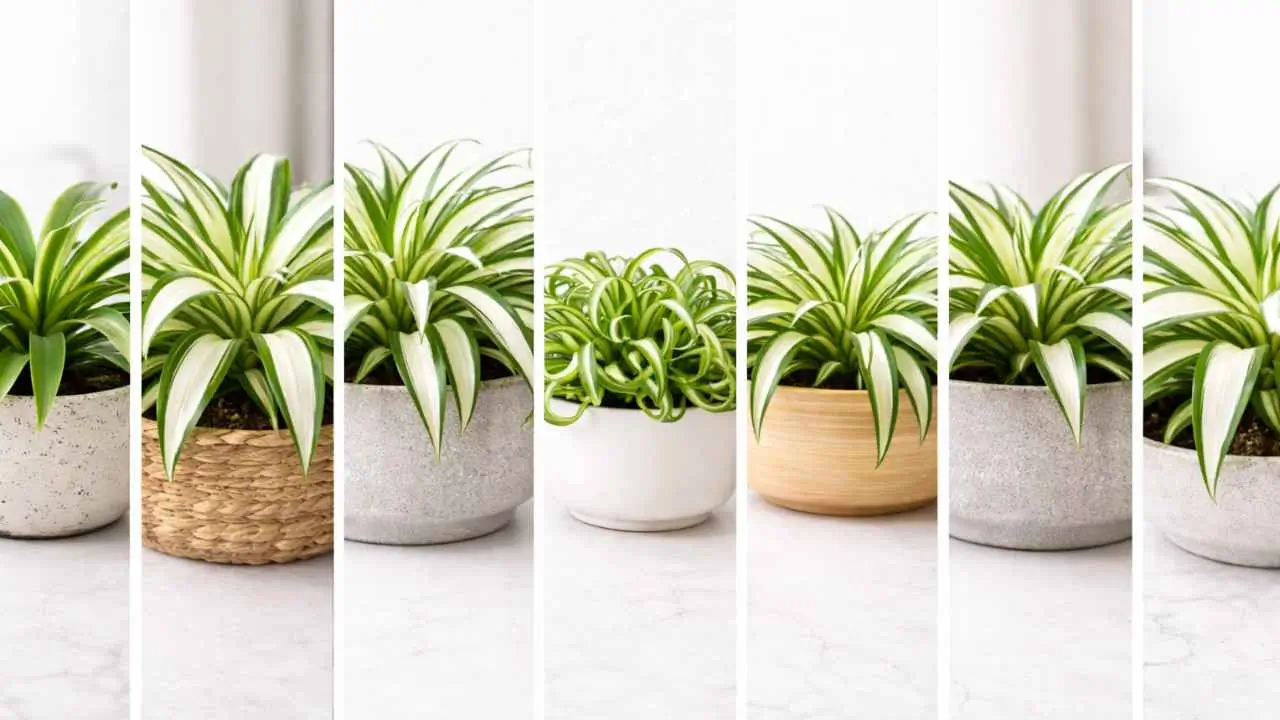
Visual identification plays an important role when learning about spider plant varieties because many differences are subtle and easy to overlook in written descriptions alone. Leaf shape, striping position, and growth direction can vary slightly between varieties, making pictures a reliable reference for accurate recognition.
Pictures help distinguish different types of spider plants by clearly showing contrasts in color patterns and structure. Side-by-side images allow viewers to notice whether stripes run through the center or along the edges, how wide or narrow the leaves are, and whether the plant grows upright or trails outward. This visual comparison is especially useful for identifying rare or less common varieties.
When using pictures to identify spider plant varieties, focus on key details such as leaf width, stripe color intensity, and the presence of curls or twists in the foliage. Curly leaves often indicate trailing varieties, while straight, structured leaves suggest compact types. Paying attention to these visual cues makes identification more accurate and confident.
How to Choose the Right Spider Plant Variety
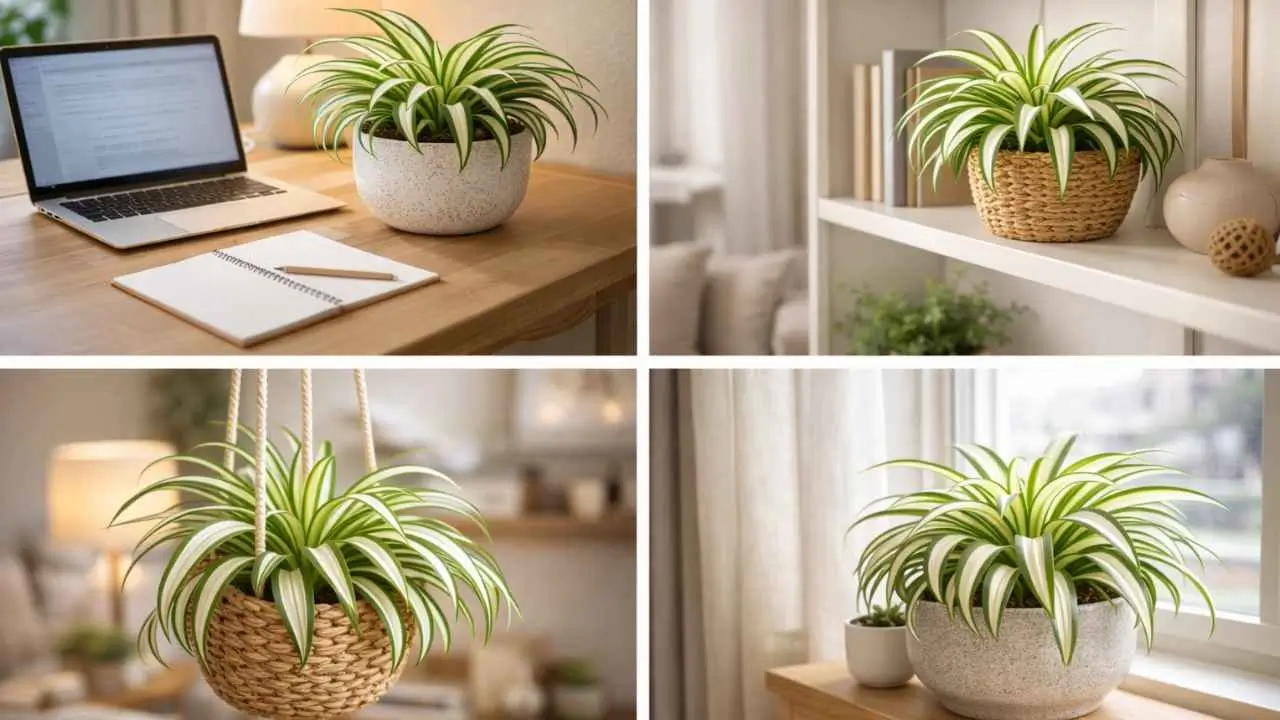
Choosing the right spider plant variety depends largely on available space, lighting conditions, and your interior décor style. Compact varieties work well for desks, shelves, and small rooms, while trailing types are better suited for hanging baskets or elevated planters. Most spider plants prefer bright, indirect light, but some varieties adapt more easily to lower-light indoor environments, making them suitable for apartments and offices.
Beginner-friendly spider plant varieties are typically fast-growing, resilient, and forgiving of minor care mistakes. These are ideal for first-time plant owners or those with busy schedules. Collector-level spider plant varieties, on the other hand, are often chosen for unique foliage patterns or rarity rather than ease of availability, appealing more to experienced indoor gardeners.
Matching your plant choice with your lifestyle is essential for long-term success. If you prefer low-maintenance greenery, select hardy varieties that require minimal attention. If you enjoy plant care as a hobby, rarer spider plant varieties can offer visual rewards while fitting into a more hands-on maintenance routine.
These selection decisions are easier when guided by a complete gardening and plant care guide, which explains how to match plants with indoor conditions.
Basic Care Tips for All Spider Plant Types
Proper care is essential for maintaining healthy growth and preserving the unique features of all spider plant types. Most spider plants perform best in bright, indirect light, though they can tolerate moderate indoor lighting without major issues. Direct sunlight should be avoided, as it can scorch leaves and fade variegation. Watering should be consistent but moderate—allowing the top layer of soil to dry slightly between waterings helps prevent root problems. Well-draining soil is important to support strong roots and avoid excess moisture buildup.
Understanding how roots behave in different conditions, such as in the firestick plant root system, can help prevent common indoor plant issues.
Common mistakes across spider plant types include overwatering, poor drainage, and placing plants in harsh direct sunlight. Using heavy soil or leaving plants in standing water often leads to yellowing leaves and weakened growth. Ignoring light requirements can also reduce the contrast in leaf striping, making varieties appear dull.
When cared for correctly, spider plant varieties display stronger leaf color, better curl formation, and more defined striping. Proper light, balanced watering, and suitable soil conditions help each variety express its natural shape and visual appeal to the fullest.
Conclusion
Spider plant varieties offer a wide range of visual styles, from popular choices with striped or curly foliage to rare selections prized for unique variegation. Common varieties are ideal for everyday indoor settings, while rare spider plant varieties appeal to collectors looking for something distinctive. Together, they show how diverse and adaptable spider plants can be in home environments.
Exploring multiple types of spider plants allows you to experiment with texture, color, and growth habits across different indoor spaces. Mixing compact and trailing varieties can create balance and visual interest throughout your home.
Whether you are just starting with houseplants or expanding an existing collection, spider plants provide an easy and rewarding option. Choose the varieties that match your space and style, and begin building an indoor plant collection that grows beautifully over time.
FAQs
What are the most popular spider plant varieties for homes?
The most popular spider plant varieties for indoor homes include Hawaiian, Atlantic, Zebra, Shamrock, and Ocean spider plants. These varieties are widely preferred because they combine attractive leaf patterns with easy indoor adaptability and low-maintenance care requirements.
How many different types of spider plants exist?
There are many different types of spider plants, including common household varieties and rarer collector types. While only a handful are widely available in nurseries, additional cultivars exist that vary in striping, leaf width, curl, and growth habit.
Are rare spider plant varieties harder to care for?
Rare spider plant varieties are not necessarily harder to care for than common ones. Most share the same basic light, watering, and soil needs. Their rarity is usually due to limited availability or unique appearance rather than increased care difficulty.
Which spider plant type is best for beginners?
Beginner-friendly spider plant types are those with strong growth and high tolerance to indoor conditions, such as compact or striped varieties. These plants recover easily from minor care mistakes and adapt well to typical home environments.
How can I identify spider plant varieties using pictures?
Spider plant varieties can be identified using pictures by closely examining leaf width, stripe placement, color contrast, and whether the leaves grow straight or curl. Visual comparison helps distinguish subtle differences that are difficult to recognize through descriptions alone.

Written by the LeafyHeaven Editorial Team
LeafyHeaven shares practical gardening tips and simple plant care guides to help you grow, nurture, and enjoy your plants with ease. Our goal is to make gardening feel natural, approachable, and rewarding for everyone.