
Introduction
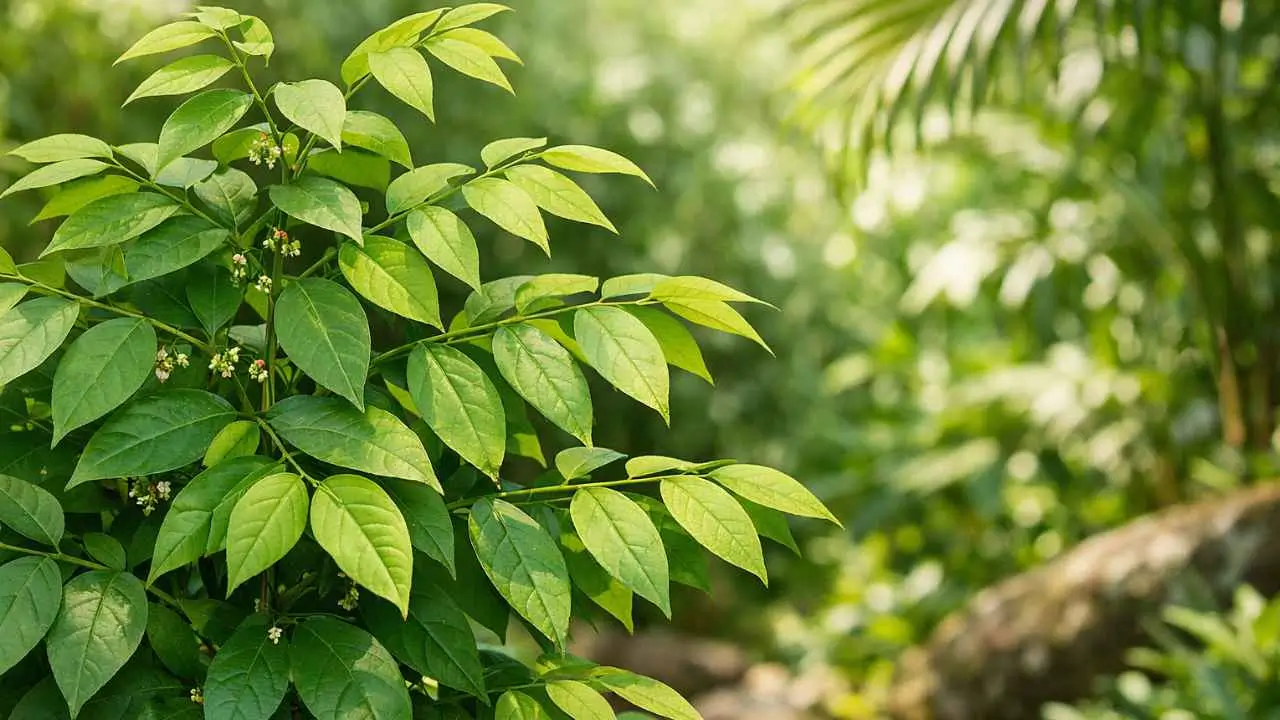
Katuk plant benefits are widely recognized in traditional food cultures where this leafy green has long been valued as a nourishing, everyday vegetable. Native to tropical regions, the katuk plant is commonly grown for its tender leaves, which are used as a regular food source rather than a medicinal ingredient. In many Asian households, katuk leaves are appreciated for their mild flavor, versatility in cooking, and ability to complement balanced meals. The plant is especially valued because its edible leaves contain naturally occurring nutrients that support daily dietary needs. With its reputation as a functional food, katuk plant benefits are closely linked to nutrition, cultural food practices, and sustainable home gardening, making it an important leafy plant in traditional wellness-focused diets.
What Is the Katuk Plant
Katuk Plant Overview
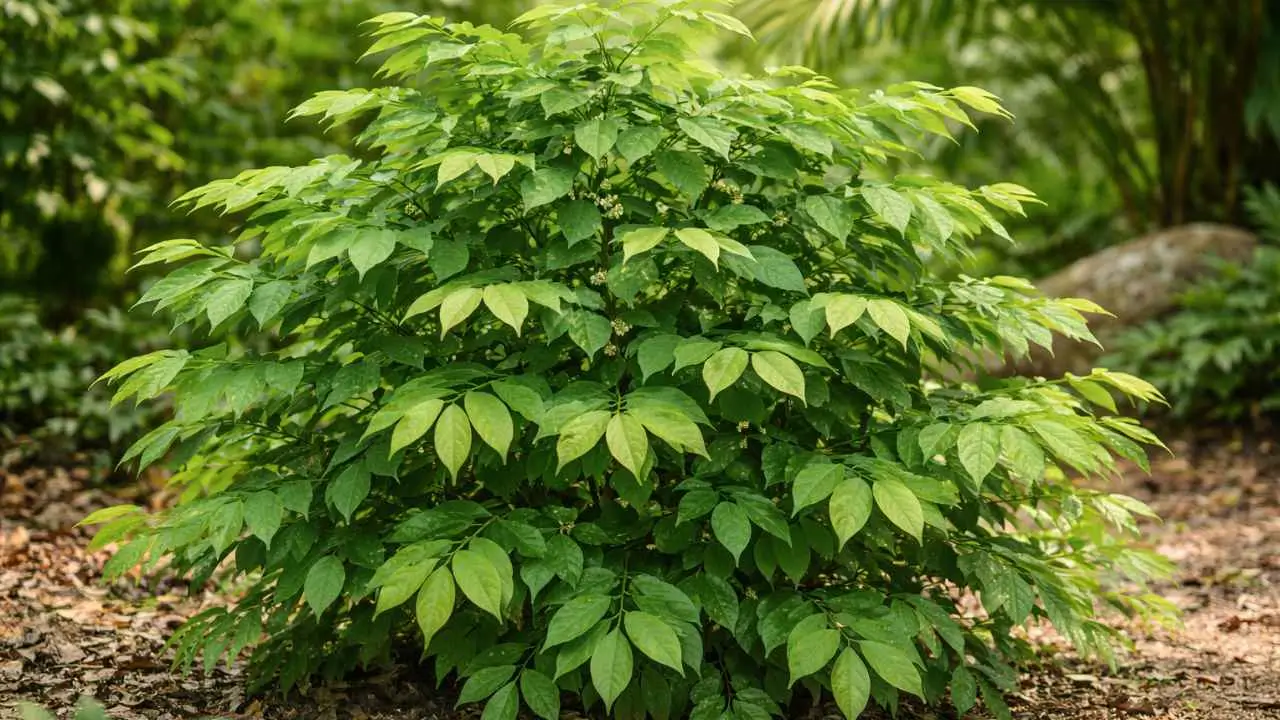
The katuk plant is a tropical leafy vegetable known for its fast-growing nature and edible foliage. Botanically, it is a perennial shrub that thrives in warm, humid climates and is commonly cultivated in Southeast Asia and nearby regions. The plant is recognized by different local names depending on the region, reflecting its long-standing role in everyday cooking and home gardens. Katuk typically grows as a dense, bushy plant with soft green leaves that can be harvested repeatedly without damaging overall growth. The edible part of the katuk plant is mainly the young leaves and tender shoots, which are valued for their mild taste and suitability for regular consumption.
Katuk Leaves vs Katuk Fruit
Katuk leaves are the primary usable and widely consumed part of the plant. They are harvested frequently and used as a vegetable ingredient in cooked dishes, making them the main source of katuk plant benefits. In contrast, katuk fruit has very limited culinary relevance and is not commonly used in traditional or modern cooking. The fruit is small and less appealing in flavor and texture compared to the leaves, which is why most food and nutrition discussions focus almost entirely on katuk leaves rather than the fruit.
Katuk Plant Benefits for Overall Health
Nutritional Value of Katuk Leaves
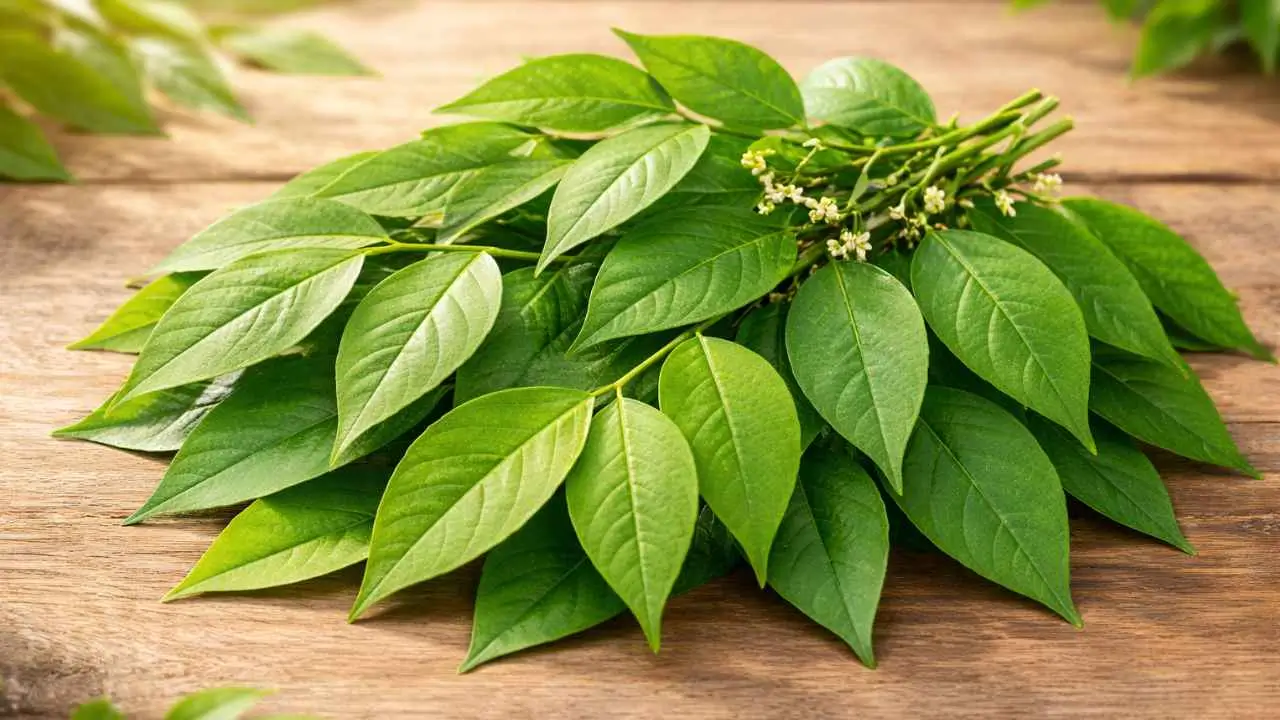
Katuk leaves are valued primarily for their nutritional profile, which supports everyday dietary needs. An overview of katuk nutrition facts shows that the leaves contain a combination of essential vitamins, minerals, and naturally occurring plant compounds.
Nutritional research on leafy greens and plant compounds is available through the National Institutes of Health (NIH). Scientific evidence is limited and these uses should not replace medical treatment.
These nutrients contribute to normal body functions when katuk leaves are included as part of regular meals. The leaves are commonly added to home-cooked dishes because they complement other vegetables and staple foods without overpowering flavors. As a leafy green, katuk fits well into balanced diets by providing plant-based nutrients that support overall nourishment rather than acting as a concentrated supplement or medicinal food.
These types of food-based wellness benefits are also explained in a complete natural healing and herbal wellness guide, which highlights how traditional plants support everyday health.
Traditional Health Uses
In traditional food practices, katuk leaves are used as a regular vegetable rather than a treatment-focused ingredient. They are commonly cooked and eaten as part of daily meals, where their value is associated with long-term dietary habits. Supportive wellness associations linked to katuk plant benefits come mainly from consistent consumption within traditional diets, not from direct medical use. Culturally, katuk consumption reflects a food-first approach to wellness, where nourishment is maintained through locally grown plants.
Other traditional leafy plants such as the goosefoot plant are also widely used in food-based wellness practices for daily nutrition.
This cultural importance has helped preserve katuk’s role as a trusted and familiar leafy vegetable across generations.
Katuk Plant Benefits for Skin
Katuk Plant Benefits for Skin Health
Katuk plant benefits for skin health are mainly connected to the nutrients naturally present in its leaves. Katuk leaves contain vitamins and plant-based compounds that contribute to overall skin nourishment when consumed as part of a regular diet. These nutrients support the body’s normal renewal processes, which play an indirect role in maintaining healthy-looking skin. Katuk leaves also contain antioxidants, which are commonly associated with protecting cells from everyday environmental stress.
Similarly, plants like the coffee plant are also valued for their antioxidant-related properties and natural wellness applications.
In traditional food cultures, skin support from katuk is approached through consistent dietary intake rather than external treatments, emphasizing food-based nourishment as part of long-term wellness habits.
Dietary Use for Skin Wellness
Dietary use plays a more significant role in skin wellness than topical application when it comes to katuk. Katuk plant benefits for skin are linked to internal nutrition, as the body absorbs and utilizes nutrients from cooked leaves through digestion. There is no traditional emphasis on using katuk leaves directly on the skin; instead, regular consumption is valued for supporting overall skin appearance from within. Leaf-based intake is considered important because it aligns with traditional practices that view healthy skin as a reflection of balanced nutrition and consistent dietary choices.
Katuk Leaves Uses and Recipes
Popular Katuk Leaves Recipe Ideas
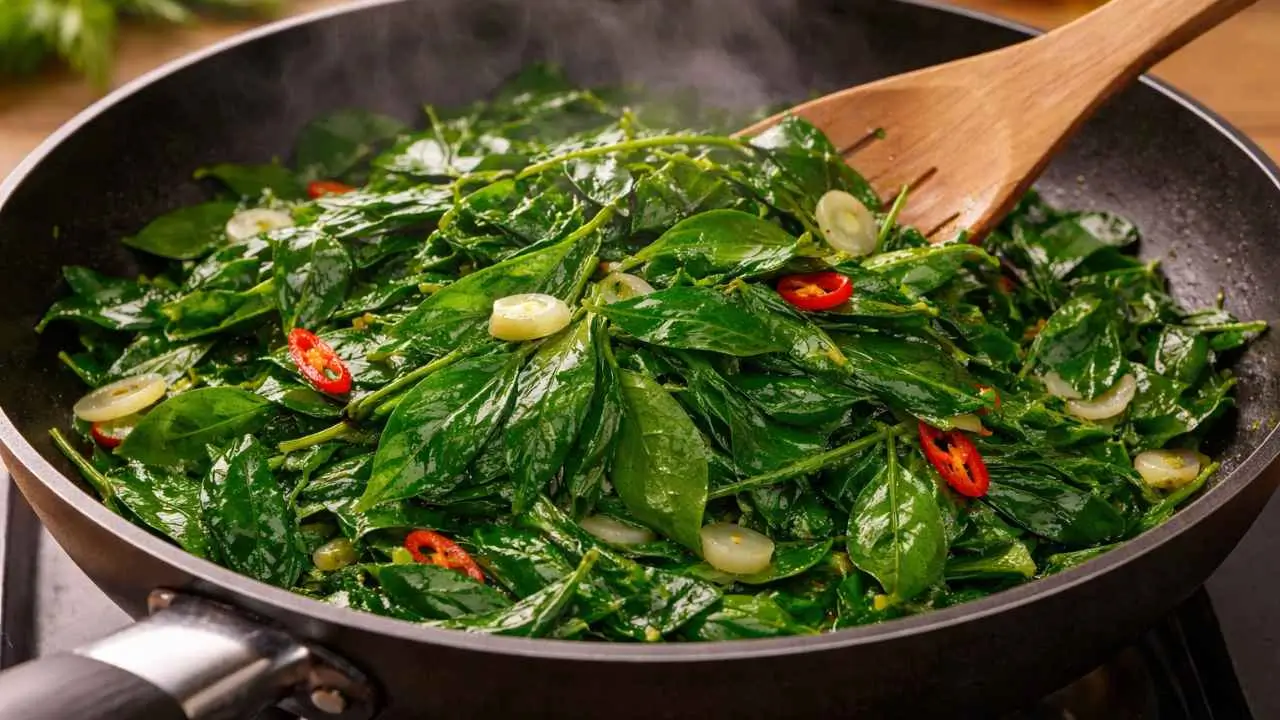
Katuk leaves are commonly used as a simple vegetable ingredient in everyday cooking. They are most often prepared in stir-fries and soups, where their soft texture blends easily with other ingredients. Light cooking methods are preferred, as brief sautéing or gentle boiling helps retain the natural nutrients found in the leaves. Katuk leaves have a mild, slightly sweet flavor with a tender texture, making them suitable for pairing with garlic, onions, or basic seasonings. Because the leaves cook quickly, they are typically added near the end of the cooking process to preserve both taste and nutritional value.
Katuk Fruit Taste and Culinary Value
Katuk fruit has very limited culinary use compared to the leaves. The fruit is small and generally mild in taste, without the appealing flavor or texture that makes the leaves popular as a vegetable. Because of this, katuk fruit is rarely included in traditional recipes or modern dishes. Most culinary practices focus on katuk leaves due to their versatility, ease of preparation, and nutritional relevance. The fruit’s limited size, subtle taste, and lack of established cooking uses contribute to its minimal role in katuk-based cuisine.
Katuk Plant Care Basics
How to Grow and Maintain Katuk Plant
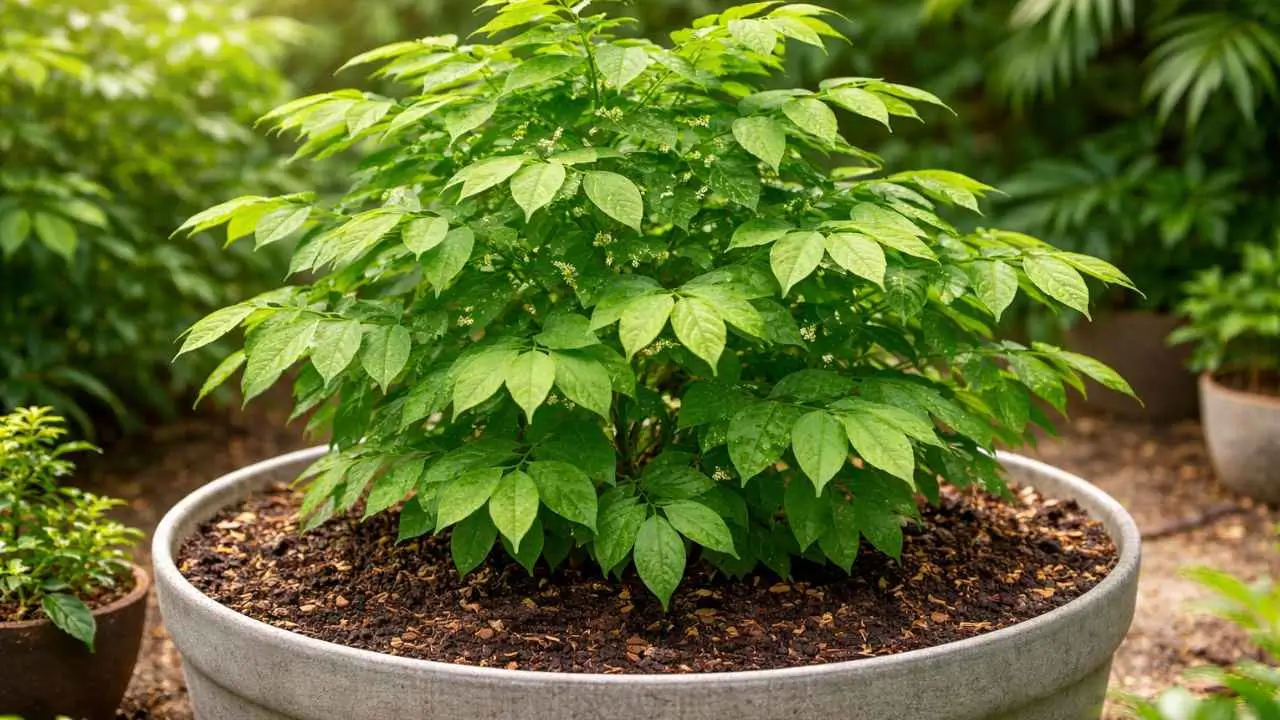
Katuk plant care is relatively simple, making it suitable for home gardens in warm regions. The plant grows best in bright, indirect light but can also tolerate partial shade, especially in hotter climates. Regular watering is important to keep the soil consistently moist, though waterlogging should be avoided. Well-draining soil rich in organic matter supports healthy leaf growth and repeated harvesting. Katuk thrives in tropical and warm-climate conditions, where steady temperatures encourage year-round growth. With basic care and routine pruning, the plant continues to produce tender leaves suitable for regular use.
Katuk Seeds and Propagation
Katuk seeds exist but are not the most common method of propagation. Seed availability can be limited, and germination may take time under home-growing conditions. For this reason, propagation is often approached cautiously by home gardeners. When grown successfully, katuk plants can become long-term additions to small gardens or container setups. From a home garden perspective, katuk’s ability to regrow after harvesting makes it a practical leafy plant for those interested in sustainable, edible gardening in warm environments.
Precautions and Responsible Use
Moderation and Proper Preparation
Moderation is an important consideration when including katuk leaves in regular meals. While katuk plant benefits are associated with its nutritional value, the leaves are best consumed as part of a varied diet rather than in excessive amounts. Proper preparation also plays a key role in responsible use. Katuk leaves are traditionally cooked before consumption, as cooking helps improve digestibility and aligns with long-standing food practices. Raw consumption is generally avoided in traditional settings, emphasizing the importance of light cooking methods. General food-safety awareness, including washing leaves thoroughly and cooking them properly, supports safe and enjoyable use of katuk as a leafy vegetable.
Conclusion
Katuk plant benefits matter because they combine nutrition, culinary versatility, and traditional food value into a single leafy plant. The nutritional profile of katuk leaves supports everyday dietary needs, while their role in food-based skin nourishment highlights the connection between internal nutrition and overall appearance. From a culinary perspective, katuk leaves stand out as a practical ingredient that fits easily into soups and stir-fries without complex preparation. As a functional food plant, katuk offers consistent value through regular, moderate consumption rather than specialized use. Understanding how to prepare and consume katuk responsibly allows people to enjoy its benefits while respecting traditional practices and basic food-safety principles.
FAQs
What are the main katuk plant benefits?
The main katuk plant benefits are linked to its role as a nutritious leafy vegetable. Katuk leaves provide naturally occurring vitamins, minerals, and plant compounds that support everyday dietary needs. They are valued as a functional food that fits easily into regular meals rather than as a medicinal ingredient.
Are katuk plant benefits for skin supported by nutrition?
Yes, katuk plant benefits for skin are supported through nutrition. The leaves contain nutrients and antioxidants that contribute to overall skin nourishment when consumed as part of a balanced diet. Traditional food practices emphasize internal nutrition from cooked katuk leaves rather than topical skin use.
Can katuk leaves be eaten daily?
Katuk leaves can be eaten regularly in moderate amounts as part of a varied diet. Traditional use focuses on cooked leaves consumed alongside other vegetables and foods. Moderation and proper preparation help ensure safe and balanced dietary inclusion.
What does katuk fruit taste like?
Katuk fruit has a very mild and unremarkable taste. Because it lacks strong flavor and culinary appeal, it is rarely used in cooking. Most traditional and modern uses focus on katuk leaves rather than the fruit.
Is katuk plant easy to grow at home?
Katuk plant is relatively easy to grow at home in warm or tropical climates. It prefers moist, well-draining soil, regular watering, and partial sunlight. With basic care, it can produce leaves continuously, making it suitable for home gardens and container growing.

Written by the LeafyHeaven Editorial Team
LeafyHeaven shares practical gardening tips and simple plant care guides to help you grow, nurture, and enjoy your plants with ease. Our goal is to make gardening feel natural, approachable, and rewarding for everyone.




[…] Read Also: 5+ Powerful Katuk Plant Benefits That Nourish Naturally […]