
Introduction
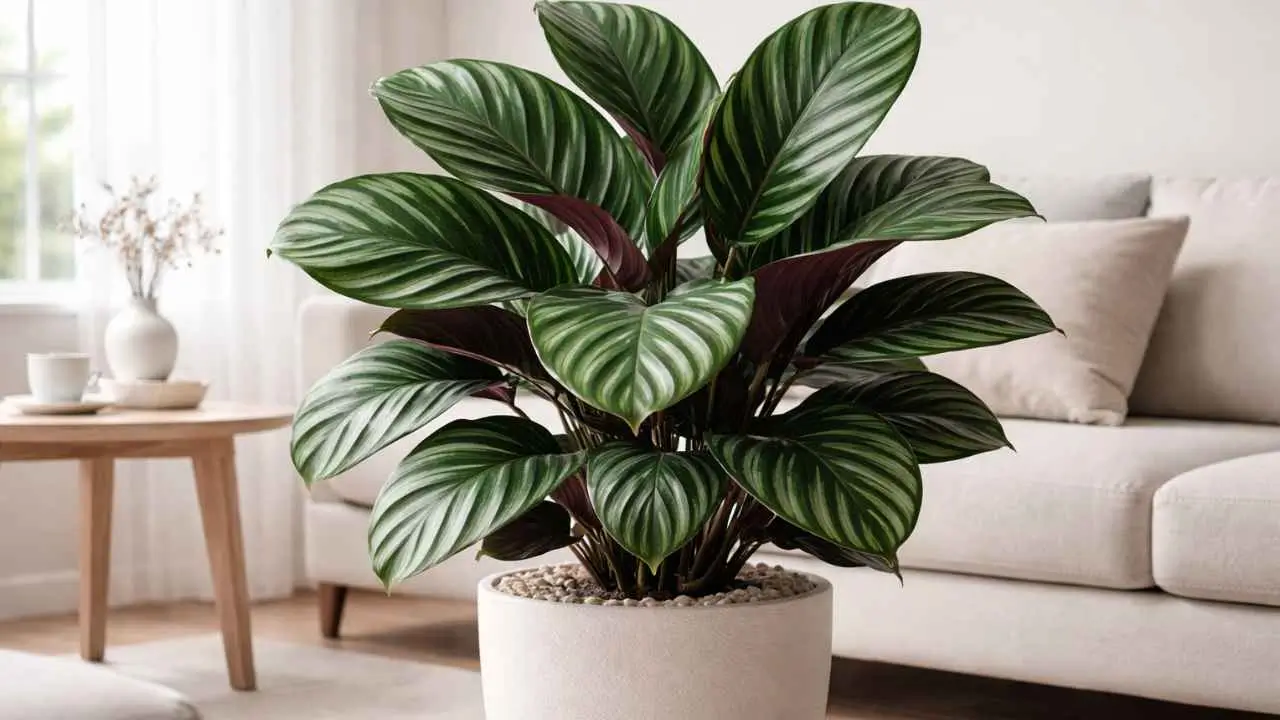
calathea goeppertia refers to a group of striking tropical plants admired for their decorative foliage and movement-responsive leaves. In recent years, botanists have reclassified many plants once labeled Calathea into the genus Goeppertia, based on genetic and taxonomic research. While the name has changed scientifically, the plant’s appearance, care needs, and popularity remain the same. These plants are especially valued as indoor ornamentals because of their bold leaf patterns, rich colors, and ability to thrive in warm, humid indoor environments. Their non-toxic nature and visual appeal make them a favorite choice for homes, offices, and plant collectors seeking elegant, statement-making houseplants.
What Is Calathea Goeppertia?
Calathea goeppertia is a commonly used name for tropical foliage plants that belong to the Goeppertia genus within the Marantaceae family. Botanically, Goeppertia is the correct and currently accepted genus name, while Calathea remains a widely used common name in the houseplant trade. Many plants once sold as calatheas were moved to Goeppertia after detailed genetic studies showed they were more accurately grouped there.
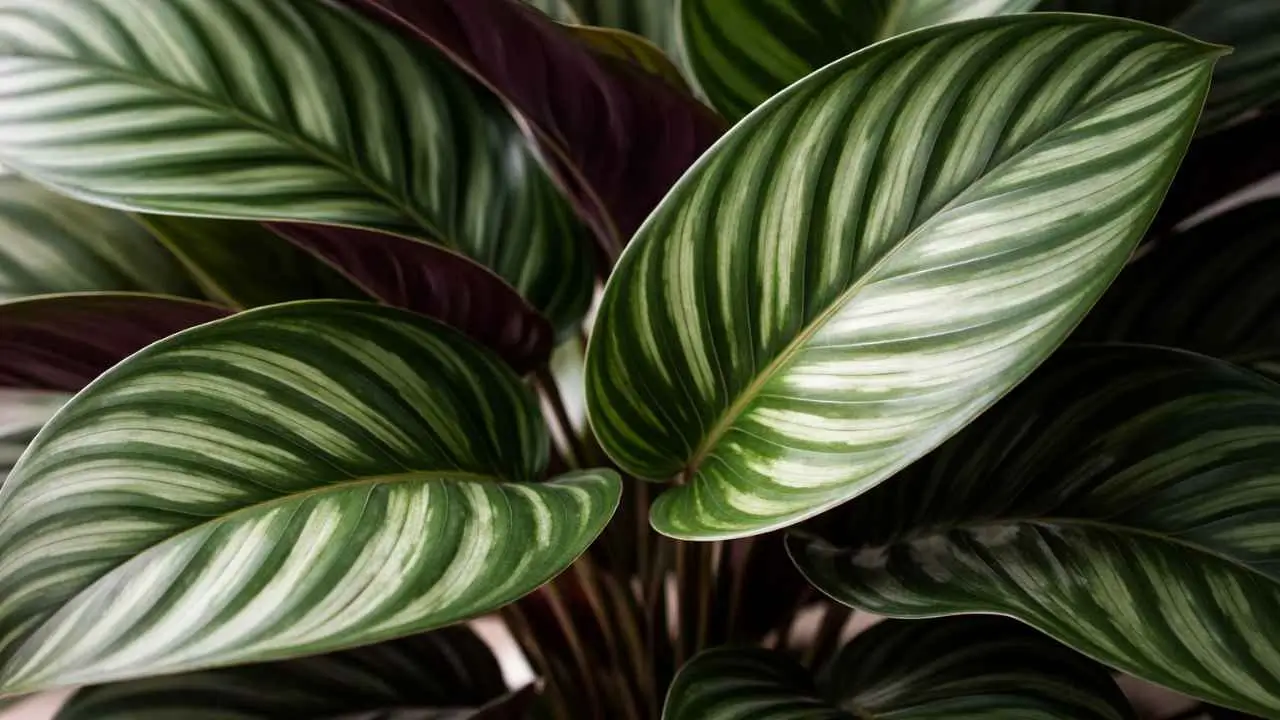
Plants in the Goeppertia genus are known for their ornamental leaves, which often display bold striping, feathered patterns, contrasting colors, and colored undersides. They typically have a clumping growth habit, shallow root systems, and leaves that respond to light by gently folding or lifting. These traits, combined with their preference for warm temperatures and high humidity, make them well-suited for indoor growing.
Plants with strong visual presence and structured foliage, such as manly plants and masculine plants, are also widely used to enhance modern indoor spaces.
Goeppertia Pronunciation
The correct pronunciation of Goeppertia is guh-PER-tee-uh or go-PER-tee-uh, depending on regional accents. A common mistake is pronouncing it as go-PEER-sha or go-PER-sha, which can lead to confusion when searching for care information or shopping for plants.
Correct pronunciation matters because nurseries, plant labels, and online retailers increasingly use the botanical name Goeppertia instead of calathea. Knowing how to say and recognize the name helps ensure accurate plant identification, prevents buying the wrong variety, and makes it easier to find reliable care guidance for these plants.
Goeppertia vs Calathea – What’s the Difference?
The difference between Goeppertia and Calathea lies in botanical classification, not in how the plants look or grow. Calathea was historically used as a broad genus name for many prayer plants with decorative foliage. However, modern botanical research refined this grouping, and many species were reassigned to the genus Goeppertia. Today, Goeppertia is the scientifically correct name, while calathea continues to function as a familiar common name.
In practice, botanical naming follows scientific accuracy, while common usage follows familiarity and market recognition. Growers, nurseries, and retailers still use “calathea” widely because it is well-known, easier to remember, and strongly associated with ornamental indoor plants. As a result, both names often appear together on plant tags, websites, and care guides.
Why Calathea Plants Were Reclassified as Goeppertia
The reclassification of calathea plants into Goeppertia occurred after genetic and morphological studies showed clear differences within the original Calathea group. Researchers found that many species were more closely related to each other than to true Calathea species, prompting a taxonomic update to better reflect their evolutionary relationships.
This scientific change does not affect plant care. Light, watering, humidity, soil, and temperature needs remain the same as before. The reclassification only corrected naming accuracy, meaning growers and plant owners can continue caring for their plants exactly as they always have—regardless of whether the label says calathea or goeppertia.
Popular Types of Goeppertia (Former Calathea Plants)
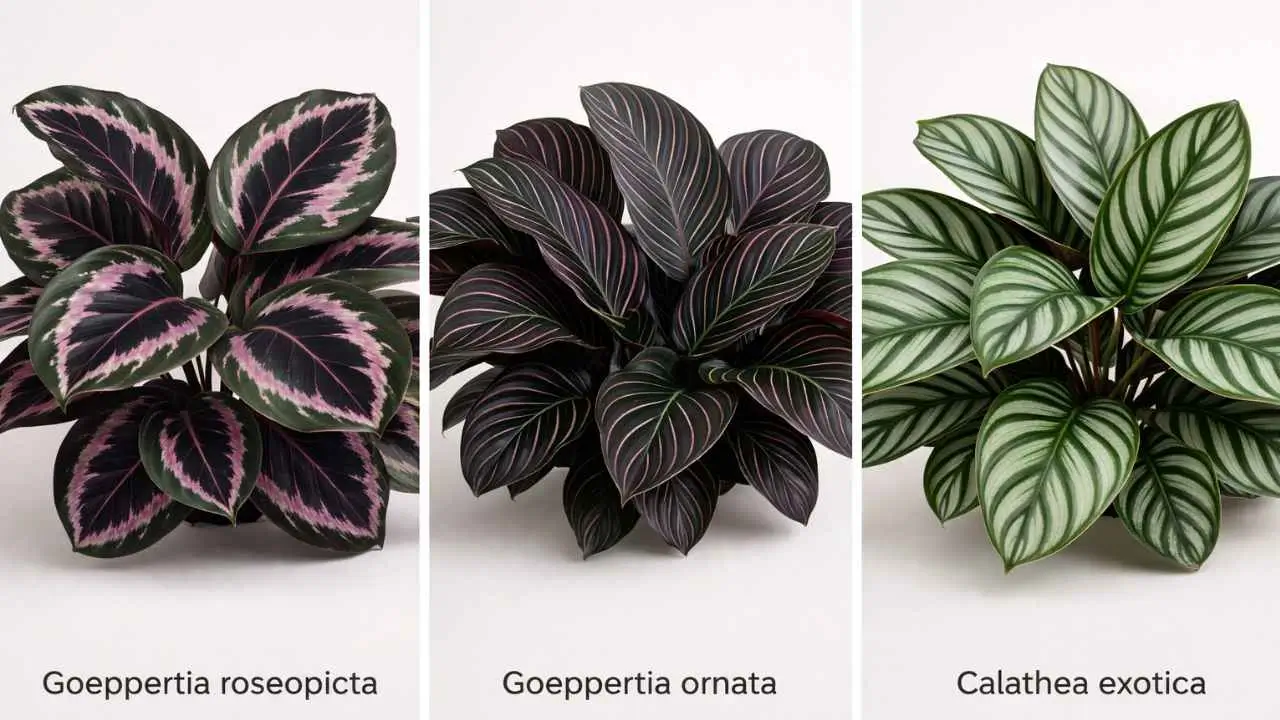
Goeppertia includes several popular houseplant varieties that were once grouped under calathea. These plants are mainly grown for their decorative foliage rather than flowers. Each variety offers distinct leaf colors, patterns, and textures, making them highly desirable for indoor plant styling. While their care needs are similar, visual differences help plant owners choose varieties that best match their space and aesthetic preferences.
Goeppertia Roseopicta
Goeppertia roseopicta is known for its broad, oval leaves with dramatic patterning and deep color contrast. The foliage often features dark green margins with lighter centers highlighted by pink, cream, or silver markings. The undersides of the leaves usually display a rich purple tone, adding to its ornamental value.
This plant grows in a compact, clumping form and maintains a tidy appearance indoors. Its bold foliage makes it a popular choice for tabletops, shelves, and decorative pots, especially in spaces with indirect light and consistent humidity.
Goeppertia Ornata
Goeppertia ornata is easily recognized by its elegant pinstripe leaf pattern. Thin, light-colored lines run parallel across dark green leaves, creating a refined and structured look. The leaf undersides are typically reddish or purple, enhancing visual depth.
This variety is a favorite houseplant because of its striking symmetry and graceful leaf movement. It adds a polished, decorative feel to indoor spaces and is commonly used as a statement plant in living rooms and offices.
Calathea Exotica
Calathea exotica stands out for its unique leaf coloration, featuring broad, pale green centers framed by darker green borders and feathered markings. The contrast between the inner and outer leaf zones gives it a soft yet eye-catching appearance.
Although still commonly sold under the name calathea exotica, this plant fits within the Goeppertia group following reclassification. It shares the same growth habits and indoor preferences as other goeppertia varieties, making it an attractive option for collectors seeking variety without changing care routines.
Goeppertia Roseopicta Care Guide
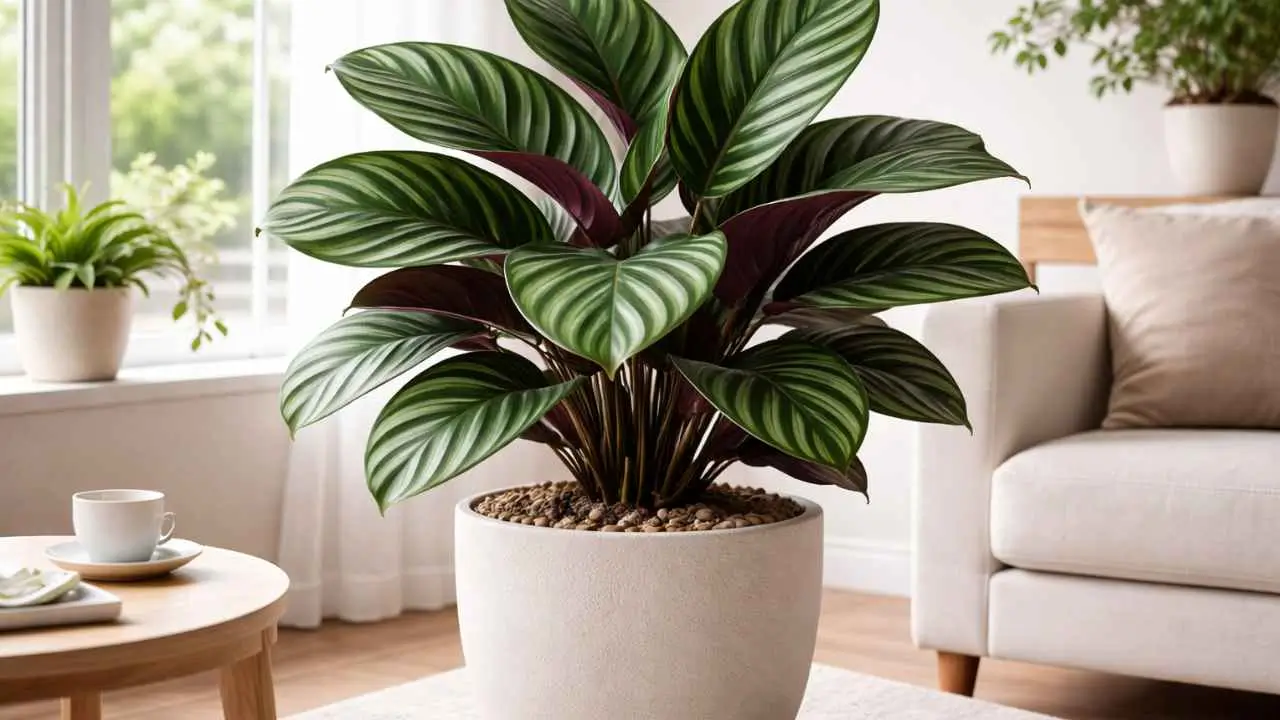
Goeppertia roseopicta requires stable indoor conditions to maintain healthy foliage and strong leaf color. Consistency in light, moisture, humidity, and temperature is essential, as this plant reacts quickly to environmental stress.
Light requirements
- Prefers bright, indirect light
- Direct sunlight can fade leaf patterns and scorch foliage
- Low light slows growth and reduces color contrast
Maintaining proper light, humidity, and watering balance becomes much easier when you understand the fundamentals explained in a complete gardening and plant care guide, especially for sensitive indoor foliage plants.
Watering needs
- Keep soil evenly moist but never soggy
- Water when the top inch of soil feels slightly dry
- Overwatering can lead to root rot, while underwatering causes leaf curling
Humidity preferences
- Thrives in high humidity levels
- Dry air often results in brown leaf edges
- Performs best in bathrooms, kitchens, or rooms with a humidifier
Soil type and drainage basics
- Use a well-draining, airy potting mix
- Soil should retain moisture without compacting
- Pots must have drainage holes to prevent water buildup
Temperature sensitivity
- Grows best in warm indoor temperatures
- Sensitive to cold drafts and sudden temperature drops
- Avoid placing near air conditioners, heaters, or drafty windows
Common Problems With Calathea Goeppertia
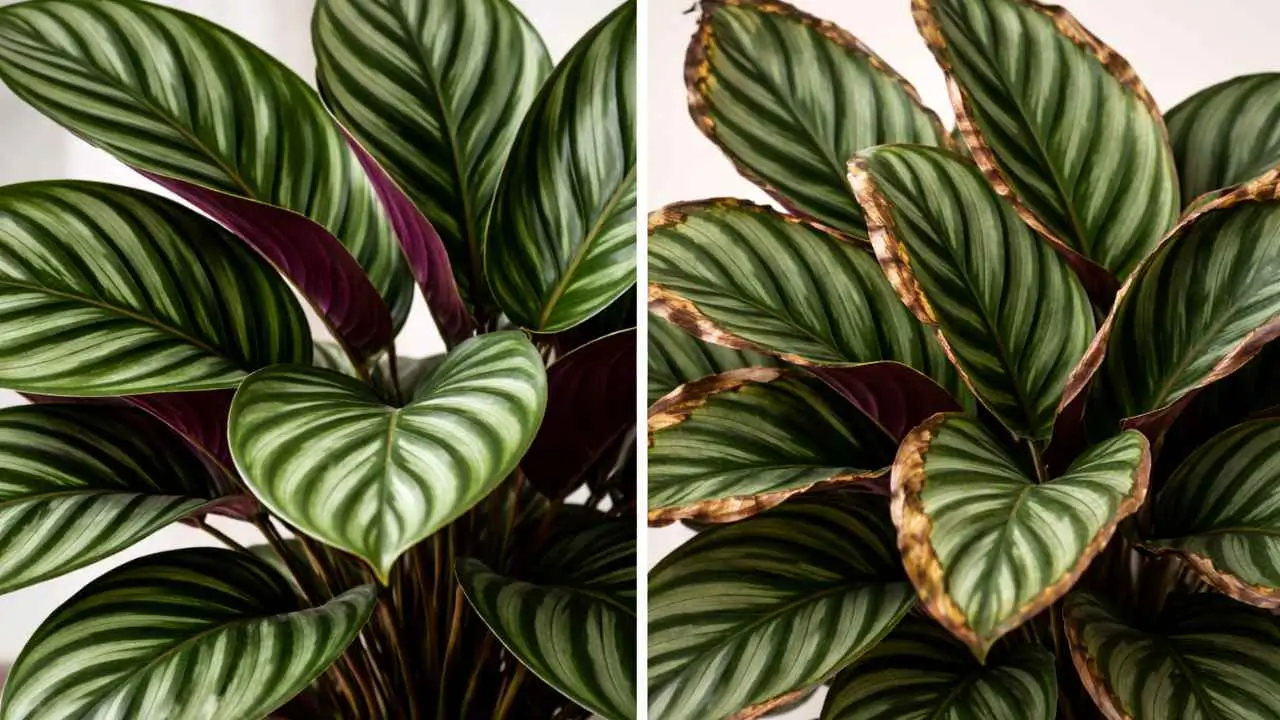
Calathea goeppertia is sensitive to environmental changes, and stress often appears quickly through visible leaf issues. Identifying early warning signs helps prevent long-term damage and improves recovery chances.
Early signs of stress
- Leaf curling, especially along the edges
- Brown or crispy leaf tips
- Yellowing leaves or dull coloration
- Drooping or slowed leaf movement
Environmental causes vs care mistakes
- Low humidity is a leading environmental cause of browning and curling
- Inconsistent watering is a common care-related issue
- Cold drafts, heat vents, or sudden temperature changes trigger stress
- Excessive light or direct sun can scorch leaves, while very low light weakens growth
How to Save a Dying Calathea Plant
Leaf curling and browning causes
- Curling usually indicates dehydration, low humidity, or root stress
- Browning edges often result from dry air, mineral-heavy water, or inconsistent moisture
Overwatering vs underwatering signs
- Overwatering leads to yellow leaves, soggy soil, and a musty smell
- Underwatering causes dry soil, curled leaves, and crispy edges
- Check soil moisture regularly to avoid extremes
Humidity correction steps
- Increase humidity using a humidifier or pebble tray
- Group plants together to create a humid microclimate
- Keep the plant away from dry indoor air sources
Light and placement adjustments
- Move the plant to bright, indirect light
- Avoid direct sun exposure near windows
- Choose a stable indoor spot with minimal temperature fluctuations
Indoor Growing Tips for Healthy Calathea Goeppertia
Creating a stable indoor environment is key to keeping calathea goeppertia healthy and visually attractive. Small adjustments in placement, water quality, and seasonal care make a noticeable difference in long-term plant health.
Ideal room placement
- Place in bright, indirect light near a window with filtered sunlight
- Avoid areas with strong drafts, heating vents, or air conditioners
- Choose rooms with naturally higher humidity, such as bathrooms or kitchens
Other indoor plants such as the areca plant are also well known for improving indoor comfort and adapting well to similar humidity conditions.
Water quality (tap vs filtered)
- Sensitive to chemicals and mineral buildup in tap water
- Filtered, distilled, or rainwater helps prevent leaf browning
- If using tap water, let it sit overnight before watering
Importance of consistent humidity
- Requires consistently high humidity to prevent stress
- Fluctuating humidity levels cause curling and dry leaf edges
- Regular misting or a humidifier supports healthy leaf development
Seasonal care adjustments
- Reduce watering frequency slightly during cooler months
- Maintain humidity levels even in winter when indoor air is dry
- Keep the plant away from cold windows and sudden temperature changes
Conclusion
Calathea goeppertia represents a beautiful group of foliage plants that combine striking leaf patterns with a clear, updated botanical identity. Although the name has shifted from calathea to goeppertia in scientific classification, the plant’s care requirements and ornamental value remain unchanged. With proper light, consistent watering, high humidity, and stable temperatures, these plants thrive indoors and reward growers with vibrant, expressive foliage. For beginners, understanding the name change helps reduce confusion and builds confidence when following care advice. By focusing on correct identification and maintaining consistent care habits, plant lovers and collectors can enjoy healthy, long-lasting calathea goeppertia plants as elegant additions to their indoor spaces.
FAQs
Is calathea goeppertia the same as calathea?
Yes, calathea goeppertia refers to plants that were previously classified under the Calathea genus. The plants themselves did not change—only the scientific name was updated. Many growers and retailers still use “calathea” as a common name.
Why was calathea renamed to goeppertia?
Calathea was renamed to goeppertia after genetic and botanical studies showed that many species were more accurately grouped under the Goeppertia genus. This reclassification improved scientific accuracy but did not affect how the plants look or grow.
Is goeppertia harder to care for than calathea?
No, goeppertia is not harder to care for than calathea. Since they are the same plants under different names, their care requirements—light, water, humidity, and temperature—remain exactly the same.
Can goeppertia grow in low light?
Goeppertia can tolerate low light, but growth may slow and leaf patterns may become less vibrant. For best results, bright indirect light is recommended to maintain healthy foliage and strong coloration.
Why do calathea goeppertia leaves curl or brown?
Leaf curling or browning is usually caused by low humidity, inconsistent watering, poor water quality, or temperature stress. Maintaining stable humidity, using filtered water, and avoiding drafts helps prevent these issues.

Written by the LeafyHeaven Editorial Team
LeafyHeaven shares practical gardening tips and simple plant care guides to help you grow, nurture, and enjoy your plants with ease. Our goal is to make gardening feel natural, approachable, and rewarding for everyone.



[…] Read Also: 5+ Powerful Facts About Calathea Goeppertia You’ll Love […]