
Introduction
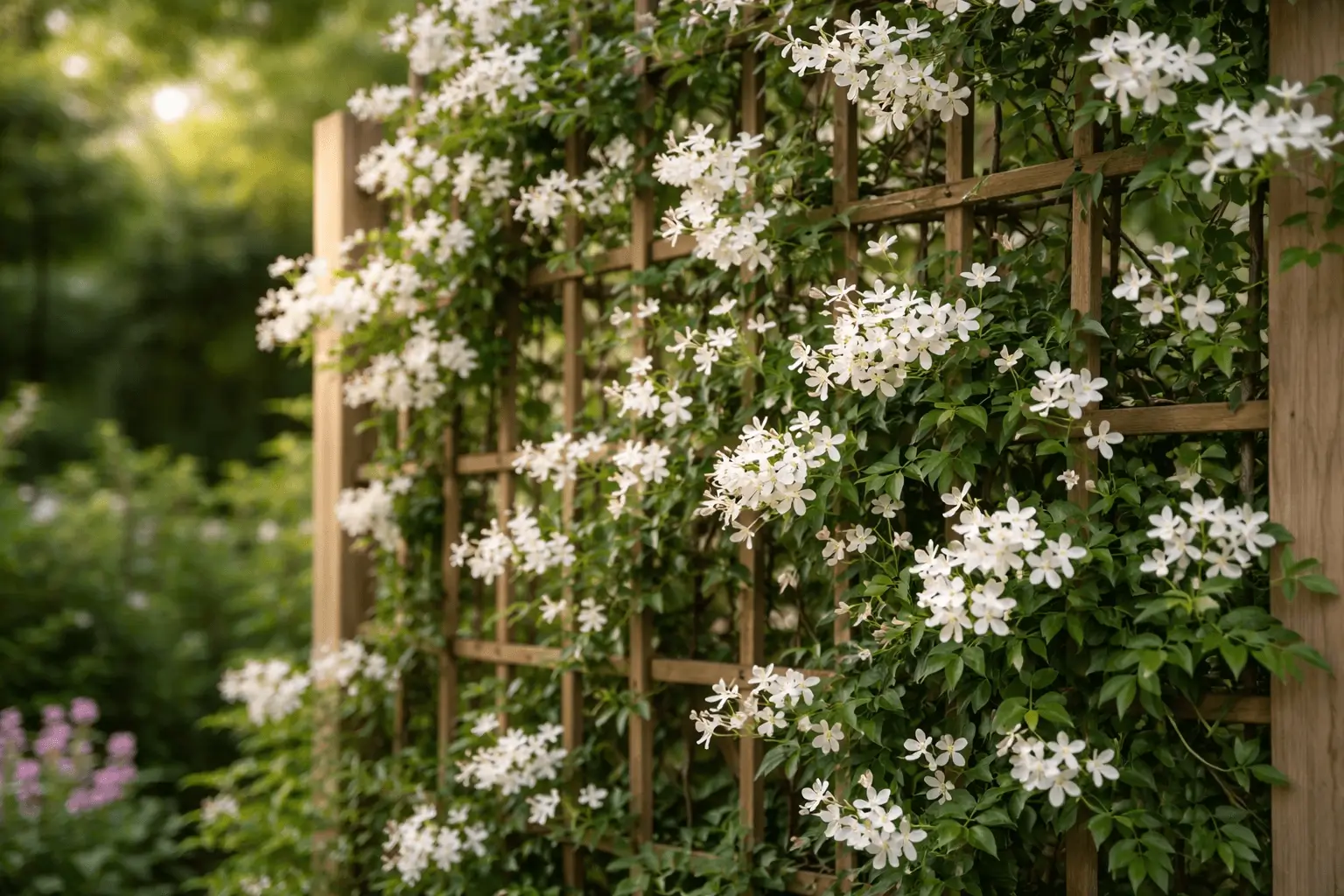
Common jasmine is a classic fragrant flowering plant admired for its delicate blooms and unmistakable scent. Grown across many regions, the common jasmine plant is valued for both ornamental beauty and sensory appeal. Its climbing habit, soft green foliage, and star-shaped flowers make it a favorite choice for gardens, patios, and landscape features such as trellises and fences. The common jasmine flower is especially appreciated for its strong aroma, which intensifies during the evening and adds a calming, natural fragrance to outdoor spaces. As a well-known jasmine fragrance plant, it has remained popular for generations, blending visual elegance with an atmosphere-enhancing scent that few flowering plants can match.
What Is Common Jasmine?
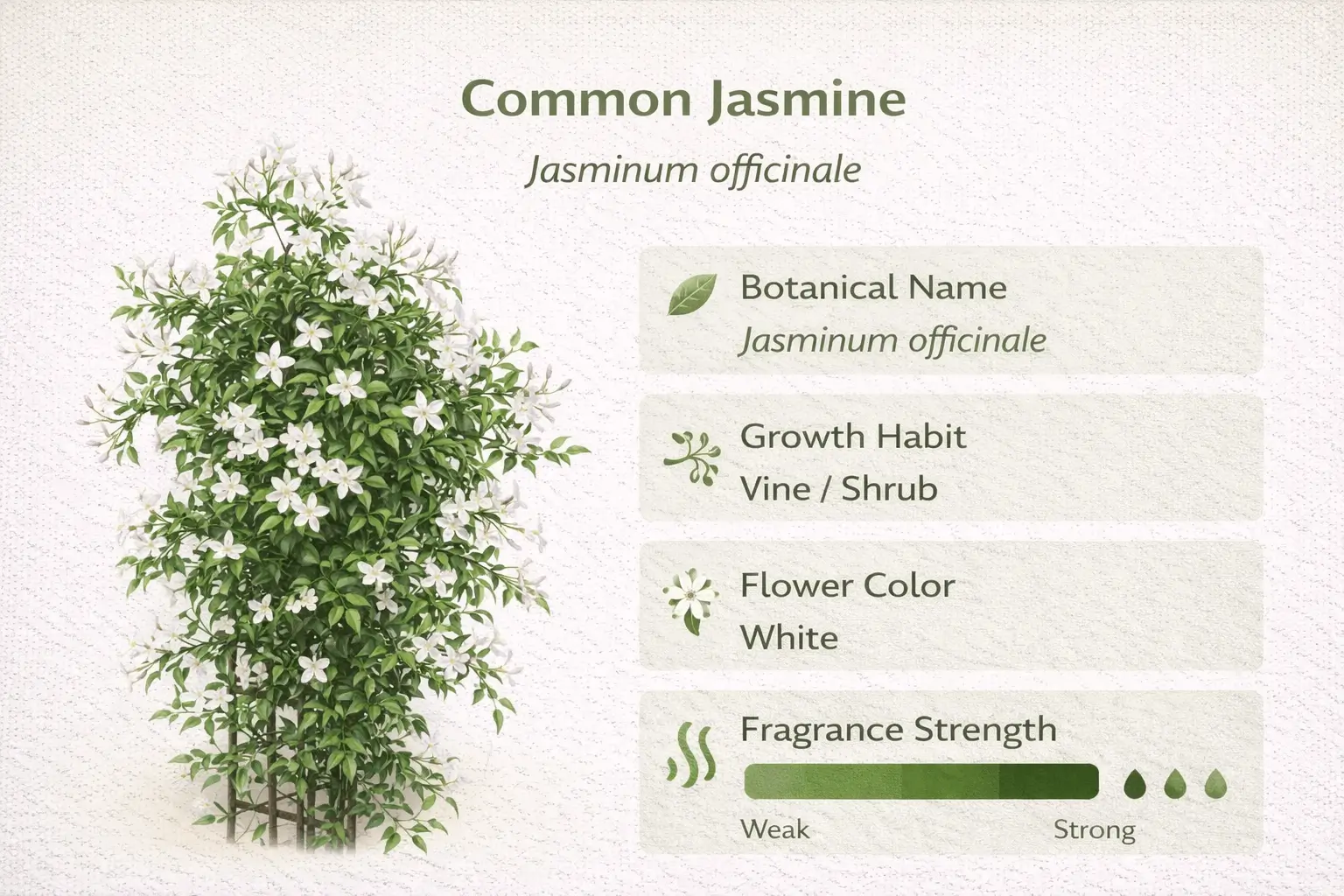
Common jasmine is a flowering plant widely recognized for its white, fragrant blooms and climbing growth habit. It belongs to the broader jasmine plant group, which includes many species with varying growth forms, flower colors, and scent strength. While jasmine as a group covers dozens of species, common jasmine refers to a specific type known for its traditional fragrance and ornamental use.
The botanical name of jasmine varies by species, but common jasmine is distinct from other jasmine types often confused with it. The term jasmine jasminum is commonly used to describe plants within the Jasminum genus, yet not all Jasminum plants share the same characteristics or cultural importance as common jasmine.
Botanical Name and Classification
The scientific identification of common jasmine is jasminum officinale, a species belonging to the Oleaceae family. The jasminum officinale plant is known for its climbing or sprawling growth and highly aromatic flowers. As a jasminum plant, it represents the classic jasmine form that has influenced how people recognize and describe jasmine worldwide.
Common Jasmine Plant Characteristics
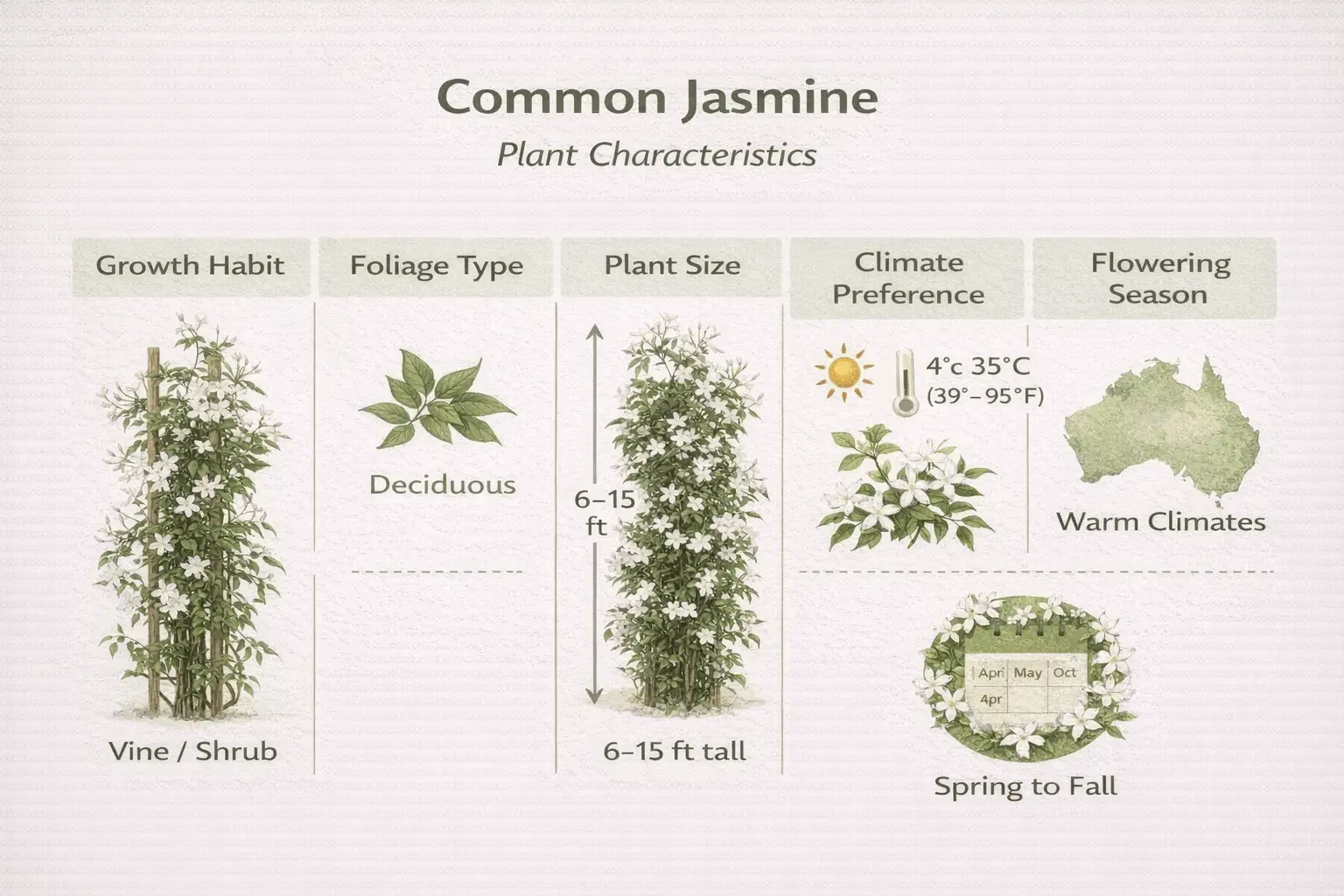
Common jasmine plants typically grow as climbing vines or loosely structured shrubs, depending on how they are trained. With proper support, they can reach several meters in length, making them ideal for walls, arches, and pergolas. The foliage consists of soft green, compound leaves that provide a lush backdrop for the flowers.
This flowering jasmine prefers mild to warm climates and performs best in well-drained soil with ample sunlight. While adaptable, it thrives in conditions where temperatures are moderate and frost exposure is minimal.
Common Jasmine Flower Description
The common jasmine flower is usually small, star-shaped, and produced in clusters. Its most recognizable feature is the white jasmine flower color, which contrasts beautifully with the plant’s green foliage. Blooming typically occurs from late spring through summer, although timing can vary by climate. The fragrance is rich, sweet, and long-lasting, especially noticeable during evening hours.
Fragrance and Uses of Common Jasmine
Common jasmine is widely known as a jasmine fragrance plant because of its intense natural scent. The aroma comes from essential oils concentrated in the flowers, making them highly valued beyond ornamental gardening.
Uses include:
- Garden planting for natural fragrance
- Ingredient source for perfumes and scented oils
- Cultural and ceremonial decoration in various regions
Why Common Jasmine Is So Fragrant
The strong scent of common jasmine comes from natural aromatic oils released more actively at night. Compared to other jasmine types, common jasmine has a more classic, balanced fragrance that is neither overly sharp nor faint, making it especially desirable for both gardens and fragrance-related uses.
Types and Varieties of Jasmine Plants
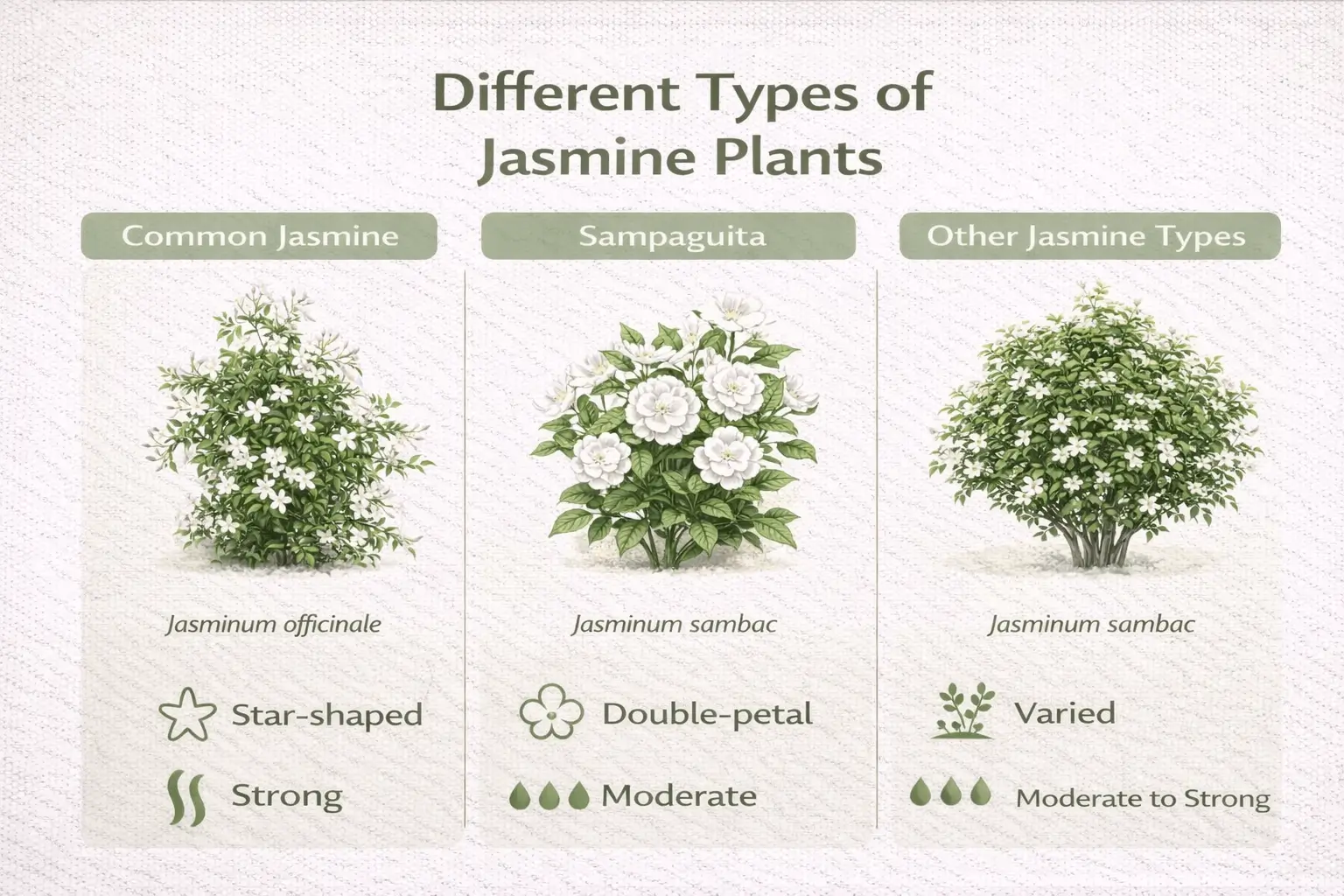
Jasmine plants include a wide range of species that differ in growth habit, flower color, and scent intensity. Common jasmine is just one type among many, though it remains one of the most recognizable.
Popular Jasmine Plant Types
At a high level, jasmine types include:
- Climbing jasmine species
- Shrub-form jasmine species
- Day-blooming and night-blooming jasmine
These categories help explain the diversity found among types of jasmine plants, even though they share a common genus.
Jasmine Plant Varieties
Jasmine plant varieties differ mainly in:
- Flower size and shape
- Fragrance strength
- Growth form and spread
These differences help gardeners choose suitable jasmine varieties based on space, climate, and fragrance preference.
Jasmine Varieties With Pictures (Content Placement Note)
In a full article layout, this section is ideal for visual support. Image sections can be added to showcase jasmine plant varieties pictures, jasmine varieties pictures, and jasmine varieties with pictures to help readers visually identify differences among varieties.
Common Jasmine vs Sampaguita
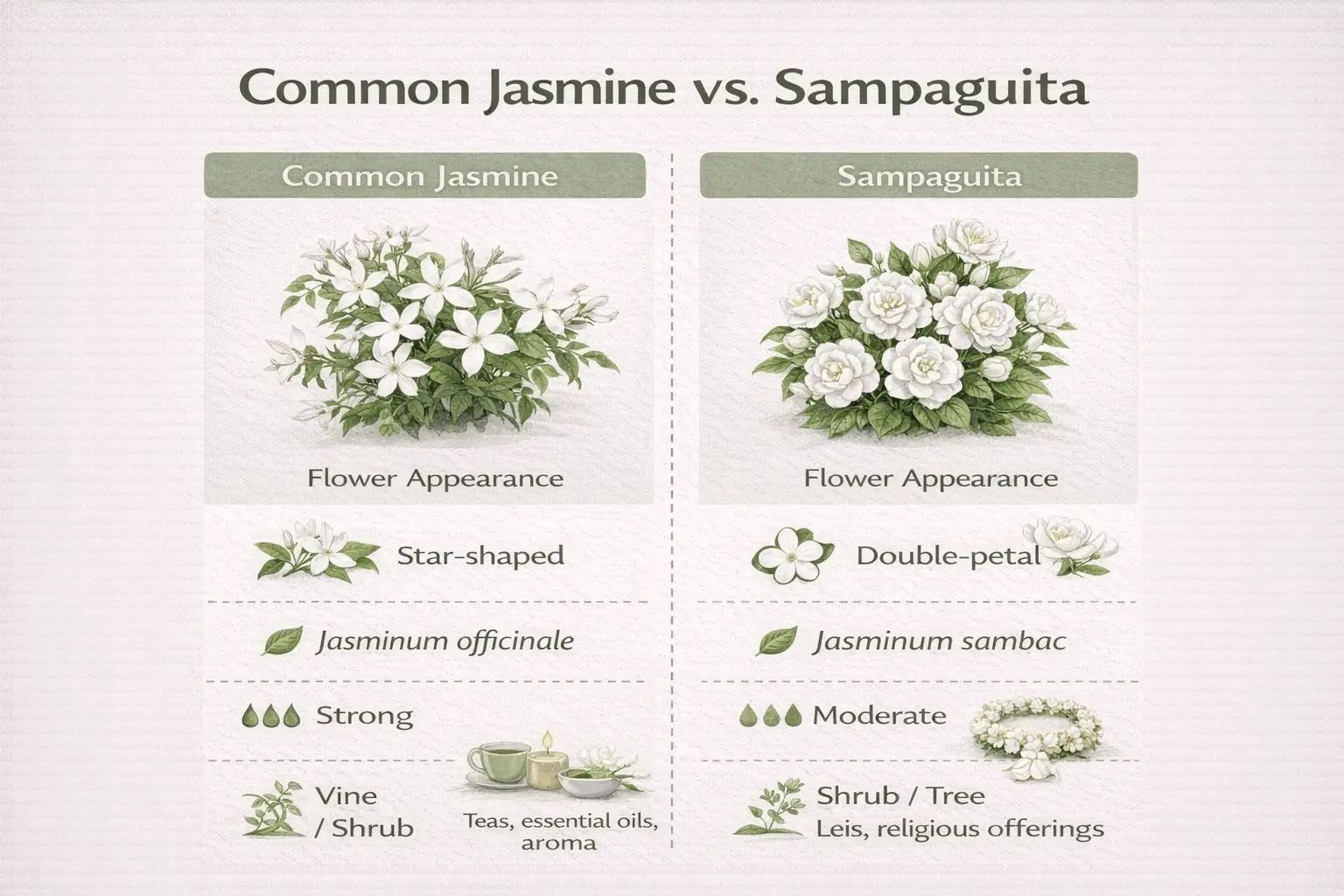
Common jasmine and sampaguita are often confused due to their similar appearance and fragrance, but they are distinct plants with different botanical identities and cultural roles.
What Is Sampaguita?
Sampaguita is botanically known as jasminum sambac sampaguita. The sampaguita flower is smaller, with thicker petals, and is often used fresh in garlands. Sampaguita flowers are especially significant in cultural and ceremonial contexts.
Sampaguita in the Philippines
Sampaguita holds deep cultural importance in the Philippines. Commonly referred to as sampaguita philippines, it is widely used in religious offerings and decorations. Sampaguita in English is often described as Arabian jasmine, though its cultural identity is uniquely Filipino.
National Flower of the Philippines Explained
Many readers seek clarity on jasmine’s national symbolism, particularly in relation to the Philippines.
What Is the National Flower of the Philippines?
The national flower of Philippines is sampaguita. Officially recognized as the national flower of the Philippines, it represents purity, humility, and strength. Often referred to as the Philippines national flower or Philippine national flower, sampaguita answers the common question: what is the national flower of the Philippines.
How Common Jasmine Differs From Other Jasmine Varieties
Common jasmine differs from other jasmine plant types in its climbing habit, classic white flowers, and balanced fragrance. Compared to other jasmine plant varieties, it offers a traditional scent profile and versatile growth, making it suitable for both ornamental and functional planting.
Why Grow Common Jasmine in Your Garden
Common jasmine adds visual softness and elegance to outdoor spaces. Its fragrance enhances garden atmosphere naturally, especially in the evening. From a practical perspective, it is relatively easy to maintain at a high level, making it accessible to both beginner and experienced gardeners.
Conclusion
Common jasmine stands out for its timeless beauty, rich fragrance, and versatility. Understanding how it differs from other jasmine varieties helps gardeners identify plants correctly and choose the right jasmine for their space. Explore more plant guides and jasmine varieties to deepen your knowledge and create a garden that matches your aesthetic and sensory goals.
Read Also: 7+ Proven Reasons to Grow a Dwarf Mulberry Tree at Home
FAQs
What is common jasmine best known for?
Common jasmine is best known for its white, fragrant flowers and classic climbing growth habit.
Is common jasmine the same as sampaguita?
No, common jasmine and sampaguita are different species with distinct botanical and cultural identities.
What is the botanical name of common jasmine?
The botanical name of common jasmine is jasminum officinale.
Are all jasmine flowers white and fragrant?
Not all jasmine flowers are white, and fragrance strength varies by species.
What is the national flower of the Philippines and why?
Sampaguita is the national flower of the Philippines because it symbolizes purity and cultural heritage.
How many types of jasmine plants are there?
There are dozens of jasmine plant types and varieties within the Jasminum genus.

Written by the LeafyHeaven Editorial Team
LeafyHeaven shares practical gardening tips and simple plant care guides to help you grow, nurture, and enjoy your plants with ease. Our goal is to make gardening feel natural, approachable, and rewarding for everyone.

[…] Read Also: 7+ Powerful Facts About Common Jasmine That Gardeners Love […]