
Introduction
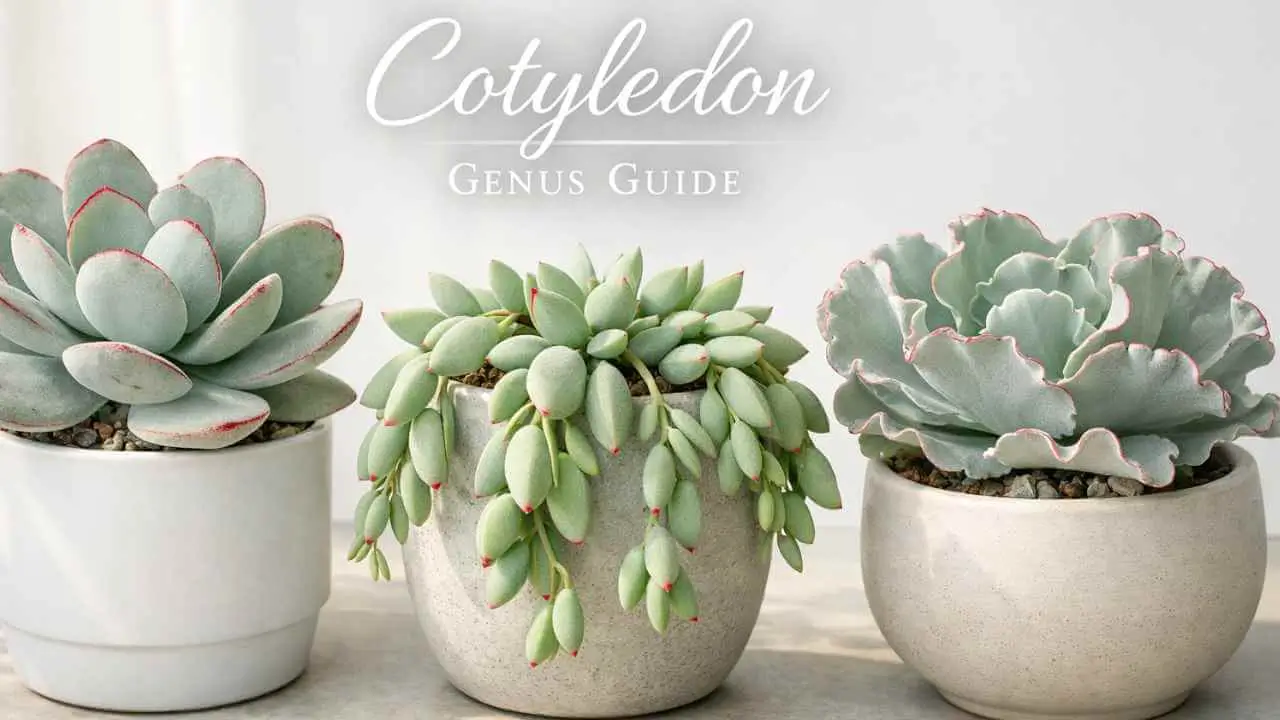
The cotyledon genus refers to a distinct group of succulent plants that often cause confusion because of their shared name with cotyledons in plant biology. In botanical terms, cotyledon can mean either a seed leaf involved in germination or a specific plant genus, and this overlap frequently puzzles readers. This article focuses only on the cotyledon plant genus, not seed anatomy. Cotyledon plants are fleshy, drought-tolerant succulents known for their thick leaves and ornamental appeal. The cotyledon genus is mainly native to South Africa, where these plants evolved to thrive in dry, rocky environments. Today, cotyledon plants are valued worldwide as low-maintenance houseplants and collectible succulents with unique forms and textures.
What Is the Cotyledon Genus?
Cotyledon Definition (Botanical Context)
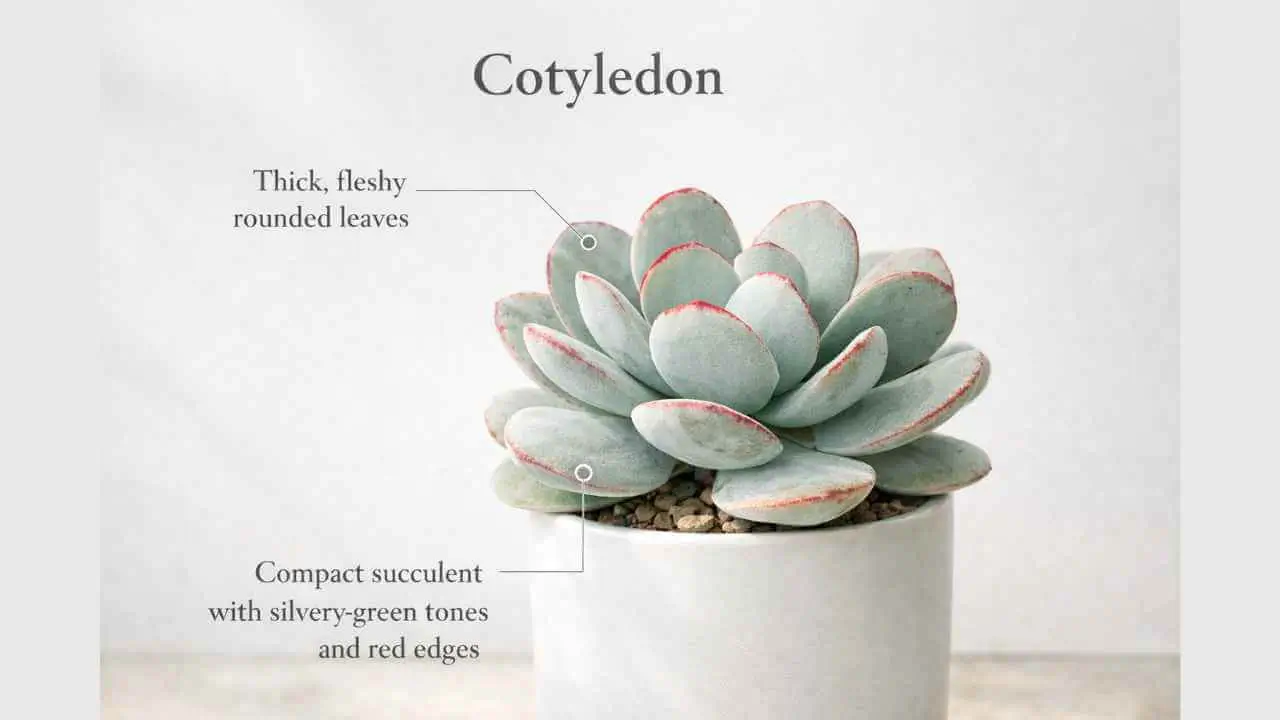
In plant taxonomy, the cotyledon genus refers to a recognized group of succulent plants classified within the Crassulaceae family. Here, the term cotyledon is used as a genus name, not as a reference to seed leaves. This is an important distinction because cotyledons in plants are the embryonic leaves that appear during seed germination, while the cotyledon genus represents mature, ornamental succulents. The shared terminology comes from early botanical naming, where leaf shape and form influenced genus names. In cotyledon succulents, the thick, rounded, leaf-like structures resemble seed leaves, which explains why the name “cotyledon” was adopted for this genus.
Cotyledon Plants Overview
Cotyledon plants are perennial succulents known for their fleshy leaves, compact to trailing growth habits, and strong drought tolerance. Most species develop thick, oval, paddle-shaped, or tubular leaves with a soft, waxy, or velvety texture designed to store water. Depending on the species, the cotyledon plant may grow as a small shrub, an upright clump, or a cascading form. These structural traits make cotyledon succulents especially appealing for indoor cultivation. Their slow growth, minimal watering needs, and sculptural appearance are key reasons why cotyledon plants are popular houseplants among beginners and experienced succulent collectors alike.
Cotyledon vs Cotyledons in Plants
What Are Cotyledons in Plants?
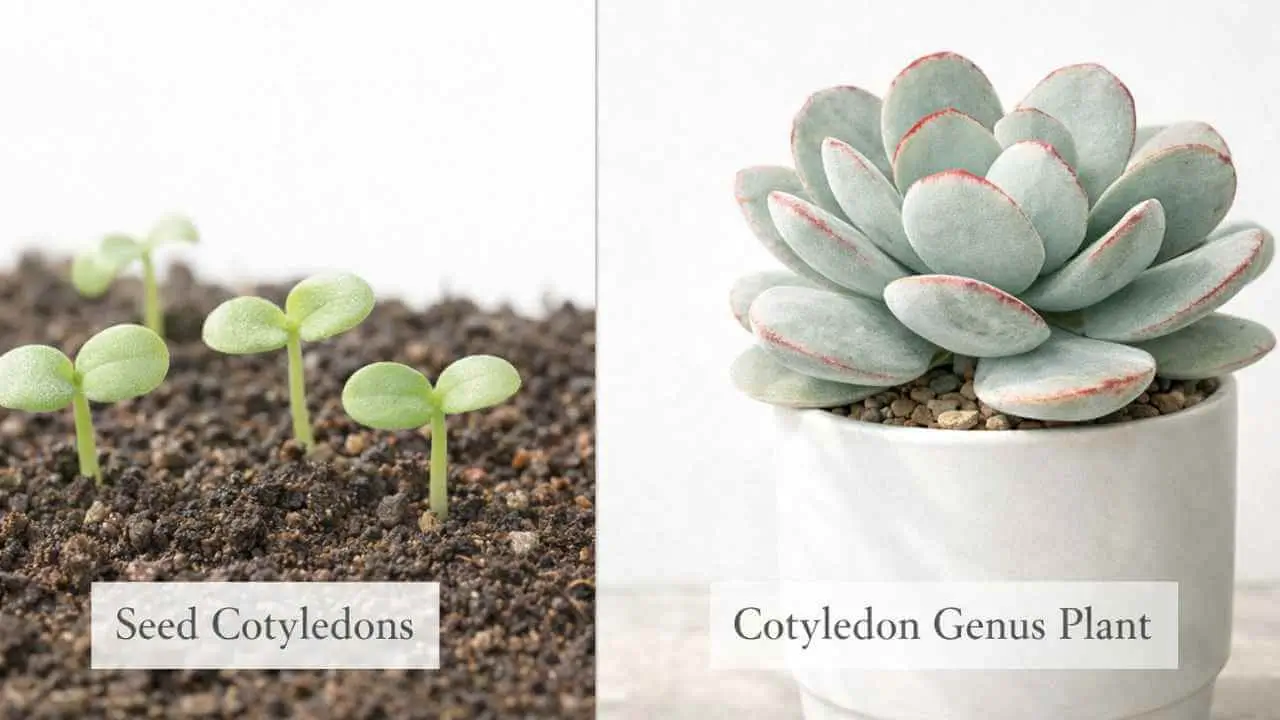
Cotyledons in plants are the first leaf-like structures that emerge from a seed during germination. Their main role is to support early seedling growth by supplying stored nutrients until true leaves develop and the plant can photosynthesize efficiently. Depending on the plant type, seeds may produce one cotyledon (monocots) or two cotyledons (dicots). These cotyledons are part of plant biology and are studied mainly in educational and scientific contexts. They are not ornamental and do not relate to houseplant cultivation, which helps distinguish them from the decorative cotyledon plant genus used in gardening and indoor plant collections.
What Is the Cotyledon of a Plant vs Cotyledon Genus
The cotyledon of a plant refers specifically to a seed leaf involved in early plant development, while the cotyledon genus refers to a group of mature succulent plants grown for ornamental purposes. One exists only during the germination stage, and the other represents fully developed plants with long-term growth and decorative value. Understanding this difference helps readers avoid common keyword confusion, especially when searching for care tips or plant identification. Recognizing whether the term cotyledon is being used in a biological or horticultural context ensures accurate information and prevents misunderstanding between seed anatomy and succulent plant species.
Popular Cotyledon Species
Cotyledon Orbiculata (Pig’s Ear Plant)
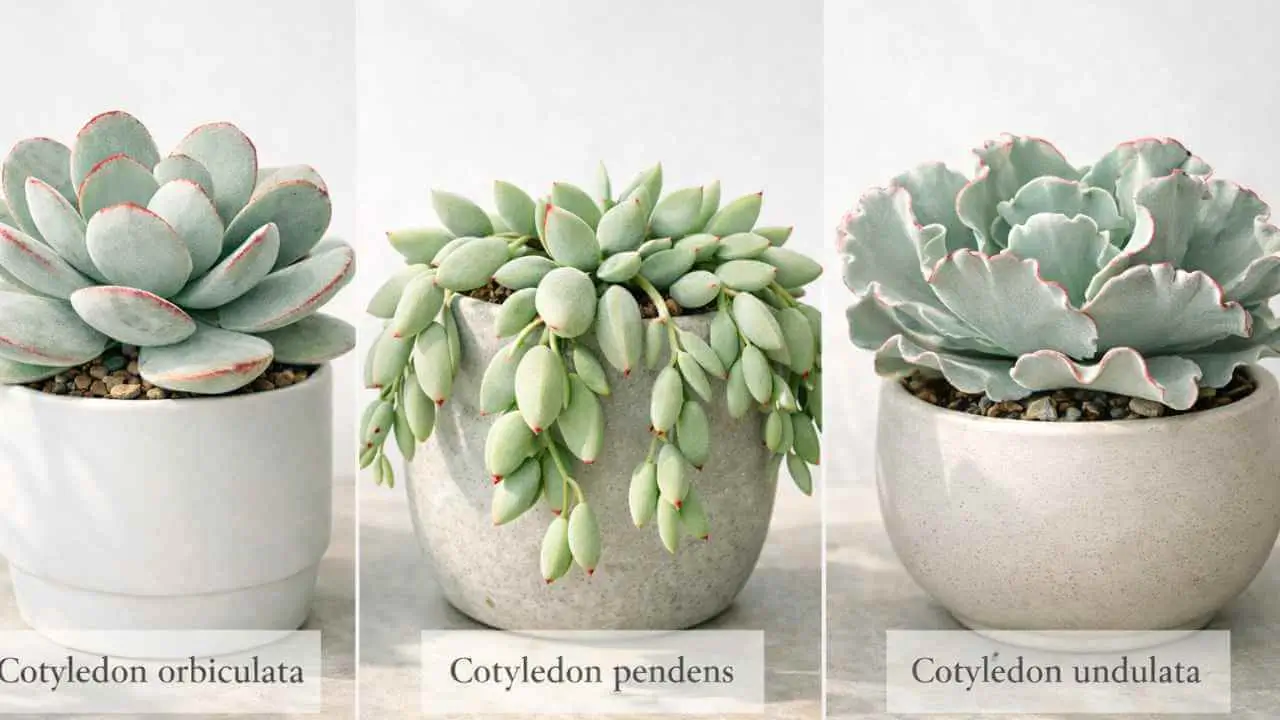
The cotyledon orbiculata plant is one of the most well-known and widely grown species within the cotyledon genus. It is commonly recognized for its thick, rounded leaves that resemble the shape of an animal’s ear, which explains the popular name pig’s ear plant. The leaves are usually gray-green to silvery blue, often edged with red or burgundy margins when exposed to bright light. As a cotyledon orbiculata succulent, it has excellent water-storage capacity, making it highly drought tolerant. Its upright to slightly spreading growth habit, combined with bold leaf color and form, makes it a standout ornamental succulent for pots and indoor displays.
Cotyledon Pendens (Cliff Cotyledon)
Cotyledon pendens is a distinctive species valued for its dramatic trailing growth. This cotyledon pendens succulent produces long, cascading stems covered with fleshy, elongated leaves, making it ideal for hanging baskets and elevated containers. The natural trailing habit of cliff cotyledon pendens is the reason it is often called a “cliff hanger,” as it resembles plants spilling over rocky ledges in its native habitat. Its growth pattern sets it apart from upright cotyledon species and adds strong visual movement to succulent collections.
Cotyledon Undulata
Cotyledon undulata is easily identified by its uniquely shaped leaves with pronounced wavy or rippled edges. The leaf surface often has a powdery coating that gives the plant a soft, sculptural appearance. Compared to cotyledon orbiculata, cotyledon undulata offers a more dramatic and artistic look due to its irregular leaf margins and upright form. This distinct structure makes it especially appealing to collectors who value unusual textures and bold visual contrast in succulent arrangements.
Cotyledon Papillaris & Choco Line
Cotyledon papillaris choco line is known for its striking leaf form and surface texture. The leaves are narrow, cylindrical, and often marked with darker lines or patterns that give the plant a textured, almost segmented appearance. These unique leaf patterns and textures distinguish it from broader-leaved cotyledon species. Cotyledon papillaris varieties are appreciated for their architectural look and are often chosen by enthusiasts seeking uncommon and visually intriguing succulents within the cotyledon genus.
Cotyledon Varieties & Cultivars
Variegated Cotyledon Orbiculata
Variegated cotyledon orbiculata is prized for its striking leaf coloration, which features creamy white, yellow, or pale green patterns layered over the standard gray-green base. This natural variegation adds strong visual contrast and makes each plant appear unique. The appeal of variegated forms lies in their decorative value, especially in container displays and bright indoor spaces. However, these plants are more care sensitive than solid-colored types. Because variegated leaves contain less chlorophyll, they require balanced light exposure to maintain color without scorching and benefit from more controlled watering to support steady, healthy growth.
Cotyledon Orbiculata Varieties
There are several cotyledon orbiculata varieties, each showing noticeable differences in appearance and growth behavior. Some cultivars develop larger, flatter leaves, while others produce more compact or slightly elongated foliage. Leaf color can range from soft blue-green to silvery gray, often with red, purple, or pink margins that intensify under bright light. Growth habits also vary, with certain orbiculata cultivars remaining low and compact, while others form upright, shrub-like structures. These differences allow growers to select orbiculata types based on space, aesthetic preference, and display style.
Cotyledon Species Overview
The cotyledon genus includes a diverse range of species adapted to dry environments, each with distinct leaf shapes, textures, and growth patterns. Some species grow upright with thick paddle-shaped leaves, while others trail or cascade with elongated foliage. Varieties within the genus differ in leaf surface texture, coloration, stem structure, and overall form. This natural diversity is what makes cotyledon species appealing to both beginners and collectors, offering multiple visual styles while maintaining similar low-maintenance characteristics across the genus.
Cotyledon Flowers & Blooming
Cotyledon Flowers Appearance
Cotyledon flowers are typically bell-shaped or tubular, growing on tall stalks that rise above the foliage. The most common flower colors include shades of orange, red, coral, yellow, and soft pink. Blooming usually occurs from late winter to spring, depending on species and growing conditions. These flowers are not only decorative but also functional, as their shape and bright coloration help attract natural pollinators such as bees and birds in outdoor settings. While flowering is not constant, healthy cotyledon plants often bloom annually once they reach maturity and receive adequate light.
Cotyledon Orbiculata Flower
The cotyledon orbiculata flower forms on long, upright flower stalks that emerge from the center of the plant. Each stalk carries clusters of tubular flowers, often orange-red with slightly flared tips. Flowering typically takes place in late winter or early spring. Compared to many other succulents, cotyledon orbiculata flowers are larger and more prominently displayed above the foliage. This elevated flower structure makes them visually distinct and adds seasonal interest without overwhelming the plant’s bold leaf form.
Cotyledon Pendens Flower
The cotyledon pendens flower develops in graceful, hanging clusters that follow the plant’s natural trailing habit. These flowers usually appear beneath the foliage, creating a cascading effect that enhances the plant’s appearance in hanging baskets and elevated pots. The drooping flower clusters add depth and movement, making cotyledon pendens especially attractive during the blooming period. When in flower, this species offers strong visual interest by combining trailing stems with suspended blooms, a feature less common among upright succulent varieties.
Cotyledon Care Guide
Light Requirements
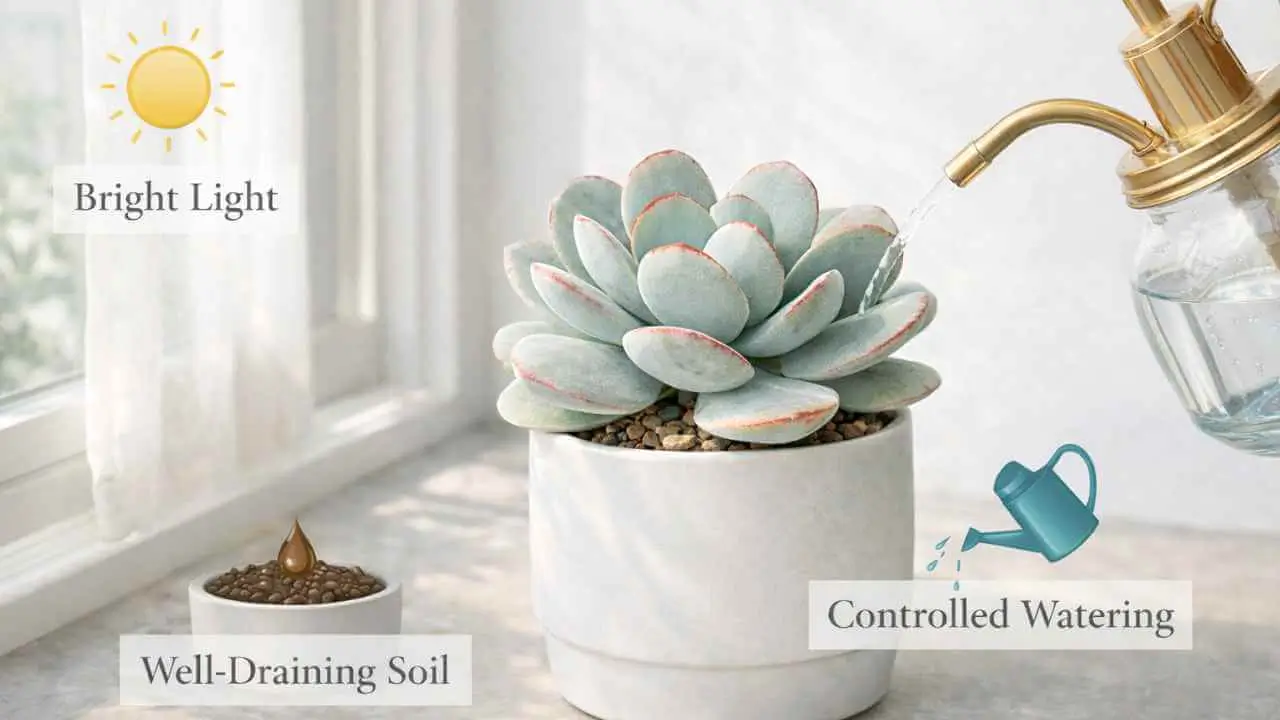
Cotyledon succulents grow best in bright, indirect light with several hours of gentle sunlight each day. Adequate light helps maintain compact growth, healthy leaf color, and strong stems. Indoors, a cotyledon plant performs well near a south- or east-facing window where it receives filtered sunlight. Outdoors, light morning sun with afternoon shade is ideal, especially in warmer climates. Too little light can cause stretched growth, while harsh direct sun may lead to leaf scorching, making balanced placement essential for long-term health.
Managing light and overall plant conditions becomes much easier when you understand the fundamentals explained in a complete gardening and plant care guide, especially for indoor succulents.
Watering & Soil Needs
Proper watering is critical for healthy cotyledon plants. These succulents prefer a deep but infrequent watering schedule, allowing the soil to dry out completely between waterings. Overwatering is a common issue and can quickly damage roots. Using a well-draining soil mix specifically designed for succulents or cacti helps prevent excess moisture retention.
Understanding how roots respond to excess moisture, such as in the firestick plant root system, can help avoid common watering mistakes.
Containers should always have drainage holes to allow water to escape freely, reducing the risk of soggy soil and root problems.
Cliff Cotyledon Care
Cliff cotyledon care requires special attention due to the trailing nature of these varieties. Trailing stems benefit from good air circulation and slightly elevated positioning to prevent moisture buildup around the roots. Hanging baskets or raised pots work best for these plants. To prevent root rot, watering should be even more controlled, ensuring the soil dries fully between cycles. Light, fast-draining soil combined with careful watering helps trailing cotyledon varieties stay healthy and maintain their cascading growth habit.
Why Grow Cotyledon Succulents?
- Low-maintenance benefits
Cotyledon succulents are easy to care for and do not require frequent watering or complex maintenance routines. Their ability to store water in thick leaves allows them to tolerate dry periods, making them suitable for busy plant owners or low-effort indoor gardening. - Decorative value
The bold leaf shapes, soft textures, and varied growth forms of cotyledon plants add strong visual interest to any space. Whether placed on windowsills, shelves, or in hanging baskets, they enhance indoor décor with a clean, sculptural look.Other indoor plants such as the spider plant varieties are also popular for enhancing interior spaces with unique textures and adaptable growth.
- Ideal for beginners and collectors
Cotyledon plants are forgiving and adaptable, which makes them perfect for beginners learning succulent care. At the same time, the wide range of species and cultivars attracts collectors who enjoy growing unique and visually distinctive plants.
Conclusion
The cotyledon genus stands out for its combination of visual appeal, resilience, and ease of care. With thick, sculptural leaves, varied growth habits, and seasonal flowering, cotyledon plants offer long-term ornamental value without demanding maintenance. Exploring different cotyledon varieties allows growers to experience the diversity within the genus, from upright forms to trailing species with unique textures. Whether you are new to succulents or expanding an existing collection, cotyledon plants provide a rewarding opportunity to grow, display, and enjoy distinctive succulents in both indoor and outdoor settings.
FAQs
What is the cotyledon genus in plants?
The cotyledon genus refers to a group of succulent plants in the Crassulaceae family that are grown for ornamental purposes and valued for their thick leaves and drought tolerance.
Is cotyledon a succulent plant?
Yes, a cotyledon plant is a type of succulent. It stores water in its leaves, requires well-draining soil, and thrives with minimal watering.
What are the most popular cotyledon species?
Commonly grown species include cotyledon orbiculata, cotyledon pendens, cotyledon undulata, and cotyledon papillaris, each offering distinct leaf shapes and growth habits.
How do cotyledon plants differ from seed cotyledons?
Cotyledon plants are mature ornamental succulents, while seed cotyledons are temporary embryonic leaves that support early seedling growth during germination.
Is cotyledon orbiculata easy to grow indoors?
Yes, cotyledon orbiculata is considered easy to grow indoors when provided with bright light, controlled watering, and well-draining soil.

Written by the LeafyHeaven Editorial Team
LeafyHeaven shares practical gardening tips and simple plant care guides to help you grow, nurture, and enjoy your plants with ease. Our goal is to make gardening feel natural, approachable, and rewarding for everyone.




[…] Read Also: 7 Fascinating Facts About the Cotyledon Genus […]