
Introduction
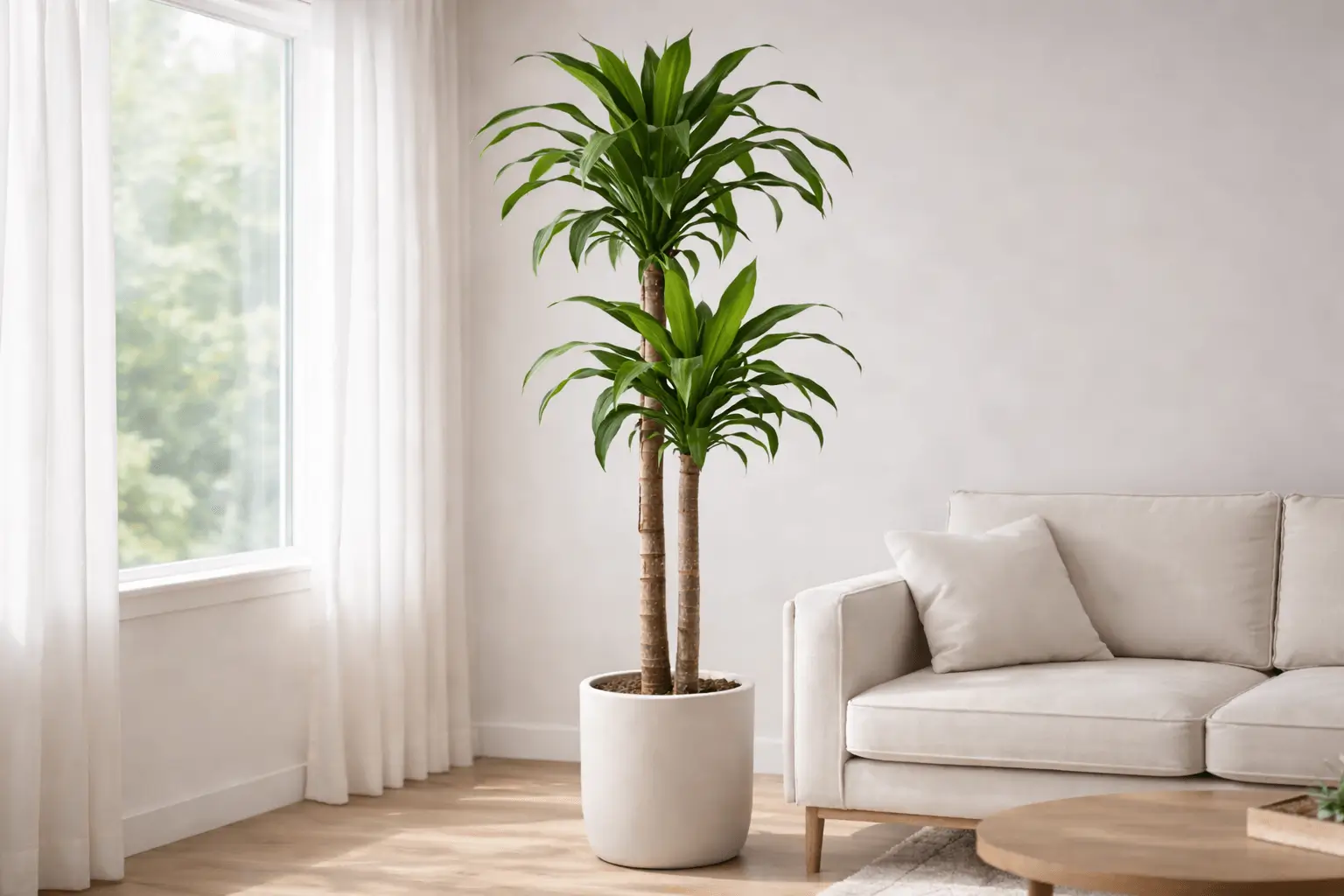
Dracaena fragrans is one of the most popular indoor houseplants thanks to its elegant cane-like stems, arching green leaves, and easy-care nature. Commonly known as the corn plant, cornstalk dracaena, or fragrant dracaena, this plant is widely grown in homes and offices around the world. Native to tropical regions, dracaena fragrans adapts exceptionally well to indoor environments, tolerating low light, irregular watering, and typical household conditions. Its upright growth habit makes it ideal for filling empty corners, while its long-lasting foliage adds a clean, modern look to interior spaces. For beginners and experienced plant owners alike, dracaena fragrans offers reliable beauty with minimal maintenance.
What Is Dracaena Fragrans?
Dracaena Fragrans Common Name & Scientific Name
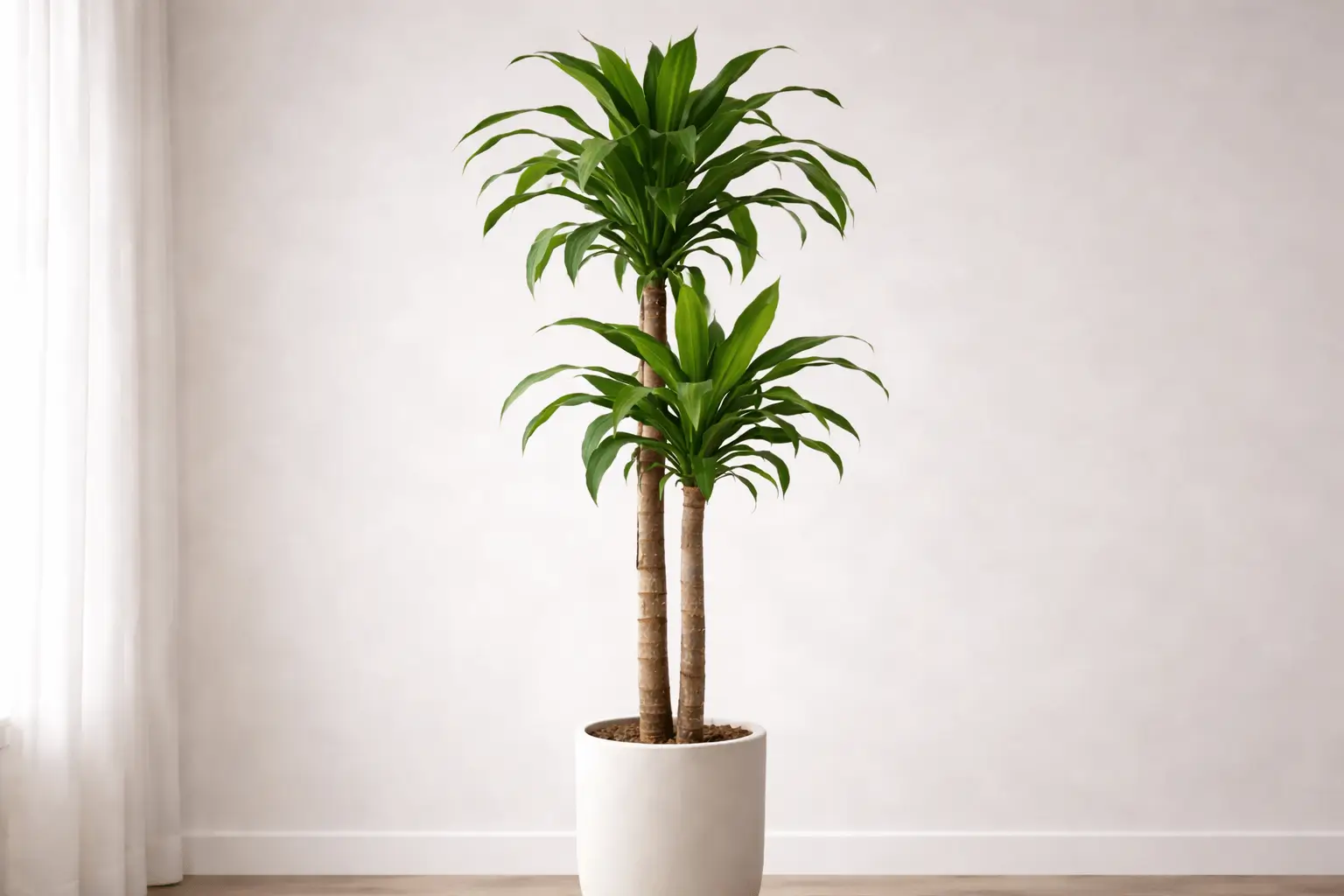
The scientific name of corn plant is Dracaena fragrans, a well-known species in the Dracaena genus that is widely cultivated as a houseplant. The dracaena scientific name comes from its natural characteristics, with “fragrans” referring to the plant’s fragrant flowers, which rarely bloom indoors. The corn plant scientific name, Dracaena fragrans, is used globally in botanical classification and plant care guides, while common names such as corn plant or cornstalk dracaena describe its thick, cane-like stems and leaf shape that resemble corn foliage.
Natural Habitat & Growth Characteristics
The African corn plant origin traces back to tropical regions of Africa, where dracaena fragrans grows in warm, humid environments under filtered light. As a tropical dracaena plant, it is adapted to stable temperatures and moderate moisture, which explains its strong performance indoors. Key tropical dracaena plant traits include sturdy woody canes, slow to moderate growth, and long, arching leaves that emerge from the top of each stem. In indoor conditions, dracaena fragrans height & mature size typically ranges from 4 to 6 feet, though mature plants can grow taller with proper care and sufficient space.
Dracaena Fragrans Varieties
Dracaena Fragrans Massangeana (Corn Plant)
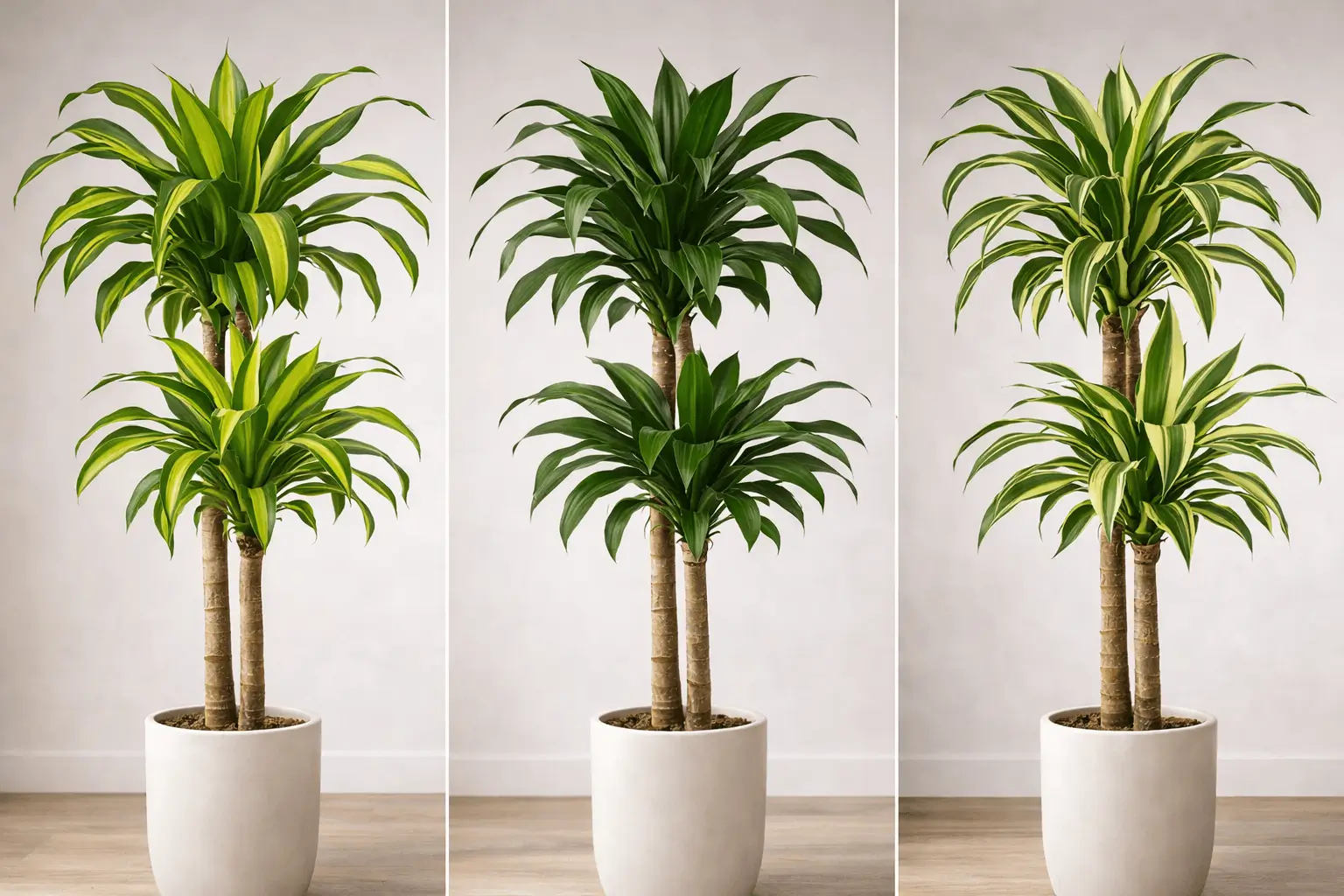
The Dracaena fragrans massangeana corn plant is the most widely recognized and commonly grown variety of dracaena fragrans. It features broad green leaves with a distinctive yellow stripe running down the center, giving the plant a bold and decorative appearance. Often referred to as the mass cane, this variety is valued for its durability and adaptability to indoor conditions. A basic mass cane plant care overview includes providing bright indirect light, allowing the soil to dry slightly between waterings, and maintaining average indoor humidity. With minimal effort, this variety retains its structure and color for many years.
Green & Variegated Types
In addition to Massangeana, several other cultivars offer visual variety. Dracaena fragrans green types have solid deep-green leaves and are especially tolerant of low-light environments. Dracaena fragrans green jewel is a compact variety with glossy, dark foliage that works well in smaller spaces. A variegated corn plant displays multi-toned leaves with lighter green or yellow patterns, adding contrast to indoor décor. Proper Dracaena golden heart care involves bright filtered light to maintain leaf coloration, moderate watering, and consistent temperatures to support healthy growth.
Dracaena Fragrans Plant Care (Complete Guide)
-
Light Requirements
Understanding dracaena light requirements is essential for maintaining healthy foliage and steady growth. How much light does a corn plant need depends on the variety, but most dracaena fragrans plants thrive in bright, indirect light. They can tolerate low-light conditions, though growth may slow and leaf color may fade over time. Direct sunlight should be avoided, as corn plant too much sun symptoms include scorched leaf tips, dry patches, and faded coloration. For best results, place the plant near a window with filtered light or several feet away from direct sun exposure.
-
Watering Requirements
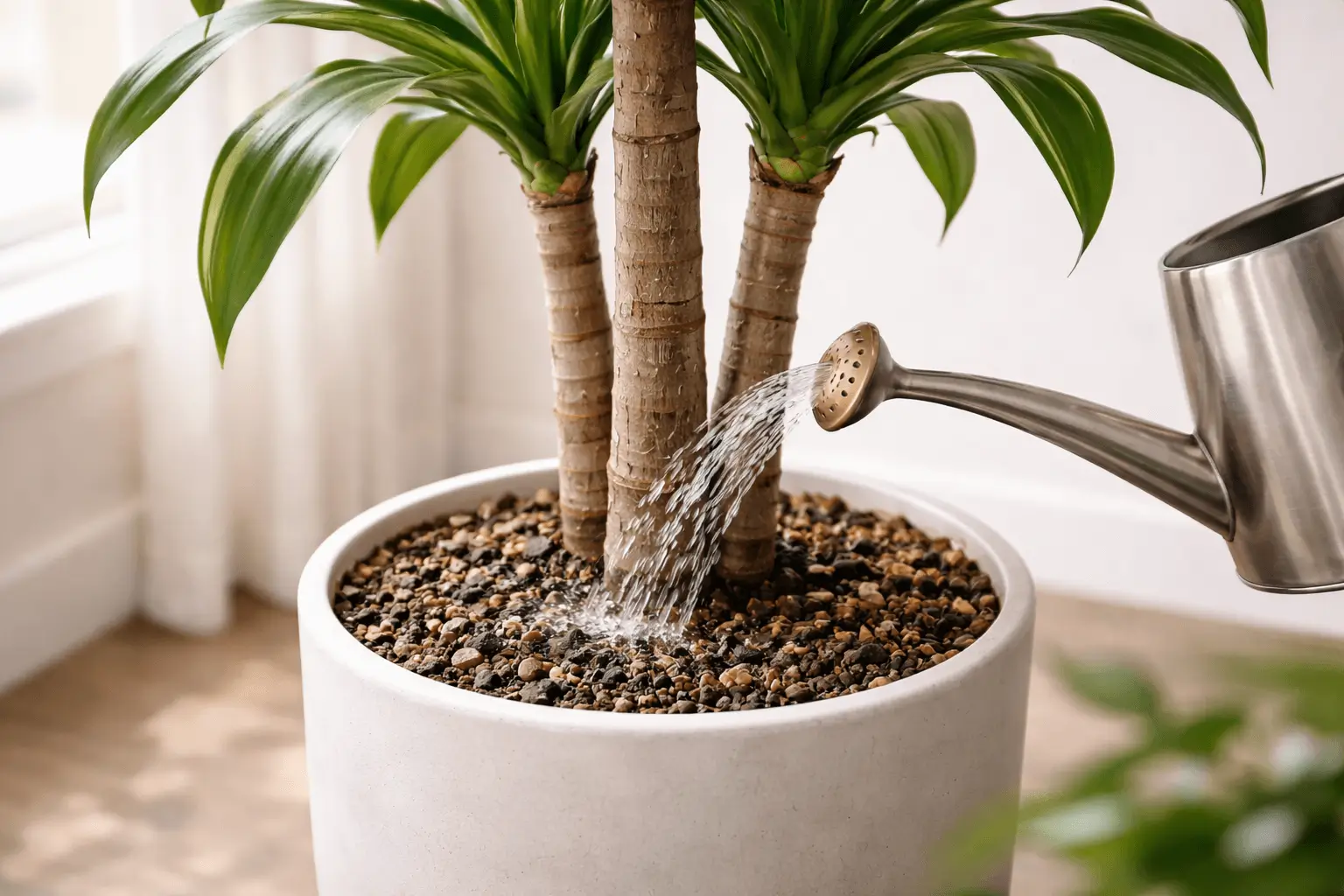
Knowing how often to water dracaena helps prevent common care mistakes. Dracaena fragrans prefers evenly moist soil but does not tolerate soggy conditions. To water corn plant correctly, allow the top inch or two of soil to dry before watering again, then water thoroughly and let excess moisture drain away. Clear signs of overwatering & underwatering include yellowing leaves, soft stems, or dry, crispy leaf edges. Many dracaena fragrans drooping causes are linked to improper watering, either from waterlogged roots or prolonged dryness, making consistent moisture control essential.
-
Soil & Potting Mix
Choosing the right soil for dracaena plays a major role in root health. A well-draining potting soil for corn plant prevents excess moisture buildup while still retaining enough water for steady growth. A simple dracaena soil mix recipe includes standard houseplant potting soil blended with perlite or coarse sand to improve drainage. The best potting mix for dracaena should be loose, airy, and slightly acidic to neutral, allowing roots to breathe and reducing the risk of root rot.
-
Fertilizing Dracaena Fragrans
Meeting dracaena fertilizer needs supports healthy foliage and consistent growth, especially during the active growing season. A balanced, water-soluble houseplant fertilizer works well when applied at the proper dracena fertilizer frequency, typically once every four to six weeks in spring and summer. Knowing when and how to fertilize dracaena is important—fertilizer should be diluted to half strength and applied to moist soil to avoid root burn. Feeding should be reduced or stopped during fall and winter when growth naturally slows.
Indoor vs Outdoor Care
Dracaena Fragrans Indoor Care
Dracaena fragrans indoor plants are well suited to homes and offices because they adapt easily to controlled environments. Consistent temperatures, indirect light, and moderate humidity support steady growth. Key corn plant indoor care tips include placing the plant away from direct sunlight, watering only when the topsoil dries slightly, and avoiding cold drafts or sudden temperature changes. Proper dracaena plant care indoors also involves occasional leaf cleaning to remove dust, which helps the plant photosynthesize efficiently and maintain healthy foliage throughout the year.
Can Dracaena Fragrans Grow Outdoors?
While commonly kept indoors, dracaena fragrans can grow outdoors under the right conditions. Successful corn plant care outside requires a warm climate with no risk of frost and protection from harsh direct sun. Ideal dracena plant outdoors conditions include partial shade, well-draining soil, and consistent moisture without waterlogging. In regions with cooler temperatures, outdoor growth is usually seasonal, and plants should be brought indoors before temperatures drop to prevent stress or damage.
Repotting Dracaena Fragrans
When to Repot a Corn Plant
Many plant owners ask, does dracaena like to be root bound? Dracaena fragrans can tolerate being slightly root bound, but prolonged restriction can slow growth and reduce overall health. Clear signs it’s time for repotting include roots circling the bottom of the pot, water draining too quickly, slowed growth, or the plant becoming top-heavy and unstable. Repotting is best done during spring or early summer, when the plant is actively growing and can recover more easily from transplant stress.
How to Repot Dracaena Fragrans
Proper repotting corn plant step-by-step starts with choosing a clean container with drainage holes and fresh, well-draining soil. Gently remove the plant from its current pot, loosen compacted roots, and trim any damaged sections. To repot dracaena safely, place the plant at the same soil depth as before and fill around the roots with fresh potting mix, pressing lightly to remove air pockets. Follow standard corn plant pot size recommendations by selecting a pot only one to two inches wider than the previous one, as overly large containers can retain excess moisture and lead to root problems.
Pruning & Maintenance
How to Prune Dracaena Fragrans
Pruning dracaena fragrans helps control height, improve appearance, and encourage new growth along the cane. Pruning is usually done to remove leggy stems, damaged leaves, or to reduce overall size. Knowing how to prune dracaena fragrans for shape involves cutting the cane just above a leaf node using clean, sharp pruning shears. New shoots typically emerge below the cut, creating a fuller and more balanced plant. Pruning can be done year-round indoors, but results are best during the active growing season when recovery is faster.
Cleaning & General Maintenance
Consistent caring for a dracaena plant keeps foliage healthy and visually appealing. Leaves should be wiped regularly with a damp cloth to remove dust that can block light absorption. Basic cane type plants maintenance tips include rotating the plant occasionally for even growth, checking stems for softness or rot, and removing yellowing or damaged leaves promptly. Maintaining stable temperatures, avoiding drafts, and monitoring watering habits all contribute to long-term plant health and reduced maintenance issues.
Propagation Methods
How to Propagate Dracaena Fragrans
Learning how to propagate dracaena fragrans is a simple way to create new plants from a healthy parent. The most reliable method involves stem cuttings taken from mature canes. Rooting a corn plant begins by cutting a healthy section of the cane that includes at least one node. The cutting can be placed directly into moist, well-draining soil or started in water. Propagating corn plant in water allows you to monitor root development easily; place the cutting in a container with clean water, ensuring the node is submerged, and change the water regularly. Once roots develop and reach a few inches long, the cutting can be transferred to soil for continued growth.
Propagation Methods
How to Propagate Dracaena Fragrans
Learning how to propagate dracaena fragrans is a simple way to create new plants from a healthy parent. The most reliable method involves stem cuttings taken from mature canes. Rooting a corn plant begins by cutting a healthy section of the cane that includes at least one node. The cutting can be placed directly into moist, well-draining soil or started in water. Propagating corn plant in water allows you to monitor root development easily; place the cutting in a container with clean water, ensuring the node is submerged, and change the water regularly. Once roots develop and reach a few inches long, the cutting can be transferred to soil for continued growth.
Common Problems & Solutions
Yellow Leaves, Drooping & Browning
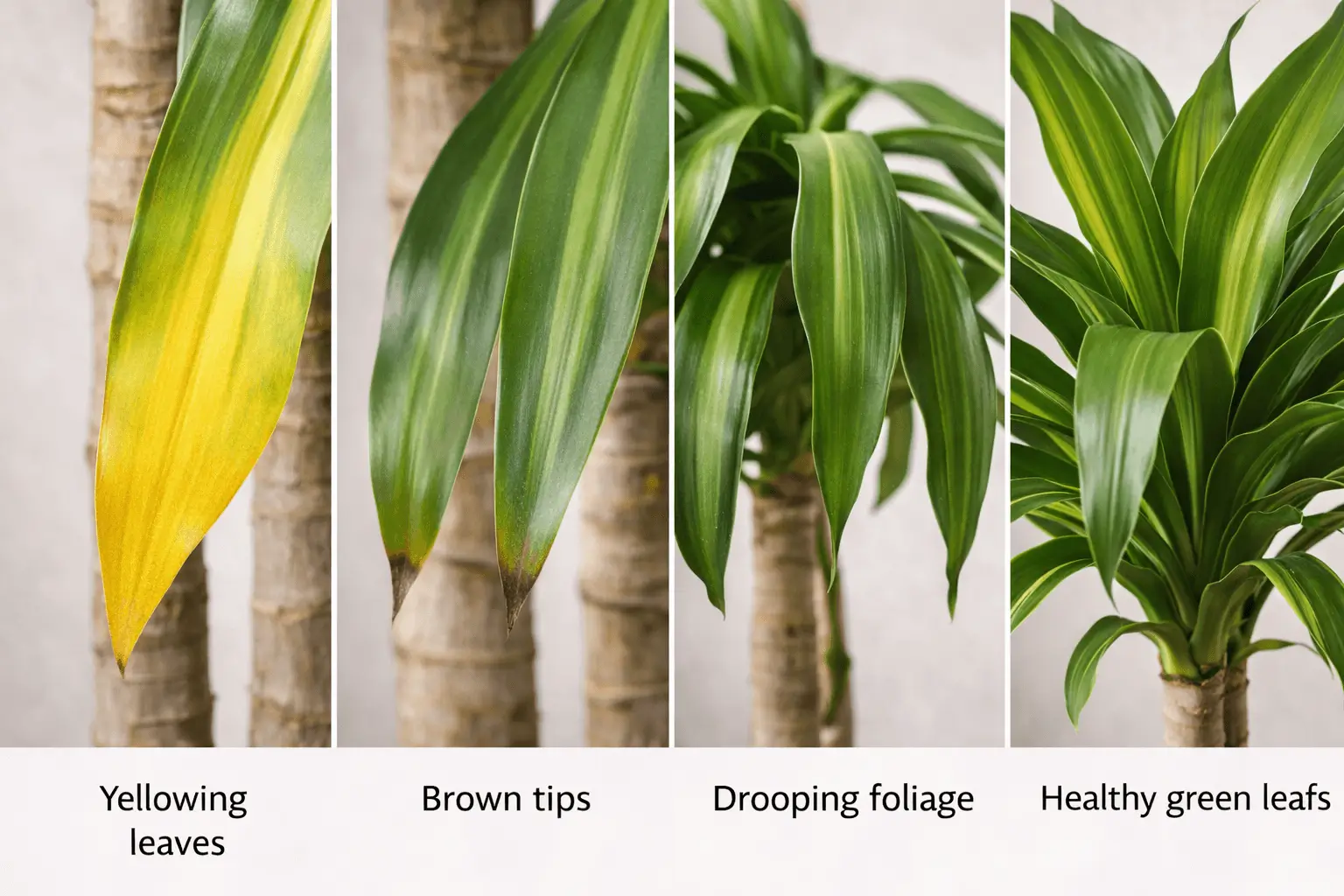
Dracaena corn plant yellow leaves are most commonly caused by overwatering, poor drainage, or prolonged low light. When roots sit in soggy soil, oxygen deprivation leads to leaf discoloration and eventual drop. Dracaena compacta brown leaves often indicate dry air, underwatering, or salt buildup from fertilizer, which typically appears as crispy leaf edges or brown tips. In more severe cases, dracaena massangeana dying can result from a combination of improper watering, cold drafts, or root rot. Correcting light exposure, adjusting watering frequency, and using well-draining soil usually resolves these issues before permanent damage occurs.
Pests & Diseases
Several common indoor dracaena problems are linked to pests such as spider mites, mealybugs, and scale insects, which feed on plant sap and weaken foliage over time. Early signs include sticky residue, fine webbing, or pale, spotted leaves. Ongoing care of dracaena house plant issues involves regular inspection, isolating affected plants, and treating infestations with insecticidal soap or neem oil. Maintaining proper airflow, avoiding overwatering, and keeping leaves clean significantly reduce the risk of pest outbreaks and disease development.
Toxicity & Safety
Is Dracaena Fragrans Toxic to Pets?
Many pet owners ask whether dracaena fragrans is safe to keep at home. The massangeana cane toxic to cats concern is valid, as dracaena fragrans contains compounds that can be harmful to cats and dogs if ingested. Symptoms may include vomiting, drooling, loss of appetite, and lethargy. While the plant is not usually fatal, ingestion can cause significant discomfort and should be taken seriously. Following basic household safety tips is important, such as placing the plant out of reach of pets, using elevated planters, or choosing pet-safe alternatives if animals tend to chew on leaves. Proper placement helps balance plant enjoyment with pet safety.
Benefits of Growing Dracaena Fragrans
One of the biggest advantages of dracaena fragrans is that it is a low-maintenance indoor plant that thrives with minimal attention. It tolerates low to moderate light, adapts well to indoor temperatures, and does not require frequent watering, making it ideal for busy households or offices. Its slow growth rate also means less frequent pruning and repotting compared to many other houseplants.
Beyond ease of care, dracaena fragrans improves indoor aesthetics with its tall, architectural form and lush foliage. The cane-like stems and arching leaves add height, structure, and a clean, modern look to interior spaces. It works well as a floor plant, in corners, or as a focal point in minimalist and contemporary décor.
Because of its resilience and forgiving nature, dracaena fragrans is highly suitable for beginners. New plant owners can build confidence by caring for a plant that remains attractive even with minor care mistakes, making it an excellent starting choice for indoor gardening.
Conclusion & Care Summary
A quick recap of dracaena fragrans care highlights why this plant remains a favorite indoor choice. With bright indirect light, moderate watering, well-draining soil, and occasional feeding, dracaena fragrans maintains healthy foliage and steady growth. Basic pruning, timely repotting, and regular leaf cleaning further support its long-term health and appearance.
These qualities explain why it’s a perfect indoor corn plant for homes and offices. Its tolerance for low light, adaptability to indoor conditions, and upright, decorative form make it both practical and visually appealing. Dracaena fragrans fits seamlessly into a wide range of interior styles without demanding constant attention.
Encouraging proper care for long lifespan ensures the plant remains attractive for many years. Consistency in watering, protection from extreme temperatures, and attention to early problem signs allow dracaena fragrans to thrive as a reliable, long-lasting indoor houseplant.
Read Also: 7+ Stunning Echeveria Agavoides Types Every Collector Loves
FAQs
How often should I water dracaena fragrans?
Dracaena fragrans should be watered when the top 1–2 inches of soil feel dry. Overwatering is a common issue, so it’s better to water less frequently than too often. Always allow excess water to drain completely.
Does dracaena fragrans need direct sunlight?
No, dracaena fragrans does not need direct sunlight. It grows best in bright, indirect light but can tolerate low-light conditions. Direct sun can scorch the leaves and cause discoloration.
Why are my dracaena fragrans leaves turning yellow?
Yellow leaves are usually caused by overwatering, poor drainage, or low light. In some cases, cold drafts or fluoride in tap water can also contribute to yellowing foliage.
How tall does a dracaena fragrans plant grow indoors?
Indoors, dracaena fragrans typically grows between 4 and 6 feet tall. With long-term care and sufficient space, some plants can grow even taller over time.
Is dracaena fragrans safe for pets?
No, dracaena fragrans is not safe for pets. It is toxic to cats and dogs if ingested and may cause vomiting, drooling, and lethargy. The plant should be kept out of reach of pets.
How do I propagate a corn plant successfully?
A corn plant can be propagated using stem cuttings. Cut a healthy cane section and root it in water or moist soil. Once roots develop, the cutting can be planted in a pot for continued growth.

Written by the LeafyHeaven Editorial Team
LeafyHeaven shares practical gardening tips and simple plant care guides to help you grow, nurture, and enjoy your plants with ease. Our goal is to make gardening feel natural, approachable, and rewarding for everyone.