
Introduction
Dracaena fragrans care is simple, flexible, and beginner-friendly, which is why this plant remains a top choice for both homes and landscapes. Known for its strong cane structure and glossy green leaves, dracaena fragrans adapts well to indoor environments while also performing reliably outdoors in suitable climates. Its ability to tolerate varied light levels and modest watering makes it popular among busy plant owners and professional designers alike. In this guide, you’ll learn how to manage watering, light placement, temperature, pruning, and propagation correctly, along with key differences between indoor and outdoor care. Understanding these basics helps ensure healthy growth, long lifespan, and an attractive appearance year-round.
Understanding Dracaena Fragrans
What Is Dracaena Fragrans?
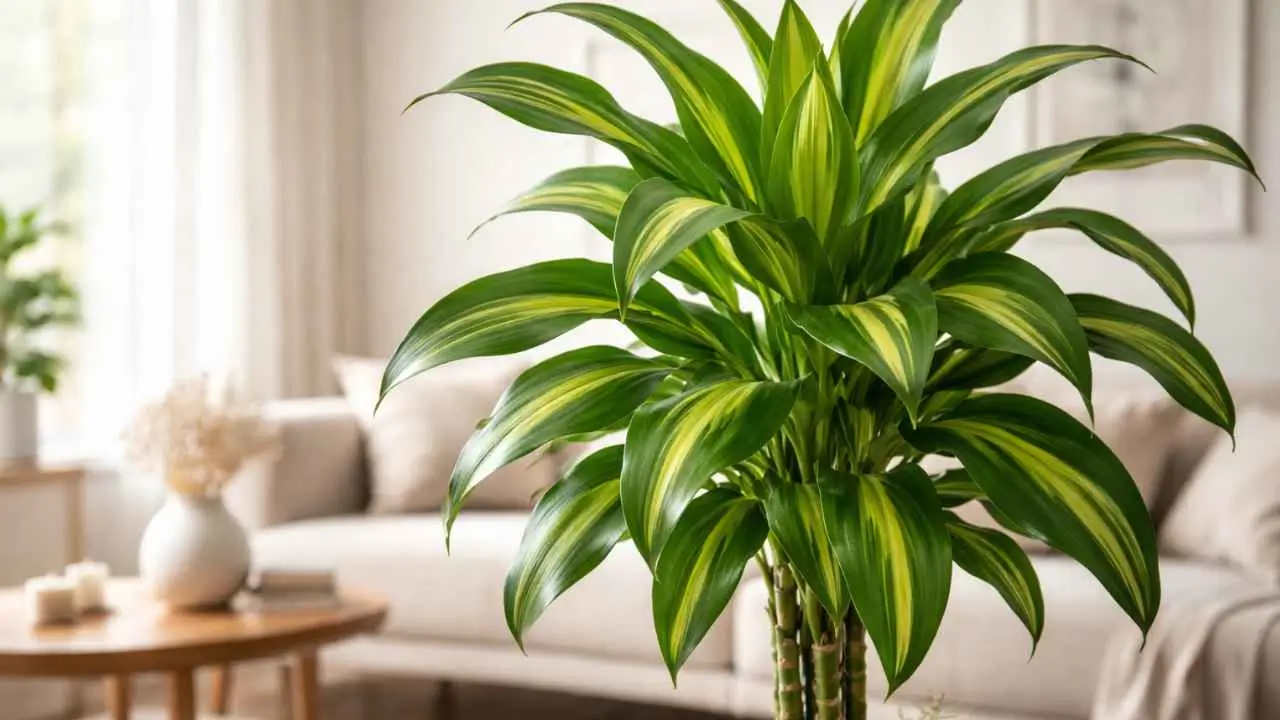
Dracaena fragrans is a hardy evergreen plant commonly known as corn plant, mass cane, or fragrant dracaena. It features thick, woody canes topped with arching, strap-like leaves that are usually deep green or variegated with lighter stripes. This plant is valued for its clean structure, low maintenance needs, and adaptability to indoor and outdoor settings.
Plants with strong structure and bold visual presence, such as manly plants and masculine plants, are often chosen to create modern, balanced indoor spaces.
In terms of growth habit, dracaena fragrans grows upright and slow to moderate in pace. Indoors, it typically reaches 4–6 feet tall, while outdoor plants in warm climates can grow much taller. With proper care, its lifespan can extend for many years, making it a long-term ornamental plant rather than a short-lived houseplant.
Dracaena Fragrans Flower
Dracaena fragrans flowers under specific conditions, usually when the plant is mature and well-established. Flowering occurs from tall stalks that emerge from the cane, producing clusters of small white or cream-colored blooms. These flowers are most likely to appear outdoors, where natural light cycles and temperature fluctuations support blooming.
Indoor flowering is rare and unpredictable, as controlled environments lack the natural triggers found outside. When flowering does occur, the blooms release a strong, sweet fragrance, especially in the evening. The bloom cycle is infrequent, and flowering should be viewed as a bonus rather than an expectation in routine dracaena fragrans care.
Dracaena Fragrans Care Indoors
Light Requirements for Indoor Growth
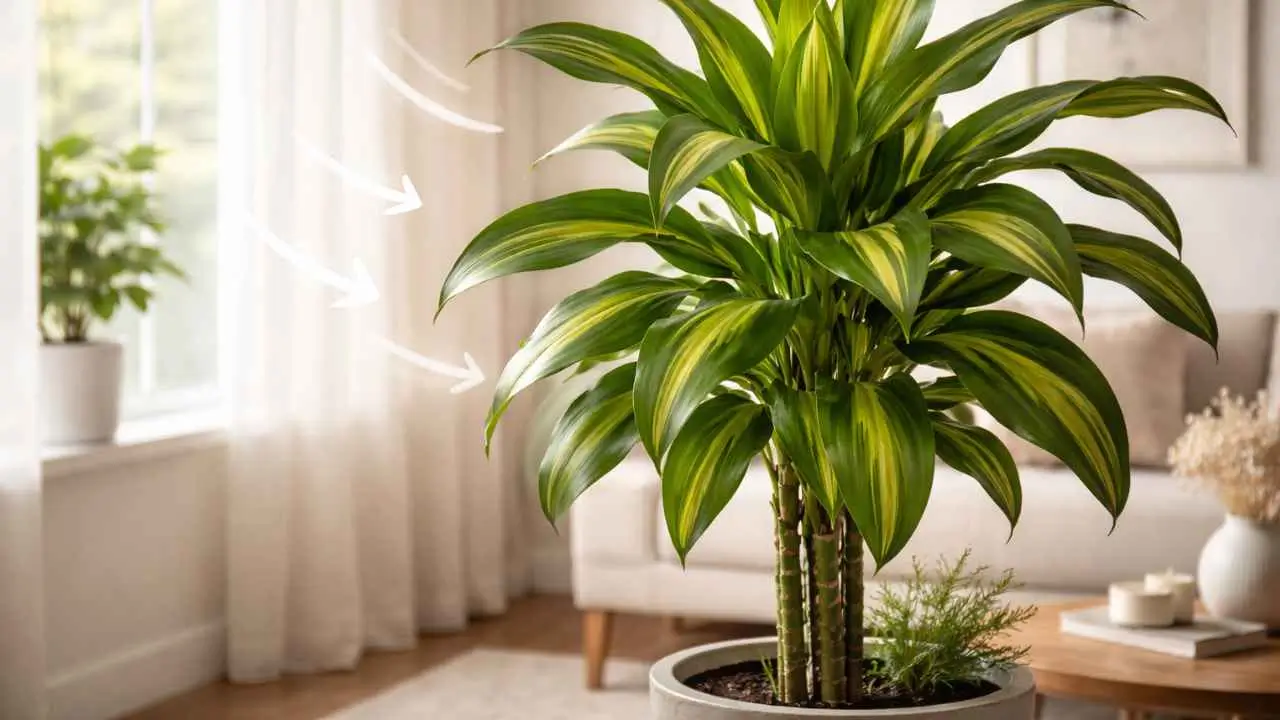
Dracaena fragrans grows best in bright, indirect light, which supports strong leaf color and steady growth. It can tolerate lower light conditions, but growth may slow and foliage may lose vibrancy. Direct sunlight should be avoided, as it can scorch the leaves and cause brown patches.
Signs of too much light include faded leaves, dry edges, or sunburn marks. Too little light often results in elongated stems, smaller leaves, and dull coloration. Placing the plant near an east- or north-facing window, or a few feet away from brighter windows, provides balanced indoor lighting.
Other indoor plants such as the snake plant are also well known for adapting easily to indoor environments with minimal maintenance.
Dracaena Fragrans Care Watering
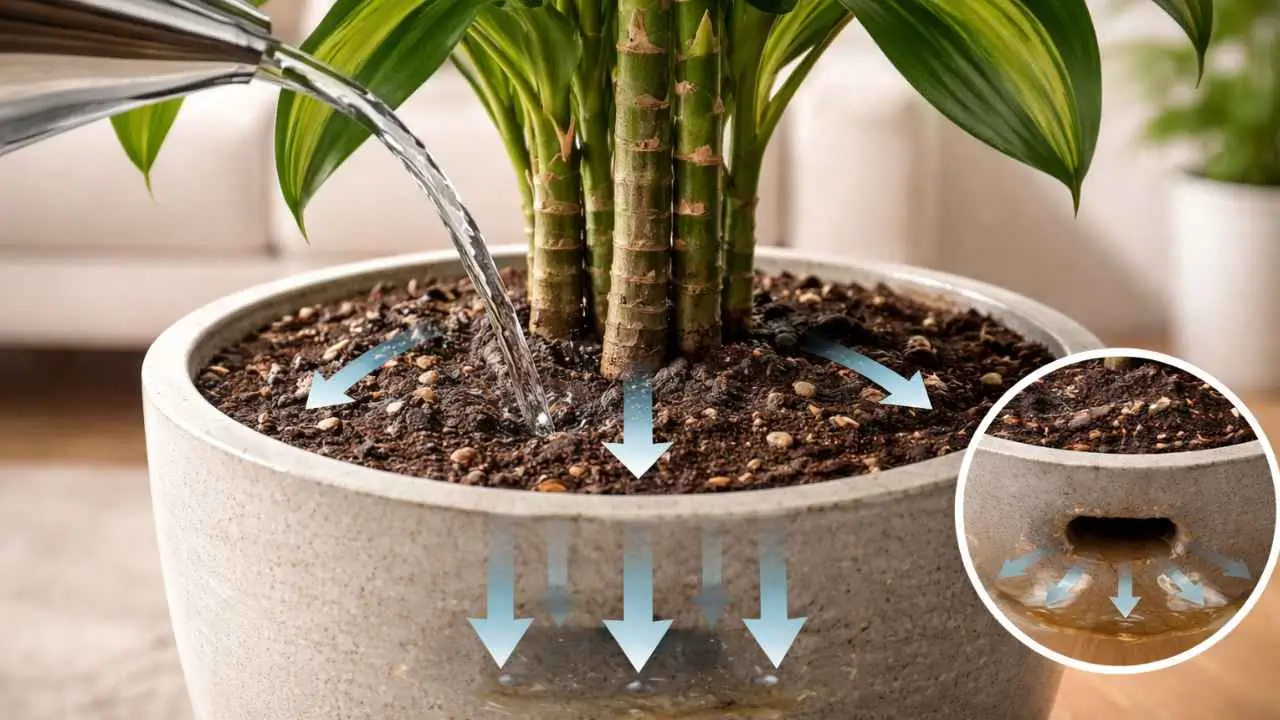
Proper watering is a critical part of dracaena fragrans care indoors. Water only when the top 1–2 inches of soil feel dry. Overwatering is a common issue and can lead to root rot, yellowing leaves, and soft stems. Underwatering, on the other hand, causes leaf curling, dry tips, and slowed growth.
Dracaena fragrans is sensitive to chemicals commonly found in tap water, especially fluoride. Using filtered, distilled, or rainwater helps prevent brown leaf tips and mineral buildup. Always ensure excess water drains freely from the pot to avoid waterlogged soil.
Maintaining proper watering habits and drainage becomes much easier when you understand the core principles explained in a complete gardening and plant care guide, especially for moisture-sensitive indoor plants.
Ideal Temperature and Humidity
Dracaena fragrans thrives in indoor temperatures between 65°F and 80°F (18°C–27°C). It does not tolerate cold drafts, sudden temperature drops, or exposure below 55°F, which can cause leaf damage.
Humidity tolerance is moderate, making it suitable for most homes. While it adapts well to average indoor humidity, occasional misting or placing the plant near a humidity tray can improve leaf condition in dry environments. Consistent warmth and stable humidity support healthy, stress-free growth indoors.
Dracaena Fragrans Care Outdoor
Dracaena Fragrans Indoor or Outdoor — Which Is Better?
Dracaena fragrans can grow successfully both indoors and outdoors, but growth performance depends heavily on climate and environmental stability. Indoors, growth is slower and more controlled, making it ideal for spaces where size management is important. Outdoor plants, when grown in suitable climates, develop thicker canes, larger leaves, and faster vertical growth due to higher light levels and natural airflow.
Outdoor cultivation is best in warm, frost-free regions where temperatures remain consistently mild. In cooler zones, dracaena fragrans should be grown in containers so it can be moved indoors during cold periods. Choosing between indoor or outdoor placement depends on local climate, available light, and long-term space considerations.
Outdoor Light and Placement
Outdoors, dracaena fragrans performs best in partial shade or filtered sunlight. Morning sun with afternoon shade is ideal, as intense direct sunlight can burn the leaves and cause discoloration. Areas under trees, patios, or shaded garden edges provide suitable light balance.
Protection from environmental extremes is essential. Harsh midday sun, strong winds, and cold exposure can stress the plant. In cooler seasons or during temperature drops, outdoor plants should be moved to sheltered locations or covered to prevent cold damage.
Outdoor Watering and Drainage
Watering needs change outdoors due to higher evaporation and rainfall exposure. Dracaena fragrans should be watered when the top layer of soil begins to dry, adjusting frequency based on heat, humidity, and rainfall. Overwatering outdoors is just as harmful as indoors and often occurs in poorly draining soil.
Excellent soil drainage is critical for outdoor success. Heavy or compacted soil should be amended with sand or organic matter to improve aeration. Standing water around roots can quickly lead to rot, so raised beds or well-draining planting areas help maintain healthy root systems and long-term plant stability.
Dracaena Fragrans Pruning Guide
When to Prune Dracaena Fragrans
The best time to prune dracaena fragrans is during spring or early summer, when the plant is actively growing. Pruning at this time allows faster recovery and encourages new shoots to form below the cut points. Avoid heavy pruning in late fall or winter, as slower growth during these periods can delay healing and weaken the plant.
After pruning, dracaena fragrans responds by producing multiple side shoots, resulting in fuller, bushier growth. This natural response makes pruning an effective way to control height, refresh older plants, and improve overall structure without harming long-term health.
How to Prune Safely
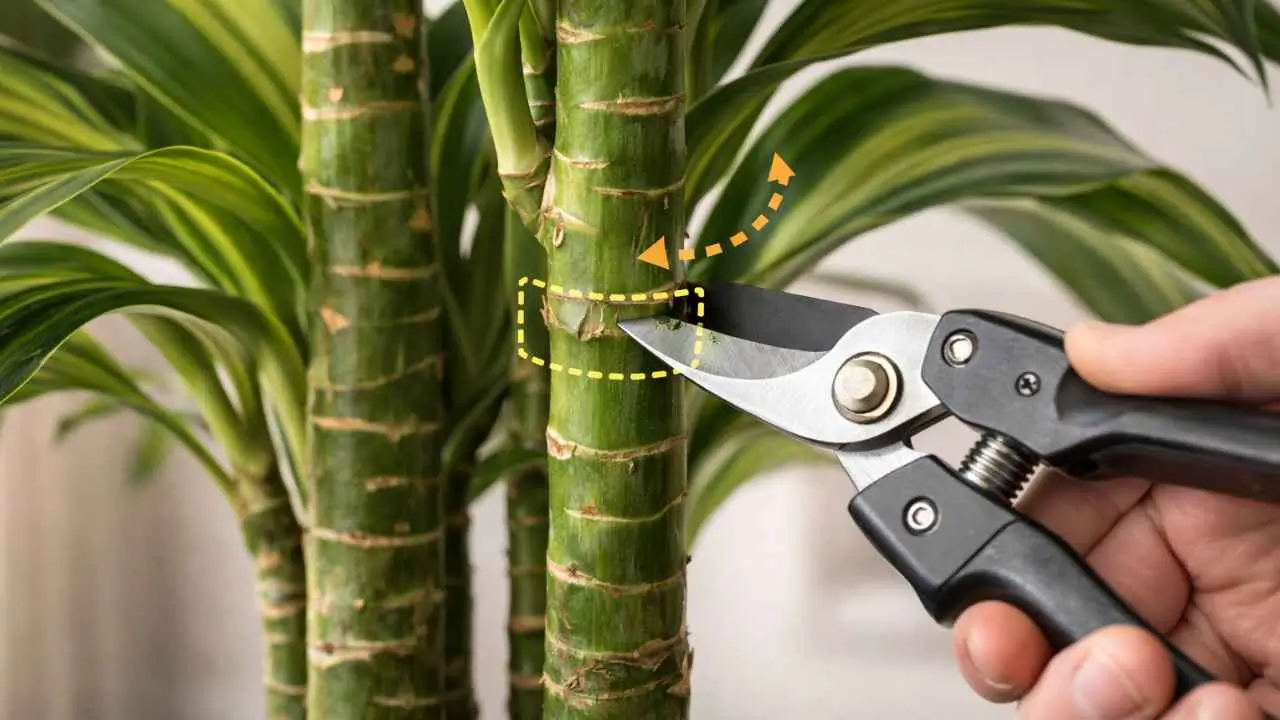
Safe pruning starts with clean, sharp tools to prevent disease transmission. Stems should be cut just above a leaf node or cane joint, where new growth is most likely to emerge.
Key pruning practices include:
- Removing leggy stems to restore balance and improve appearance
- Cutting away damaged, yellowing, or diseased canes to redirect energy
- Shortening tall canes to encourage compact, evenly shaped growth
Avoid removing too much foliage at once, as excessive pruning can stress the plant. Controlled, intentional cuts help maintain a strong structure while supporting healthy regrowth and long-term plant vitality.
Dracaena Fragrans Propagation
Propagation Methods Explained
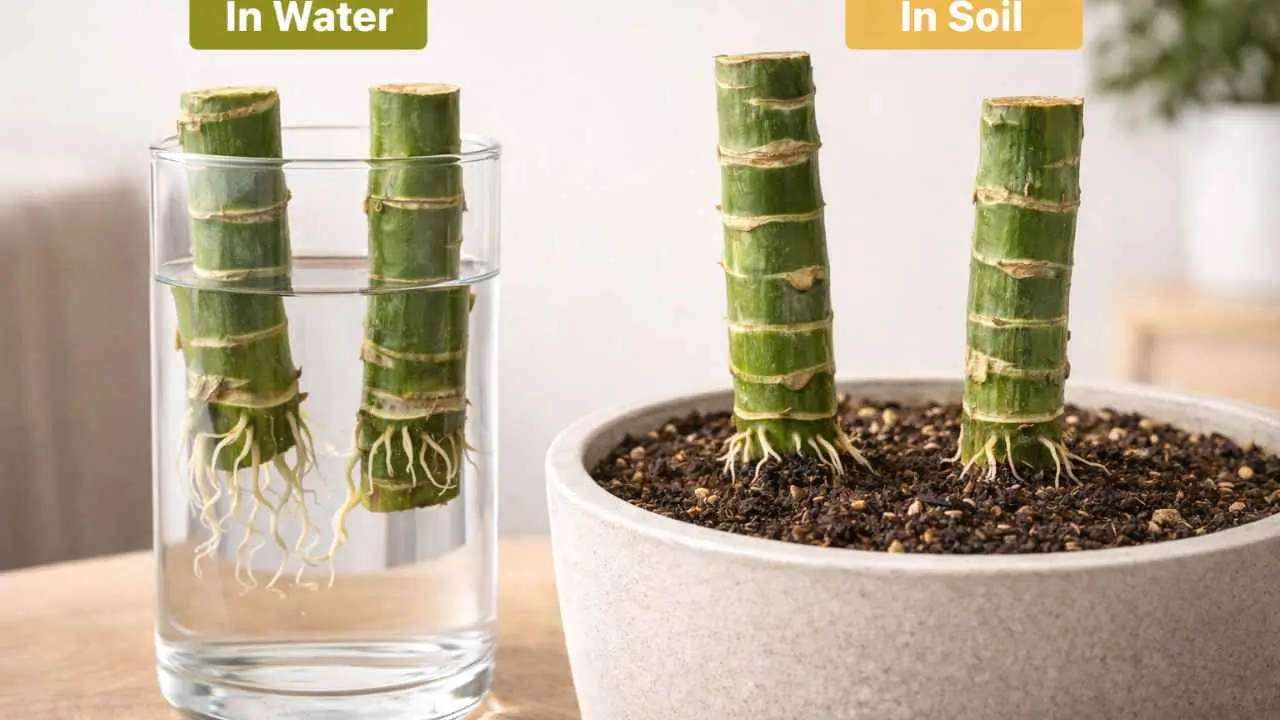
Dracaena fragrans propagation is most commonly done through stem cuttings and cane cuttings, both of which are reliable and beginner-friendly methods. Stem cutting propagation involves taking a healthy section of stem with at least one visible node. This cutting can be rooted in water or directly in well-draining soil, where new roots develop from the node area.
Cane cutting propagation uses thicker sections of the main cane, cut into shorter segments. Each segment must have at least one growth node. These cane pieces can be planted vertically or laid horizontally on moist soil, where roots and new shoots gradually emerge. This method is especially effective for rejuvenating older or overgrown plants.
Propagation After Pruning
Propagation after pruning is an efficient way to reuse healthy stems removed during maintenance. Pruned sections should be allowed to dry briefly before planting to reduce the risk of rot. Once prepared, they can be placed in water or soil under warm, stable conditions.
Rooting typically begins within 3–6 weeks, depending on temperature, light, and moisture levels. During this period, keep the medium lightly moist but never soggy. Bright, indirect light supports faster root development, while excessive sunlight can stress the cuttings. Consistent care during the rooting phase increases the success rate and ensures strong, healthy new plants.
Common Care Mistakes to Avoid
Watering and Light Errors
One of the most frequent beginner mistakes in dracaena fragrans care is overwatering, often caused by watering on a fixed schedule instead of checking soil moisture. Constantly wet soil leads to root rot, yellowing leaves, and weak stems. Another common issue is placing the plant in direct sunlight, which causes leaf scorch, brown patches, and faded foliage. Low-light placement can also be problematic, resulting in slow growth and stretched stems.
These issues can be corrected early by adjusting habits. Always allow the top layer of soil to dry before watering, and move the plant to bright, indirect light if leaf damage appears. Early correction prevents long-term stress and helps the plant recover quickly.
Indoor vs Outdoor Care Confusion
Confusion between indoor and outdoor care often leads to misplacement problems. Indoors, dracaena fragrans requires controlled watering, stable temperatures, and filtered light. Outdoors, exposure to rain, temperature shifts, and stronger sunlight changes its care needs significantly. Treating outdoor plants like indoor ones often results in overwatering or sun damage.
Seasonal adjustments are equally important. Plants grown outdoors should be moved or protected during cooler months, while indoor plants may need reduced watering during winter due to slower growth. Understanding these differences ensures the plant remains healthy and avoids stress caused by improper care transitions.
Conclusion
Mastering dracaena fragrans care comes down to understanding its needs in both indoor and outdoor environments. Indoors, success depends on bright indirect light, controlled watering, stable temperatures, and occasional pruning to maintain shape. Outdoors, proper placement in partial shade, well-draining soil, and climate awareness are essential for stronger growth and long-term stability.
Proper watering prevents root problems, pruning encourages fuller growth, and correct placement protects the plant from stress caused by light or temperature extremes. Whether grown inside as a decorative houseplant or outside in a warm landscape, choosing the right environment ensures healthy foliage, steady growth, and long-lasting beauty. With consistent care and thoughtful positioning, dracaena fragrans remains a dependable and visually appealing plant for years to come.
FAQs
Is dracaena fragrans better indoors or outdoors?
Dracaena fragrans performs well in both environments. Indoors, it offers controlled growth and protection from weather extremes. Outdoors, it grows larger and stronger in warm, frost-free climates. The better option depends on climate, available light, and space.
How often should I water dracaena fragrans?
Water dracaena fragrans only when the top 1–2 inches of soil feel dry. Indoors, this usually means watering every 7–14 days, depending on temperature and light. Outdoor plants may need more frequent watering during hot or dry periods.
Why is my dracaena fragrans not flowering?
Lack of flowering is normal, especially indoors. Dracaena fragrans flowers only when mature and grown under ideal conditions, which are more common outdoors. Light levels, temperature stability, and plant age all affect flowering.
Can I propagate dracaena fragrans from cuttings?
Yes, dracaena fragrans propagates easily from stem or cane cuttings. Healthy cuttings can be rooted in water or soil, making propagation a reliable way to create new plants or reuse pruned stems.
When should I prune dracaena fragrans for best growth?
The best time to prune dracaena fragrans is in spring or early summer. Pruning during active growth encourages faster recovery and promotes fuller, bushier growth after cutting.

Written by the LeafyHeaven Editorial Team
LeafyHeaven shares practical gardening tips and simple plant care guides to help you grow, nurture, and enjoy your plants with ease. Our goal is to make gardening feel natural, approachable, and rewarding for everyone.



[…] Read Also: 7 Proven Dracaena Fragrans Care Secrets for Lush Growth […]