
Introduction
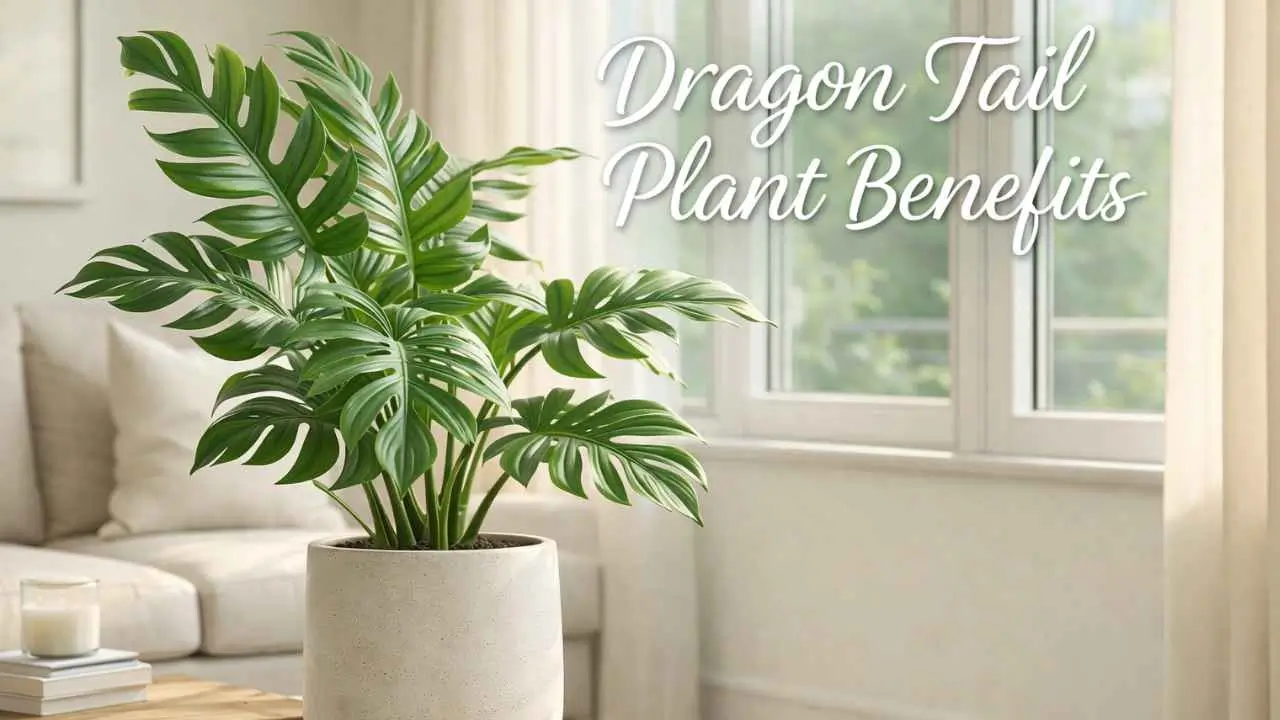
Dragon tail plant benefits make this striking tropical plant a favorite among indoor plant lovers who want beauty without complicated care. The dragon tail plant is admired for its bold foliage, unique leaf shape, and ability to thrive in indoor environments with minimal effort. Its ornamental value fits perfectly in modern homes, apartments, and offices, where greenery is used to enhance comfort and visual appeal. Native to tropical regions of Southeast Asia, this plant has gained rapid popularity worldwide due to its adaptability, climbing nature, and exotic look. As more people look for low-maintenance indoor plants with a strong decorative presence, the dragon tail plant continues to stand out as a reliable and visually rewarding choice.
To better understand how indoor plants support comfort, balance, and well-being, exploring a complete natural healing and herbal wellness guide can provide deeper insight.
What Is a Dragon Tail Plant?
Botanical Identity
The dragon tail plant is botanically known as Rhaphidophora decursiva, a tropical aroid belonging to the Araceae family. It is often associated with Epipremnum pinnatum because both plants share similar growth habits, leaf textures, and climbing behavior. This close resemblance frequently leads to confusion, especially when the plants are young. The common name “dragon tail plant” comes from the plant’s elongated, deeply split mature leaves, which resemble the curved, segmented shape of a dragon’s tail. Its dramatic foliage is the key reason it is grouped among popular ornamental climbers.
Natural Growth Habit
In its natural environment, the dragon tail plant grows as a vigorous climber and trailer, attaching itself to trees and vertical surfaces using aerial roots. Indoors, it can trail gracefully from hanging baskets or climb upward when supported by a moss pole or trellis. Outdoor plants tend to grow larger with more dramatic leaf splits, while indoor specimens remain more controlled in size. As the plant matures, its leaves transform from simple, narrow shapes into deeply lobed and split forms, creating the bold, sculptural appearance that makes the dragon tail plant so visually distinctive.
Dragon Tail Plant Benefits
Visual & Decorative Benefits
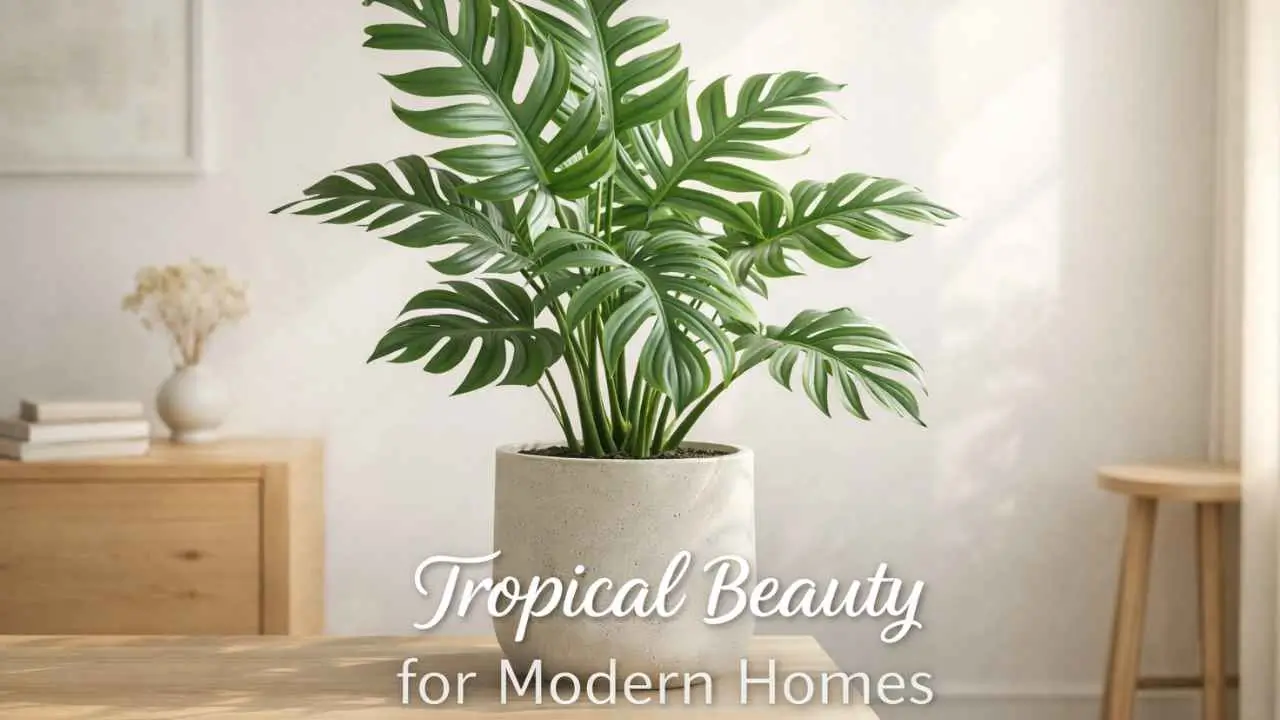
The dragon tail plant is highly valued for its unique split leaves and bold tropical appearance. As the plant matures, its deeply cut foliage creates a dramatic, sculptural look that instantly draws attention. This striking leaf form adds depth and texture to indoor spaces, making it ideal for modern home décor. The dragon tail plant blends effortlessly into minimalist interiors, where its greenery becomes a natural focal point, while also thriving in jungle-style setups alongside other tropical plants. Its ability to climb or trail allows flexible styling, whether placed on shelves, in hanging baskets, or trained upward for vertical visual impact.
Air-Refreshing & Indoor Comfort Benefits
One of the appreciated dragon tail plant benefits is its contribution to a fresher indoor atmosphere. The plant supports a greener living environment by adding natural vitality to enclosed spaces. Its lush foliage helps create a calming indoor setting, which many people find refreshing after long hours indoors. Because of its non-demanding nature and attractive form, the dragon tail plant works well in bedrooms and living rooms, where visual comfort and relaxed surroundings are important. The presence of healthy greenery can enhance the overall indoor experience without overwhelming the space.
Similarly, plants like the yucca plant are appreciated for creating a fresh and comfortable indoor environment with minimal maintenance.
Low-Maintenance Benefits
The dragon tail plant is known for being easy to grow, making it suitable for beginners and experienced plant owners alike. It tolerates a range of light conditions, from bright indirect light to moderate indoor lighting, without significant stress. Compared to many other tropical plants, it requires minimal care, responding well to basic watering routines and simple maintenance. This balance of resilience and beauty is a major reason the dragon tail plant remains a popular choice for indoor gardening.
Many indoor plants such as the dragon plant are also valued for their structured growth and ability to enhance modern interior spaces.
Dragon Tail Plant Spiritual Benefits
Symbolic Meaning
The dragon tail plant is commonly associated with growth, strength, and positive energy, largely due to its upward climbing habit and resilient nature. Many people view the plant as a symbol of steady progress and renewal, as it continues to produce new leaves when given basic care. This natural growth pattern is why the dragon tail plant is often considered spiritually uplifting, especially in indoor spaces where greenery is linked to emotional balance and calm living. Its bold yet calming appearance contributes to a sense of grounded energy that appeals to those who value plants for both visual and symbolic reasons.
Feng Shui & Energy Flow
In feng shui practices, the dragon tail plant is believed to support calmness and balanced energy flow within a space. Its flowing leaf structure and vertical growth are thought to encourage harmony and gentle movement of energy. Many people place the plant in living areas or workspaces to promote a peaceful atmosphere and positive focus. Because it is neither overwhelming nor fragile, the dragon tail plant is often chosen to enhance home harmony and positivity without disrupting the overall energy of the environment.
Dragon Tail Plant Benefits and Side Effects
Key Benefits Recap
- Enhances indoor greenery and natural ambiance
- Adds strong visual appeal with bold, split leaves
- Requires easy care suitable for most indoor settings
- Supports mental relaxation through calming greenery
Possible Side Effects
While generally safe to grow, the dragon tail plant may cause mild skin irritation if its sap comes into direct contact with sensitive skin. The plant is not suitable for ingestion, as consuming any part of it can lead to discomfort. Proper handling, such as washing hands after pruning or maintenance, helps reduce any risk. Simple care precautions ensure the plant remains a safe and enjoyable part of the indoor environment.
Is the Dragon Tail Plant Toxic?
Toxicity for Pets
The dragon tail plant is considered potentially harmful to cats and dogs if chewed or ingested. Like many plants in the aroid family, it contains compounds that may cause oral discomfort. Common symptoms in pets include drooling, mild swelling of the mouth, irritation, and reduced appetite. While reactions are usually not severe, it is important to monitor pets closely if exposure is suspected. Keeping the plant out of reach helps reduce the risk and ensures a safe indoor environment for animals.
Safety Around Children
Placement is important when growing a dragon tail plant in homes with children. Curious handling or accidental contact with plant sap can cause mild irritation. Positioning the plant on higher shelves, hanging planters, or trained climbing supports minimizes direct contact. Simple safety precautions such as teaching children not to touch or taste houseplants and washing hands after plant care help maintain a safe and comfortable living space.
Dragon Tail Plant Care Guide
Light Requirements
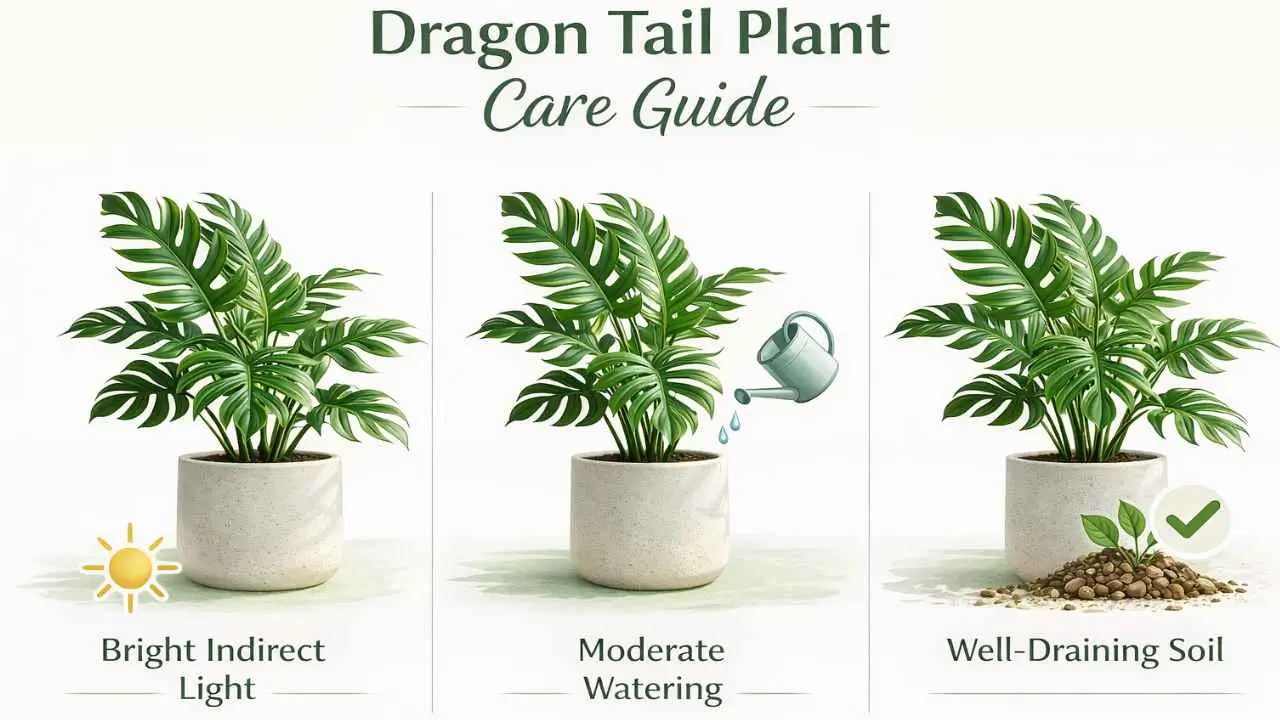
The dragon tail plant grows best in bright, indirect light, which supports healthy leaf development and balanced growth. It can tolerate moderate indoor light, but low light may slow growth and reduce leaf splitting. Direct sunlight should be avoided, as it can scorch the leaves and affect overall plant health. Consistent filtered light encourages strong, attractive foliage.
Watering Needs
Water the dragon tail plant when the top layer of soil feels dry, allowing excess moisture to drain freely. Overwatering can lead to yellowing leaves and root problems, while underwatering may cause drooping or dry leaf edges. A regular but flexible watering routine works best, adjusting frequency based on temperature, light, and indoor humidity levels.
Soil & Potting
Well-draining soil is essential for the dragon tail plant to prevent water retention around the roots. A loose mix that allows airflow supports healthy root development. Choosing a pot with drainage holes helps excess water escape and reduces the risk of root issues. Slightly snug pots are preferred, as oversized containers can hold too much moisture and slow growth.
Dragon Tail Plant Propagation
Propagation Through Cuttings
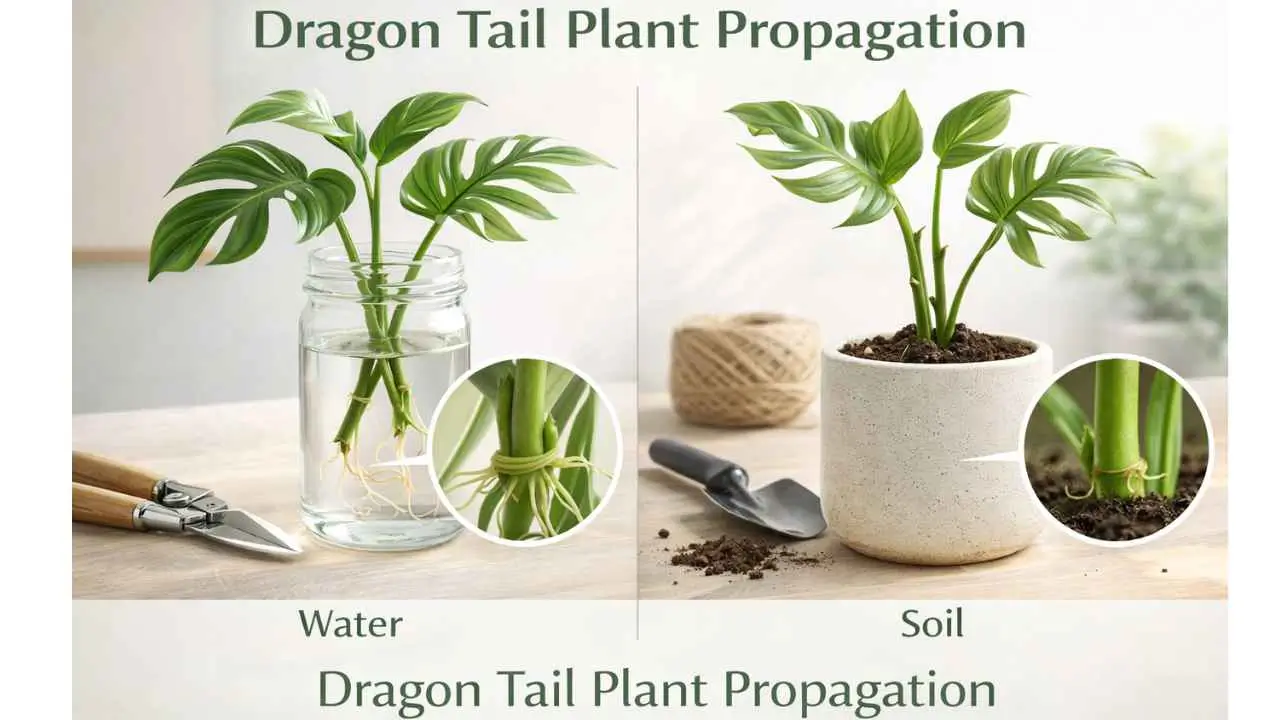
Dragon tail plant propagation is most commonly done through stem cuttings, and it is a simple method even for beginners.
- Choose a healthy stem with at least one node (the small bump where roots can form).
- Use clean scissors to cut just below the node.
- Remove the lower leaves so the node is clear.
- Place the cutting in clean water or into a lightly moist, well-draining potting mix.
- Keep it in bright, indirect light and maintain gentle warmth.
- Change water regularly if using water propagation, or keep soil lightly moist if using potting mix.
The best time to propagate is during active growth seasons, usually spring and early summer, when the plant roots faster and recovers more easily.
Growth Expectations
Root development usually starts within 2–6 weeks, depending on warmth, light, and cutting health. In water, roots are easier to observe, while in soil, growth is seen through improved firmness and new leaf activity. New leaves often appear a few weeks after roots establish, especially when the cutting is moved into a stable potting setup. Faster results are typically seen when the plant is kept in consistent conditions with moderate humidity.
Dragon Tail Plant Growth & Full-Grown Appearance
How Big Does a Dragon Tail Plant Get?
A dragon tail plant can grow to a moderate-to-large size depending on its environment and support.
- Indoors: Growth is usually more controlled, often reaching several feet in length when allowed to trail or climb.
- Outdoors: In tropical or warm climates, the plant can grow much larger, with stronger stems and bigger, more dramatically split leaves.
Climbing support benefits the plant by encouraging upward growth and helping it develop more mature foliage. With a moss pole or similar support, the plant often produces larger leaves and a more “full-grown” look compared to unsupported trailing growth.
Hanging vs Climbing Growth
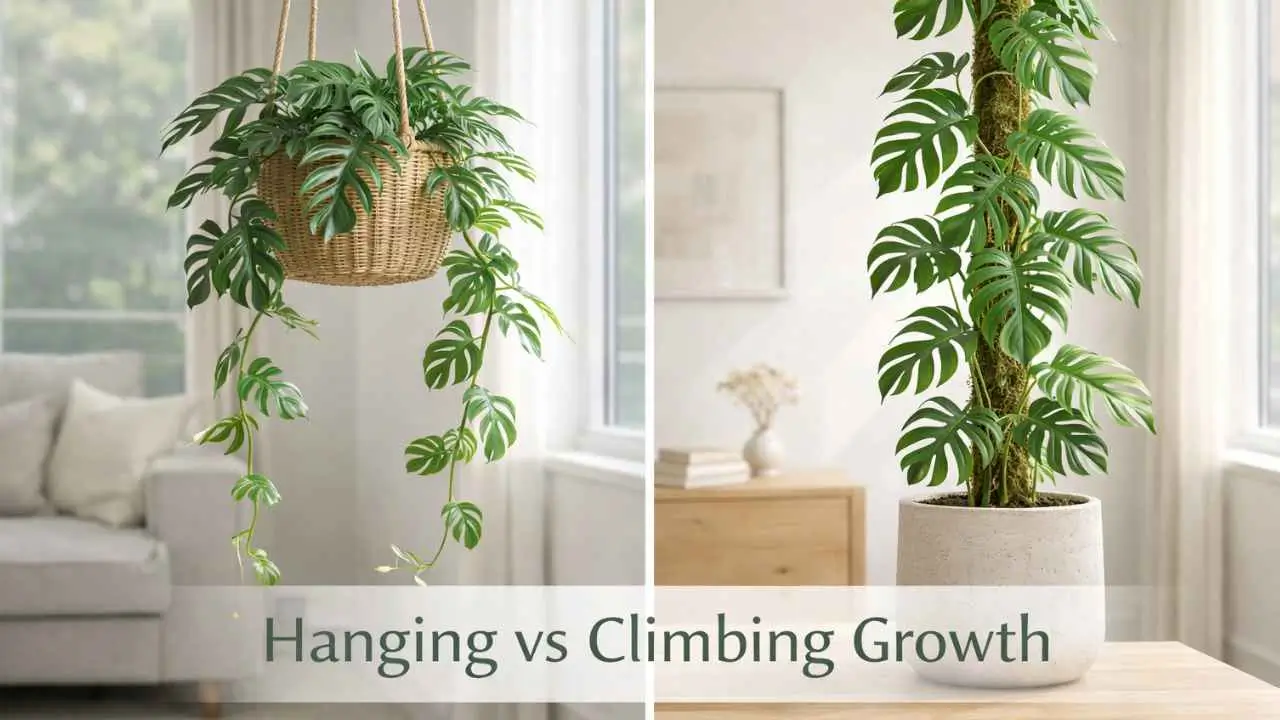
The dragon tail plant can be styled in two popular ways:
- Hanging basket look: The stems trail downward, creating a flowing, leafy display that works well on shelves, wall hooks, or high corners. This style keeps the plant compact and decorative.
- Moss pole or trellis support: The plant climbs upward, creating a vertical statement piece. Support often improves leaf size and helps the plant show more mature, split foliage as it grows.
Dragon Tail Plant Fruit — What You Should Know
Does It Produce Fruit Indoors?
Dragon tail plant fruit is rare indoors, because indoor conditions usually do not meet the specific requirements needed for flowering and fruit development. Fruiting typically requires a mature plant, stable warmth, strong filtered light, and high humidity over long periods. Even with excellent care, indoor plants usually focus energy on leaves and stem growth rather than producing flowers or fruit.
Practical Expectations
Most growers focus on the dragon tail plant for its foliage, not fruit, because the leaf shape and tropical look are the main ornamental value. Since fruiting is uncommon in home settings and offers little practical benefit for most indoor gardeners, the plant is best appreciated for its climbing beauty, decorative impact, and easy indoor growth habits.
Conclusion
Dragon tail plant benefits make this tropical climber a strong choice for indoor spaces that need visual impact without demanding care. Its bold split leaves enhance décor, while its adaptability supports comfortable indoor living. The plant suits beginners, busy homeowners, and plant collectors who want reliable greenery with a tropical feel. With basic light, proper watering, and simple placement precautions, it grows steadily and remains easy to manage. Keep it out of reach of pets and children, handle sap carefully, and provide climbing or hanging support for best results. If you enjoy stylish, low-maintenance houseplants, the dragon tail plant is a rewarding addition worth growing.
FAQs
What are the main dragon tail plant benefits?
The main benefits include strong visual appeal, easy maintenance, adaptability to indoor light conditions, and a calming presence that enhances indoor comfort.
Are dragon tail plant spiritual benefits real?
Many people believe the plant supports positive energy, growth, and balance. While spiritual benefits are belief-based, its calming greenery can contribute to a relaxed environment.
Is the dragon tail plant toxic to pets?
Yes, it can be mildly toxic to cats and dogs if chewed. Symptoms may include drooling and mouth irritation, so keeping it out of reach is recommended.
How fast does a dragon tail plant grow?
Growth is moderate. Under good light and care, new leaves appear regularly, especially during warmer months.
Can dragon tail plants grow indoors long term?
Yes, they grow well indoors long term when provided with bright indirect light, proper watering, and occasional support for climbing.
What is the difference between Rhaphidophora decursiva and Epipremnum pinnatum?
Rhaphidophora decursiva develops more deeply split, dramatic mature leaves, while Epipremnum pinnatum typically has simpler leaf forms and slightly different growth behavior.

Written by the LeafyHeaven Editorial Team
LeafyHeaven shares practical gardening tips and simple plant care guides to help you grow, nurture, and enjoy your plants with ease. Our goal is to make gardening feel natural, approachable, and rewarding for everyone.



[…] Read Also: 7+ Powerful Dragon Tail Plant Benefits You’ll Love Indoors […]