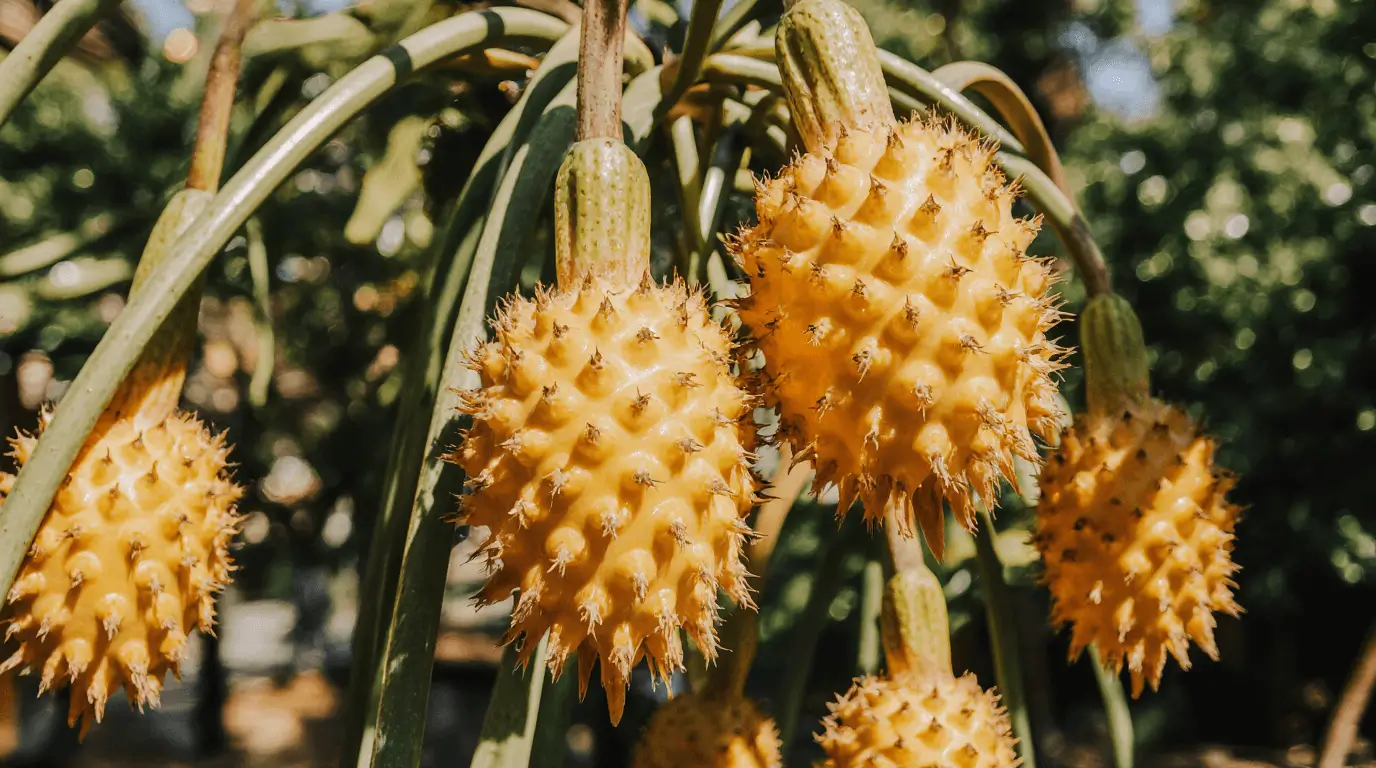

When I first began cultivating a golden dragon fruit at home, I was struck by its vibrant look — the yellow skin, sweet, and succulent flesh made the whole process feel truly worth it. Even as I kept learning, the art of growing this tropical cactus taught me how both beginners and even seasoned gardeners can enjoy this unique and exotic fruit with the right approach, especially when applying simple golden dragon fruit plant growing tips.
If you want a complete overview of exotic fruit care, this tropical fruit trees growing guide explains how to plant and maintain tropical fruit plants successfully.
As I explored the critical aspects of caring for this fruit plant, I noticed how much the allure and captivating nature of its growth pushed me to refine my best practices and understand its exact growing requirements.
- I always start my soil preparation early because healthy soil helps in successful growing and long-term growth.
- I learned that gentle watering techniques make watering more effective, especially for those who are still curious beginners.
- Staying alert with good pest management protects the plant from hidden pests and keeps your progress smooth.
- Using optimal harvesting methods ensures that harvesting gives you the most delightful results and helps you enjoy a truly bountiful harvest.
Over time, these essential strategies helped me prepare better, sharpen my methods, and build strategies that support successful cultivation, giving me new insights and helping my garden fill with thriving plants.
With every small step of implementation, you start nurturing your plant in a way that truly helps aspiring gardeners and empower readers to enjoy real, practical results, especially once you gain deeper understanding of its specific growing requirements, overall practices, and hands-on preparation and techniques for maintaining this tropical and exotic cactus.
1. Understand the Golden Dragon Fruit: Characteristics and Growing Requirements
When I first started working with the golden dragon fruit plant, I was amazed by how striking this tropical cactus looked, especially with its vibrant yellow skin and sweet white flesh. Knowing that it is scientifically called Hylocereus megalanthus helped me understand its natural behavior in warm, humid climates where it can flourish under full sun exposure for 6-8 hours. I learned early on that the plant depends on well-draining sandy soil with a pH level of 5.5 to 7.0, and that optimal growth happens within a temperature range of 65°F to 77°F (18°C-25°C) while also handling temperature fluctuations from 32°F to 90°F (0-32°C) when needed.
As I began to grow more plants, I noticed how these specific requirements helped gardeners like me successfully cultivate strong vines that could reach heights of nearly 20 feet. To guide its climbing nature, I always used a sturdy support structure such as a trellis. I also learned that the species has moderate salt tolerance to high salt tolerance, allowing it to adapt to different soil types, though it performs best in well-drained, slightly acidic soils rich in organic matter. For an optimal yield, it depends on yearly precipitation close to 800mm, and following basic cultivation tips and environmental preferences—like applying a balanced fertilizer every 2-3 months during the growing season—keeps the plant healthy and productive.
In different gardening areas, the USDA zones 9-11 have always been ideal for growing these dragon species. When I explored propagation, I realized dragon fruit seeds usually sprout within 1-2 weeks, but plants cultivated from seeds may take up to 5 years before they yield their first fruit. Understanding these small details helped me care for each plant properly and appreciate how each step shaped the final outcome.
Another fast-growing tropical fruit plant with similar sunlight and soil needs is explained in this red lady papaya tree growing guide.
2. Prepare Your Garden: Soil, Planting Techniques, and Optimal Conditions
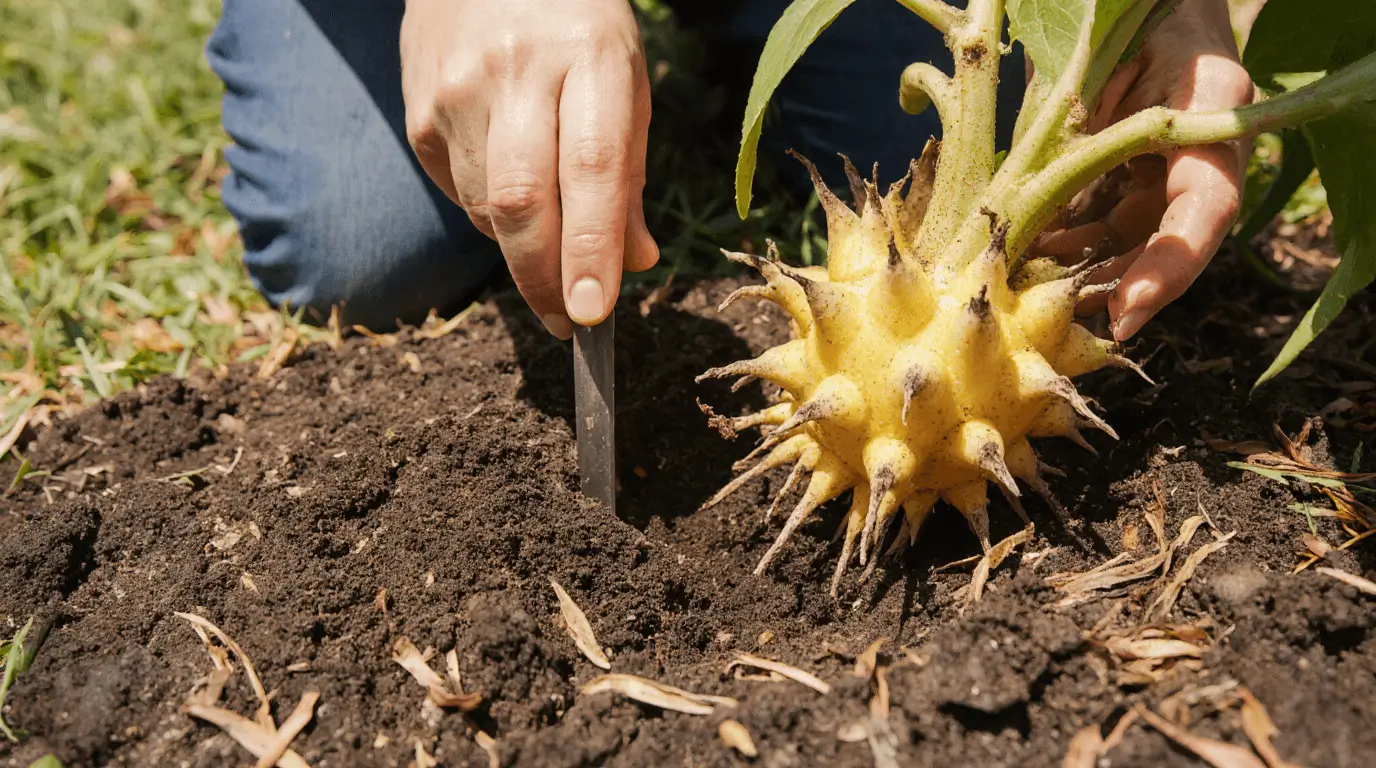
When I first prepared my space for a golden dragon fruit plant, I learned how important it was to choose a sunny location with excellent drainage. I always test the soil to confirm the pH range falls between 6 to 7, and if it doesn’t, I amend it because it’s essential for good soil fertility. Adding organic matter such as compost or well-decomposed manure has helped me build a strong soil mix with equal parts cactus potting soil and perlite, which creates better aeration and prevents compaction during the planting process.
Before placing the plant, I dig a hole about twice the size of the root ball, making sure the depth matches the original container. To keep the vegetation hydrated, I irrigate regularly and give about an inch of water weekly, which helps retain moisture. Using a 2 to 3-inch layer of mulch kept a few inches away from the stem helps inhibit weeds and prevent decay. I also adjust the cultivation area to shield the plant from strong winds, especially since the delicate stems of this species can be easily damaged.
Whenever I am cultivating multiple specimens, I make sure they are spaced 6 to 8 feet apart to support adequate growth and maintain good soil health. I apply a balanced NPK fertilizer of 10-10-10 every 6 to 8 weeks during the active growth period, and I always test soil pH every six months, especially when I notice signs of stress. These small habits have helped me grow stronger plants with confidence.
3. Maintain Your Plants: Care, Watering, and Pest Management Strategies
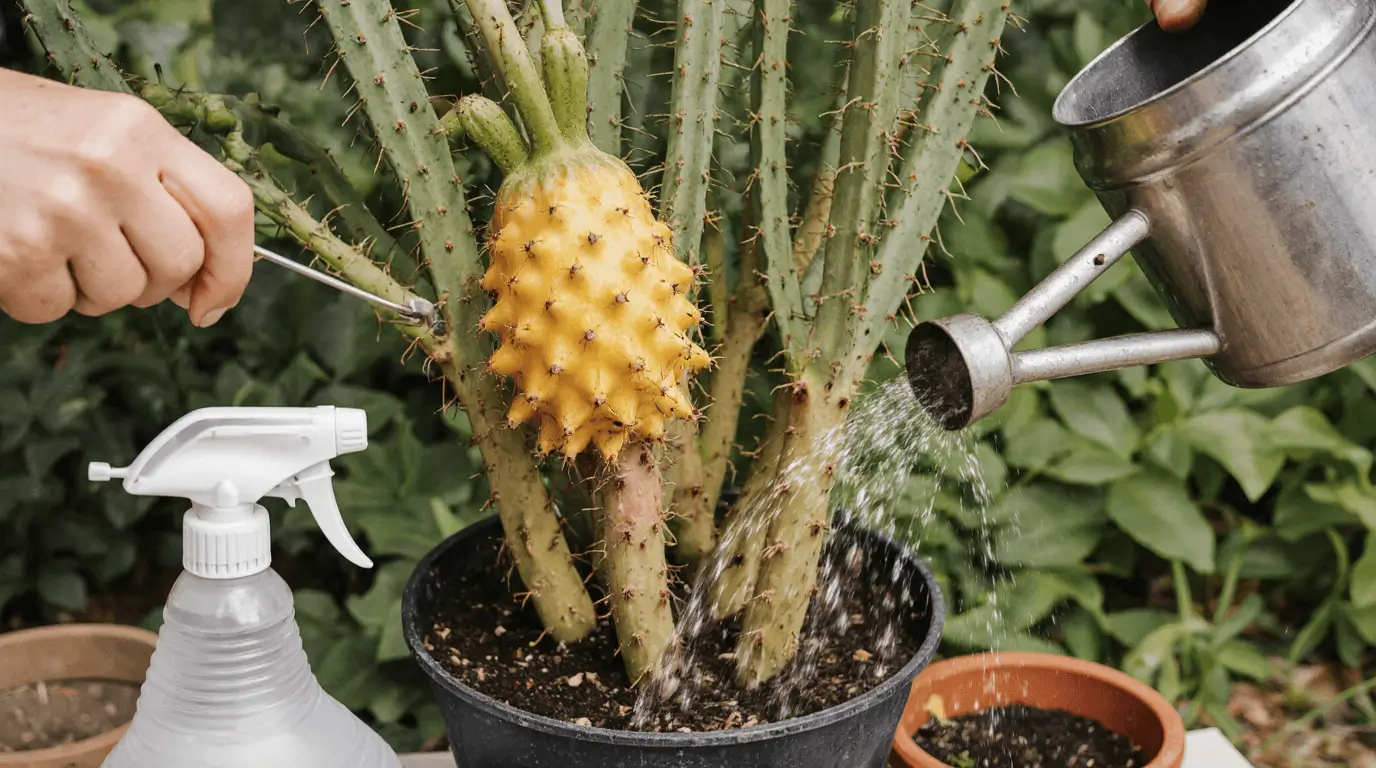
When I’m nurturing my golden dragon fruit plant, I follow a strategic approach that keeps all my cultivations healthy through each growing season. I always start by checking the soil and making sure it can dry out properly, which helps prevent root rot—something I learned the hard way in my early attempts.
Here are the key practices I follow:
- I water thoroughly but infrequently, sometimes watering every three weeks, and during dormant winter months, I reduce watering to just once a month to support the plant’s seasonal needs.
- I focus on fertilization by applying a balanced fertilizer that is administered every 4-6 weeks to encourage robust growth, and I keep a thick layer of mulch (about 5-8 cm or 2-3 inches) around the base to help with retaining soil moisture and regulating temperature.
- When caring for Dragon species, I stay alert through constant monitoring for pests like aphids and mealybugs, which can be effectively managed using organic solutions such as neem oil or insecticidal soap.
- Through regular inspections, I watch for signs of disease, and I’ve learned that maintaining good sanitation by removing dead material or infected material can prevent issues before they spread.
- I practice steady pruning, especially removing weak stems or damaged stems, because it promotes healthy growth, enhances yield, and ultimately helps the plant thrives and produces more delicious harvests using simple, consistent methods.
To better understand how watering impacts tropical fruit plants, this mango tree water requirement guide explains irrigation strategies that also apply to dragon fruit.
4. Harvest Effectively: Timing and Techniques for Optimal Fruit Quality
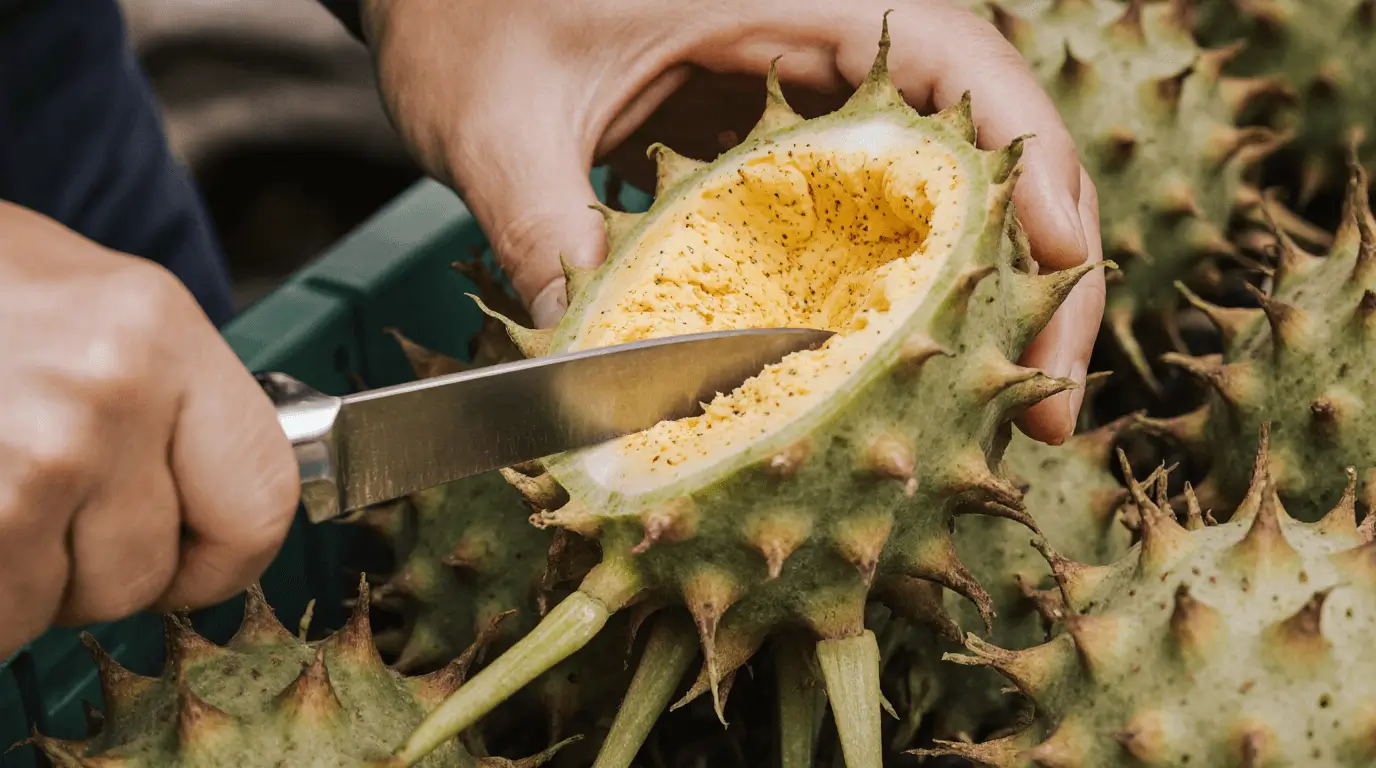
When I work on harvesting my golden dragon fruit plant, I rely on precise timing and a careful technique to protect the optimal quality of each fruit. I first pay attention to how the fruit matures about 27 to 33 days after blooming, and I watch closely for indicators of ripeness like a vibrant yellow coloration and slight softness when the fruit is gently squeezed. From my experience, waiting about harvest four days after the color change has always given me the best flavor during the ideal harvesting period in mid-summer or early autumn.
To gather the fruit, I use a sharp knife to sever it cleanly from the stem, making sure I cause minimal damage to the plant. I prefer picking in the morning on a dry day because it helps reduce moisture exposure, which can affect quality. After that, I always handle gently to prevent bruising and I make sure to avoid purchasing any fruit with leaking juice, since that usually signals potential damage. I then store them in a cool dry location to maintain freshness, which has made a noticeable difference in how long the fruit lasts.
As Andrew Carberry, Food Systems and Gardening Expert, often explains, using proper harvesting techniques not only preserves flavor but enhances gardening experience overall. I’ve seen this myself—small mindful habits turn into consistent results that make every harvest worth the effort.
Conclusion
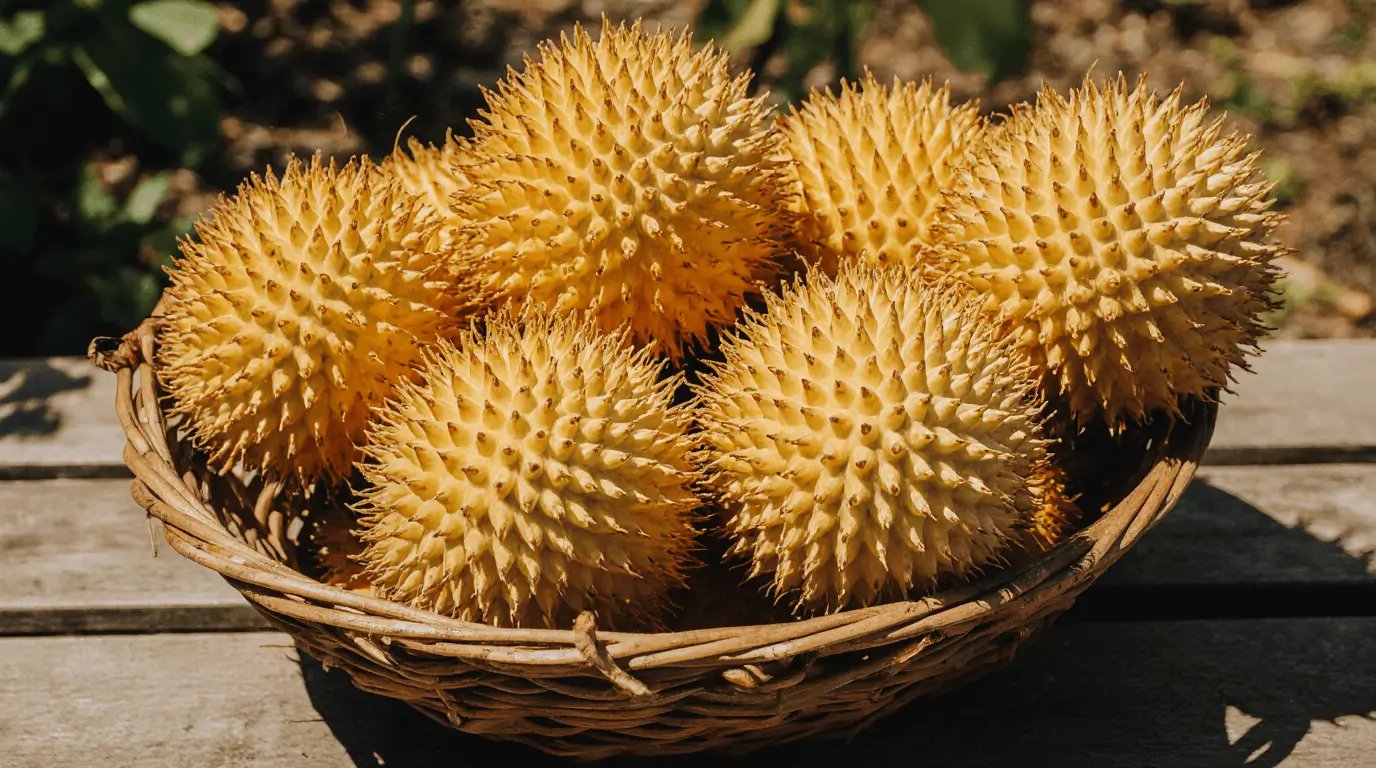
Growing a golden dragon fruit plant becomes much easier when you understand its needs from the very beginning. By giving it the right soil conditions, proper planting methods, consistent watering, and careful pest management, you help the plant grow strong and healthy. When the time comes for harvesting, paying attention to timing and handling makes a big difference in the flavor and quality of the fruit. With patience, simple routines, and the right techniques, you can enjoy beautiful plants and delicious harvests season after season.
For additional background on the plant’s biology and growth habits, you can check this scientific reference on dragon fruit cultivation, which provides reliable insights for beginners and experienced growers.
FAQs
How long does it take for a golden dragon fruit to be ready for harvest?
It usually takes around 27–33 days after blooming for the fruit to fully ripen. The skin should turn bright yellow, and the fruit should feel slightly soft.
What type of soil is best for golden dragon fruit plants?
Well-draining sandy soil with a pH between 6 and 7 works best. Adding compost, perlite, and organic matter helps improve structure and drainage.
How often should I water my golden dragon fruit plant?
Water deeply but not too frequently. Most growers water every two to three weeks, letting the soil dry out between irrigations. During winter, water only once a month.
How do I know if pests are affecting my plant?
Look for signs of aphids, mealybugs, or sticky residue on stems and leaves. Regular inspections help you catch pest problems early.
What is the best way to fertilize the plant?
Use a balanced fertilizer like 10-10-10 every 4–6 weeks during the active growing season. Avoid over-fertilizing, as it can stress the plant.
Can I grow golden dragon fruit in colder areas?
The plant grows best in USDA zones 9–11. In colder climates, it must be grown in containers and moved indoors during colder months.
How can I prevent fruit damage during harvest?
Use a sharp knife, cut carefully at the stem, and handle the fruit gently to avoid bruising or moisture exposure.

Written by the LeafyHeaven Editorial Team
LeafyHeaven shares practical gardening tips and simple plant care guides to help you grow, nurture, and enjoy your plants with ease. Our goal is to make gardening feel natural, approachable, and rewarding for everyone.