
Introduction
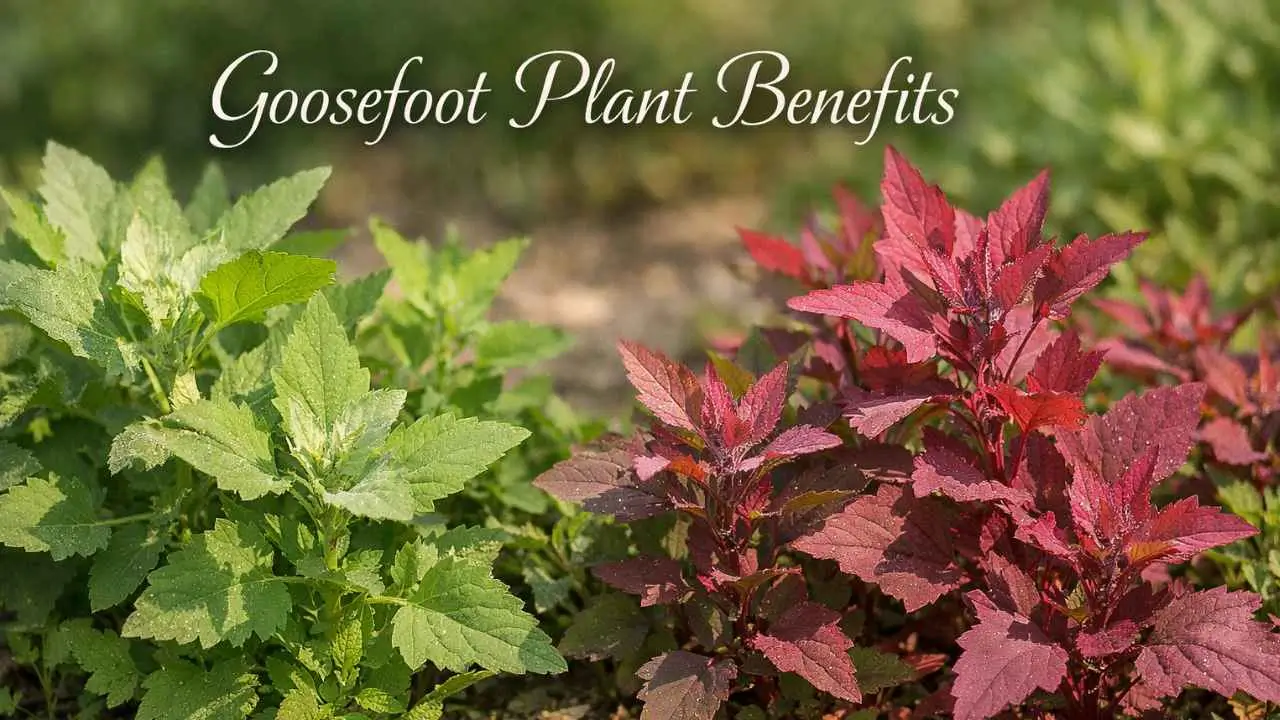
The goosefoot plant is a widely recognized leafy green that grows naturally in many regions and has been used for generations as a seasonal food source. Known for its adaptability and nutrient density, this plant holds strong natural and traditional importance in daily diets, especially in cooler months. Many cultures value goosefoot plant benefits for supporting everyday health through simple, home-cooked meals. The plant is commonly found in two forms—white goosefoot and red goosefoot—each with its own visual traits and traditional uses. Because the goosefoot plant is both edible and medicinal, it continues to attract interest from people seeking natural greens that support balanced nutrition and traditional wellness practices.
Goosefoot Plant Benefits for Overall Health

The goosefoot plant benefits for overall health come mainly from its role as a nutrient-rich leafy green that supports the body through regular, balanced consumption. Traditionally used as a seasonal vegetable, goosefoot provides gentle nourishment that fits well into everyday meals. In many cultures, it has long been valued as a leafy green in traditional diets, especially during cooler months when fresh greens are limited. Regular inclusion of goosefoot helps promote general wellness and nutritional support by contributing plant-based nutrients that assist digestion, energy balance, and overall dietary diversity without relying on processed foods.
These types of natural plant-based benefits are also explained in a complete natural healing and herbal wellness guide, which highlights how traditional foods support daily health.
Nutritional Profile of Goosefoot Plant
The nutritional profile of the goosefoot plant explains why it is respected as a wholesome, traditional green.
- Natural source of vitamins and minerals
Goosefoot naturally contains essential vitamins and minerals commonly found in leafy greens, which support basic body functions and daily nutritional needs.Nutritional research on leafy greens is widely available through the National Institutes of Health (NIH). Scientific evidence is limited and these uses should not replace medical treatment.
- Supports digestion and general vitality
As a fibrous plant food, goosefoot supports normal digestion and helps maintain a feeling of lightness and balance when eaten as part of a cooked meal. - Seasonal leafy green advantages
Being a seasonal plant, goosefoot aligns with traditional eating patterns, offering fresh nutrition at times when the body benefits most from warming, cooked greens.
Goosefoot Plant Benefits for Skin

The goosefoot plant benefits for skin are closely linked to its role as a nourishing leafy green consumed as part of a balanced diet. Traditionally, leafy greens like goosefoot are valued for supporting skin health from within by providing plant-based nutrients that help the body maintain a healthy appearance. When included regularly in meals, goosefoot contributes to overall dietary quality, which is essential for naturally supporting skin health.
Similarly, plants like the lavender plant are also valued for their calming and supportive role in overall well-being.
This internal nourishment approach reflects how traditional diets relied on seasonal greens to promote clear, well-balanced skin without external treatments.
How Goosefoot Helps Maintain Healthy Skin
The way goosefoot supports skin health is tied to its natural plant properties and long-standing traditional use.
- Antioxidant support for skin clarity
Goosefoot contains natural plant compounds commonly associated with leafy greens, which help support the body’s normal defenses that contribute to a clear and refreshed skin appearance. - Helps maintain natural skin balance
As part of a wholesome diet, goosefoot supports internal balance, which plays an important role in maintaining normal skin tone and texture over time. - Traditional skincare-related uses
In traditional practices, goosefoot has been associated with simple, food-based approaches to skin care, where consistent consumption of nutritious greens was believed to support overall skin wellness naturally.
Goosefoot Plant Benefits and Side Effects
Understanding goosefoot plant benefits and side effects together is important for safe and informed use. While goosefoot is valued as a traditional leafy green with nutritional advantages, it should always be consumed in a balanced way. Like many wild or semi-cultivated greens, its benefits are best experienced when eaten in moderation and prepared correctly. Proper handling and cooking help ensure that the plant supports daily health without causing discomfort. Traditional food practices emphasize careful preparation, showing that moderation and knowledge are key parts of safely enjoying goosefoot as part of a regular diet.
Possible Side Effects of Goosefoot Plant
- Risks of overconsumption
Eating large amounts of goosefoot on a frequent basis may cause digestive discomfort in some individuals, especially if the body is not accustomed to leafy greens with strong plant compounds. - Why proper cooking is important
Goosefoot is typically cooked before consumption because proper cooking helps reduce naturally occurring substances that may be harsh on the digestive system when eaten raw. - Who should be cautious when consuming goosefoot
Individuals with sensitive digestion, existing dietary restrictions, or specific health concerns should consume goosefoot in small amounts and ensure it is well cooked, following traditional preparation methods for safety.
White Goosefoot Plant Benefits

The white goosefoot plant benefits are widely recognized in regions where this leafy green is traditionally grown and consumed. Commonly known as bathua, white goosefoot has a long history of use as a seasonal vegetable valued for its gentle nutritional support. It is especially popular in traditional food and wellness practices, where it is included in home-cooked meals to support everyday health. Because of its mild flavor and adaptability, white goosefoot continues to be a trusted choice for people who prefer natural, plant-based foods rooted in traditional diets.
White Goosefoot Medicinal Uses
The white goosefoot medicinal uses are mainly linked to traditional dietary practices rather than isolated treatments.
- Overview of white goosefoot medicinal uses
White goosefoot has traditionally been consumed as part of regular meals to support overall well-being through nutrition. - Traditional digestive and wellness support
In many cultures, bathua is included in cooked dishes believed to support comfortable digestion and general body balance when eaten in moderation.Other traditional plants such as the leaf of life plant are also commonly associated with natural, food-based wellness practices.
- Use in seasonal and herbal diets
White goosefoot is often added to seasonal and herbal diets, especially during cooler months, aligning with traditional food wisdom focused on seasonal eating.
White Goosefoot Uses in Daily Life
The white goosefoot uses in daily life are simple, practical, and food-focused.
- White goosefoot uses in home cooking
Bathua is commonly cooked as a leafy vegetable in soups, flatbread fillings, and mixed greens. - Simple ways to include it in meals
It can be lightly cooked, combined with other vegetables, or used as a greens-based ingredient in traditional dishes. - Practical household and dietary uses
White goosefoot fits easily into everyday diets as a seasonal green, making it a convenient option for households that value traditional, plant-based foods.
Red Goosefoot Plant Benefits
The red goosefoot plant benefits are often discussed in relation to its distinct appearance and traditional use as a leafy green. Compared to white goosefoot, red goosefoot is easily recognized by its deeper leaf coloration, which reflects natural plant pigments. These visual and nutritional differences set it apart while still placing it within the same traditional food category. In regional diets, red goosefoot is valued not only for its color but also for the variety it brings to seasonal meals, supporting balanced nutrition through plant diversity.
Unique Characteristics of Red Goosefoot
- Pigment-based nutrient value
The red tones in red goosefoot leaves come from natural plant pigments, which are commonly associated with leafy greens that contribute to overall nutritional diversity when included in cooked dishes. - Traditional and regional culinary uses
Red goosefoot has been used in regional cooking practices where it is prepared similarly to other leafy vegetables, adding both color and nutritional variety to traditional meals.
Is Goosefoot Plant Edible?
The answer to the goosefoot plant edible question is yes, goosefoot is considered edible when the correct plant variety is properly identified and prepared. Traditionally, goosefoot has been consumed as a cooked leafy vegetable in many regions, making accurate identification an important first step. Not all wild plants that resemble goosefoot are suitable for eating, so recognizing the correct variety helps ensure safe use. When handled carefully and prepared using traditional methods, goosefoot fits well into regular diets as a seasonal green.
Safe Ways to Consume Goosefoot Plant
- Common cooking methods
Goosefoot is most commonly cooked by boiling, sautéing, or simmering as part of mixed vegetable dishes, which helps make it easier to digest. - Cleaning and preparation tips
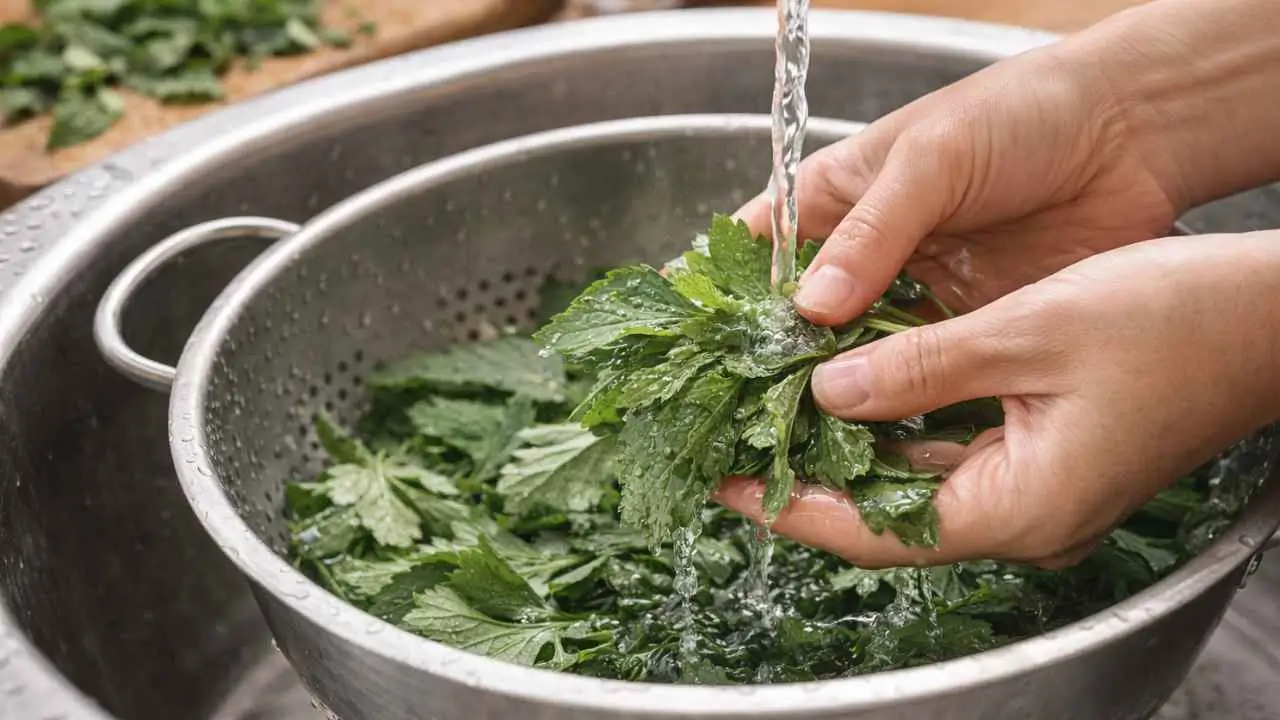
The leaves should be washed thoroughly to remove dirt and impurities, then trimmed and cooked fully before consumption. - Why raw consumption is usually avoided
Raw goosefoot is generally avoided because cooking helps reduce naturally occurring compounds that may be harsh on digestion when eaten uncooked.
Conclusion
The key goosefoot plant benefits come from its role as a traditional leafy green that supports overall nutrition, digestion, and everyday wellness when consumed as part of a balanced diet. Both varieties offer value, with white goosefoot commonly used for its mild taste and widespread traditional use, while red goosefoot adds visual appeal and nutritional variety through its natural pigments. Regardless of the type, safe and moderate consumption is essential, along with proper identification and cooking. Including goosefoot and other traditional leafy greens in regular meals encourages dietary diversity and helps maintain a natural connection to time-tested food practices that support long-term health.
FAQs
What are the main goosefoot plant benefits?
The main goosefoot plant benefits include nutritional support from a natural leafy green, contribution to digestive comfort, and support for overall wellness when eaten as part of a balanced, traditional diet.
Are goosefoot plant benefits for skin proven?
The goosefoot plant benefits for skin are traditionally linked to its nutritional value as a leafy green. While it is not a medical treatment, regular consumption as part of a healthy diet may support normal skin balance through internal nourishment.
Is the goosefoot plant edible every day?
The goosefoot plant edible status depends on moderation. It can be eaten regularly during its season when properly cooked, but daily consumption in large amounts is generally avoided to maintain dietary balance.
What are common white goosefoot medicinal uses?
Common white goosefoot medicinal uses are food-based and traditional, mainly focused on supporting digestion and general wellness through cooked meals rather than targeted remedies.
Are there any risks linked to goosefoot plant benefits and side effects?
Yes, understanding goosefoot plant benefits and side effects is important. Overconsumption or improper preparation may cause digestive discomfort, which is why moderation, correct identification, and thorough cooking are strongly recommended.

Written by the LeafyHeaven Editorial Team
LeafyHeaven shares practical gardening tips and simple plant care guides to help you grow, nurture, and enjoy your plants with ease. Our goal is to make gardening feel natural, approachable, and rewarding for everyone.



[…] Read Also: 5+ Powerful Goosefoot Plant Benefits for Daily Health […]