
Introduction
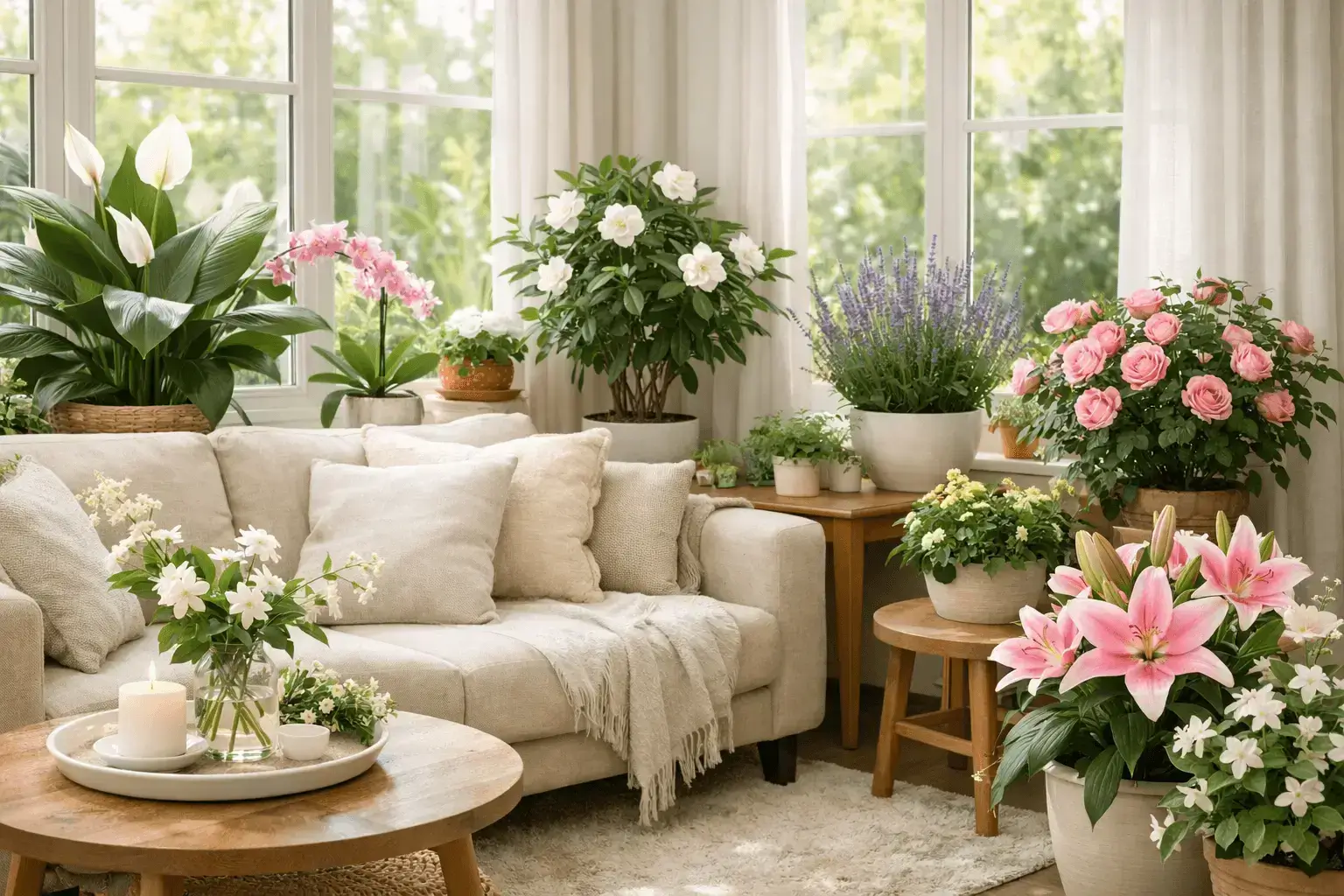
Houseplants that smell good are becoming increasingly popular as people look for natural ways to keep their homes fresh and inviting. Instead of relying on artificial sprays or chemical air fresheners, many homeowners now prefer indoor plants that smell good and provide a gentle, long-lasting fragrance. These fragrant houseplants help create a fresh indoor air feel while adding beauty and life to living spaces. Beyond scent, they are also valued for their mood-boosting effects, as pleasant natural aromas can promote relaxation and reduce daily stress. Choosing indoor plants that smell good allows you to enjoy a cleaner, chemical-free scent while enhancing the comfort and overall atmosphere of your home.
What Are Houseplants That Smell Good?
Houseplants that smell good are indoor plants that naturally release pleasant aromas into the surrounding space. These house plants with fragrance can scent a room gently or noticeably, depending on the plant type, growing conditions, and placement. A fragrant houseplant may produce scent through its leaves, stems, or flowers, making it a natural option for adding freshness indoors without artificial products.
There are two main fragrance sources to understand. Foliage fragrance comes from leaves or stems and is usually subtle, steady, and present year-round. Many indoor plants scented this way release aroma when leaves are touched, warmed by sunlight, or moved by airflow. Flowering fragrance, on the other hand, is stronger and more noticeable but often seasonal. These plants release scent mainly during blooming periods, which can vary in length and intensity.
Scent strength also changes indoors based on light, humidity, temperature, and air circulation. Bright indirect light, proper watering, and good airflow often help indoor plants scented naturally express their fragrance more clearly, while low light or poor care can reduce how much scent you notice.
Benefits of Growing Fragrant Houseplants Indoors
-
Natural Air Freshening
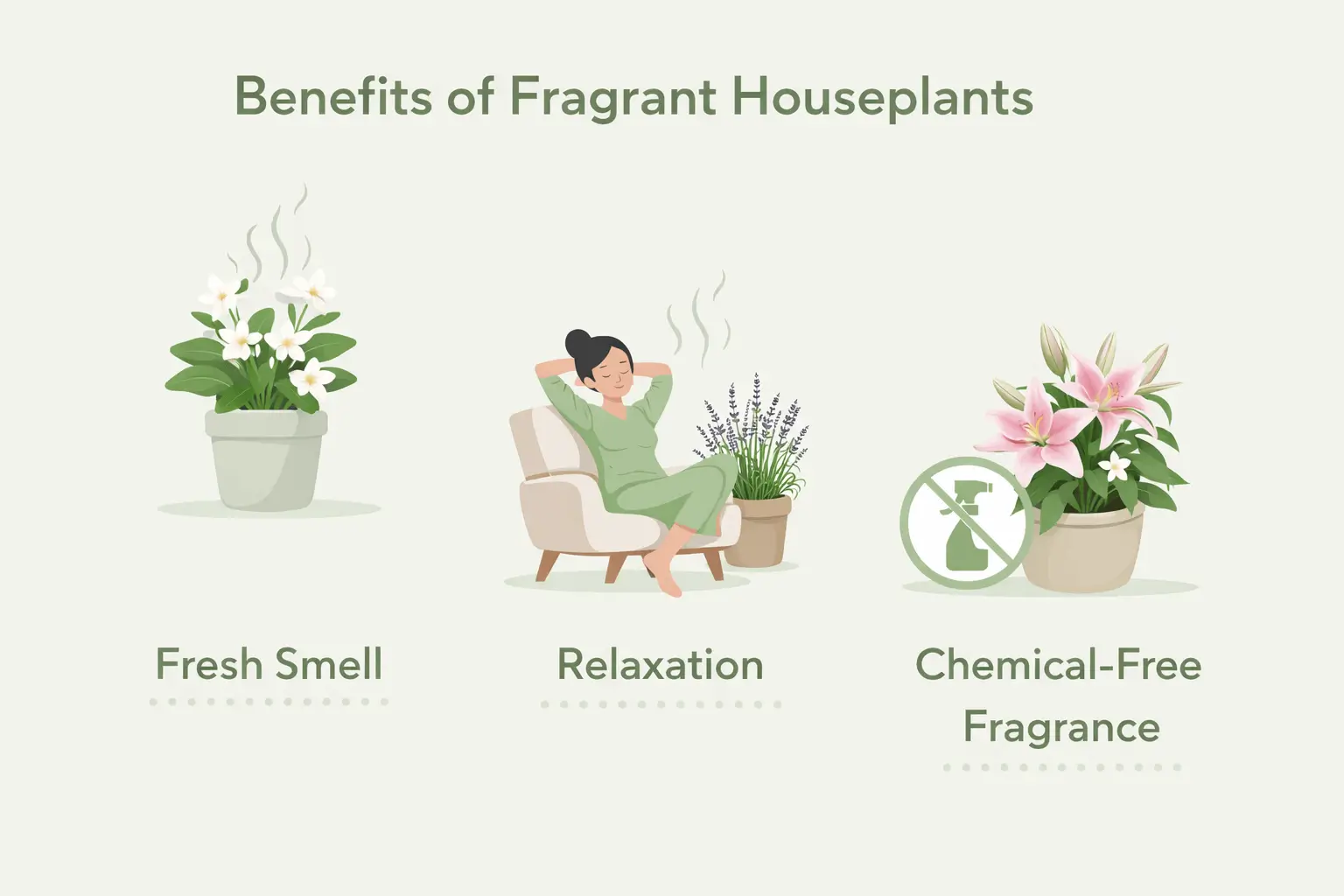
Fragrant houseplants work as plants to make your house smell good by releasing natural aromas into the air. As air circulates around their leaves and flowers, these plants help soften unpleasant indoor odors and replace them with a fresh, earthy scent. Unlike artificial solutions, plants that make the house smell good provide a steady and gentle fragrance that blends naturally into the home environment. This creates a cleaner, more inviting atmosphere using indoor plants for good smell without overpowering the senses.
-
Mood, Relaxation & Stress Relief
Scent plays a powerful role in how we feel indoors. Indoor plants for good smell can positively affect mood by creating a calming and comforting environment. Natural plant aromas are often associated with relaxation, focus, and emotional balance, making scented indoor spaces feel more peaceful. Many people notice reduced stress levels and improved mental clarity when surrounded by plants that make the house smell good, especially in areas where they unwind, work, or sleep.
-
Chemical-Free Home Fragrance
One of the biggest advantages of using plants to make your house smell good is avoiding synthetic chemicals. Many air fresheners release artificial fragrances that can irritate the lungs or trigger headaches. In contrast, indoor plants for good smell provide a safer, chemical-free alternative. These plants that make the house smell good release natural scents without aerosols, toxins, or residues, making them a healthier choice for homes with children, pets, or scent sensitivities.
Best Houseplants That Smell Good (Top Picks)
-
Best Smelling Indoor Plants for Everyday Homes
The best smelling indoor plants for everyday homes are those that release a pleasant scent without being overpowering. These plants work especially well in living rooms and bedrooms, where a soft, continuous fragrance helps create a relaxing atmosphere. Many good smelling plants for indoors produce gentle aromas that blend naturally into daily life, making them ideal for shared spaces. When placed in areas with proper light and airflow, the best indoor plants for smell can keep rooms feeling fresh throughout the day without requiring constant attention.
-
Most Fragrant Indoor Plants for Strong Scent
If you prefer a more noticeable aroma, the most fragrant indoor plants are the best choice. These plants produce a stronger scent that can quickly fill a room, making them suitable for larger spaces or areas where odor control is needed. The most fragrant indoor plants are often chosen for their ability to release scent during specific times, such as evening or blooming periods. When cared for correctly, these good smelling plants for indoors can provide a rich, natural fragrance that replaces artificial air fresheners effectively.
-
Best Indoor Plants for Smell in Small Spaces
Small apartments, offices, and compact rooms benefit from best indoor plants for smell that do not overwhelm limited space. In these environments, good smelling plants for indoors should offer controlled fragrance that enhances the room without becoming too strong. Choosing compact plants with steady aroma output allows even small spaces to enjoy the benefits of the best smelling indoor plants. With proper placement near windows or airflow sources, these plants can make smaller areas feel cleaner, fresher, and more comfortable.
Best Smelling Indoor Flowers
-
Flowering Houseplants That Smell Good
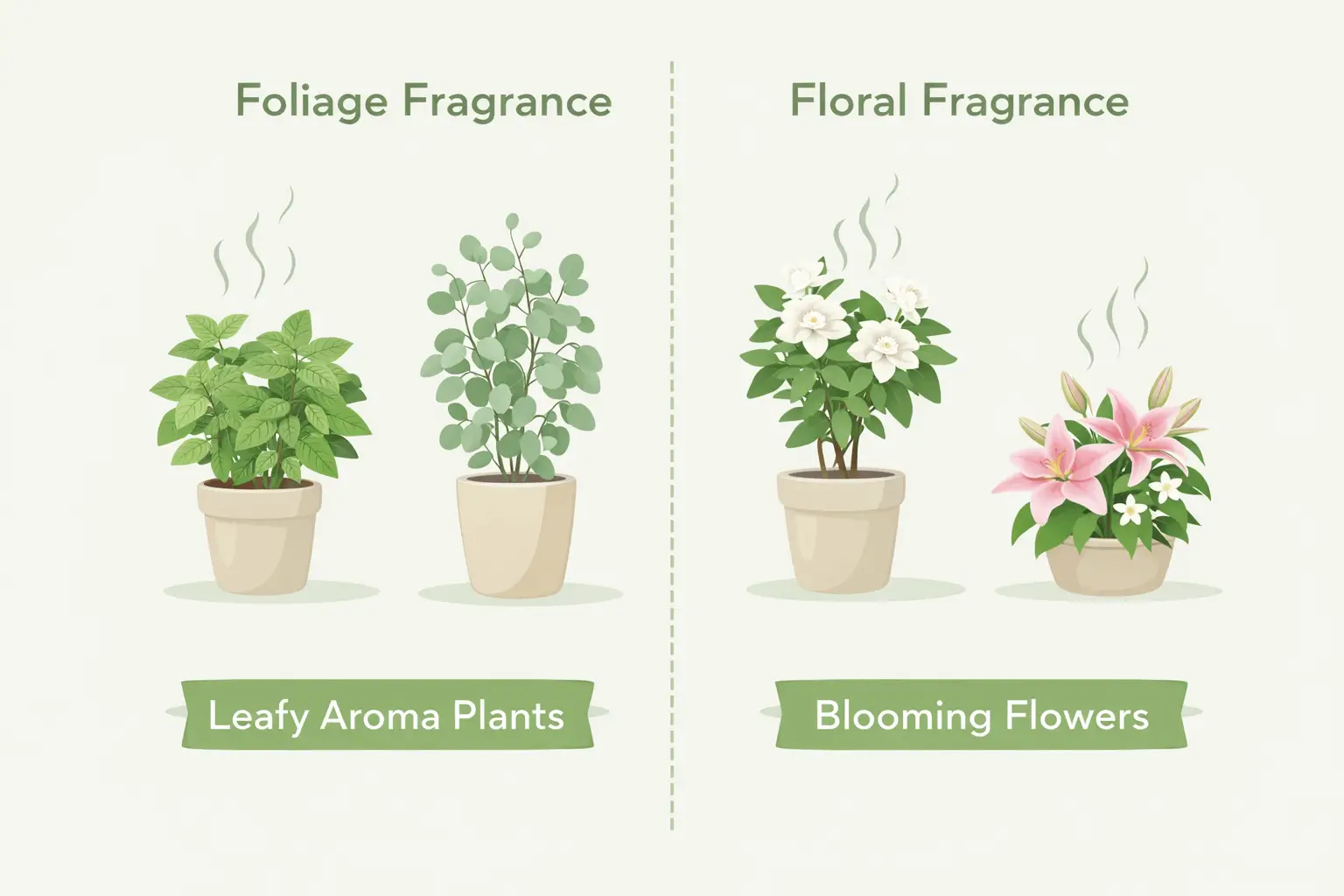
Flowering houseplants that smell good produce fragrance mainly through their blooms rather than their leaves. Unlike foliage-scented plants, which release subtle aroma from leaves or stems, floral-scented plants create a stronger and more noticeable scent when flowers open. Many flowers that smell good indoor release fragrance during specific times of the day, often becoming more aromatic in the evening or when light levels change. This makes the best smelling indoor flowers ideal for areas where a richer, more expressive scent is desired, such as living rooms or bedrooms.
-
Long-Lasting vs Seasonal Indoor Flowers
When choosing the best smelling flowers for indoors, it is important to understand how long their fragrance lasts. Some best smelling indoor flowers bloom for extended periods and provide scent for weeks or months under proper care. Others are seasonal, meaning their fragrance appears only during specific blooming cycles. Indoors, factors like light, temperature, and humidity influence how often flowers that smell good indoor will bloom and how intense their scent becomes. Knowing this helps set realistic expectations and allows you to select best smelling indoor flowers that match your preferred fragrance strength and duration.
Aromatic & Scented Indoor Plants (Non-Flowering)
-
Leaf-Based Fragrance Plants
Aromatic indoor plants that produce scent through their leaves are valued for their consistent and natural aroma. These aromatic house plants release fragrance when leaves are brushed, warmed by light, or exposed to airflow. Many foliage-based plants and herbs fall into this category, offering a steady scent without relying on flowers. Because their fragrance comes from leaves, these scented indoor plants provide year-round aroma and are easy to maintain indoors, making them a practical choice for homes seeking subtle natural freshness.
-
Perfumed Indoor Plants for Subtle Fragrance
Perfumed indoor plants are ideal for those who prefer a soft, continuous scent rather than a strong burst of fragrance. These scented indoor plants gently release aroma into the surrounding space, creating a calm and comfortable environment. Aromatic house plants with perfumed foliage work well in bedrooms, workspaces, and reading areas where a mild scent is preferred. With proper care, these aromatic indoor plants maintain a balanced fragrance level that enhances indoor air without becoming overpowering.
How to Make Indoor Plants Smell Stronger
-
Light, Water & Placement Tips
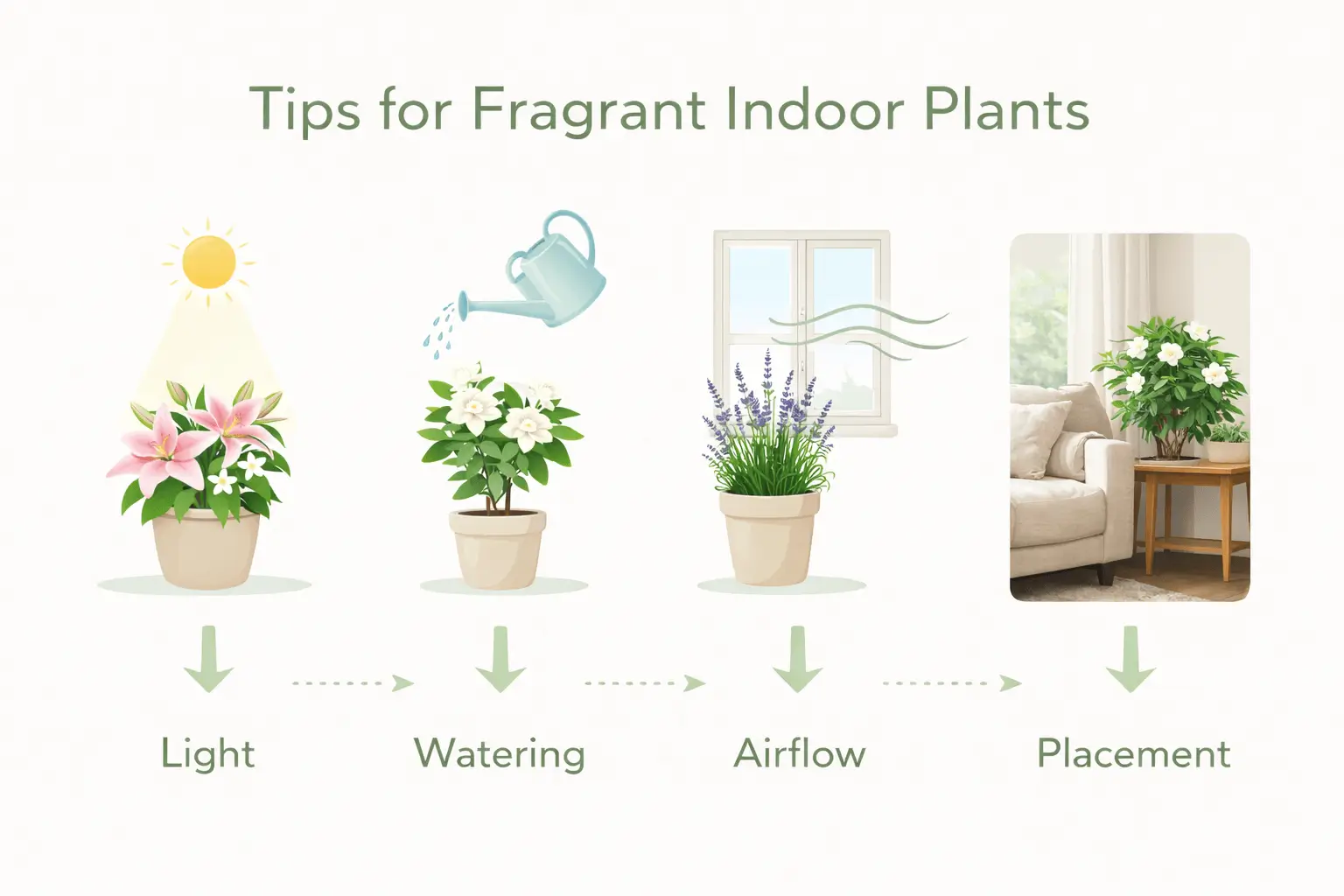
Proper care plays a major role in how strongly indoor plants for fragrance release their scent. Most fragrant indoor plants need adequate light to support healthy growth and aroma production, with bright indirect light being ideal in many cases. Correct watering is equally important, as both underwatering and overwatering can weaken scent output. Placement near gentle airflow, such as open windows or ventilated rooms, helps indoor fragrant plants disperse their aroma more effectively throughout the space.
-
Common Mistakes That Reduce Plant Scent
Several common care mistakes can reduce the fragrance of fragrant indoor plants. Overwatering is one of the most frequent issues, as soggy soil stresses roots and limits scent production. Providing the wrong light level can also prevent indoor plants for fragrance from developing strong aroma, especially if they are kept in dim areas. Poor airflow further traps scent close to the plant, making indoor fragrant plants seem less effective. Avoiding these mistakes helps maintain healthy plants with noticeable natural fragrance.
How to Choose the Right Fragrant Houseplant for Your Home
-
Mild vs Strong Scent Preference
Choosing the right fragrant house plants starts with understanding your scent tolerance. Some people enjoy a light, barely noticeable aroma, while others prefer a richer and more expressive fragrance. The best scented houseplants for mild scent preferences release aroma gently and consistently, making them suitable for daily living. In contrast, the best scented indoor plants for strong fragrance create a more noticeable presence and are better placed where scent intensity will not feel overwhelming.
-
Bedrooms, Living Rooms & Entryways
Different rooms benefit from different fragrance levels. Bedrooms often suit best scented indoor plants with soft, calming aromas that do not interfere with sleep. Living rooms can handle slightly stronger fragrant house plants that help maintain a fresh and welcoming atmosphere. Entryways benefit from the best scented houseplants that create an immediate pleasant impression without dominating the space. Matching plant fragrance strength to room function helps maintain comfort throughout the home.
-
Allergy-Friendly Scented Plants
For sensitive individuals, selecting allergy-friendly fragrant house plants is essential. The best scented houseplants for allergy-prone homes release natural aroma without heavy pollen or sharp scent compounds. Choosing best scented indoor plants with mild fragrance and good air circulation reduces irritation while still allowing you to enjoy natural scent indoors.
Care Tips for Fragrant Houseplants
-
Watering & Humidity
Proper watering is essential for keeping fragrant indoor house plants healthy and aromatic. Consistent moisture supports steady growth, while overly dry or waterlogged soil can weaken scent production. Most fragrant indoor plants prefer balanced humidity levels, as dry indoor air may reduce aroma strength. Maintaining moderate humidity helps fragrant indoor house plants release their natural scent more effectively.
-
Soil & Fertilization
Well-draining soil plays a key role in supporting root health and fragrance development in fragrant indoor plants. Nutrient-rich soil allows plants to grow vigorously, which directly affects aroma quality. Light, regular fertilization during active growth helps fragrant indoor house plants maintain healthy foliage and stronger scent, while over-fertilizing can reduce fragrance and damage roots.
-
Encouraging Bloom & Aroma
To encourage both blooming and scent, fragrant indoor plants need the right balance of light, nutrients, and care. Proper pruning, correct light exposure, and timely feeding all contribute to better aroma output. Healthy fragrant indoor house plants are more likely to produce noticeable scent, whether through leaves or flowers, making consistent care essential for long-lasting fragrance indoors.
Conclusion
Houseplants that smell good offer a simple and natural way to improve how your home feels every day. They provide a fresh indoor air feel, support relaxation, and add gentle fragrance without relying on synthetic chemicals. From mood-boosting aromas to cleaner, more inviting living spaces, fragrant plants combine beauty and function in a way artificial fresheners cannot match.
Replacing sprays and plug-ins with natural options helps create a healthier indoor environment while still keeping your home smelling pleasant. Whether you prefer a mild scent or a more noticeable aroma, there is a fragrant plant that fits your space and lifestyle. Start by adding at least one fragrant plant indoors and experience the difference natural scent can make in your home.
Read Also: 7+ Powerful Philodendron Scanden Care Secrets for Lush Growth
FAQs
Which houseplants that smell good are best for beginners?
Houseplants that smell good and are beginner-friendly are usually easy to care for and do not require complex maintenance. These plants tolerate minor care mistakes while still producing pleasant fragrance. Beginners should focus on plants that adapt well to indoor conditions and release scent steadily without needing frequent adjustments.
What are the most fragrant indoor plants for apartments?
The most fragrant indoor plants for apartments are those that provide noticeable aroma without overpowering small spaces. Compact fragrant plants work best in apartments because they release scent gradually and fit well near windows or ventilated areas. Choosing plants with controlled fragrance helps maintain comfort in limited living areas.
Do indoor plants really make a house smell good?
Yes, indoor plants can make a house smell good when they are healthy and properly cared for. Fragrant plants naturally release aroma through leaves or flowers, helping soften unpleasant odors and create a fresher indoor environment. While they do not mask smells instantly like sprays, their scent feels more natural and long-lasting.
Are scented houseplants safe for bedrooms?
Scented houseplants are generally safe for bedrooms when mild fragrances are chosen. Soft, natural aromas can support relaxation and comfort without disrupting sleep. People sensitive to strong scents should avoid heavily fragrant plants and focus on those with gentle, calming aroma.
How long does it take for fragrant plants to start smelling?
The time it takes for fragrant plants to start smelling depends on plant type, maturity, and care. Some plants release scent soon after being placed indoors, while others need time to adjust or reach blooming stage. Proper light, watering, and airflow help fragrant plants develop noticeable aroma more quickly.

Written by the LeafyHeaven Editorial Team
LeafyHeaven shares practical gardening tips and simple plant care guides to help you grow, nurture, and enjoy your plants with ease. Our goal is to make gardening feel natural, approachable, and rewarding for everyone.