
Introduction
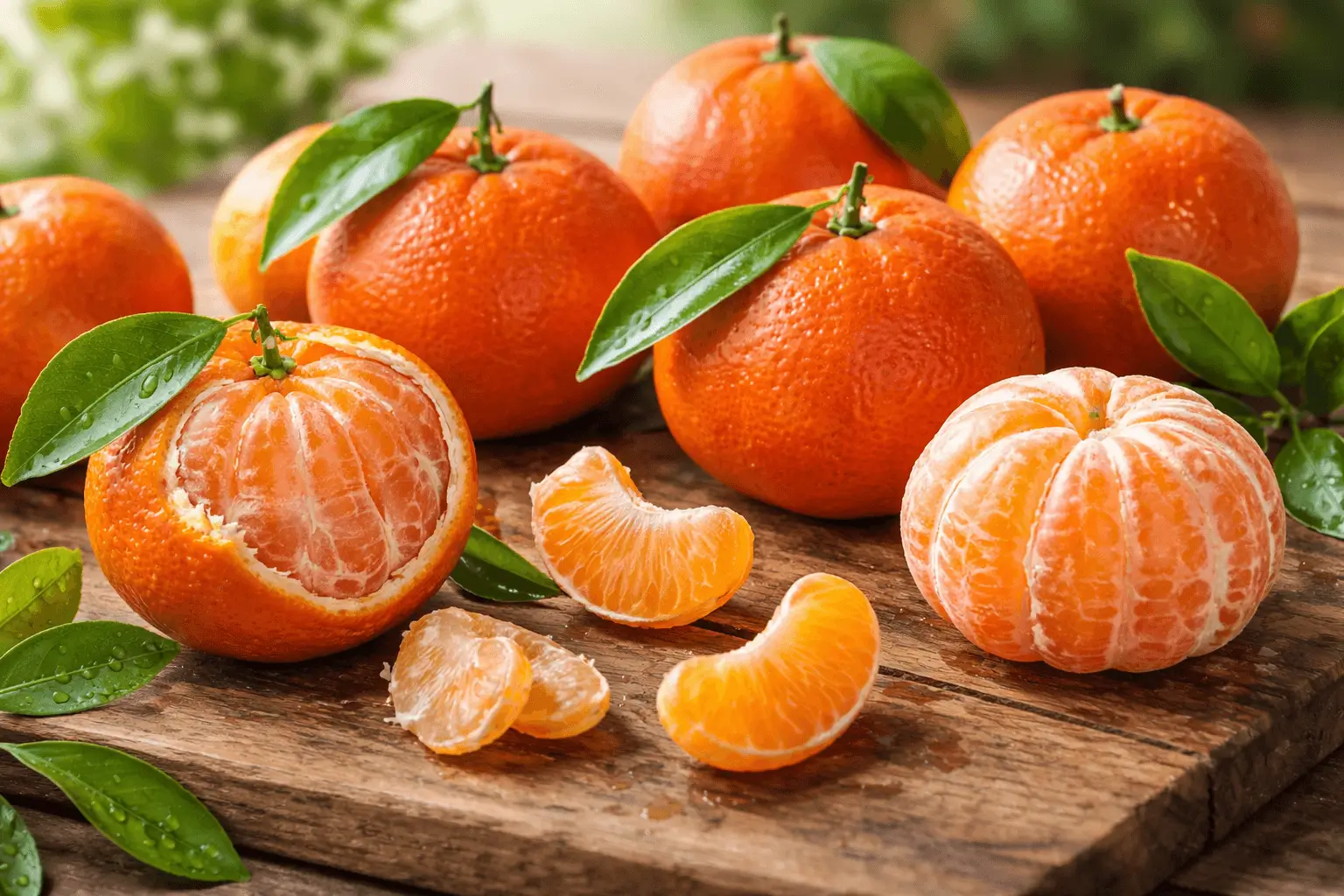
Imperial mandarin is a well-known citrus fruit valued for its balanced sweetness, easy-to-peel skin, and reliable seasonal availability. It is widely grown and consumed because it delivers consistent fruit quality and appeals to both fresh fruit markets and home growers. Imperial mandarin is often chosen for its mild flavor, manageable seed levels, and early-to-mid season harvest window, making it a dependable option among mandarin fruit varieties. While some consumers look for imperial mandarins seedless, others accept light seed presence in exchange for flavor and texture. Its combination of sweetness, smooth peeling, and seasonal timing has made imperial mandarin a staple citrus choice in many growing regions.
What Is an Imperial Mandarin?
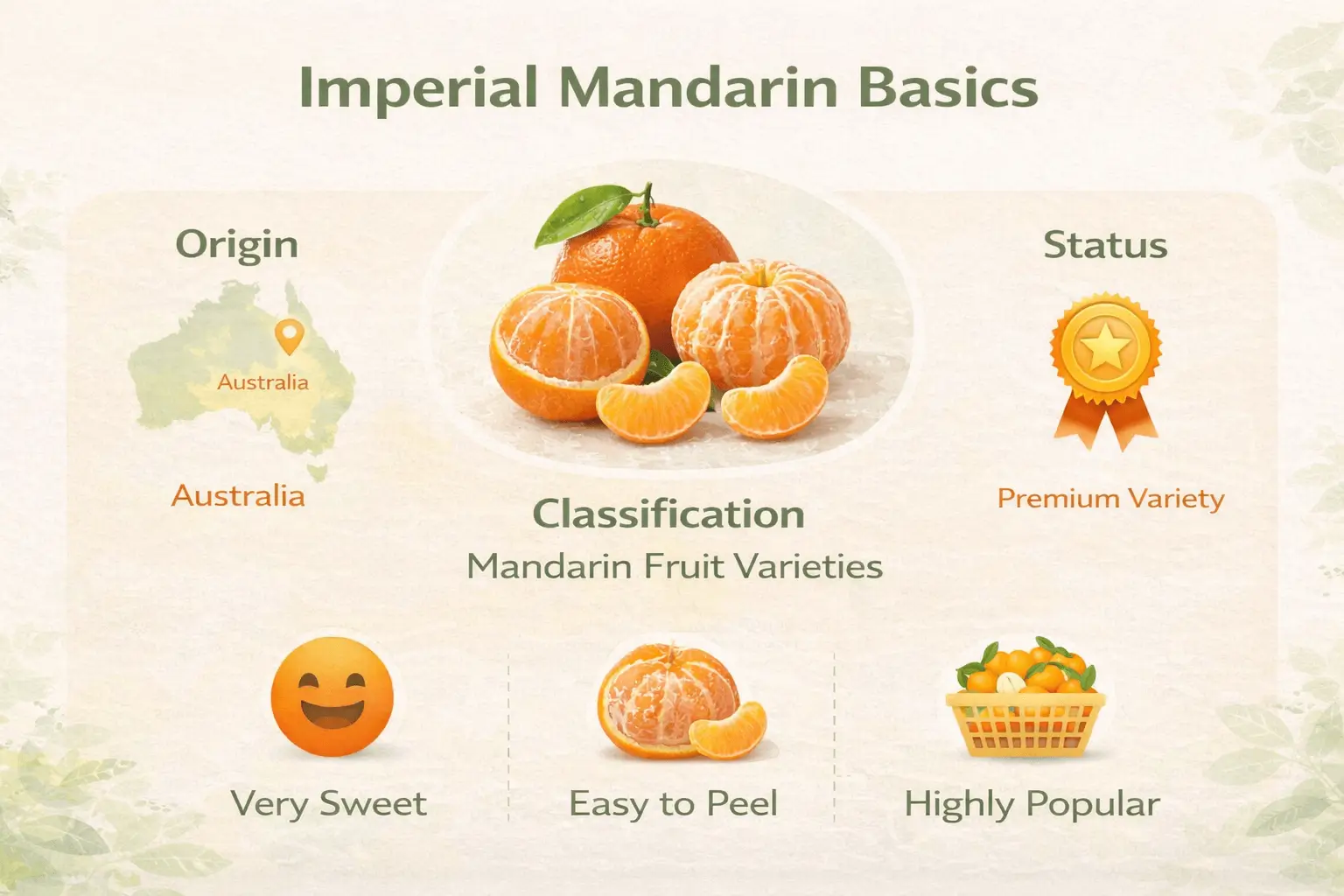
Imperial mandarins are a classic mandarin variety recognized for their uniform shape, attractive color, and consumer-friendly eating qualities. Originating from traditional mandarin breeding selections, imperial mandarin is classified within the broader group of mandarin fruit varieties known for soft rinds and sweet flesh. It is often considered a premium mandarin type because of its consistent sweetness, early maturity, and versatility for both commercial orchards and backyard planting. Growers value imperial mandarins for dependable yields, while consumers appreciate their approachable flavor and texture.
Key Characteristics of Imperial Mandarins
Imperial mandarin fruit typically features a smooth to lightly pebbled skin with a bright orange tone, and in some cases a deeper red imperial mandarin hue under optimal growing conditions. The flavor profile is distinctly sweet with low to moderate acidity, creating a balanced taste that suits a wide range of preferences. Imperial mandarins are known for their ease of peeling, a key factor in consumer preference, especially for fresh eating and lunchbox use.
Imperial Mandarin Seed Information
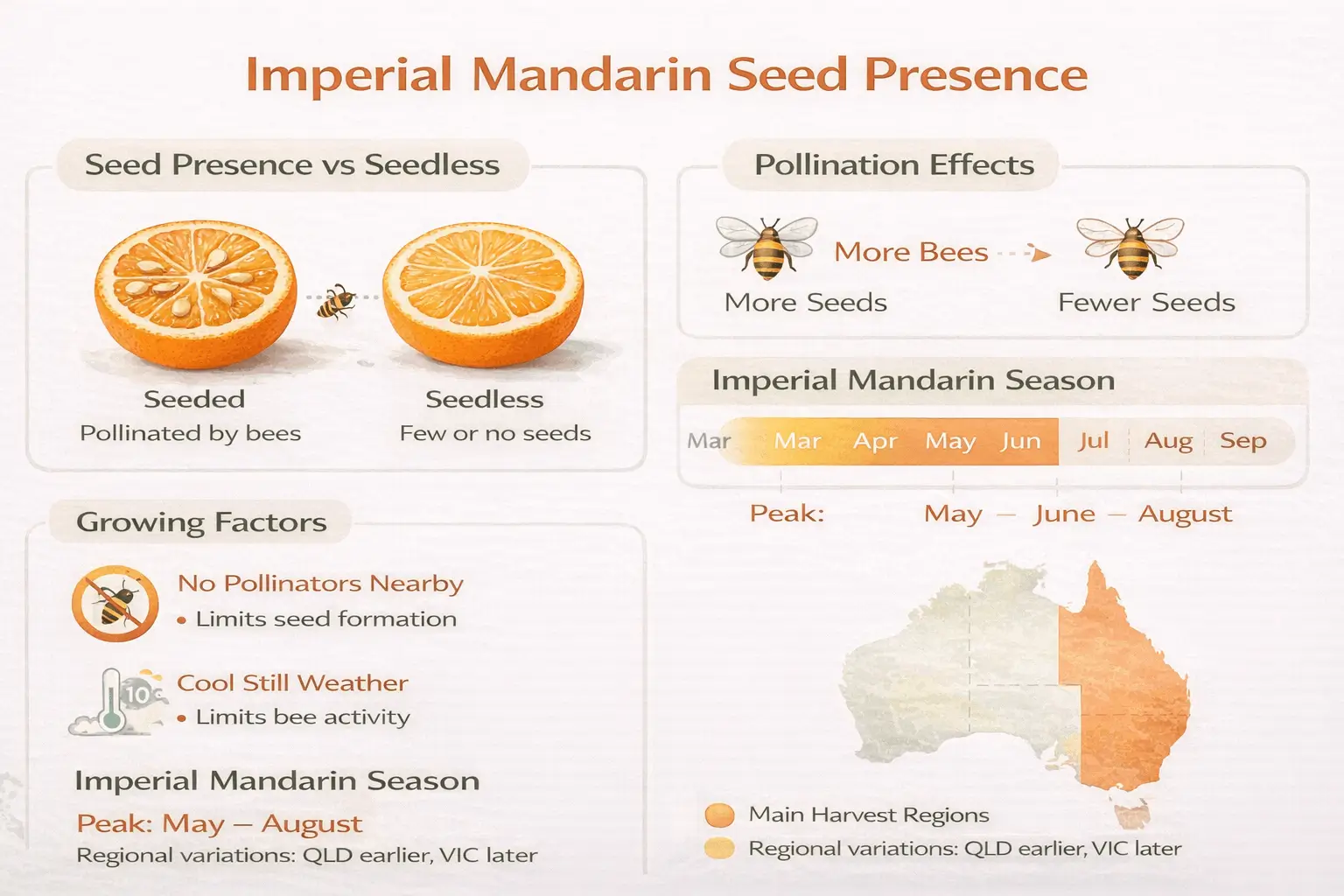
A common question among buyers is: do imperial mandarins have seeds? Imperial mandarin seed information varies depending on growing conditions and nearby pollination sources. While imperial mandarins are not strictly seedless, they are generally considered low-seed mandarins, especially when grown in isolated orchards.
Are Imperial Mandarins Seedless?
Imperial mandarin seedless characteristics depend largely on pollination. Some imperial mandarins are effectively seedless when grown away from other citrus varieties, while seeded varieties can occur when cross-pollination happens. Factors such as bee activity, orchard layout, and climate influence seed development. For consumers searching for imperial mandarins seedless, fruit from controlled or isolated growing areas usually meets expectations.
Imperial Mandarin Season and Availability
The imperial mandarin season typically begins in early winter and extends into mid-season citrus availability. Imperial mandarins are harvested when sugar levels stabilize and skin color fully develops. Regional variations affect season length, with warmer climates producing earlier harvests and cooler regions extending availability slightly longer. This predictable season makes imperial mandarin a reliable option for both markets and home consumption.
Imperial Mandarin Tree Guide
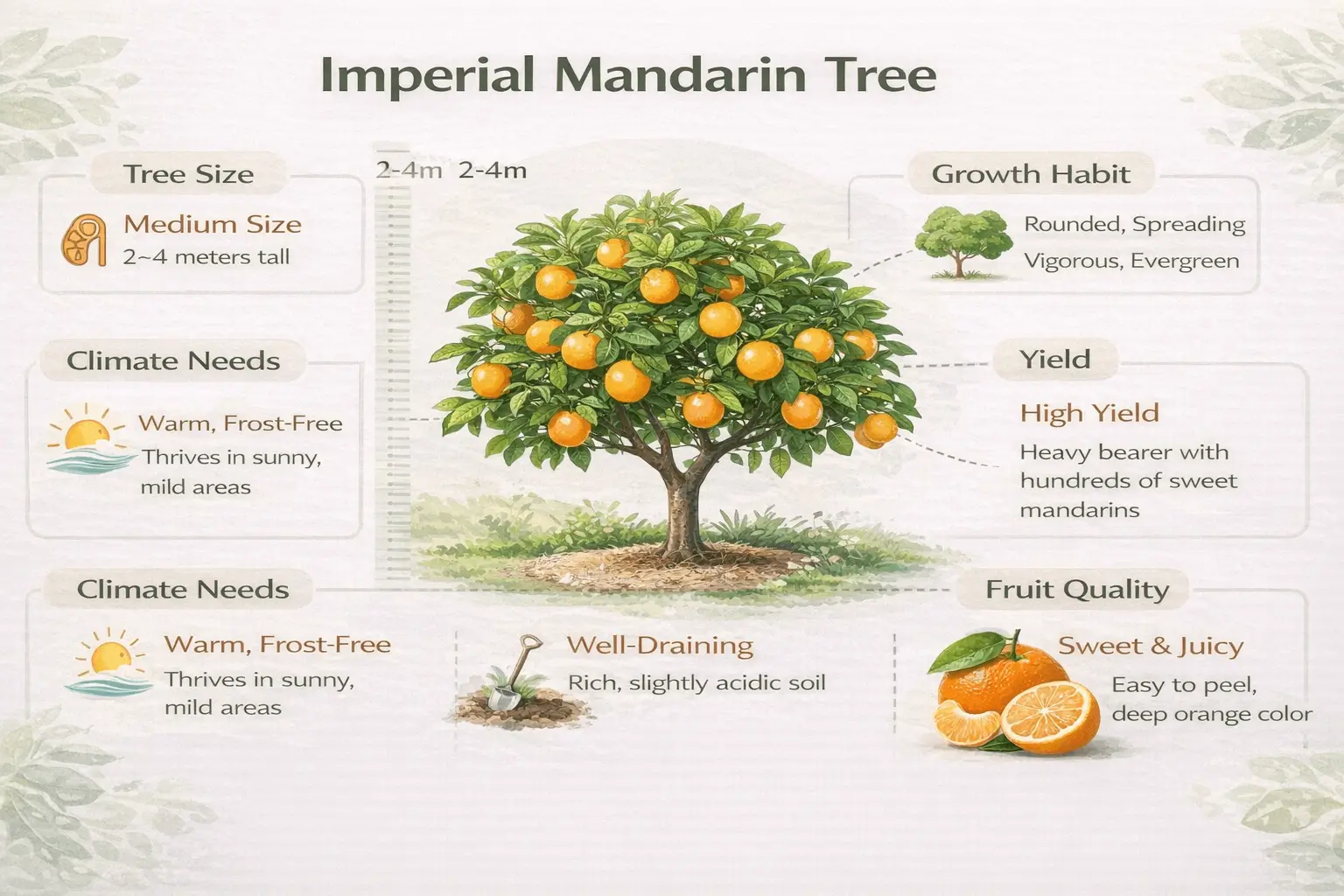
The imperial mandarin tree is a medium-sized citrus tree known for manageable growth and consistent fruit production. It adapts well to both commercial orchards and residential gardens.
Imperial Mandarin Trees – Growth & Care
Imperial mandarin trees have a compact to moderately spreading growth habit and reach a size suitable for pruning and maintenance. They prefer well-drained soil, adequate sunlight, and mild to warm climates. With proper care, imperial mandarin trees produce high-quality fruit with good sweetness and texture. Yield expectations are steady, and fruit quality remains consistent year after year.
Mandarin Imperial Tree vs Other Trees
Compared to other mandarin varieties, the mandarin imperial tree is valued for its balance of productivity and ease of care. It sits comfortably among popular mandarins without extreme growth requirements or complex maintenance needs.
Imperial Mandarin vs Afourer Mandarin
The comparison between mandarin afourer vs imperial is common due to their overlapping seasons and market presence.
What Is an Afourer Mandarin?
Afourer mandarin, also known as afourer mandarins in commercial contexts, is a later-season mandarin variety recognized for deep color and strong sweetness. It is widely used in fresh fruit markets and export channels.
Seed Comparison: Afourer vs Imperial
Are afourer mandarins seedless? In many cases, afourer mandarins have seeds, especially when cross-pollinated. Do afourer mandarins have seeds more often than imperial mandarins? Generally, yes. Imperial mandarins tend to have fewer seeds under similar conditions.
Taste, Color, and Market Differences
Afourer mandarins often have a richer color and stronger sweetness, while imperial mandarins offer a milder, balanced flavor. Visually, afourer fruit appears darker. Market preference depends on timing, with imperial favored earlier and afourer later in the season.
Imperial Mandarin vs Murcott Mandarin
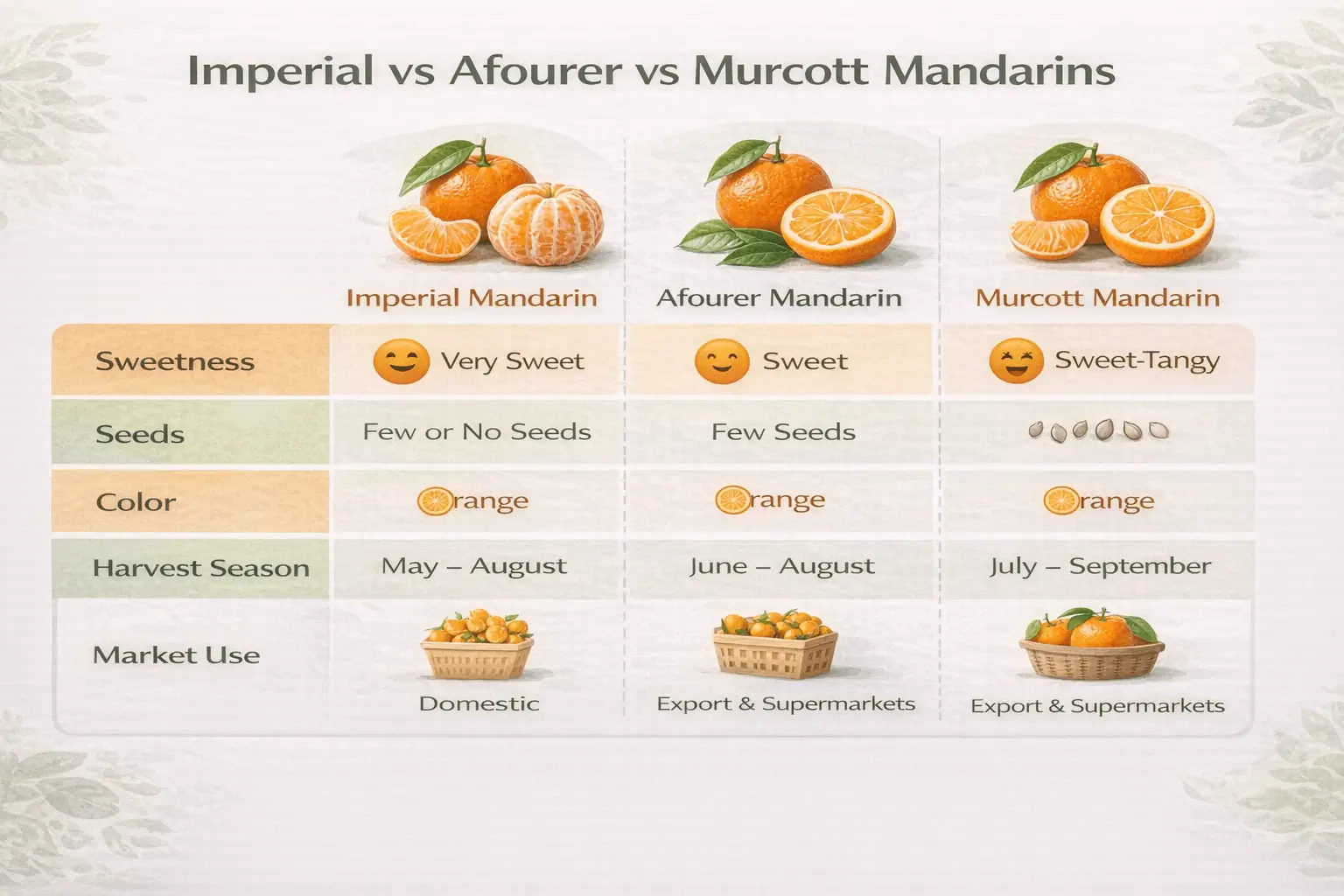
Murcott mandarin is another popular comparison variety due to similar sweetness levels.
Murcott Mandarin Characteristics
Murcott mandarin is known for its intense sweetness, noticeable seed content, and later harvest time. It holds a strong position among mandarin varieties for flavor-driven consumers.
Imperial vs Murcott: Which Is Better?
Taste preference varies, but imperial mandarin offers a lighter, more balanced flavor compared to murcott. Imperial typically has fewer seeds and an earlier season, while murcott overlaps later and appeals to those seeking stronger sweetness.
Types and Varieties of Mandarins
Imperial mandarins belong to a diverse citrus family with numerous types and selections.
Common Types of Mandarins
There are many types of mandarins, including satsuma, clementine, murcott, and afourer. These types of mandarin oranges differ in season, sweetness, and seed content.
Mandarin Varieties Explained
Mandarin varieties include a wide range of fruit types adapted to different climates. Varieties of mandarin oranges and each variety of mandarin orange serve specific market needs, with imperial mandarin positioned as a balanced, early-season option.
Why Choose Imperial Mandarins?
Imperial mandarins offer clear consumer benefits, including reliable sweetness, smooth texture, and easy usability. Their availability during peak early-to-mid citrus season makes them a practical and enjoyable choice for fresh eating and home growing.
Conclusion
Imperial mandarin stands out among mandarin types for its balance of sweetness, low seed presence, and dependable seasonality. Whether enjoyed fresh or grown at home, imperial mandarins deliver consistent quality. Try imperial mandarins during their peak season or consider planting an imperial mandarin tree to enjoy fresh fruit year after year.
Read Also: 5+ Powerful Reasons to Grow a Seedless Lemon Tree at Home
FAQs
- Do imperial mandarins have seeds?
Imperial mandarins may have a few seeds, but they are generally considered low-seed compared to many other mandarins. - Are imperial mandarins seedless?
Some imperial mandarins are effectively seedless when grown without cross-pollination, but complete seedlessness is not guaranteed. - What is the imperial mandarin season?
The imperial mandarin season usually runs from early winter to mid-season, depending on the growing region. - How is imperial mandarin different from afourer mandarin?
Imperial mandarins are earlier, milder, and usually lower in seeds, while afourer mandarins are later, sweeter, and often seeded. - Is imperial mandarin sweeter than murcott mandarin?
Murcott mandarins are typically sweeter, while imperial mandarins offer a more balanced sweetness with lower acidity. - Can I grow an imperial mandarin tree at home?
Yes, imperial mandarin trees are suitable for home gardens with proper sunlight, soil, and climate conditions.

Written by the LeafyHeaven Editorial Team
LeafyHeaven shares practical gardening tips and simple plant care guides to help you grow, nurture, and enjoy your plants with ease. Our goal is to make gardening feel natural, approachable, and rewarding for everyone.




[…] Read Also: Imperial Mandarin: 5+ Sweet Facts You’ll Love […]