
Introduction
Kochia plant benefits have drawn increasing interest as more people explore traditional plants for everyday wellness and natural care. The kochia plant, known for its hardy nature and long history of use, has been valued in different cultures for both external and internal applications. Often referred to by the kochia scoparia common name, this plant has been associated with skin care practices, general balance, and traditional herbal routines. Today, kochia plant benefits are gaining renewed attention due to growing awareness around plant-based solutions for health and skin support, along with curiosity about time-tested botanical remedies. Its simple growth habit, adaptability, and traditional relevance make the kochia plant an intriguing subject for modern natural living discussions.
What Is the Kochia Plant?
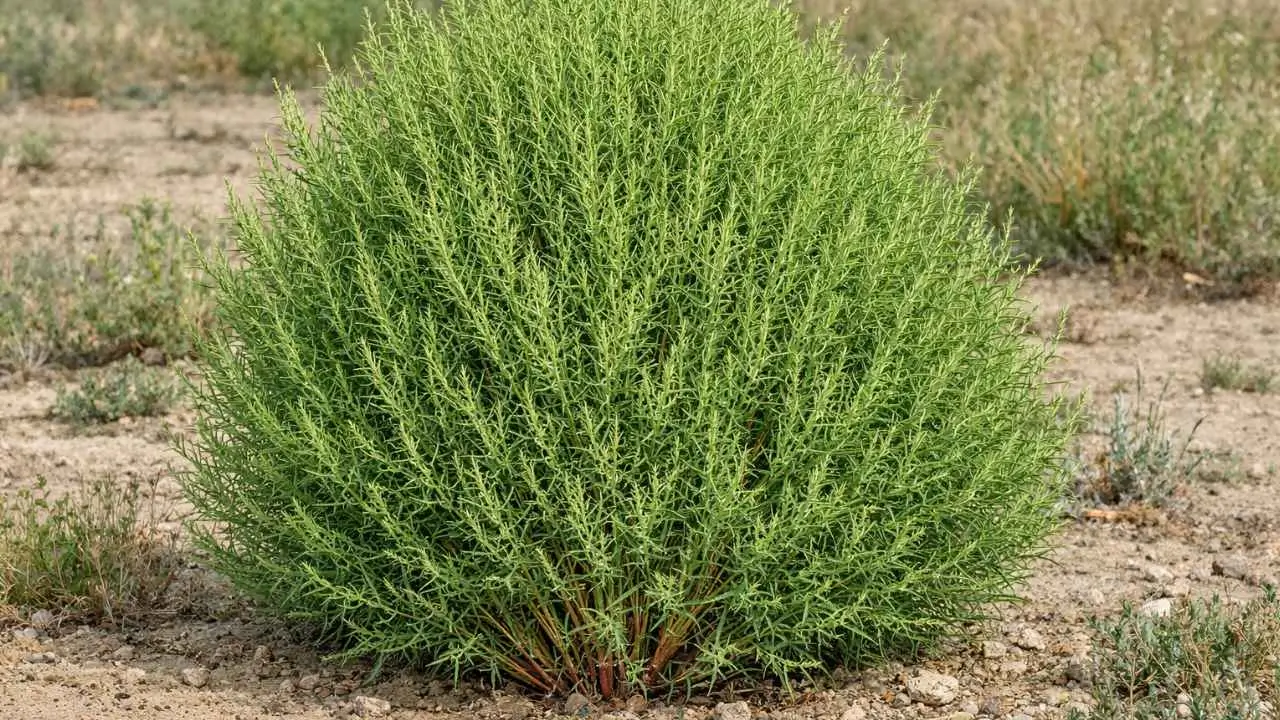
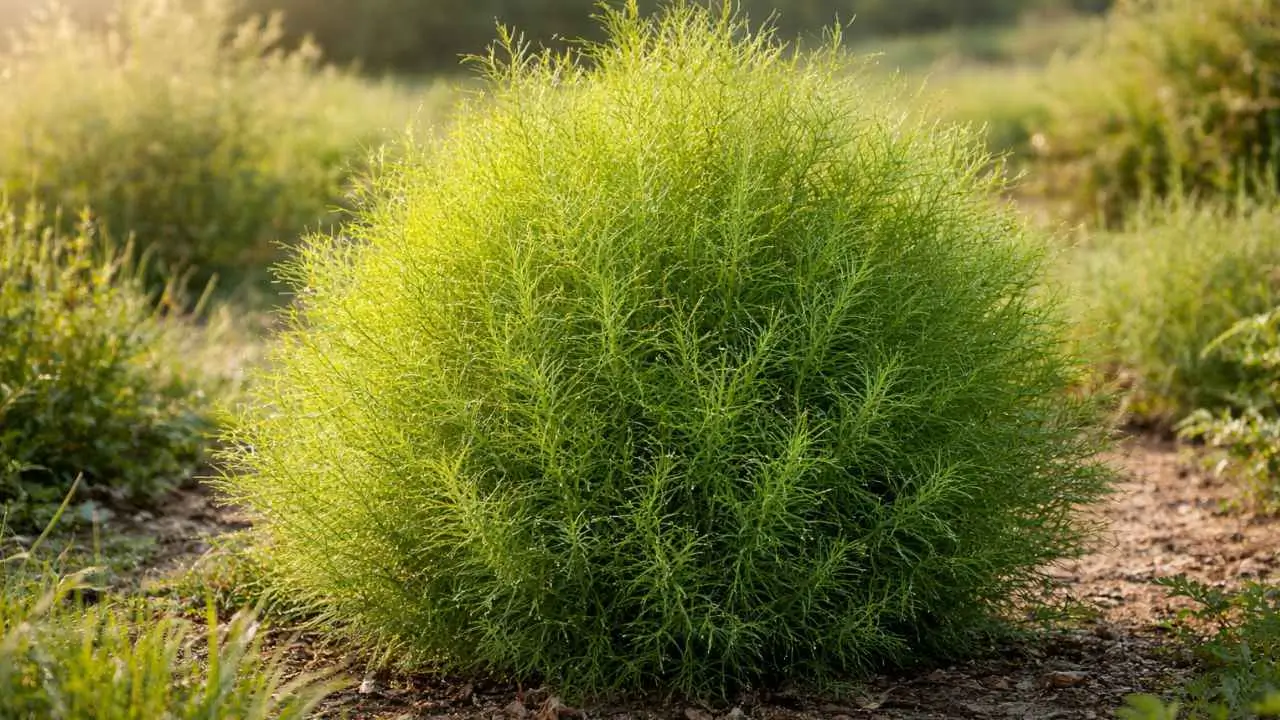
The kochia plant is a fast-growing, hardy annual known for its adaptability and simple structure. It is commonly found in open fields, roadsides, and dry landscapes, where it thrives in challenging conditions. From a botanical perspective, the plant is recognized for its bushy growth habit, narrow leaves, and ability to tolerate heat, poor soil, and limited water. The kochia plant originated in parts of Eurasia and gradually spread to other regions due to its resilience and ease of growth. Over time, it became known not only as a landscape or agricultural plant but also for its traditional uses, which later contributed to interest in kochia plant benefits.
Kochia Scoparia Common Name and Classification
The kochia scoparia common name includes names such as summer cypress and burning bush, reflecting its appearance and seasonal color changes. Scientifically, Kochia scoparia belongs to a group of plants adapted to dry and semi-arid environments. Its classification places it within the broader kochia family, a group of plants known for their toughness and environmental adaptability. Understanding its scientific background and family placement helps explain why the kochia plant has been widely used across different regions and why it continues to attract attention for both practical and traditional purposes.
Kochia Plant Benefits for Overall Health
Kochia plant benefits for overall health are mainly connected to its long-standing role in traditional wellness practices. Historically, the plant has been used as part of herbal routines focused on balance, cleansing, and general well-being rather than as a single-purpose remedy. These core kochia plant benefits are often described in traditional systems as supportive, helping the body maintain internal harmony through gentle, plant-based use.
In many cultures, kochia has been included in general wellness preparations aimed at supporting everyday comfort and natural bodily processes. Traditional use commonly focused on maintaining balance rather than targeting specific conditions, which is why the plant is often discussed in a broad health context. This approach aligns with how kochia plant benefits are viewed today—as part of a wider lifestyle that values natural and plant-derived elements.
Different parts of the kochia plant have been used in varied ways depending on tradition and purpose. Seeds are most commonly referenced in traditional wellness applications, while leaves and aerial parts have also been used in basic herbal preparations. Each part was valued for its role within traditional practices, contributing to the overall reputation of kochia plant benefits in holistic and general health-focused use.
Kochia Plant Benefits for Skin
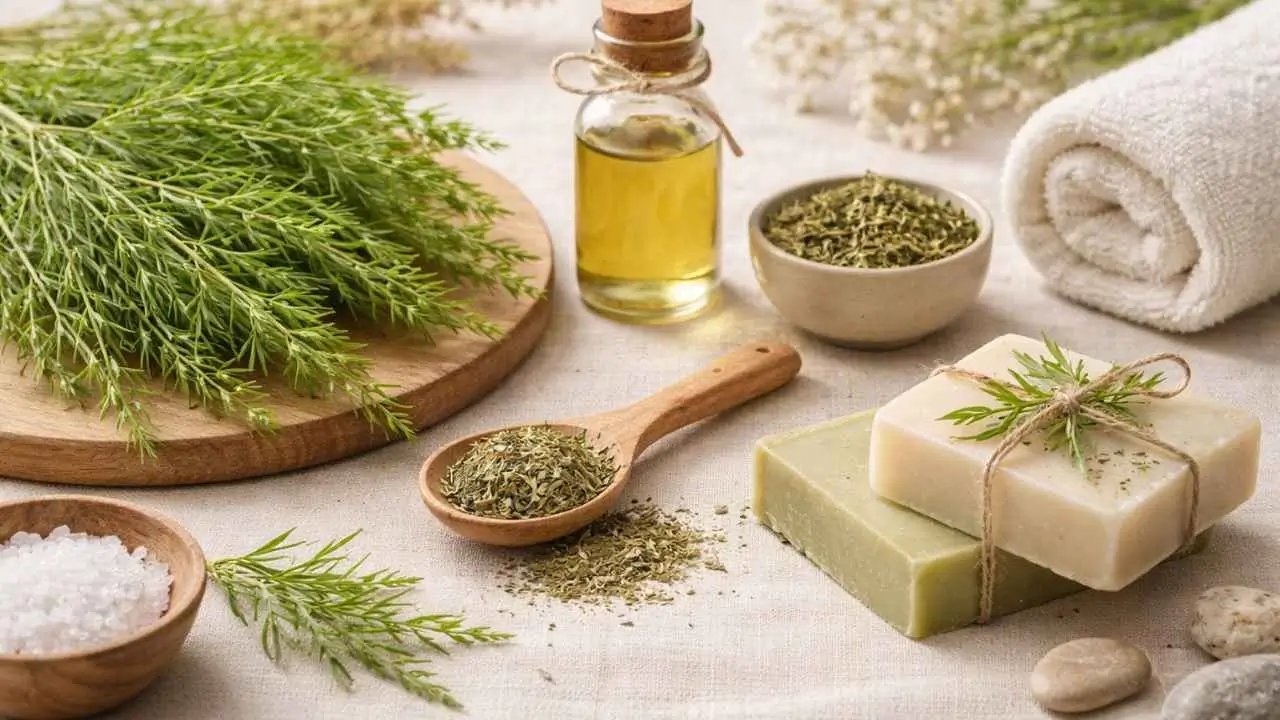
Kochia plant benefits for skin have been recognized mainly through traditional and herbal practices rather than modern cosmetic use. Historically, the plant has been valued for its role in supporting skin comfort and overall skin balance. These kochia plant benefits for skin are often described as gentle and supportive, making the plant a recurring element in traditional skin-focused remedies. Its use has typically been linked to maintaining skin clarity, comfort, and cleanliness rather than producing immediate cosmetic effects.
Common skin-related applications of the kochia plant have centered on basic skin care routines within traditional systems. The plant has been used in simple preparations intended to support irritated or uncomfortable skin and to promote a balanced skin environment. Because of this, kochia is frequently mentioned in herbal traditions that emphasize long-term skin wellness through natural ingredients.
Kochia is used in herbal and traditional remedies largely because of its historical association with skin-supportive practices. Over generations, its continued use helped establish trust in the plant as a supportive option within traditional skin care routines, contributing to ongoing interest in kochia plant benefits for skin today.
How Kochia Is Traditionally Used for Skin Care
Traditionally, kochia has been used for skin care in both external and internal forms, always within a non-medical, wellness-focused context. External use has generally involved topical applications prepared from plant-based materials, while internal use has been part of broader traditional wellness practices rather than direct skin treatments.
From a historical and cultural perspective, kochia’s role in skin care reflects a holistic approach where skin health is connected to overall balance. Different cultures valued the plant not as a quick solution but as part of long-standing traditions that focused on gentle, consistent care. This cultural background explains why kochia continues to be referenced in discussions around traditional skin support and natural remedies.
Kochia Plant Life Span and Growth Cycle
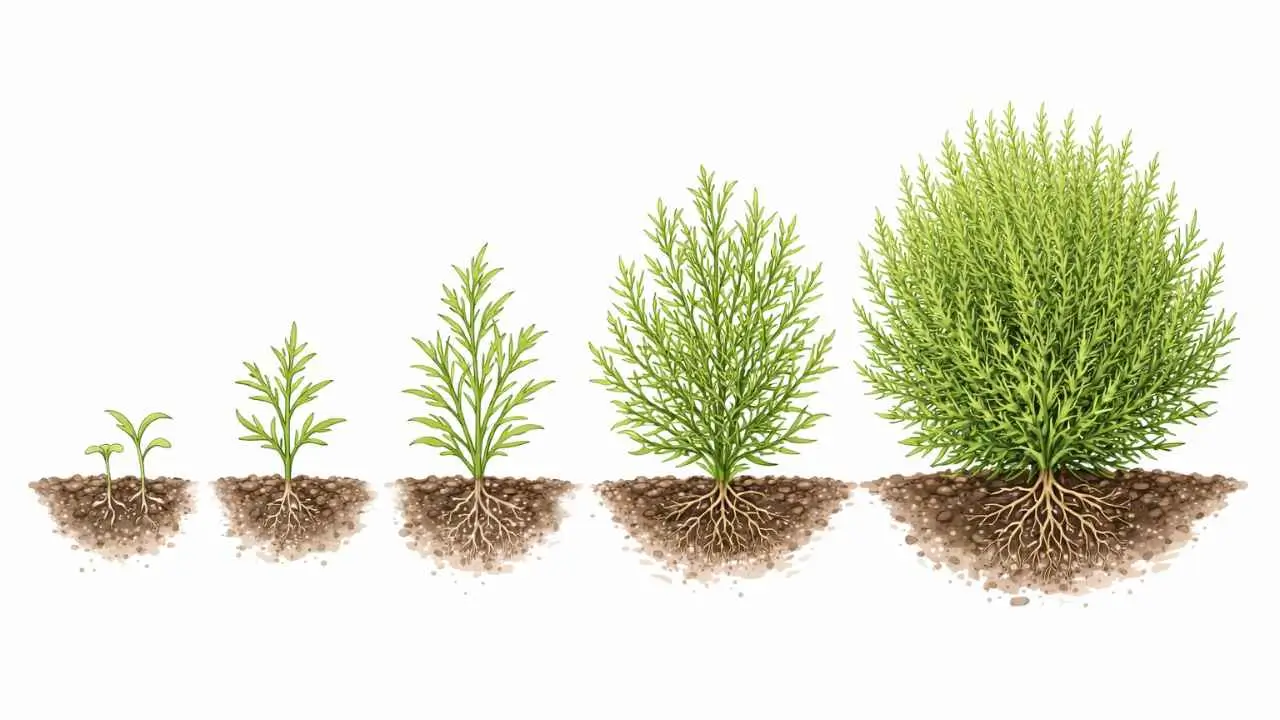
Understanding the kochia plant life span helps explain why this plant is considered fast-growing and highly adaptable. The kochia plant is an annual species, meaning it completes its entire life cycle within a single growing season. From seed to maturity, its development is relatively quick, allowing it to establish, grow, and reproduce before the season ends.
The annual nature of the kochia plant plays a key role in its growth behavior. After germination, the plant enters a rapid vegetative growth phase, developing its characteristic upright and bushy form. This stage is followed by flowering and seed formation, which marks the transition toward maturity. Once seeds are produced, the plant gradually declines as part of its natural life span.
The growth cycle of the kochia plant typically begins with germination in warm conditions, followed by steady growth through early and mid-season. As the plant matures, its structure becomes more defined, and it prepares for reproduction. By the end of the season, the kochia plant completes its life cycle, leaving behind seeds that ensure continuation in the following year.
Kochia Plant Height and Physical Characteristics
The kochia plant height can vary depending on growing conditions, but it is generally considered a medium to tall annual plant. On average, a mature kochia plant reaches a height that makes it easily noticeable in open landscapes and fields. This vertical growth is one of the defining features that contributes to its distinctive appearance throughout the growing season.
In terms of physical characteristics, the kochia plant is known for its dense, bushy shape and fine, narrow leaves. During early growth, the plant typically appears bright green and compact. As the season progresses, its color and texture may change, especially in cooler conditions, where it can develop warmer tones that enhance its visual appeal. These seasonal changes are part of what makes the kochia plant visually recognizable.
Environmental factors play a major role in determining kochia plant height. Plants grown in nutrient-rich soil with adequate sunlight and moisture tend to grow taller and fuller, while those in harsher or drier conditions may remain shorter and more compact. This adaptability allows the kochia plant to adjust its size and structure based on its surroundings, contributing to its wide distribution.
Kochia Plant Care Guide
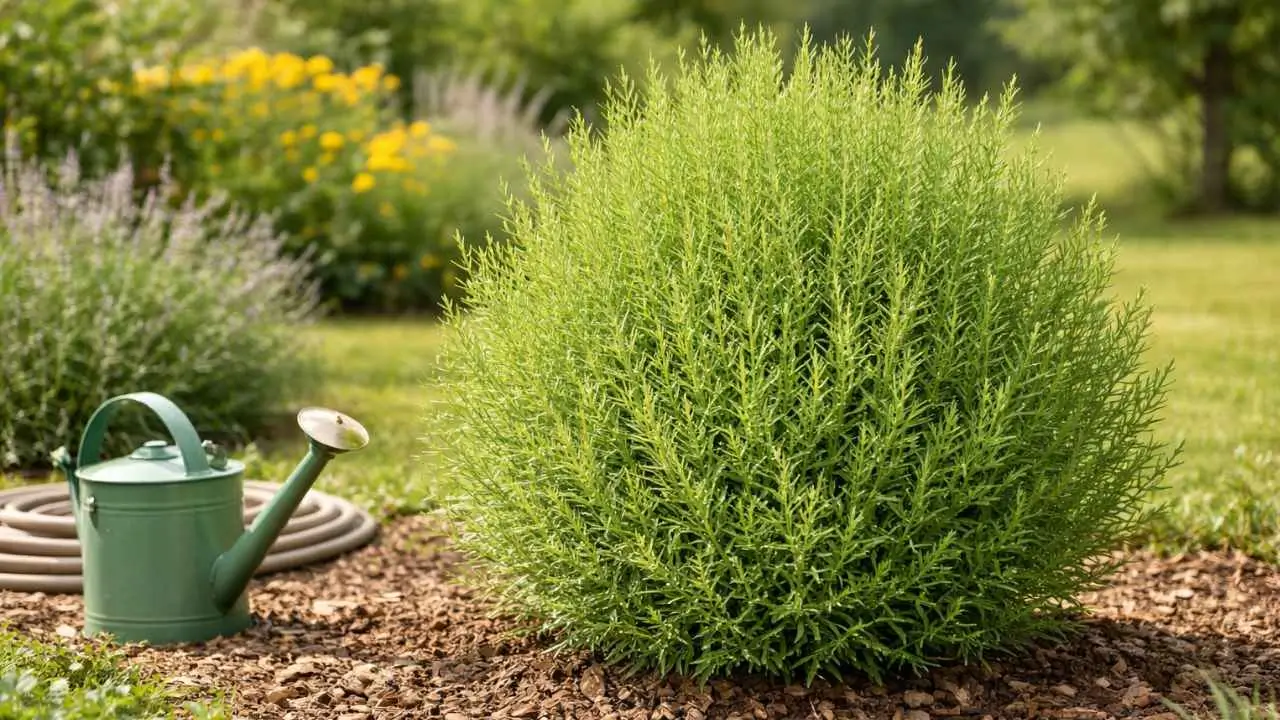
A practical understanding of kochia plant care highlights why this plant is considered low-maintenance and adaptable. The kochia plant is well known for its ability to grow in less-than-ideal conditions, making it suitable for gardeners who prefer minimal upkeep. Basic kochia plant care focuses on providing the right environment rather than intensive maintenance routines.
Soil requirements for the kochia plant are flexible, as it can grow in a wide range of soil types, including poor or sandy soils. Well-drained soil is generally preferred to support steady growth. In terms of sunlight, the kochia plant performs best in full sun, where it can develop its full shape and structure. Watering needs are moderate, as the plant is drought-tolerant once established and does not require frequent watering.
Climate adaptability is one of the strongest aspects of kochia plant care. The plant thrives in warm, dry climates and can tolerate heat and wind better than many other annual plants. Because of this resilience, its overall maintenance level is low, making it suitable for open landscapes and naturalized areas.
Ideal Conditions for Healthy Kochia Growth
The best growing environment for healthy kochia growth includes open spaces with plenty of sunlight and well-drained soil. Warm temperatures support faster development, while good air circulation helps maintain the plant’s overall condition. These conditions allow the kochia plant to grow evenly and reach its natural form.
Common care mistakes to avoid include overwatering, poor drainage, and planting in heavy shade. Excess moisture can interfere with normal growth, while insufficient sunlight may lead to weak or uneven development. Avoiding these issues helps ensure that kochia plant care remains simple and effective throughout the growing season.
Kochia Family and Related Plants
The kochia family includes a group of hardy plants known for their ability to survive in dry, open, and challenging environments. These plants are generally characterized by fast growth, simple structures, and strong adaptability. The kochia family is often associated with species that can tolerate heat, poor soil quality, and limited water availability, which explains their wide geographic distribution.
Plants related to kochia scoparia share similar growth habits and environmental tolerance. These related plants often display comparable leaf structures, growth patterns, and seasonal behavior. Their similarities highlight why kochia scoparia is grouped within this family and how it fits into a broader classification of resilient, annual plant species.
Family classification matters because it helps explain the natural traits and behavior of the kochia plant. Understanding its family background provides insight into why the plant grows quickly, adapts easily, and has been historically recognized for practical and traditional uses. This classification also supports clearer identification and comparison with related plants, especially when discussing kochia plant characteristics and benefits in a broader botanical context.
Pros and Considerations of Using Kochia Plant
The kochia plant offers several advantages that explain its continued presence in traditional practices and general plant use. One of the main benefits is its adaptability, as the plant grows easily in a wide range of conditions and requires minimal care. Kochia plant benefits are also commonly associated with traditional wellness and skin-supportive uses, which have contributed to its long-standing recognition in various cultures. Its fast growth and versatility make it a practical option for those interested in natural plants with historical relevance.
At the same time, usage awareness is important when considering the kochia plant. Its traditional applications are based on cultural and historical use rather than modern medical validation, which means it should be approached with informed expectations. The kochia plant is best understood as a supportive, non-medical option within traditional and general wellness contexts.
Maintaining a balanced view ensures that kochia plant benefits are appreciated without overstating their role. Recognizing both its advantages and limitations allows for responsible and informed use, keeping discussions around the kochia plant clear, accurate, and grounded in traditional knowledge rather than medical claims.
Conclusion
Kochia plant benefits stand out because of the plant’s long history, adaptability, and continued relevance in traditional use. From general wellness support to skin-focused applications and low-maintenance growth, the kochia plant has maintained its value across different cultures and environments. Its simple care requirements and annual growth cycle further add to its practical appeal.
This plant may be especially useful for individuals interested in traditional botanical knowledge, natural living, or low-effort plant care. Those exploring plant-based wellness traditions or learning about historically used plants may also find the kochia plant meaningful as part of broader lifestyle awareness.
Overall, understanding kochia plant benefits encourages informed appreciation rather than exaggerated expectations. Exploring its background, uses, and characteristics allows readers to make thoughtful choices while staying connected to traditional plant knowledge.
Read Also: 5+ Powerful Magenta Plant Benefits for Health, Skin & Home
FAQs
What are the main kochia plant benefits?
The main kochia plant benefits are linked to its traditional use in general wellness and skin-supportive practices. It is also valued for its adaptability, fast growth, and low-maintenance nature, which makes it useful both as a practical plant and within traditional knowledge systems.
Are kochia plant benefits for skin safe for regular use?
Kochia plant benefits for skin are traditionally associated with gentle, supportive care rather than medical treatment. In traditional contexts, it has been used with awareness and moderation. Regular use should always be approached cautiously and as part of non-medical, traditional practices.
What is the average kochia plant life span?
The kochia plant life span is one growing season. It is an annual plant that completes its entire growth cycle—from germination to seed production—within a single year.
How tall does a kochia plant grow?
Kochia plant height varies depending on environment and growing conditions, but it generally grows to a noticeable medium-to-tall size. Adequate sunlight, space, and suitable soil can support fuller and taller growth.
Is kochia plant easy to grow and care for?
Yes, the kochia plant is considered easy to grow and care for. It adapts well to different soil types, tolerates heat and dry conditions, and requires minimal maintenance once established.
What is the kochia scoparia common name?
The kochia scoparia common name includes well-known names such as summer cypress and burning bush, which reflect the plant’s shape and seasonal color changes.

Written by the LeafyHeaven Editorial Team
LeafyHeaven shares practical gardening tips and simple plant care guides to help you grow, nurture, and enjoy your plants with ease. Our goal is to make gardening feel natural, approachable, and rewarding for everyone.