
Introduction
Magenta plant benefits have gained growing attention as more people look for natural options that support health, beauty, and easy indoor greenery. Known for its striking magenta-colored leaves, this plant is often appreciated not only for its visual appeal but also for its traditional and home-based uses. Many plant lovers explore it for general wellness associations, simple skincare routines, and its ability to thrive indoors with minimal effort. At the same time, increasing interest has led to important conversations around safe usage, proper identification, and correct care methods. Understanding common uses, possible precautions, and why this plant continues to attract attention helps set clear expectations for anyone considering adding it to their home or lifestyle.
What Is the Magenta Plant?
Magenta Plant Scientific Name
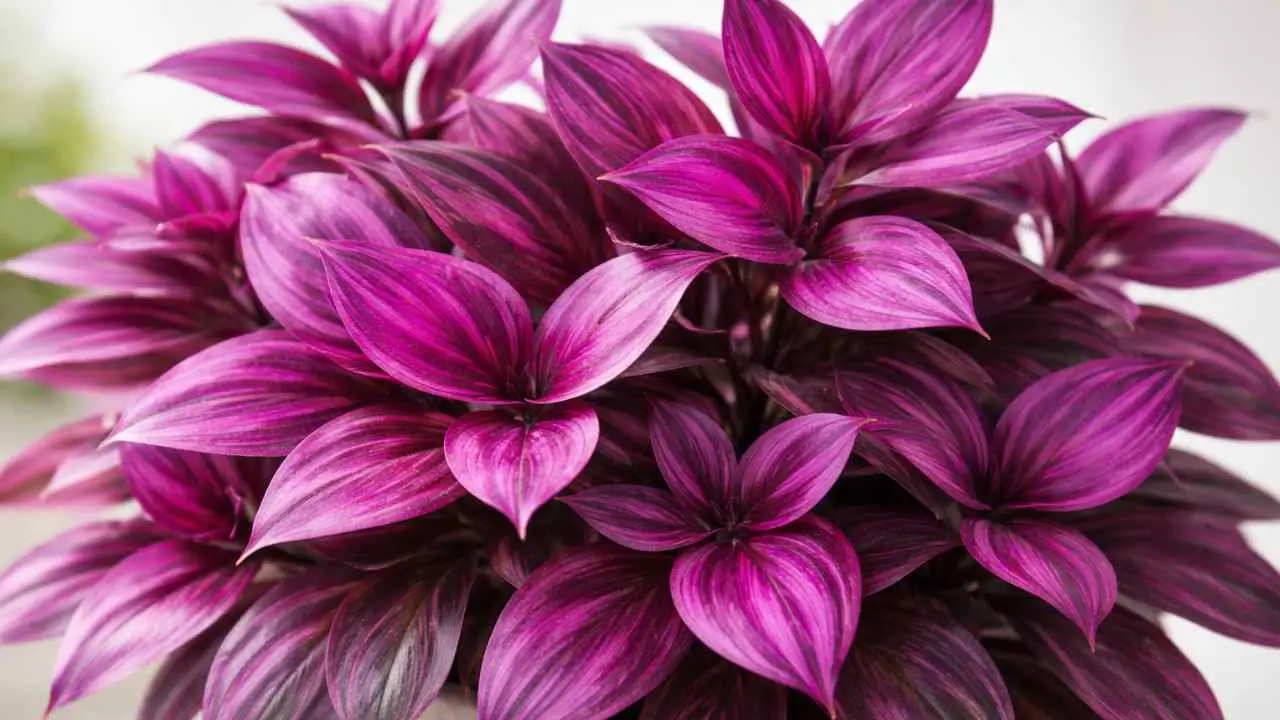
The term magenta plant is commonly used as a general name rather than a single, universally accepted botanical species. In most cases, it refers to ornamental plants known for deep magenta or purplish foliage. These plants are typically classified under ornamental foliage categories and are valued more for leaf color than flowering traits. Depending on the region and seller, the magenta plant may belong to different plant families, often originating from tropical or subtropical areas where vibrant leaf pigmentation develops naturally. Confusion often arises because several plants with magenta-toned leaves are marketed under similar names, and some are mistakenly grouped with unrelated species that share only color similarities, not botanical lineage.
Magenta Leaf Plant Overview
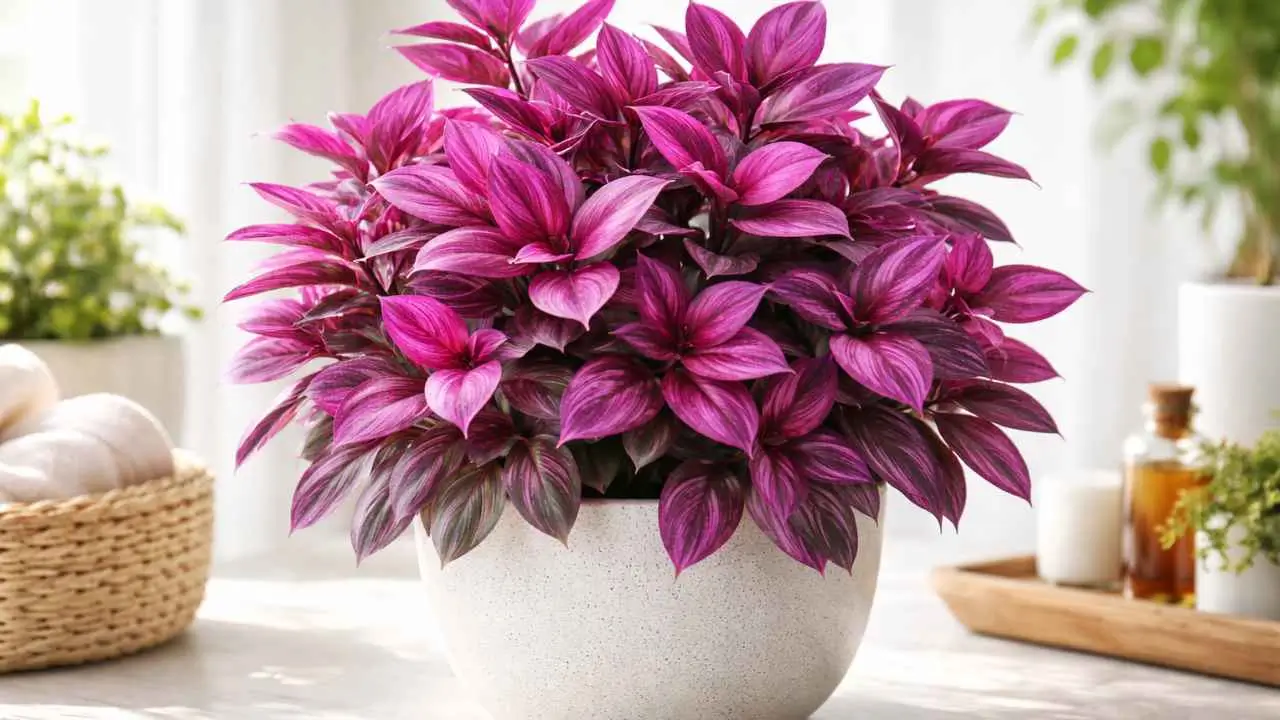
A magenta leaf plant is recognized by its bold, richly colored leaves that range from deep pink to purple-magenta shades. The leaves are usually smooth, elongated, or slightly pointed, with a glossy or semi-matte surface that enhances their visual impact. Growth is generally compact to moderately spreading, making the plant suitable for containers and decorative indoor displays. The intense coloration tends to deepen in bright, indirect light, while low light may cause fading. Many magenta leaf plants adapt well to indoor environments, especially as houseplants, but some varieties can also grow outdoors in warm climates where temperatures remain stable and frost-free.
Magenta Plant Benefits for Health
General Magenta Plant Benefits
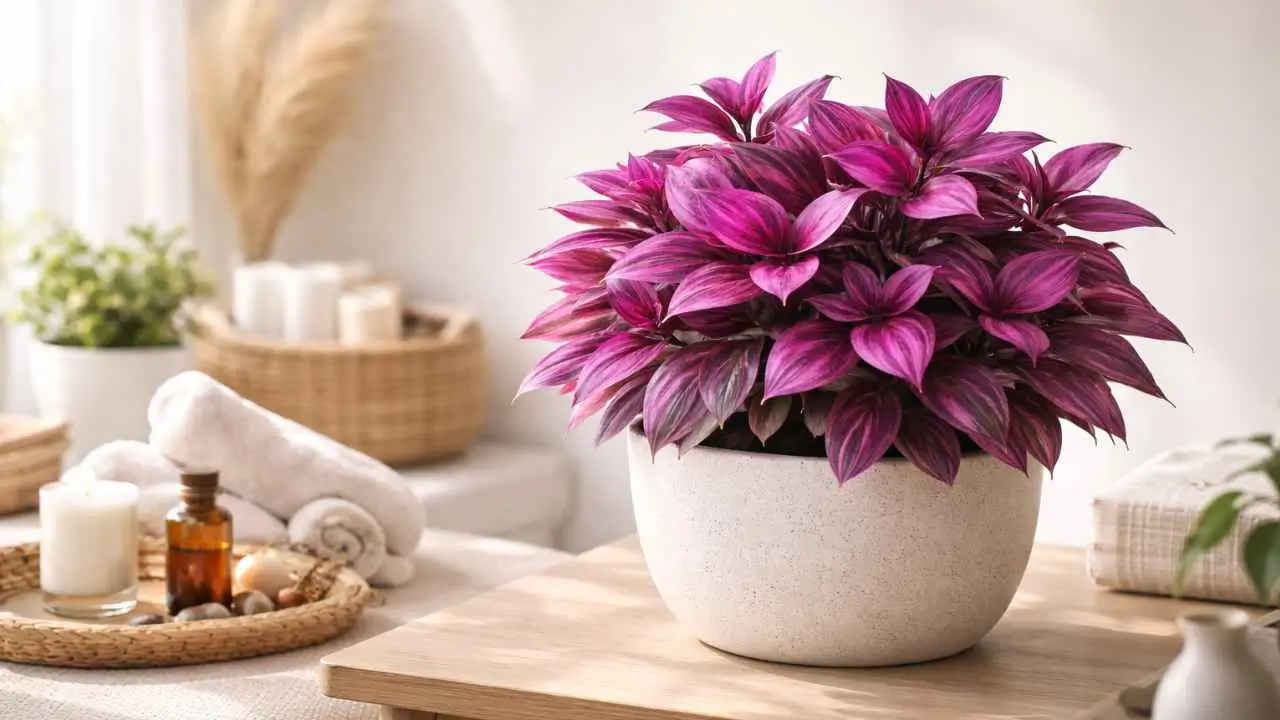
Magenta plant benefits are often linked to the plant’s natural compounds and long-standing use in home settings. In many cultures, plants with richly pigmented leaves are traditionally associated with supportive wellness properties and are kept for their perceived positive influence on the living environment. The magenta plant is commonly valued for its calming presence, air-friendly indoor nature, and its role in simple, plant-based routines. Some people associate it with general well-being, stress reduction, and creating a healthier indoor atmosphere. While many of these uses are rooted in traditional practices rather than clinical studies, the plant continues to be included in homes for its natural, low-maintenance contribution to everyday wellness.
Magenta Plant Benefits and Side Effects
When considering magenta plant benefits, it is equally important to understand possible side effects and safety factors. Potential advantages include its non-invasive nature, ease of care, and limited reported irritation when handled properly. However, risks may arise if the plant is misidentified or used without proper knowledge. Direct consumption or improper application can lead to mild reactions in sensitive individuals. People with plant allergies, young children, and pets should be kept in mind, as some ornamental plants may cause discomfort if ingested or handled excessively. Using the plant cautiously, avoiding internal use unless clearly identified as safe, and practicing basic hygiene after handling helps ensure a safe experience.
Magenta Plant Benefits for Skin
Skin-Related Benefits of Magenta Plant
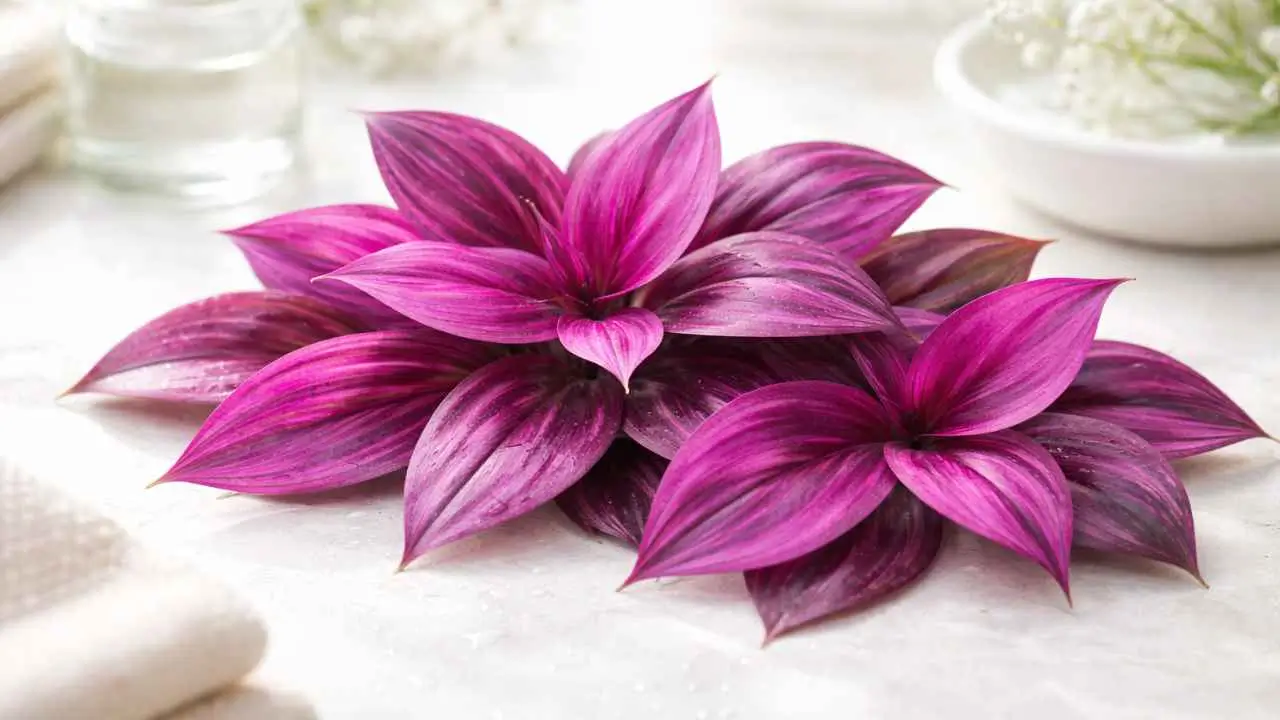
Magenta plant benefits for skin are often discussed in the context of natural and home-based skincare practices. The plant is commonly included in simple routines where plant leaves are valued for their soothing and refreshing qualities. Some users associate it with supporting a more balanced skin appearance, helping the skin feel calmer and look healthier when used carefully. Its popularity in natural skincare comes from the belief that plant-based applications can complement regular skincare habits without relying on harsh ingredients. While results can vary, many people use the magenta plant as part of a gentle approach to maintaining skin texture and overall skin comfort.
How Magenta Leaves Are Used for Skin
Magenta leaves are typically used in basic, topical applications rather than complex treatments. Fresh leaves may be lightly crushed or infused in water to create a mild, plant-based preparation applied to the skin. These applications are usually limited to external use and short durations. Before topical use, it is important to perform a patch test to check for sensitivity or irritation. Clean leaves should always be used, and application should be avoided on broken or highly sensitive skin. Individuals with known skin allergies or conditions should use extra caution and discontinue use if any discomfort occurs.
Magenta Plant Care Guide
Light, Water, and Soil Requirements
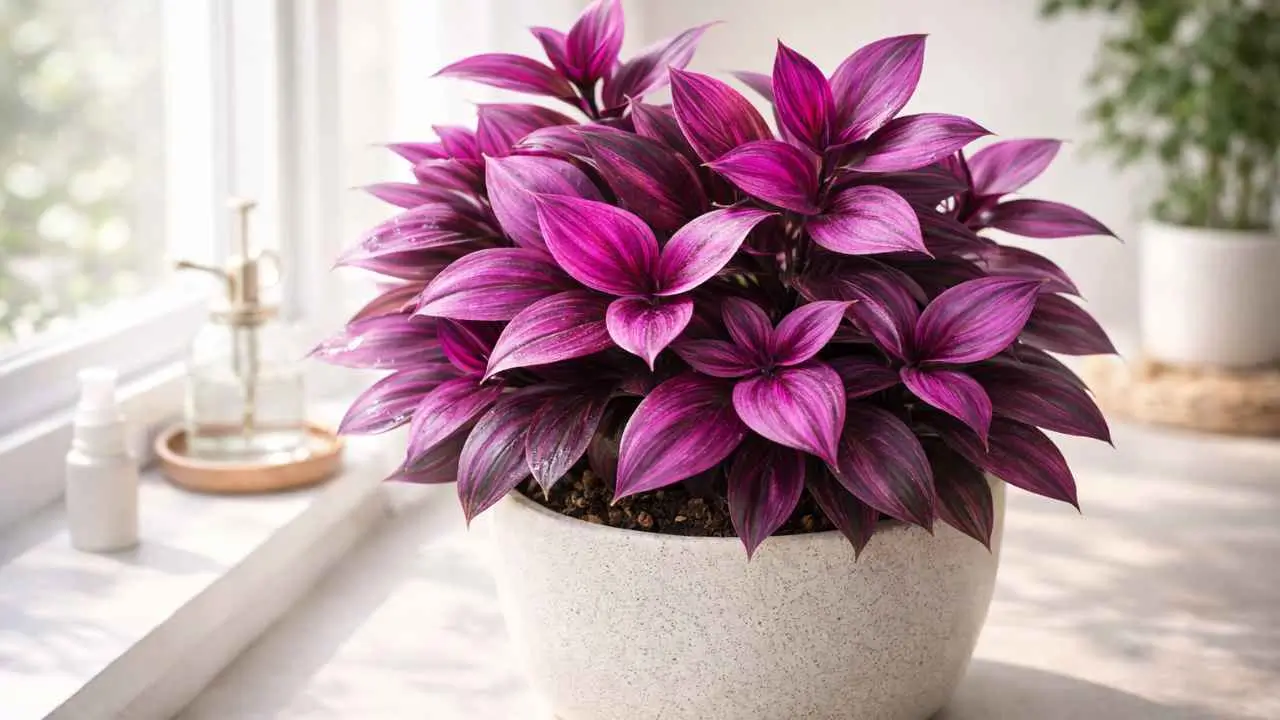
Proper care is essential to maintain healthy growth and vibrant color while maximizing magenta plant benefits. The plant performs best in bright, indirect light, which helps preserve its rich magenta tones without stressing the leaves. Direct sunlight for long hours may scorch foliage, while very low light can cause color fading.
Watering should be moderate and consistent. The soil should be allowed to dry slightly between waterings, as constantly wet soil increases the risk of root problems. Overwatering is more harmful than brief dryness.
For soil, a well-draining potting mix is ideal. Light, airy soil that allows excess water to escape supports healthy roots and steady growth. Adding organic matter can improve moisture balance while preventing compaction.
Common Problems and Maintenance Tips
Leaf discoloration is one of the most common issues seen in magenta plants. Fading or dull leaves often indicate insufficient light, while yellowing can point to excess water. Brown edges may appear when humidity is too low or watering is inconsistent.
Signs of overwatering include soggy soil, drooping leaves, and a musty smell from the pot, while neglect may lead to dry, brittle foliage and slowed growth. Regular inspection, balanced watering, and adjusting light exposure help keep the plant healthy and visually striking with minimal effort.
Dracaena Magenta Plant Benefits (Clarification Section)
Difference Between Magenta Plant and Dracaena Magenta Plant
A clear distinction is important when discussing magenta plant benefits, as the general magenta plant and the Dracaena magenta plant are not the same. The magenta plant is a broad, informal term often used for various ornamental plants with magenta-colored leaves, while the Dracaena magenta plant is a specific cultivated variety within the Dracaena group. Confusion happens because both display similar deep pink or purplish tones and are commonly sold as indoor decorative plants. Garden centers and online listings may use the word “magenta” based on color rather than botanical accuracy, leading readers to assume they share the same benefits or care needs. In reality, their properties, growth habits, and uses can differ significantly.
Dracaena Magenta Plant Care Basics
Dracaena magenta plant care is generally straightforward, making it popular for indoor spaces. It thrives in bright to moderate indirect light, which helps maintain its color without causing leaf damage. Watering should be controlled, allowing the top layer of soil to dry before the next watering, as Dracaena varieties are sensitive to excess moisture. The plant prefers a stable indoor environment with average room temperatures and moderate humidity. Good air circulation, a well-draining potting mix, and occasional leaf cleaning help keep the plant healthy and visually appealing over time.
How to Grow Magenta Plant at Home
Propagation and Growth Tips
Growing a magenta plant at home is relatively simple when basic conditions are met. Propagation is commonly done through stem cuttings, as this method is reliable and easy for home growers. A healthy cutting is taken from a mature plant and placed in water or moist, well-draining soil until roots develop. Rooting usually begins within a few weeks when warmth and indirect light are consistent.
The growth speed of the magenta plant is generally moderate, depending on light exposure, temperature, and care routine. Warm conditions and bright, indirect light support steady growth and stronger leaf coloration. Cooler temperatures or low light may slow development and reduce color intensity. Maintaining balanced watering, stable indoor conditions, and occasional trimming encourages fuller growth and helps the plant establish well in a home environment.
Conclusion — Are Magenta Plant Benefits Worth It?
Magenta plant benefits make it an appealing choice for those interested in combining visual beauty with simple wellness and care advantages. The plant is valued for its vibrant foliage, traditional wellness associations, and gentle use in basic skincare routines when handled responsibly. Along with these benefits, understanding proper care—such as balanced light, careful watering, and suitable soil—plays a key role in maintaining healthy growth and long-lasting color.
From a practical standpoint, the magenta plant suits home growers who want a low-maintenance ornamental plant with added lifestyle value. When safety considerations are respected and expectations remain realistic, it can be a rewarding addition to indoor spaces. For beginners and experienced plant enthusiasts alike, the magenta plant offers a balanced mix of aesthetics, ease of care, and everyday usefulness.
Read Also: 7+ Stunning Bubble Blooms Plants That Instantly Transform Gardens
FAQs
What are the main magenta plant benefits?
The main magenta plant benefits include its ornamental value, ease of indoor care, and traditional associations with general wellness. It is widely appreciated for its vibrant foliage, calming presence in living spaces, and suitability for low-maintenance plant routines.
Are magenta plant benefits for skin safe for daily use?
Magenta plant benefits for skin are generally linked to mild, topical applications used occasionally rather than daily. Safety depends on correct plant identification and individual skin sensitivity. A patch test is recommended before regular use, and daily application should be avoided unless no irritation occurs.
Does the magenta plant have any side effects?
Possible side effects are usually mild and may include skin irritation if used improperly or handled excessively. Ingesting ornamental plants is not recommended. Children, pets, and individuals with allergies should use caution and avoid direct contact when unsure of plant safety.
What is the magenta plant scientific name?
The magenta plant does not have one universally recognized scientific name, as the term is commonly used for different ornamental plants with magenta-colored leaves. Proper identification depends on the specific species being referred to, which is why confusion often occurs.
Is magenta plant care easy for beginners?
Yes, magenta plant care is generally considered beginner-friendly. With basic requirements such as bright indirect light, moderate watering, and well-draining soil, the plant adapts well to indoor environments and requires minimal ongoing maintenance.

Written by the LeafyHeaven Editorial Team
LeafyHeaven shares practical gardening tips and simple plant care guides to help you grow, nurture, and enjoy your plants with ease. Our goal is to make gardening feel natural, approachable, and rewarding for everyone.