
Introduction
Manly plants and masculine plants have become a popular choice for people looking to add bold, confident energy to indoor spaces, gifts, and modern décor. These plants are often associated with strong visual traits, rugged textures, and a powerful presence that feels masculine both symbolically and culturally. From sharp lines and dark foliage to sturdy structures, they naturally appeal to men, minimalist apartments, and style-driven interiors. Beyond looks, the idea of masculine plants also connects to gifting choices, plant naming trends, and curiosity around plant gender concepts. This guide is designed to help men, gift buyers, and décor enthusiasts understand how manly plants fit into indoor living, personal style, and meaningful plant symbolism.
What Are the Best Manly Plants for Men?
The best manly plants are bold, structured, and low-maintenance. They often have thick leaves, upright growth, and deep green tones that suit modern apartments and masculine décor.
What Are Manly Plants?
Manly Plants Meaning & Concept
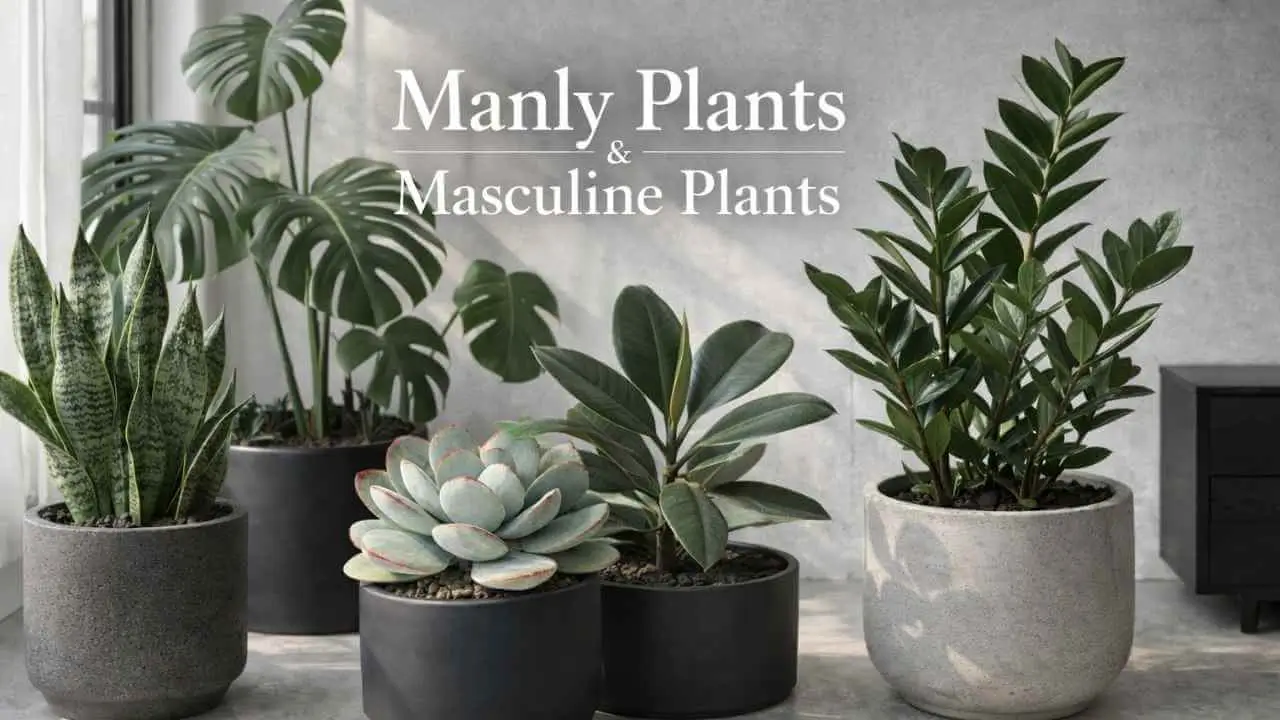
Manly plants are plants that give off a bold, strong, and rugged impression through their appearance and presence. A plant feels “manly” when it has bold leaves, sharp or defined lines, dark or deep green tones, and a solid, structured growth habit. Thick stems, upright forms, and tough-looking foliage often contribute to this perception.
From a cultural and modern décor perspective, manly plants are commonly linked with minimalist interiors, industrial spaces, and masculine design styles. They are chosen less for delicate beauty and more for visual strength, durability, and a confident aesthetic that fits modern male-focused spaces.
Manly Plant vs Masculine Plant
The terms manly plants and masculine plants are closely related and often overlap, but they are used slightly differently. Manly plants usually emphasize visual toughness, rugged structure, and a strong physical look. Masculine plants, on the other hand, can include both visual strength and symbolic qualities such as confidence, stability, and simplicity.
Both terms are commonly used together because they describe similar plant characteristics from different angles—one focusing on appearance and the other on identity or symbolism. In décor, gifting, and lifestyle content, combining manly plants and masculine plants helps clearly communicate the idea of bold, male-oriented plant choices.
Masculine Plants for Indoor Spaces
Masculine Indoor Plants for Men
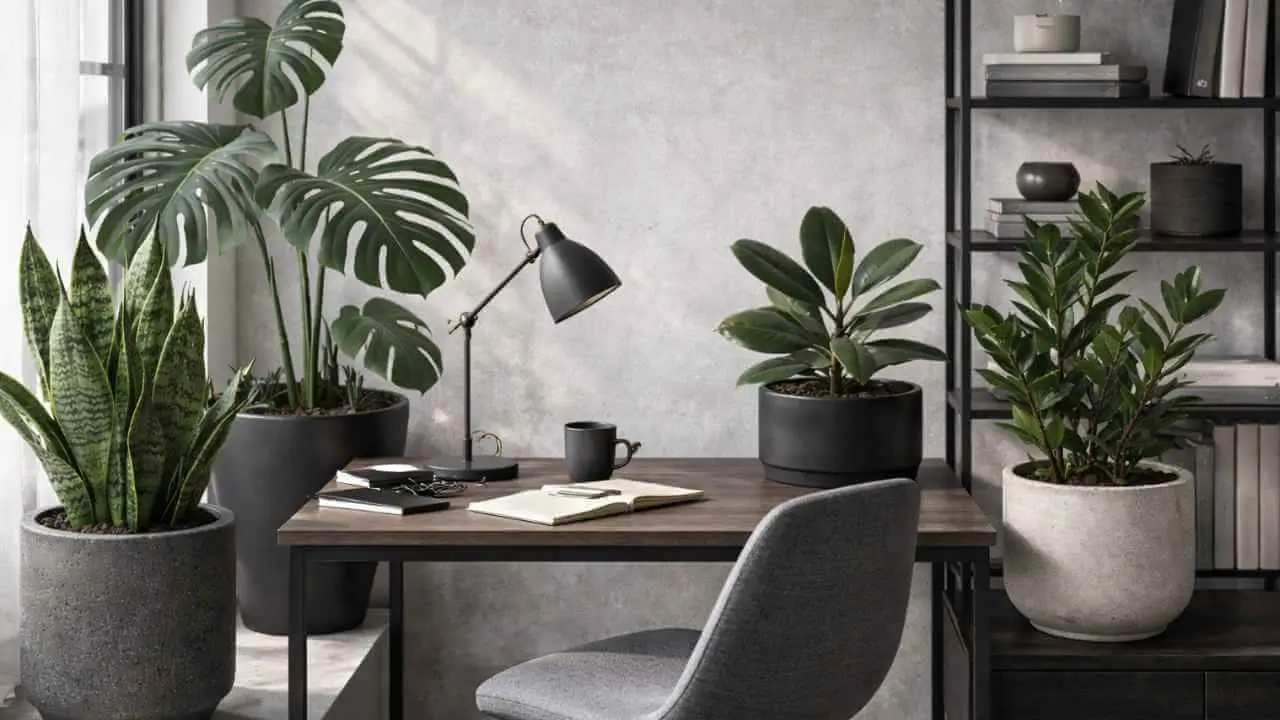
Masculine indoor plants are popular indoor plants for men because they combine strong visual appeal with practical, easy-to-manage care. These plants usually feature clean shapes, upright growth, and rich green or darker tones that suit modern tastes. Masculine indoor plants work especially well in apartments, home offices, and minimalist interiors, where clutter-free design and bold simplicity matter.
For men who prefer low-effort décor, indoor plants for men often provide structure and balance without looking delicate or decorative. They help define a space, add natural texture, and support a confident, modern interior style without overwhelming the room. For a strong trunk-style indoor option, check our guide on yucca plant benefits indoor
Choosing the right indoor plants becomes easier when you understand core plant care principles explained in a complete gardening and plant care guide, especially for modern apartment living.
Manly Indoor Plants for Apartments
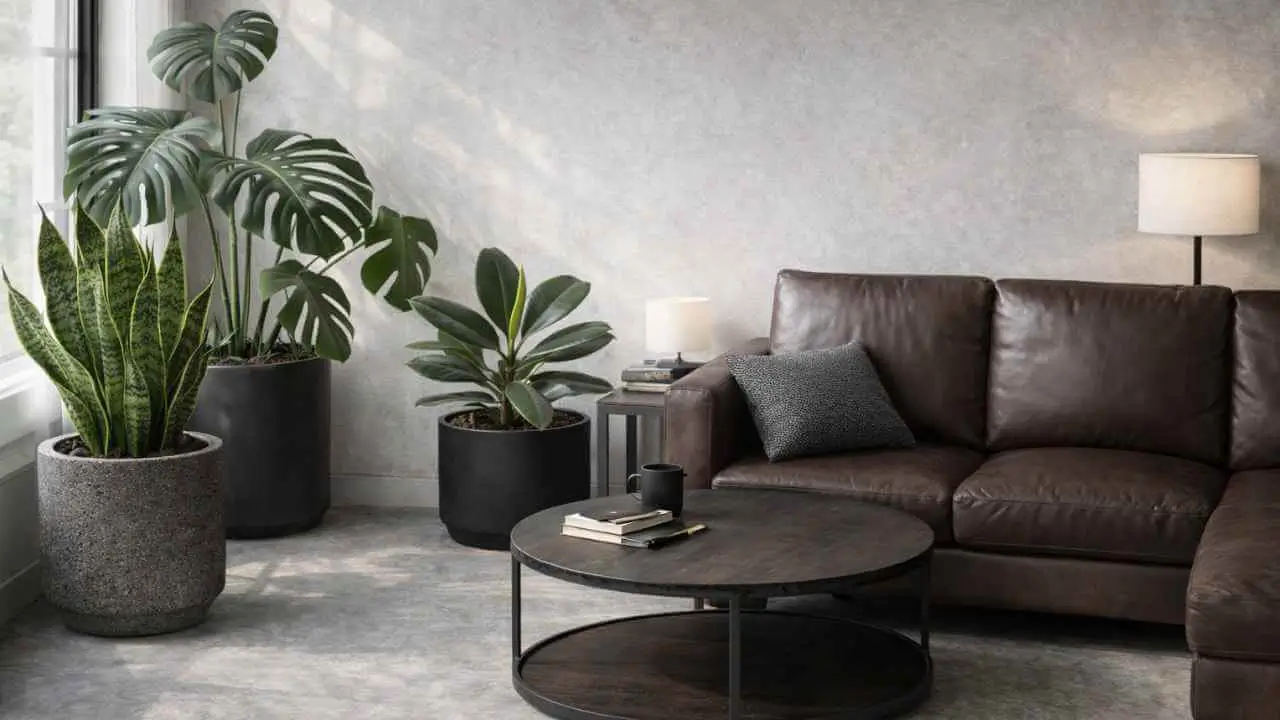
Manly indoor plants are ideal plants for men’s apartments because they offer a bold look while remaining practical for everyday living. These plants are typically low-maintenance, tolerant of indoor conditions, and visually strong enough to stand alone as a design feature. Thick leaves, solid stems, and defined shapes make manly indoor plants a natural fit for smaller apartments or urban spaces.
When chosen correctly, plants for men’s apartments add character and depth without requiring constant attention. Their rugged appearance and straightforward care needs make them a reliable choice for men who want stylish greenery with minimal effort.
Best Manly House Plants
Manly House Plants with Strong Visual Impact
Manly house plants are chosen for their ability to make a space feel grounded and confident. These plants usually feature thick foliage, upright growth patterns, and a rugged texture that stands out without looking flashy. Strong stems, firm leaves, and structured forms give manly house plants a solid presence, making them ideal statement pieces in modern interiors.
Because of their bold structure, these plants often work well as focal points in living rooms, offices, or entry areas. Their visual weight adds balance to clean-lined furniture and neutral color palettes commonly found in masculine spaces. Many masculine plants also have glossy textures similar to plants with waxy leaves, which makes them look even more bold and clean indoors.
Cool Plants for Guys
Cool plants for guys focus on style as much as function. These plants for guys are often selected because they align with current design trends, personal taste, and a desire for effortless décor. Unique shapes, architectural growth, and a no-nonsense look make them popular choices among men who want plants that feel modern rather than traditional.
Style-driven plant choices for men tend to favor simplicity, strong form, and visual impact over delicate blooms or soft textures. This makes cool plants for guys an easy way to express personality while keeping indoor spaces clean, sharp, and well-designed. If you like dramatic, oversized foliage, you may also enjoy the elephant ear plant indoor benefits for bold indoor styling.
7+ Best Manly Plants Men Actually Love
-
Snake Plant – Tall, sharp lines, very low maintenance
-
ZZ Plant – Thick glossy leaves, low light tolerant
-
Rubber Plant – Dark foliage, strong indoor statement
-
Fiddle Leaf Fig – Architectural look for modern décor
-
Monstera – Big bold leaves, trendy masculine vibe
-
Dracaena – Upright structured growth, easy care
-
Cactus (varieties) – Rugged look, minimal watering
-
Yucca – Strong trunk-style plant, bold presence
| Space / Use | Best Pick | Why It Fits |
|---|---|---|
| Men’s apartment | Snake Plant / ZZ Plant | Low care + strong form |
| Home office | Rubber Plant / Dracaena | Clean lines + focus vibe |
| Gift for men | Yucca / ZZ Plant | Durable + masculine look |
| Low-light room | ZZ Plant | Handles low light better |
| Minimalist décor | Snake Plant / Cactus | Sharp, simple, bold |
Plants for Men as Gifts
Best Plant to Give a Man
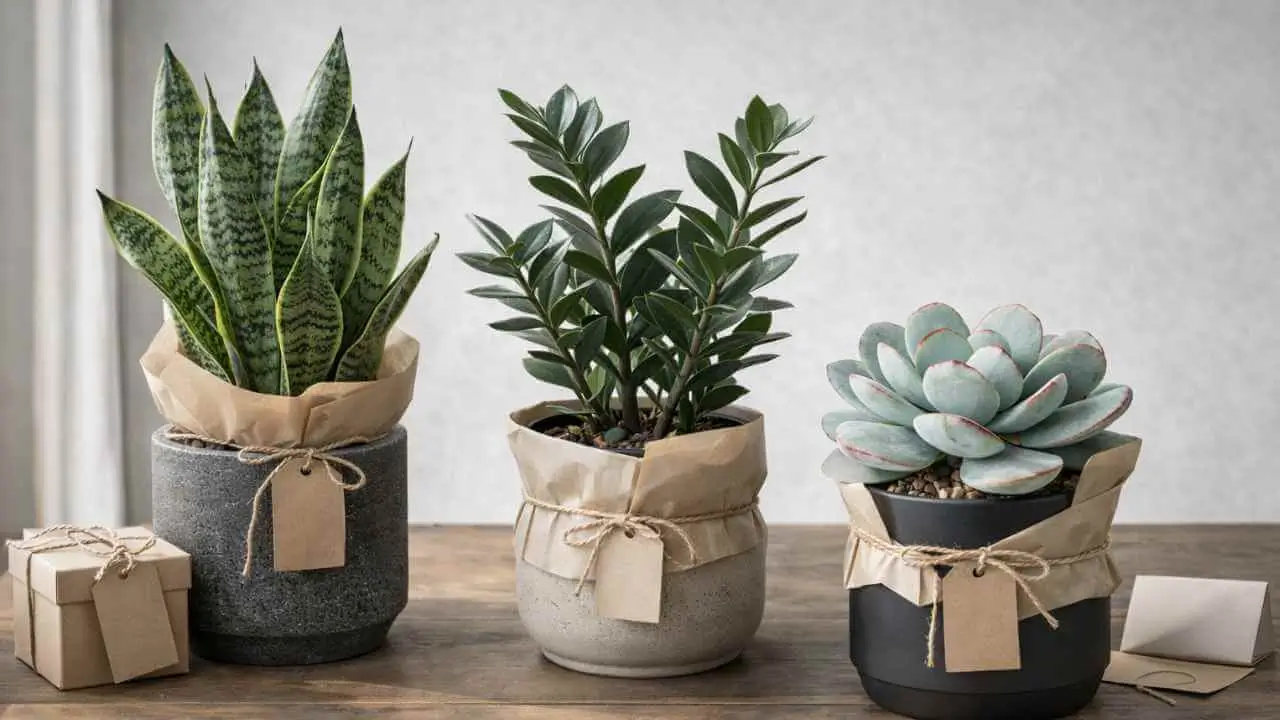
The best plant to give a man is one that reflects his lifestyle, personality, and daily routine. When choosing a plant as a gift, practical factors matter just as much as appearance. A plant that looks strong and structured while requiring minimal care often makes the best plant to give a man.
Matching plant personality with lifestyle is key. For someone with a busy schedule, low-maintenance and resilient plants feel more thoughtful and usable. For design-focused individuals, bold form and clean lines help the plant feel intentional rather than decorative.
Best Houseplant Gifts for Men
The best houseplant gifts for men combine visual strength with convenience. A good house plant gift should fit easily into different indoor settings while maintaining a masculine look. Best houseplant gifts often share traits like durability, controlled growth, and a modern aesthetic.
When selecting the best plants to send as gifts, versatility matters. Plants that adapt well to various light conditions and indoor spaces reduce the risk of failure and make gifting more successful, especially when sending plants long distance or as surprise gifts.
Plants for Him vs Plants for Girlfriend
Plants for him are typically chosen for their bold structure, simple care needs, and strong visual presence. In contrast, plants for girlfriend often focus more on softness, color, or decorative appeal.
This brief comparison helps clarify gifting intent. When selecting plants for him, the emphasis stays on strength, practicality, and modern style rather than ornamental detail.
Masculine Flowers and Floral Choices for Men
Masculine Flowers for Men
Masculine flowers are selected for their strong appearance, bold colors, and simple forms rather than soft or decorative qualities. Masculine flowers for men often feature solid petals, defined shapes, and darker or deeper tones that feel confident and understated. These flowers fit well with modern tastes and are commonly chosen for men who prefer clean, minimal, and purposeful design.
Instead of looking ornamental, masculine flowers communicate strength, balance, and clarity, making them suitable for personal gifting, professional settings, or masculine interior décor.
Manly Flowers & Manliest Flower
Manly flowers are typically associated with firmness, structure, and visual impact. When people refer to the manliest flower or the most masculine flower, they are usually pointing to blooms that feel powerful rather than delicate. Strong stems, bold symmetry, and a no-frills appearance define manly flowers.
These flowers stand out because they align with traditional ideas of masculinity—confidence, stability, and presence—rather than softness or intricate detail. As a result, manly flowers are often favored in male-oriented gifting and décor contexts.
Cool Flowers for Guys
Cool flowers for guys are chosen with style and attitude in mind. These flowers for men often feel modern, edgy, or unconventional while still maintaining a clean and masculine look. Flowers for a man are usually selected based on how well they match personal taste, lifestyle, and setting rather than tradition.
When choosing flowers to get men, simplicity and visual strength matter most. Cool flowers for guys work best when they feel intentional, understated, and aligned with contemporary design preferences.
Male and Female Plants Explained
Do Plants and Trees Have Male and Female Genders?
Some species have separate male and female plants (dioecious), while others have both reproductive parts on the same plant (monoecious). For a detailed botanical explanation of dioecious and monoecious plant systems, you can refer to Wikipedia’s dioecy overview.
Do Trees Have Genders?
The question do trees have genders is common and the answer depends on the species. Botanically, some trees are dioecious, meaning individual trees are either male or female, while others are monoecious, meaning one tree has both male and female reproductive parts. In dioecious species, male trees produce pollen and female trees produce fruit or seeds. Not all plants follow this system, but in trees where genders exist, the distinction is biological rather than symbolic.
Male Trees and Female Trees
Male trees are primarily responsible for producing pollen, which is released into the air for reproduction. Female trees receive that pollen and later produce fruit, seeds, or cones.
In species with clear separation, male trees and female trees have different roles in reproduction but often look similar in structure and growth. The differences are usually noticed during flowering or fruiting seasons rather than in everyday appearance.
Male vs Female Trees
When comparing male vs female trees, the main difference lies in function, not strength or appearance. Male trees vs female trees differ in pollen production versus fruit or seed production.
Both female and male trees contribute equally to plant reproduction, and neither is biologically superior. The concept of male female trees is purely scientific and should not be confused with cultural ideas of masculinity or femininity in plants.
Why Do They Only Plant Male Trees?
The question why do they only plant male trees is often linked to urban planning. In many cities, male trees are preferred because female trees can produce fruit that drops, rots, or creates maintenance issues on sidewalks and streets.
Planting male trees reduces cleanup and infrastructure concerns, but it also increases airborne pollen. This trade-off has led to discussions about allergies and environmental balance, making the topic an important informational point in modern landscape planning.
Masculine Trees and Plant Identity
Masculine Trees
Masculine trees are often identified by their strong trunks, bold canopy forms, and commanding presence in a landscape. These masculine trees visually communicate stability, strength, and endurance through their size and structure. Thick bark, upright growth, and wide, defined canopies contribute to a powerful appearance that feels grounded and confident.
In design and symbolism, masculine trees are commonly associated with authority and permanence, making them popular choices for formal landscapes, public spaces, and settings where a strong visual identity is desired.
Male Tree Concept
The male tree concept can be understood in two ways: symbolic and biological. Biologically, a male tree refers to a tree that produces pollen in species where male and female trees are separate. Symbolically, the term male tree is often used to describe trees that look strong, upright, and dominant, even when they do not have a biological gender distinction.
Understanding this difference helps separate scientific plant biology from cultural language, where “male” is used to express strength and form rather than reproductive function.
Masculine Plant Names & Male Plant Naming Ideas
Masculine Plant Names
Masculine plant names are often chosen to reflect strength, simplicity, and confidence. These names usually sound solid and grounded, matching the bold appearance of masculine plants. Masculine botanical names are frequently inspired by Latin terms, strong consonant sounds, or historical references that feel authoritative and timeless.
In décor and personal spaces, masculine plant names help reinforce a strong identity, making the plant feel intentional rather than decorative. This naming style is especially popular in modern interiors and male-focused environments.
Male Plant Names
Male plant names are commonly used when people want their plants to feel personal, bold, or character-driven. A male plant name often sounds short, firm, and easy to remember. Trends around plant names male usually avoid soft or floral tones and instead favor names that suggest strength or reliability.
Using plant male names adds personality while keeping the overall aesthetic masculine and straightforward, especially in apartments or offices.
Plant-Based Names Male
Plant based names male are also popular beyond houseplants. These plant-based names male are often used for pets, brands, creative projects, or décor themes. They draw inspiration from strong plant characteristics, natural resilience, or symbolic meanings tied to growth and endurance.
This approach connects nature with identity, making plant-inspired names feel grounded, modern, and versatile.
Guy Plant Names
Guy plant names follow casual and modern naming trends. These names are usually informal, easygoing, and relatable, matching the relaxed style many men prefer. Guy plant names often reflect humor, personality, or lifestyle rather than tradition.
This trend makes naming plants feel fun and approachable while still aligning with masculine style and contemporary living spaces.
Feminine Plants vs Masculine Plants
Feminine Plants Explained
Feminine plants are commonly associated with softness, delicacy, and ornamental beauty. Visually, feminine plants often feature lighter colors, fine or flowing leaves, rounded shapes, and decorative flowers. From a cultural perspective, feminine plants are linked with elegance, warmth, and emotional expression rather than strength or structure.
These plants are frequently used in romantic décor, gentle interior styles, or gifting situations where softness and visual charm are the priority. The idea of feminine plants is symbolic, shaped by design trends and cultural preferences rather than plant biology.
Masculine Plants vs Feminine Plants
| Feature | Masculine Plants | Feminine Plants |
|---|---|---|
| Look | Bold & structured | Soft & decorative |
| Leaves | Thick, defined | Fine, delicate |
| Color | Deep green, dark tones | Light tones, colorful |
| Style match | Minimalist, industrial | Romantic, cozy |
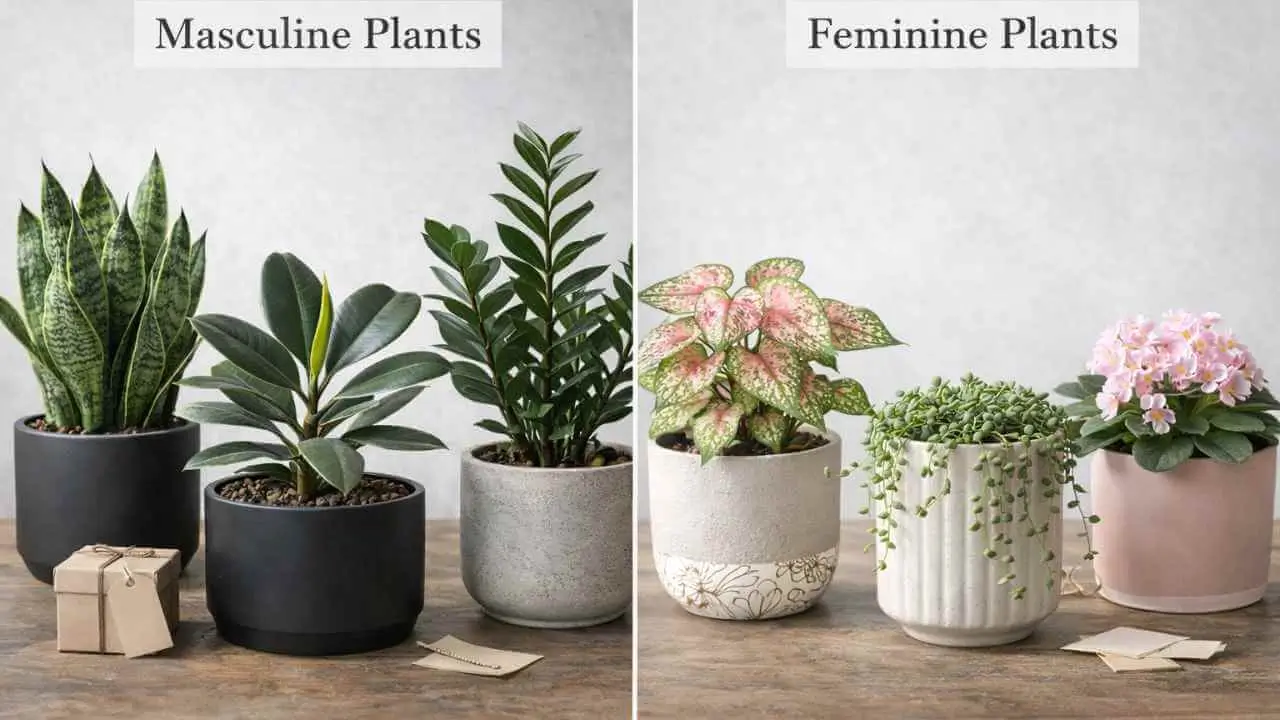
When comparing masculine plants vs feminine plants, the difference is mainly visual and stylistic. Masculine plants focus on bold structure, strong lines, darker tones, and a grounded presence, while feminine plants emphasize softness, color variation, and decorative appeal.
This contrast is useful for décor and gifting decisions. Masculine plants suit modern, minimalist, or male-oriented spaces, while feminine plants fit expressive, decorative, or romantic environments. Understanding this distinction helps people choose plants that better match personal style, space, and gifting intent.
Conclusion
Manly plants and masculine plants stand out because they align naturally with strength, simplicity, and confident design. Their bold structure, clean lines, and low-maintenance nature make them ideal for men who value style without unnecessary complexity. Whether placed in apartments, offices, or modern interiors, these plants reflect personality while enhancing the space.
Choosing the right plant comes down to style, available space, and personal lifestyle. By focusing on plants that feel visually strong and practically manageable, it becomes easier to create meaningful décor or thoughtful gifts. Explore bold indoor plants or gift-ready masculine plants to bring structure, character, and purpose into everyday living.
FAQs
What are manly plants?
Manly plants are plants that feel bold and strong in appearance. They usually have thick leaves, firm stems, dark tones, and a structured growth pattern that creates a rugged or masculine visual impression.
What are the best masculine plants for indoor spaces?
The best masculine plants for indoor spaces are those with clean shapes, upright growth, and low care needs. They work well in apartments, offices, and minimalist interiors where simplicity and structure are preferred.
Are there plants specifically considered masculine?
Plants are not biologically masculine, but some are culturally considered masculine due to their strong form, solid structure, and visual presence. These traits influence how plants are labeled in décor and lifestyle contexts.
Do plants and trees really have male and female genders?
Some plants and trees do have male and female reproductive parts, depending on the species. This is a biological function and is separate from cultural ideas of masculinity or femininity in plant appearance.
What are the best manly plants to gift a man?
The best manly plants to gift a man are durable, low-maintenance plants with bold structure. They should match his lifestyle and space while offering a strong, confident look.
What is the most masculine flower?
The most masculine flower is generally considered one with strong stems, bold color, and simple form. Flowers that avoid delicate petals and focus on structure are often viewed as the most masculine.
Are snake plants considered manly plants?
Yes, snake plants are often considered manly because of their tall upright form, sharp lines, and very low-maintenance care.
What plants are best for men’s apartments?
Snake plant, ZZ plant, rubber plant, and dracaena are great for men’s apartments because they look bold and don’t need frequent care.
Can I gift a masculine plant to a man?
Yes. Masculine plants make great gifts because they are durable, easy to maintain, and match modern interiors.

Written by the LeafyHeaven Editorial Team
LeafyHeaven shares practical gardening tips and simple plant care guides to help you grow, nurture, and enjoy your plants with ease. Our goal is to make gardening feel natural, approachable, and rewarding for everyone.

[…] Read Also:7+ Manly Plants & Masculine Plants Men Actually Love […]