
Introduction
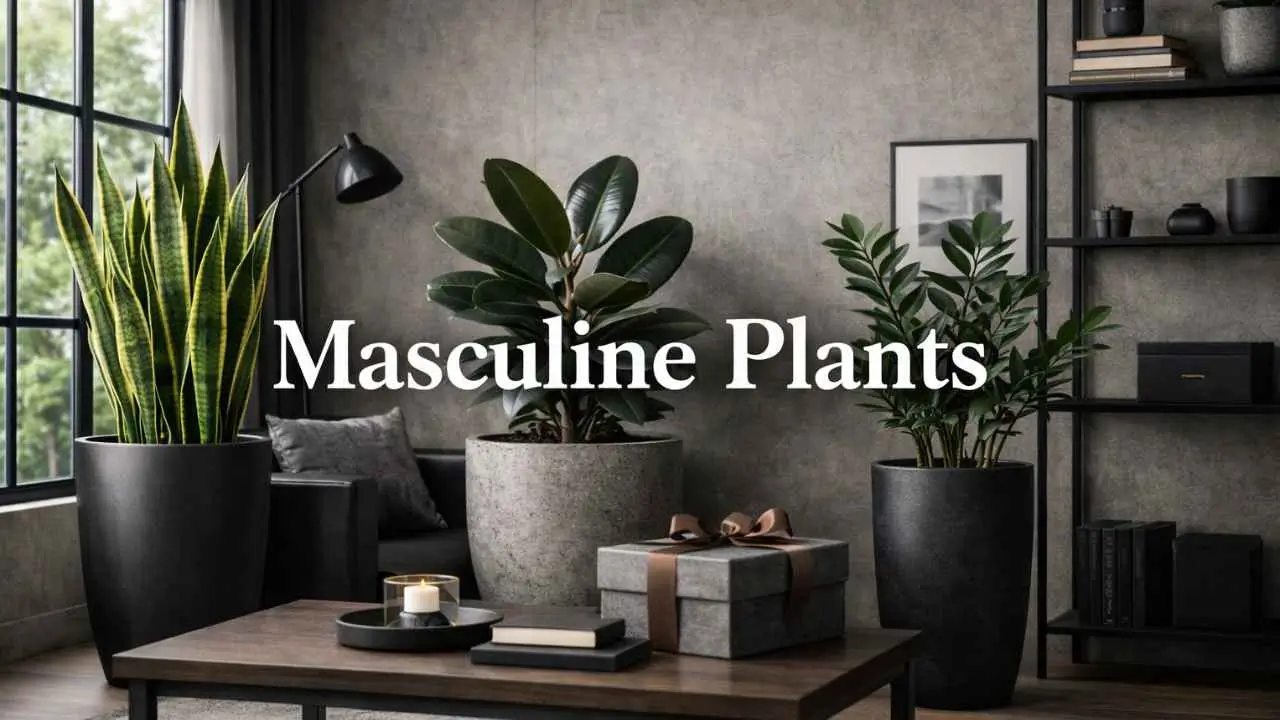
Masculine plants are plant choices that reflect boldness, strength, structure, and a clean visual presence rather than soft or delicate aesthetics. These plants are often defined by strong stems, sharp or architectural leaves, deep green or dark tones, and a powerful overall form that feels grounded and confident. Many people consider certain plants masculine because they project durability, simplicity, and low-maintenance appeal qualities commonly associated with modern masculine design preferences. In recent years, masculine plants have gained strong popularity in men’s homes and apartments, especially among those seeking stylish yet practical greenery. They are also increasingly chosen as gifts, as masculine plants feel purposeful, long-lasting, and suitable for minimal, modern, or industrial interiors without appearing overly decorative.
What Are Masculine Plants?
A masculine plant is generally defined as a plant that conveys strength, structure, and a bold visual presence rather than softness or ornamentation. These plants are chosen more for their form, durability, and statement value than for delicate flowers or decorative details. Masculine plants often fit well into modern, industrial, minimalist, or rugged interior and exterior spaces where simplicity and impact matter more than visual delicacy.
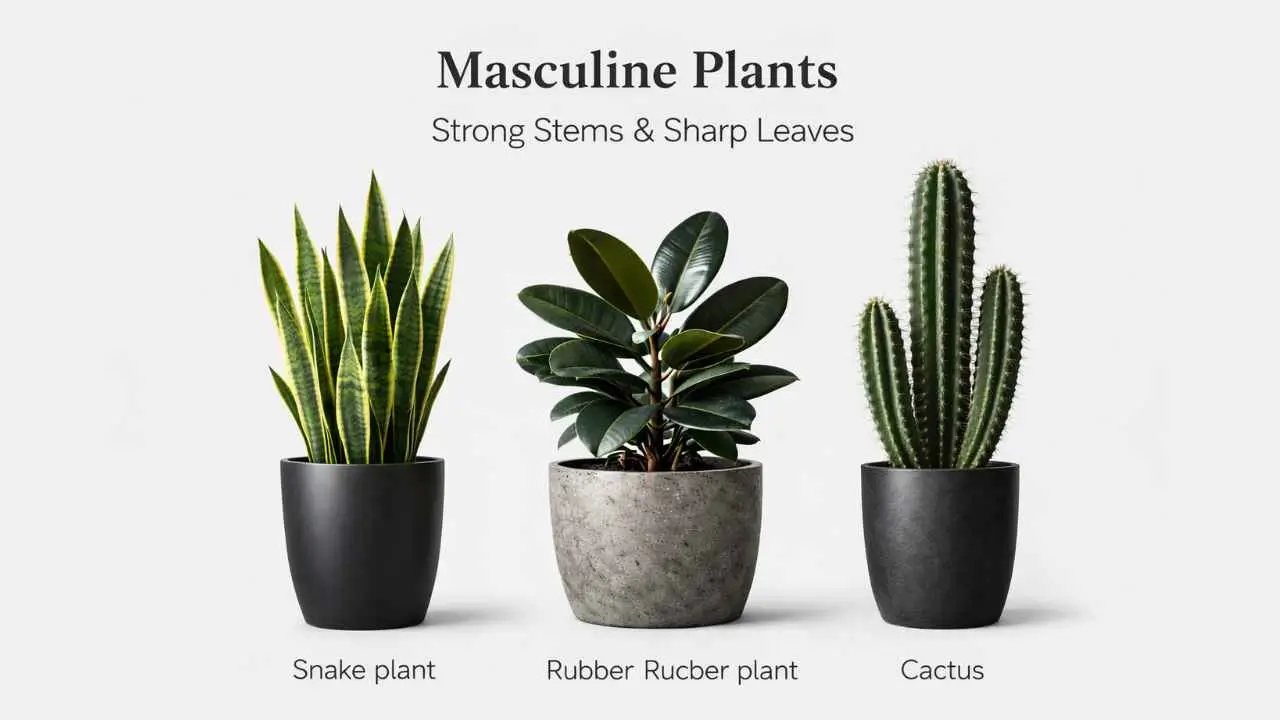
The visual and structural traits that make plants masculine usually include thick stems, upright or rigid growth habits, sharp or well-defined leaf shapes, and darker or deeper green tones. Many masculine plants grow in a controlled, architectural way, creating clean lines and a sense of order. Their toughness, drought tolerance, and low-maintenance nature also contribute to their masculine identity, as they align with practical and no-fuss lifestyles.
The difference between decorative and masculine plant styles lies mainly in design intent. Decorative plants focus on softness, color variation, flowing foliage, or floral beauty, often used to add charm or delicacy to a space. Masculine plants, on the other hand, emphasize structure, strength, and simplicity. They are selected to anchor a room, add balance, and create a strong visual statement without looking ornamental or fragile.
Masculine Plant Names and Meanings
Masculine plant names often reflect power, resilience, or bold natural elements. These names may come from Latin, Greek, or historical references that sound strong and authoritative. Many male plant names are associated with firmness, endurance, or dominance in nature, which naturally supports their masculine appeal.
A male plant name is typically short, strong-sounding, and easy to remember, making it suitable for plants that project confidence and stability. Masculine botanical names frequently use sharp consonants or classical roots, giving them a scientific yet commanding tone. Similarly, male botanical names tend to emphasize structure, survival, or physical strength, reinforcing the perception of the plant as bold and masculine rather than decorative or delicate.
Masculine Flowers for Men
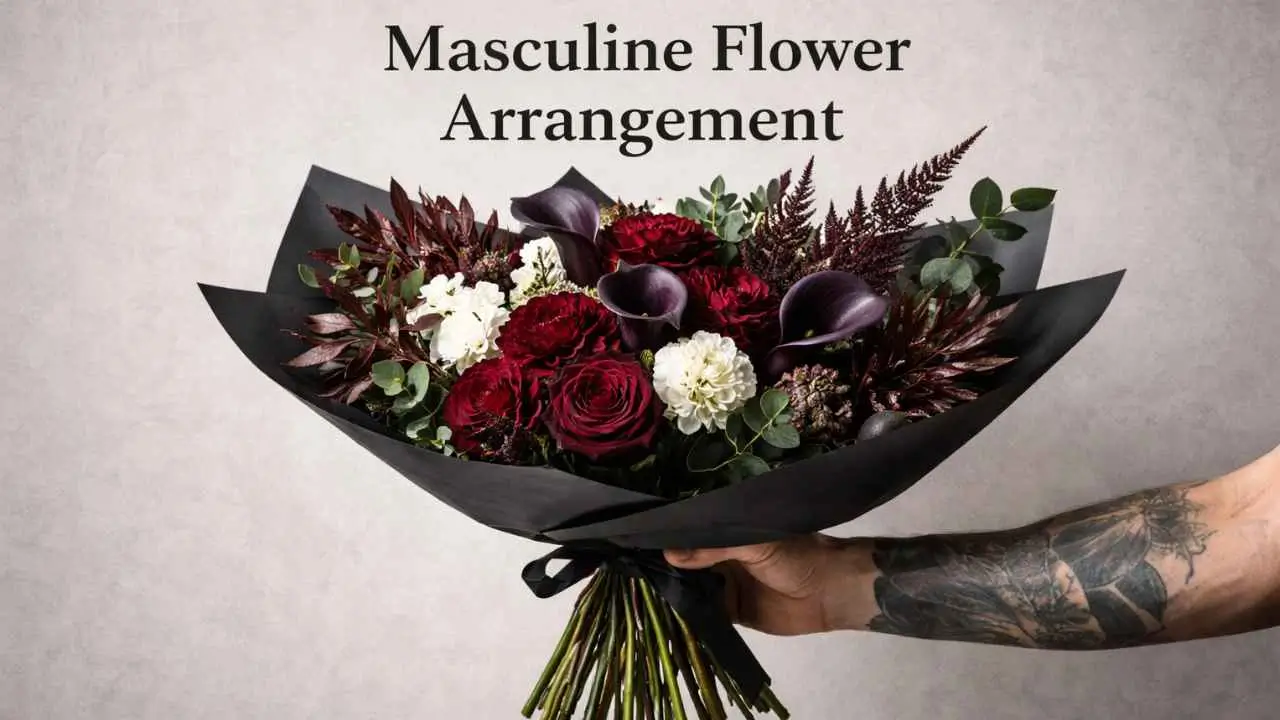
Flowers commonly associated with masculinity are chosen for their strong form, deep colors, and symbolic meaning rather than softness or romantic appeal. These flowers often feature bold petals, solid stems, and structured shapes that communicate confidence, resilience, and strength. Dark reds, deep purples, rich blues, and crisp whites are frequently linked with masculine flowers, as they create a powerful visual impact without appearing delicate. Masculine flowers are often appreciated for their simplicity and presence, making them suitable for men who prefer understated yet meaningful floral choices.
Masculine flowers differ from traditional floral styles in both appearance and intention. Traditional flowers are usually designed around softness, fragrance, and decorative charm, often featuring pastel shades and flowing arrangements. Masculine flowers focus more on structure, contrast, and symbolism. They are arranged in clean, minimal designs that highlight the flower itself rather than excessive wrapping or embellishment, resulting in a modern and refined look.
Manly Flowers Men Prefer
Manly flowers are typically those that feel bold, structured, and visually strong. The most masculine flower is often considered one that has a firm stem, defined shape, and rich coloration, making it stand out without looking ornate. When people refer to the manliest flower, they usually mean flowers that symbolize strength, courage, or loyalty, which aligns closely with masculine values.
Masculine flowers for men are chosen for their clean lines and powerful presence rather than fragrance or softness. These masculine flowers are popular in modern settings because they fit well into minimal interiors and contemporary lifestyles, offering elegance without excess decoration.
Flower Gifting Ideas for Men
Choosing flowers for men involves focusing on simplicity, structure, and meaning rather than traditional romantic themes. Flowers for a man are best selected in bold colors with minimal wrapping to maintain a refined appearance. Many people look for cool flowers for guys that feel unique, modern, and confident, avoiding overly bright or pastel tones.
When deciding on flowers to get men, sturdy flowers with long-lasting appeal are often preferred. These choices commonly align with men’s favorite flowers, which tend to emphasize strength and symbolism. A masculine flower bouquet usually features fewer flower varieties, strong color contrast, and a clean arrangement that feels intentional and stylish rather than decorative.
Do Trees Have Genders?
From a scientific perspective, trees and plants can have different reproductive systems, which is why the idea of plant gender exists. Some plants contain both male and female reproductive parts on the same plant, while others separate them. In many tree species, flowers may be male or female, and reproduction depends on pollen transfer between them. This biological distinction explains how plant and tree genders function naturally without implying gender in a human sense.
Plant gender matters in nature and landscaping because it directly affects pollination, fruit production, seed formation, and environmental impact. In landscaping, choosing specific plant genders can influence cleanliness, allergies, maintenance needs, and whether a tree produces fruit or seeds. These factors make plant gender an important consideration for both natural ecosystems and urban design.
Male and Female Trees Explained
A male tree is a tree that produces pollen but does not produce fruit. Male trees release pollen into the air, which is carried by wind or insects to fertilize female trees. Female and male trees exist separately in certain species, meaning each tree has a specific reproductive role. These are often referred to as male female trees, where one sex produces pollen and the other produces seeds or fruit.
Male Trees vs Female Trees
The difference between male vs female trees lies mainly in their reproductive output. Male trees vs female trees typically release pollen, while female trees develop fruits, nuts, or seed pods after pollination. When comparing female trees vs male trees, female trees are often associated with more visible debris such as fallen fruit or seeds, while male trees contribute more to airborne pollen levels.
Why Are Male Trees Commonly Planted?
Many people ask, why do they only plant male trees in cities and public spaces. The primary reason is maintenance and cleanliness. Male trees do not produce fruit or seeds, which reduces litter on sidewalks, roads, and landscaped areas. In urban landscaping, planners often prefer male trees to minimize cleanup costs, even though pollen considerations remain an important environmental factor.
Masculine Trees and Outdoor Plants
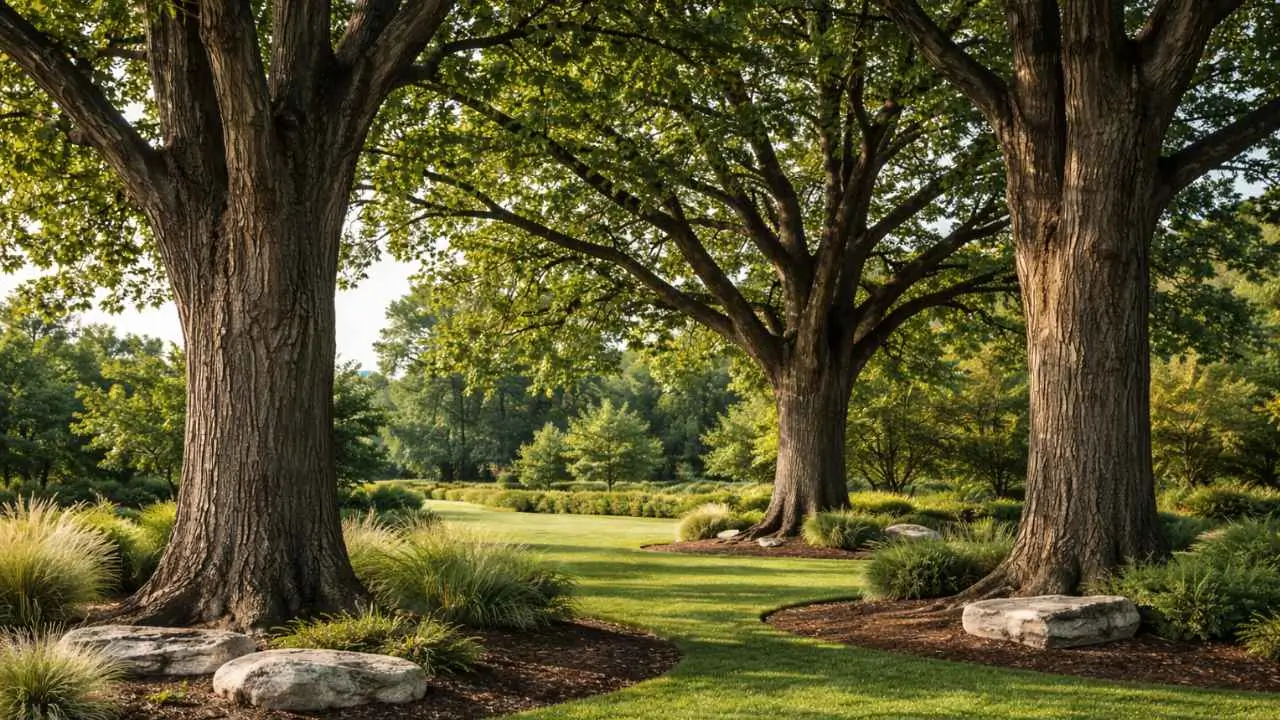
Trees commonly viewed as strong and masculine are usually those with thick trunks, solid branching patterns, and an imposing presence in the landscape. These trees create a sense of permanence, stability, and strength, making them popular choices for outdoor spaces that aim to feel grounded and powerful. Many of these trees grow upright with defined forms, reinforcing a bold visual impact that stands out in gardens, yards, and larger landscapes.
The structural traits that define masculine trees include sturdy trunks, symmetrical or well-balanced canopies, and rigid growth habits. Masculine trees often have coarse bark, strong root systems, and minimal ornamental features. Their appearance feels controlled and confident rather than soft or flowing. These qualities also make them resilient to weather and environmental stress, further strengthening their masculine identity.
Masculine Trees for Landscapes
Masculine trees are frequently chosen to anchor outdoor designs and create a commanding focal point. These trees are often grouped with manly plants that share similar bold and structured characteristics, resulting in a cohesive and powerful landscape style. A single manly plant with strong form can define an entire outdoor space, adding visual weight and balance without relying on decorative elements.
For indoor-focused masculine styling ideas, you can also explore manly plants for bold modern spaces, which highlights structured plants suited for apartments and interiors.
Best Plants for Men and Guys
Certain plants appeal more to men because they combine visual strength with practicality. Many men prefer plants that look bold, structured, and purposeful without requiring constant attention. Plants with clean lines, strong growth patterns, and minimal decorative elements often feel more aligned with modern masculine lifestyles. These plants fit naturally into contemporary homes, offices, and apartments where simplicity, function, and style matter more than delicate appearance.
Low-maintenance and bold plant choices are especially attractive because they offer long-term value without demanding intensive care. Plants that tolerate irregular watering, adapt to indoor lighting, and maintain their shape over time are often favored. Their durability and resilience reflect a practical mindset while still adding natural character and balance to living spaces.
Understanding why certain plants perform better indoors becomes easier when you explore the fundamentals in a complete gardening and plant care guide, especially when choosing plants that match lifestyle and environment.
Plants for Men
Plants for men are typically chosen for their strength, simplicity, and visual impact. Plants for guys often feature thick leaves, upright growth, or architectural forms that stand out without looking ornamental. Many people look for cool plants for guys that feel modern and confident, making them suitable for offices, bedrooms, or shared living spaces.
Cool plant names for guys also play a role in plant selection, as strong-sounding or bold names add personality and reinforce a masculine identity. These plants are often selected not just for appearance, but for how they complement a confident, no-nonsense lifestyle.
Plants for Men’s Apartments
Plants for men’s apartment settings need to balance style with practicality. Space-friendly and easy-care options are ideal for apartments where room and natural light may be limited. Compact plants with controlled growth habits fit well into small spaces without overwhelming the environment.
Easy-care options are especially important for apartment living, as they require minimal maintenance while still enhancing the space. These plants add a sense of freshness and structure, making apartments feel more refined and visually balanced without adding extra responsibility.
Manly Indoor Plants
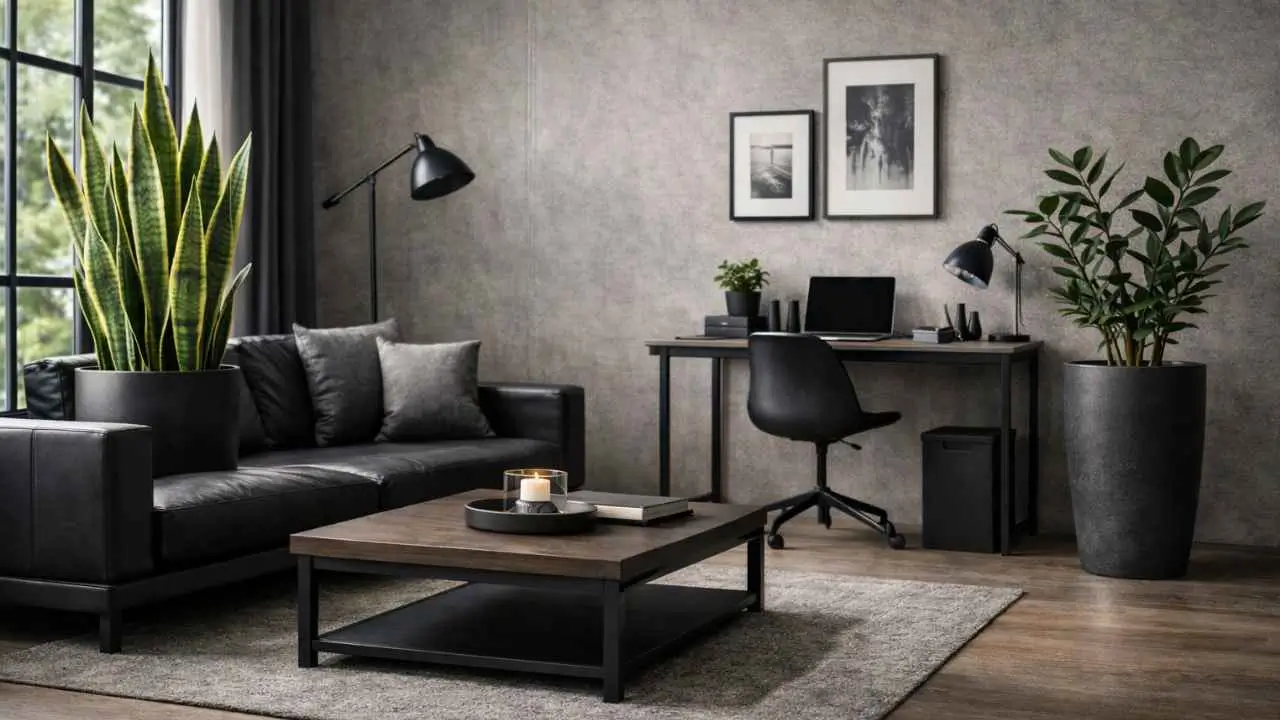
Manly indoor plants are chosen to create a masculine atmosphere that feels strong, modern, and balanced. These plants add structure and presence to indoor spaces without appearing decorative or delicate. Thick leaves, upright growth, and bold shapes help establish a grounded environment that complements minimal, industrial, or contemporary interiors.
Similarly, plants like the dragon plant are widely used in modern interiors for their strong vertical structure and low-maintenance appeal.
Manly indoor plants often enhance a room by adding visual weight and natural texture while maintaining a clean and confident look.
Manly House Plants
Manly house plants are selected for their durability, strong form, and low-maintenance nature. Manly indoor plants typically feature solid stems, defined leaf edges, and controlled growth patterns that contribute to a structured indoor setting. A masculine plant used indoors often acts as a focal element, anchoring furniture layouts and reinforcing a bold interior design without overwhelming the space.
Indoor Plants for Men
Indoor plants for men should complement modern interiors through thoughtful placement and simple styling. Styling tips for modern interiors include using neutral or dark planters, placing plants near clean-lined furniture, and avoiding excessive grouping. Strategic positioning allows indoor plants to enhance the room’s structure and atmosphere, reinforcing a masculine aesthetic while keeping the space uncluttered and refined.
Plant Names with Masculine Identity
Plant names with a masculine identity often reflect symbolism linked to strength, resilience, and authority. These naming trends are influenced by cultural associations, language structure, and historical references that convey power or stability. Many masculine plant names are inspired by warriors, natural forces, or strong physical traits, which helps shape how the plant is perceived. The symbolism behind these names plays a role in why certain plants feel more masculine, as names can influence emotional connection and visual interpretation just as much as physical appearance.
Male-Based Plant Naming Styles
Plant names male often sound firm and direct, using strong consonants and shorter syllables that feel assertive. Plant male names are commonly derived from Latin or Greek roots, giving them a formal and authoritative tone. Plant based names male may reference strength, endurance, or dominance in nature, reinforcing the plant’s masculine identity. Similarly, plant-based names male tend to avoid soft or floral-sounding terms, instead emphasizing structure, toughness, and a commanding presence.
Feminine Plants vs Masculine Plants
The visual and symbolic comparison between feminine and masculine plants is based mainly on form, texture, and overall design impact. Masculine plants are typically associated with strength, structure, and bold presence, while feminine plants are often linked to softness, delicacy, and decorative appeal. These differences influence how plants are used in interior design, landscaping, and personal preference, shaping the atmosphere of a space.
Feminine Plants Explained
Feminine plants are generally characterized by soft foliage, flowing shapes, lighter colors, and ornamental flowers. How feminine and masculine plants differ in design and perception comes down to visual weight and emotional response. Feminine plants create a gentle, calming, or decorative feel, while masculine plants project stability, simplicity, and confidence. These contrasting traits help people choose plants that best align with their aesthetic goals and lifestyle preferences.
Conclusion – Choosing the Right Masculine Plants
Choosing the right masculine plants for homes and gifting starts with focusing on structure, durability, and visual strength. Plants with bold forms, controlled growth, and minimal decorative elements are ideal for creating a confident and grounded look. When selecting masculine plants for gifting, practicality matters just as much as appearance. Low-maintenance plants with long-lasting appeal make thoughtful gifts because they suit modern lifestyles and require minimal effort to care for.
The lifestyle and design benefits of masculine plants extend beyond aesthetics. These plants help create organized, balanced spaces that feel calm, modern, and purposeful. Masculine plants complement contemporary interiors, men’s apartments, and outdoor landscapes by adding natural character without clutter or softness. Their strong presence supports a clean design approach while reinforcing a sense of stability, making masculine plants a practical and stylish choice for both everyday living and meaningful gifting.
FAQs – Masculine Plants
What are masculine plants?
Masculine plants are plants known for their bold structure, strong form, and minimal decorative features. They typically have thick stems, defined leaf shapes, and a grounded appearance that feels confident and durable rather than soft or ornamental.
Which plants are best for men’s apartments?
The best plants for men’s apartments are low-maintenance, space-efficient, and visually strong. Plants with upright growth, controlled size, and tolerance to indoor conditions work well, especially in modern or minimalist living spaces.
Are masculine plants different from feminine plants?
Yes, masculine plants differ mainly in design and perception. Masculine plants emphasize structure, strength, and simplicity, while feminine plants focus more on softness, flowing shapes, lighter colors, and decorative appeal.
Do trees really have male and female genders?
Yes, some tree species have distinct male and female trees. Male trees produce pollen, while female trees produce fruit or seeds. This biological difference is important for pollination, landscaping decisions, and maintenance planning.
What are the best masculine flowers for gifting?
The best masculine flowers for gifting are those with strong stems, defined shapes, and deep or neutral colors. Clean, minimal arrangements with symbolic meaning are often preferred, as they feel confident, modern, and appropriate for men.

Written by the LeafyHeaven Editorial Team
LeafyHeaven shares practical gardening tips and simple plant care guides to help you grow, nurture, and enjoy your plants with ease. Our goal is to make gardening feel natural, approachable, and rewarding for everyone.


[…] Read Also: 7+ Powerful Masculine Plants That Define Bold Modern Spaces […]