
Introduction
Moonflower blue is a term that captures immediate attention among gardeners, largely because true blue night-blooming flowers are rare and visually striking. The idea of a moonflower producing a blue-toned bloom appeals to collectors, ornamental gardeners, and those seeking unusual vine plants. In reality, the moonflower blue label often creates confusion, as most traditional moonflowers bloom in white or pale shades rather than true blue. Many plants marketed under this name rely on color perception, lighting effects, or mislabeling. Understanding the real appearance, rarity, and common misunderstandings surrounding blue varieties helps gardeners make informed decisions before planting or purchasing seeds.
What Is Moonflower Blue?
Moonflower Blue Plant Overview
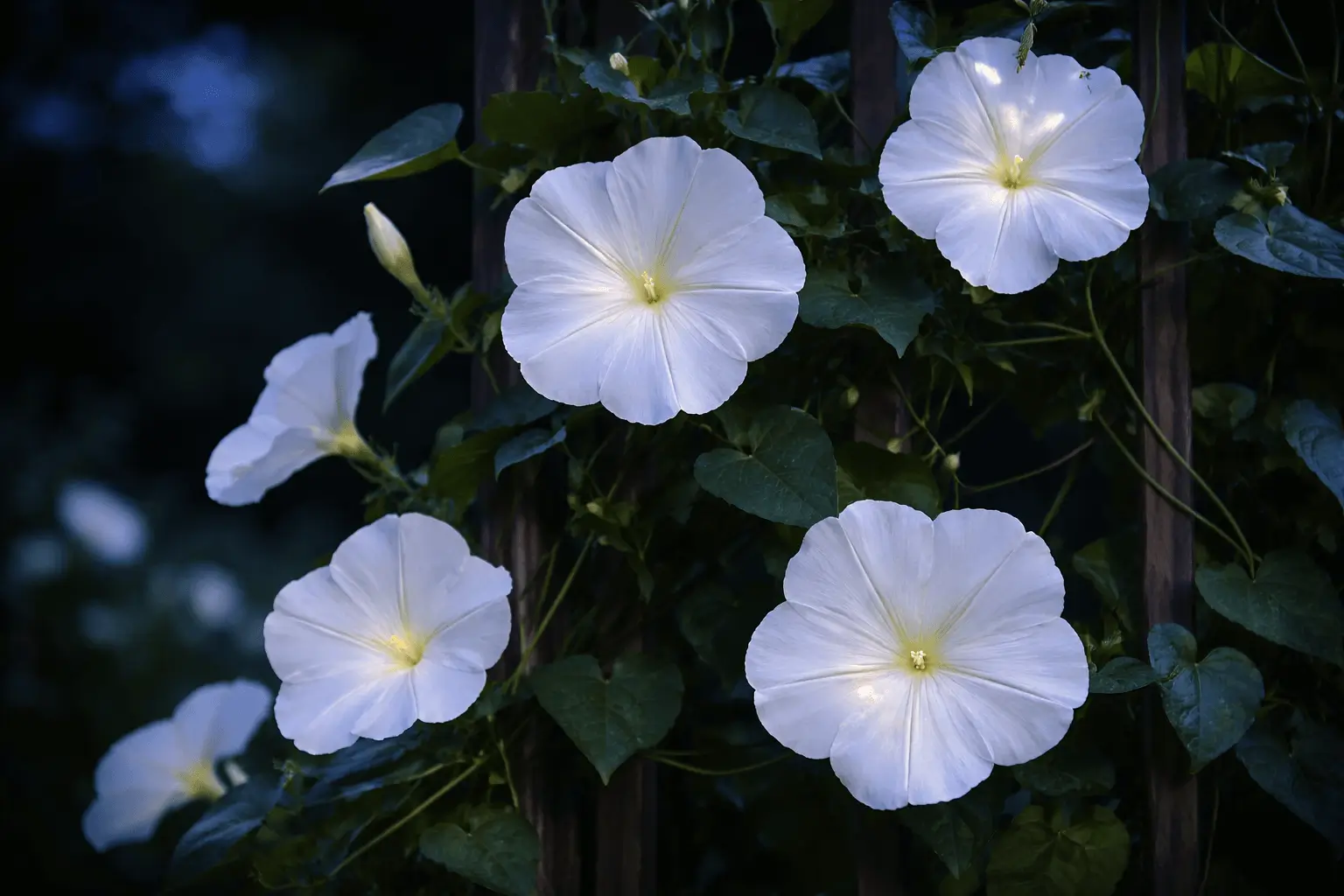
The moonflower blue plant is not a distinct botanical species but a descriptive name commonly used in gardening markets. True moonflowers belong to the Ipomoea genus and are closely related to morning glories. Botanical confusion arises because several blue-flowering Ipomoea varieties are labeled as moonflowers despite lacking the classic night-blooming trait.
Key distinctions include:
- True moonflowers typically bloom at night and feature white or creamy flowers
- Many plants sold as moonflower blue are day-blooming vines
- The moonflower blue color label often reflects marketing rather than genetics
This naming overlap leads gardeners to expect a rare blue night bloomer that does not naturally exist.
Moonflower Blue Color Explained
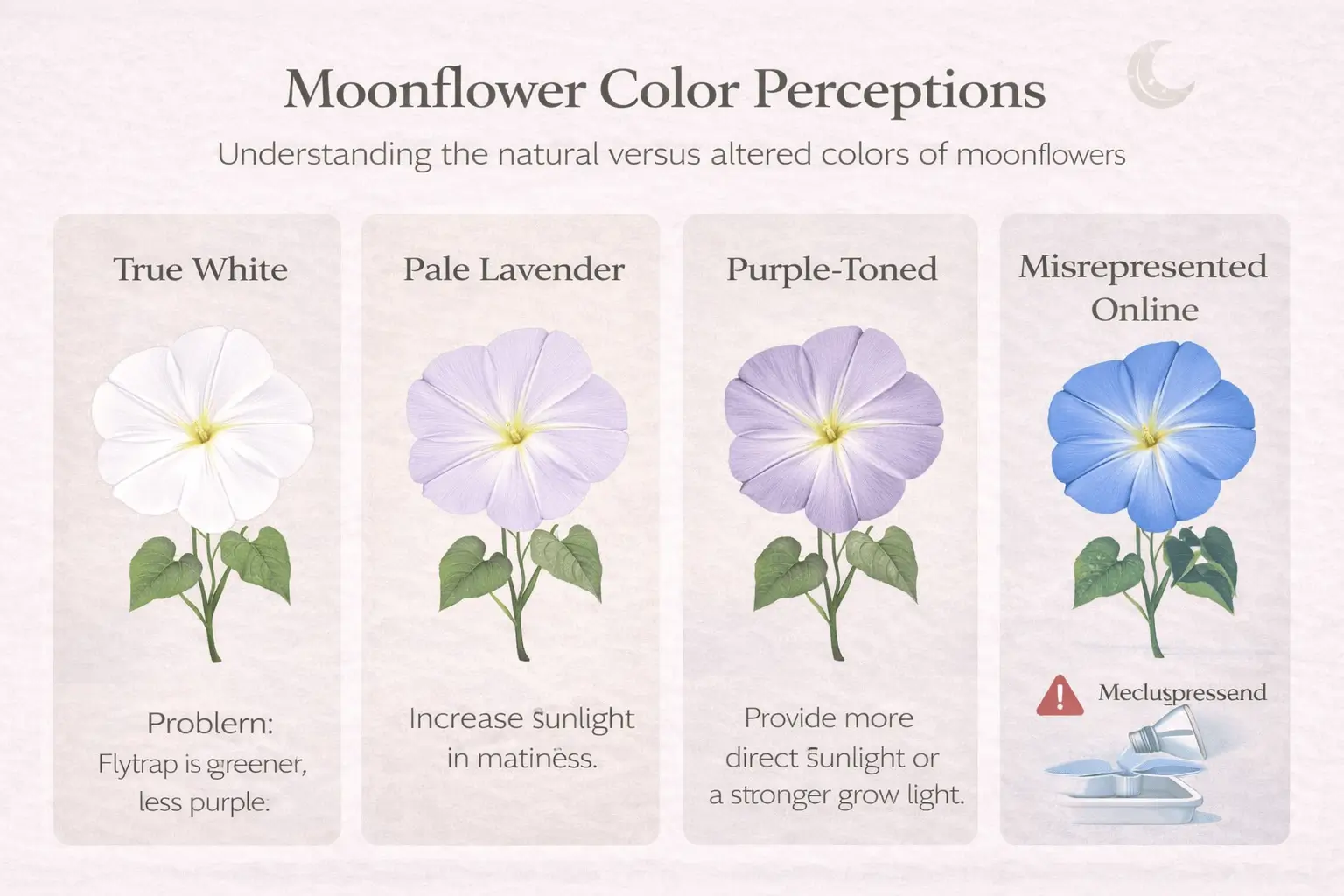
Moonflowers naturally display a limited color range dominated by white, pale cream, and very light lavender tones. A true deep blue moonflower has not been verified in natural cultivation. Most so-called blue examples fall into these categories:
- Pale lavender or silvery hues appearing blue under moonlight
- Purple-leaning flowers labeled as blue for visual appeal
- Digitally enhanced images altering perceived color
Compared to moonflower purple shades, which occur more naturally, blue tones are typically optical or artificial rather than genetic.
Is There a True Blue Moonflower? (Fact vs Myth)
Blue Moonflower in Popular Culture
Blue moonflowers frequently appear in anime, fantasy art, and illustrated media, contributing to widespread misconceptions. A common example is the blue moon flower frieren reference, which portrays an entirely fictional blue night-blooming flower. These depictions are symbolic rather than botanical and should not be confused with real plants.
Such cultural references often:
- Use blue to signify rarity or magic
- Inspire searches for non-existent plants
- Lead to unrealistic expectations among gardeners
Plants Often Sold as “Blue Moonflower”
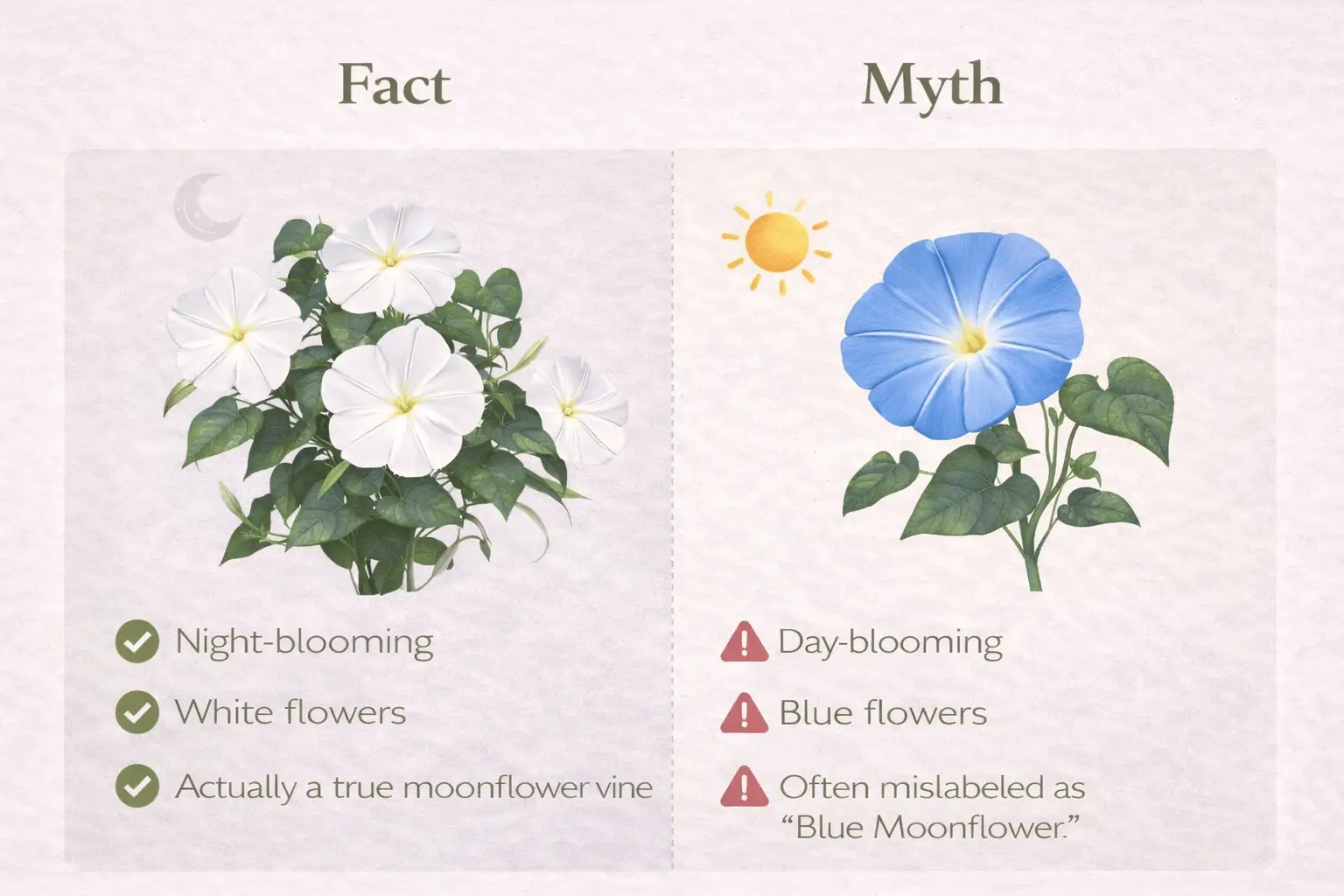
Many listings labeled as blue moonflowers actually refer to morning glories, which bloom during the day and naturally produce blue flowers. Other misleading practices include:
- Selling standard white moonflowers with edited photos
- Dye-treated plants presented as naturally blue
- Stock images reused across unrelated listings
This is especially common in online listings advertising moonflower blue for sale.
Moonflower Blue Seeds — What You Should Know
Availability of Blue Moonflower Seeds
Blue moonflower seeds are widely marketed but rarely authentic. In most cases, sellers use ambiguous labeling to attract buyers. Common tactics include:
- Using terms like “rare blue variety” without proof
- Showing mature plant images unrelated to the seeds
- Avoiding scientific names in listings
In reality, verified blue moonflower seeds do not exist in standard horticulture.
How to Identify Genuine Moonflower Seeds
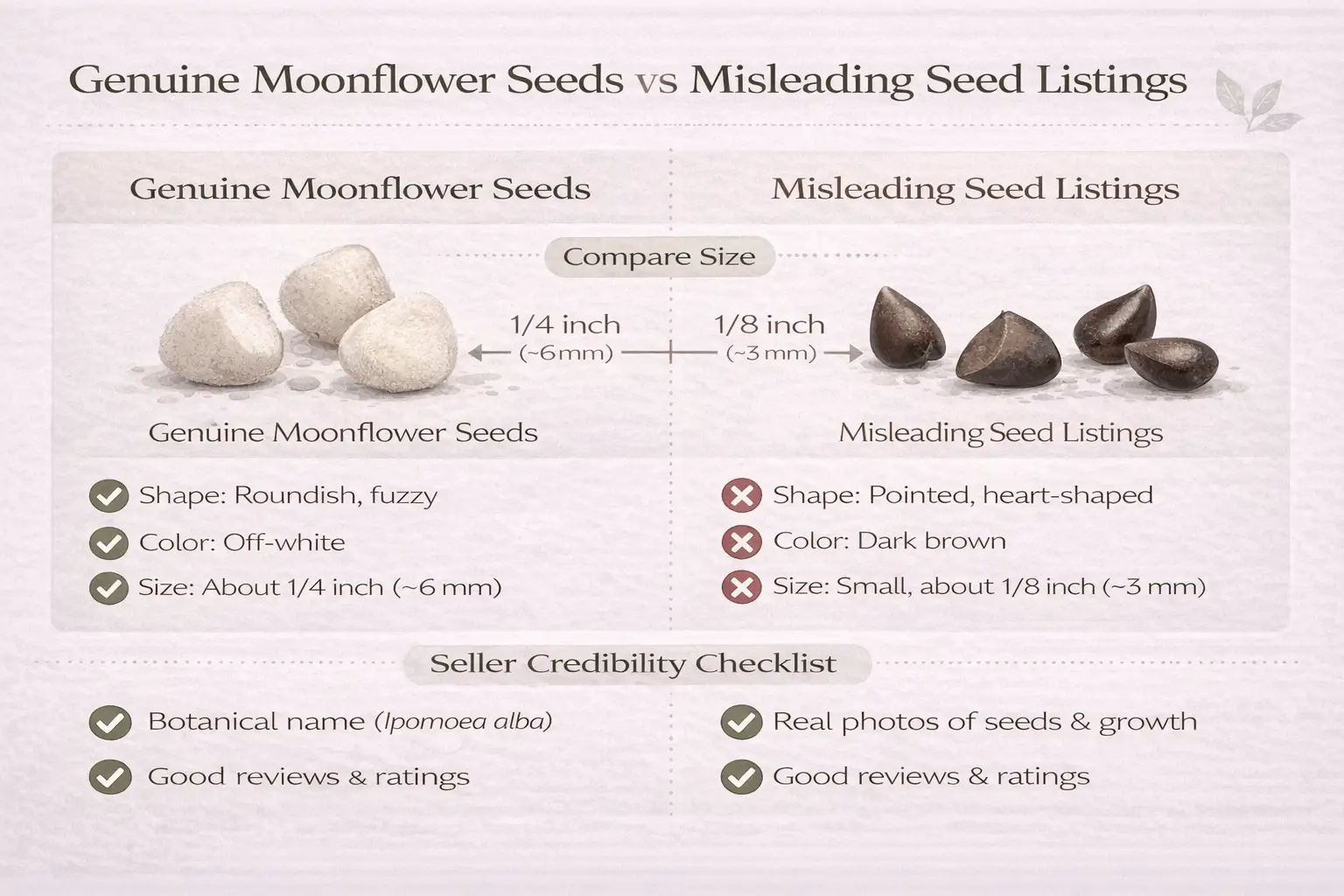
Authentic moonflower seeds share consistent traits:
- Dark brown to black color
- Hard, tear-drop shape
- Larger size compared to morning glory seeds
When evaluating sellers, check for:
- Clear botanical naming
- Real customer photos
- Transparent color descriptions
Moonflower Varieties & Color Comparisons
Moonflower Blue vs Purple
When comparing moonflower blue vs purple, purple-toned flowers are far more credible. Differences include:
- Purple hues occur naturally in some Ipomoea relatives
- Blue tones are usually visual illusions
- Genetic stability favors white and purple shades
Moonflower purple varieties are therefore more reliable for gardeners seeking color variation.
Beach Moonflower vs Garden Moonflower
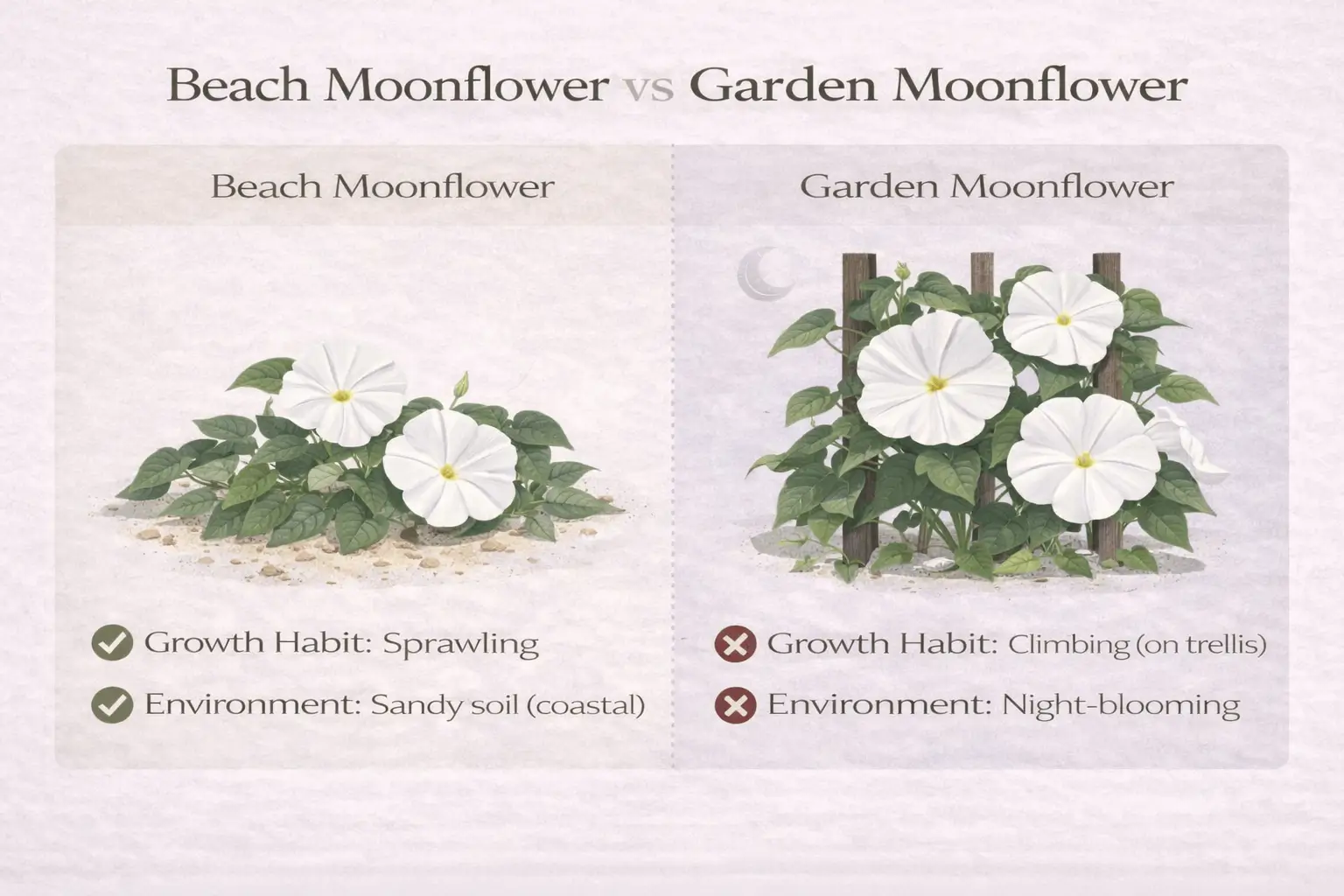
Beach moonflower refers to coastal-growing Ipomoea species adapted to sandy soils. Key differences include:
- Beach moonflower has thicker leaves and sprawling growth
- Garden moonflower grows as a climbing vine
- Flower colors remain pale rather than blue
Understanding beach moonflower characteristics helps avoid misidentification.
Growing Moonflower Plants Successfully
Ideal Growing Conditions
Moonflowers thrive under specific conditions:
- Full sun for vigorous growth
- Well-draining but moist soil
- Regular watering without waterlogging
Their signature night-blooming behavior occurs once plants mature and daylight shortens.
Container vs Ground Planting
Both methods work well depending on space:
- Containers suit patios and controlled growth
- Ground planting supports larger vines
- Trellises or fences are essential for vertical support
Is Moonflower Poisonous? (Important Safety Note)
Toxicity in Moonflower Plants
Moonflowers contain compounds that can be harmful if ingested. The moon flower poisonous risk applies to:
- Seeds
- Leaves
- Flowers
Pets and humans may experience adverse effects if consumed.
Safe Handling Tips
To reduce risk:
- Wear gloves when handling seeds
- Keep plants away from pets and children
- Avoid planting near play areas
Buying Moonflower Blue — What to Check
Moonflower Blue for Sale Online
When seeing moonflower blue for sale, watch for:
- Overly saturated blue images
- No scientific naming
- Claims of “guaranteed blue blooms”
These are common red flags.
How to Avoid Scams
Protect yourself by:
- Buying from established nurseries
- Reading verified reviews
- Accepting realistic color expectations
Conclusion
Moonflower blue is best understood as a descriptive or marketing term rather than a verified botanical reality. True moonflowers naturally bloom in white or very pale tones, and claims of deep blue varieties are usually the result of mislabeling, image manipulation, or confusion with other plants. While purple-leaning hues and light lavender shades can occur, a genetically stable blue moonflower has not been confirmed in standard horticulture.
Gardeners should realistically expect vigorous vines, fragrant night-blooming flowers, and dramatic evening displays—but not true blue blooms. Approaching seed listings and plant sales with botanical awareness helps avoid disappointment. Grow informed, verify sellers carefully, and buy wisely to enjoy moonflowers for their genuine beauty rather than unrealistic promises.
Read Also: 7+ Stunning Facts About the Purple Venus Fly Trap You’ll Love
FAQs — Moonflower Blue
Is moonflower blue a real flower color?
No, true blue moonflowers do not exist in natural cultivation.
Why do some moonflowers look blue online?
Lighting effects, editing, and color perception often alter appearance.
Can blue moonflower seeds produce blue flowers?
No verified seeds reliably produce true blue moonflowers.
Is moonflower poisonous to pets?
Yes, ingestion can be harmful to pets and humans.
What is the difference between beach moonflower and garden moonflower?
Beach moonflower grows in coastal conditions, while garden moonflower is a climbing ornamental vine.

Written by the LeafyHeaven Editorial Team
LeafyHeaven shares practical gardening tips and simple plant care guides to help you grow, nurture, and enjoy your plants with ease. Our goal is to make gardening feel natural, approachable, and rewarding for everyone.