
The winter charm of the nandinas
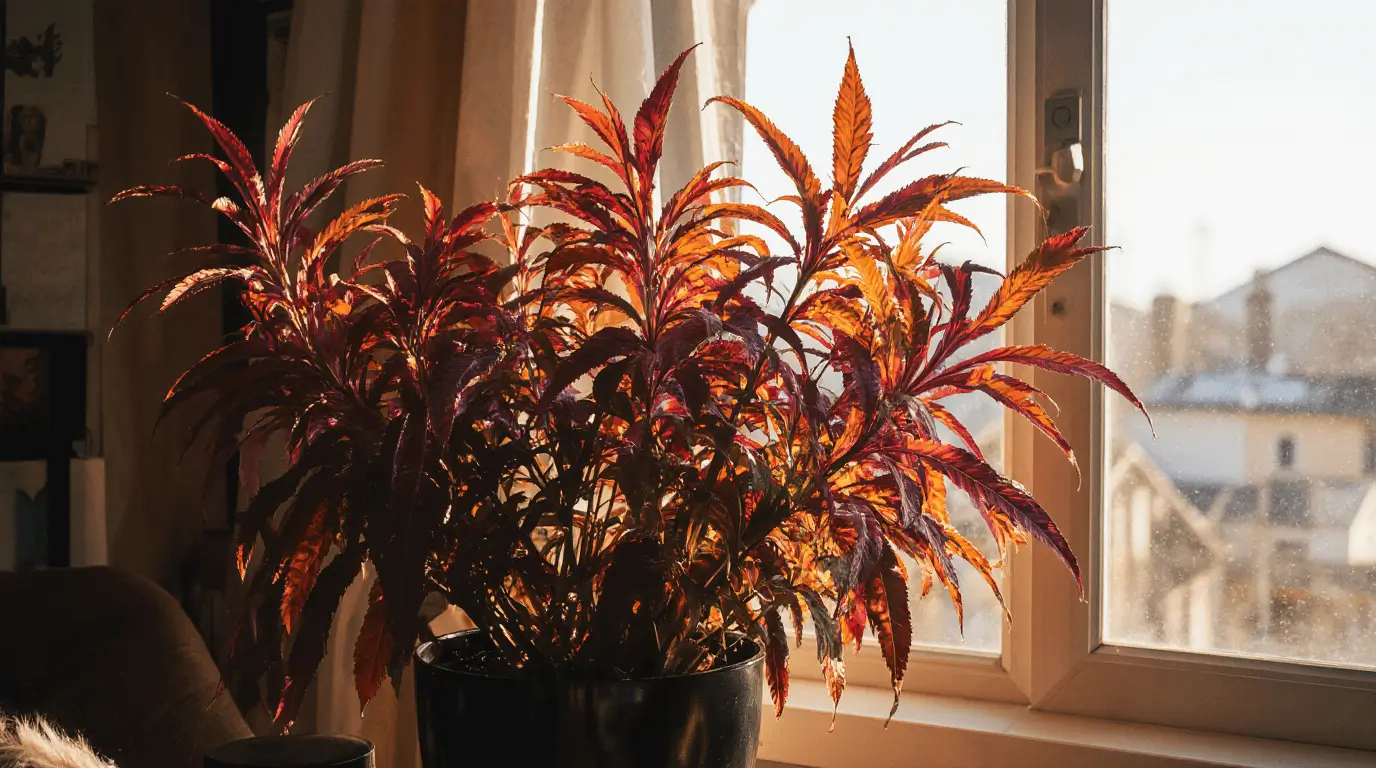
When I walk into my garden in late fall and early winter, I still feel amazed at how exotic plants like nandina can transform a quiet corner into something magical, especially when I notice how nandina in winter looks almost enchanted. This stunning plant slowly shifts its foliage from soft green to reddish leaves that reach their peak beauty around the holiday season. I love how the mix of red, orange, and purple tones fits naturally with my Christmas decor, especially when the clusters of berries turn bright red and add a gentle festive spirit near the front door. Knowing that people also call it Sacred Bamboo and Heavenly Bamboo, and that it comes from mountainous forests in the Far East, the Himalayas, and Japan, gives it a storybook charm; some even say it holds celestial powers that help chase away nightmares and clear bad vibes, which makes the cold evenings feel just a little warmer and more comforting to me.
In my own experience, the winter show only looks this good because I paid attention to simple care from the first year. I gave my plants regular watering at the start so the roots could settle well, even though nandina is quite drought-resistant later and can handle long periods without much water. During the growing season, I like to add a small dose of fertilizer every 15 days, which keeps the plant strong and helps it hold a naturally beautiful shape. When I notice disproportionate branches, I use gentle pruning to tidy them up, and over time I’ve seen how this light touch keeps the shrub balanced and full of splendor, proving that a little mindful care can bring out the best winter charm in this quiet star of the garden.
To keep ornamental plants looking their best throughout the seasons, understanding gardening and plant care fundamentals helps you manage watering, pruning, and long-term plant health more effectively.
If you want to learn more about the plant’s origins and characteristics, here’s the complete botanical background of Nandina that explains its history and natural habitat.
How to care
When I place my plant in a good spot in the garden or on the terrace, I always make sure it gets partial shade or some direct sunlight depending on the weather. In very hot days or when temperatures rise, I keep the soil or potting mix slightly moist so the roots don’t dry out, and when temperatures drop in cold seasons, it still stays steady without needing complex care.
Can You Grow Nandina Indoors? Absolutely! Here’s How to Do It Right
I’ve seen Nandina, also called Heavenly Bamboo, act like a real outdoor showstopper, but it can also thrive indoors with simple care. Its stunning red, orange, and purple foliage becomes a beautiful accent in any home, especially during the holiday season, and keeping an indoor nandina happy and healthy is surprisingly easy once you understand its rhythm.
Light & Placement
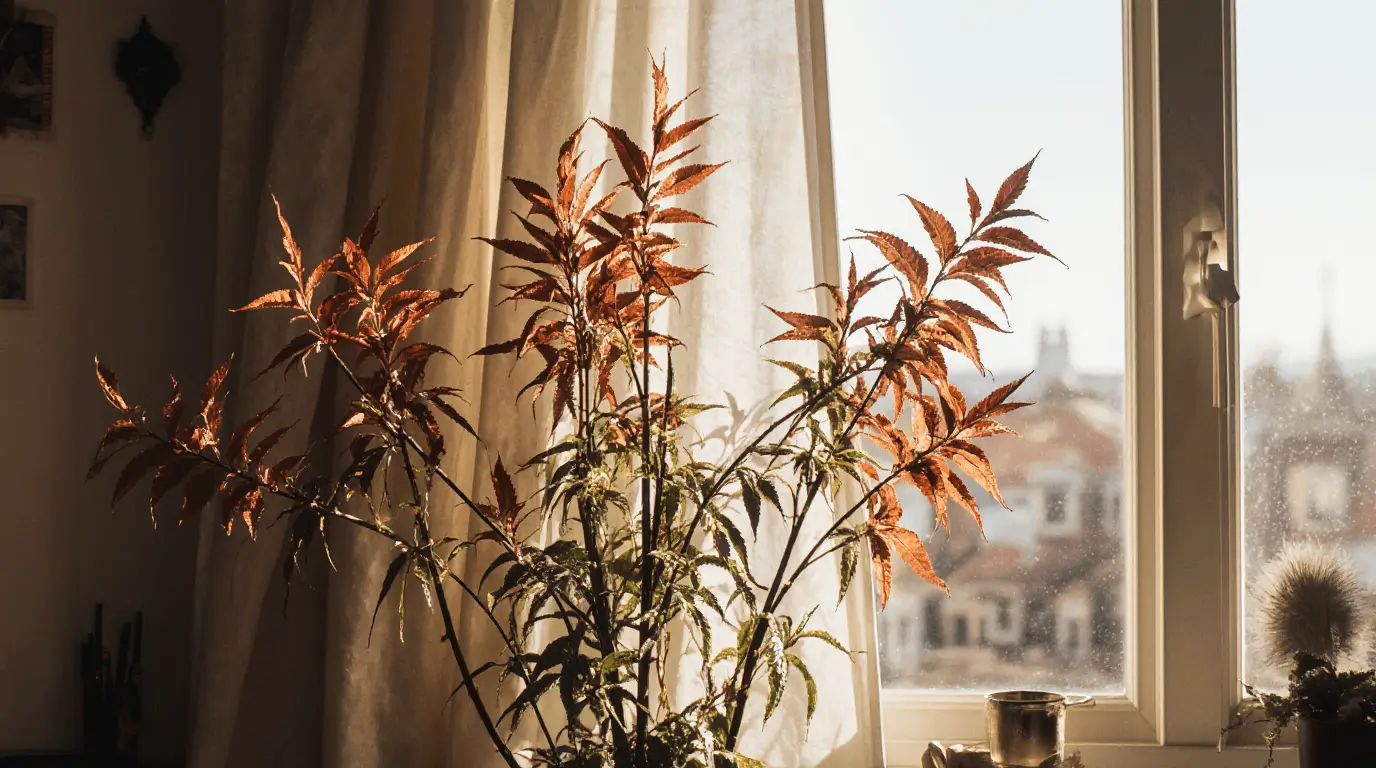
I always start by checking if my Nandina is getting the Ideal Light, because it truly responds well to bright indirect sunlight near an east-facing window or even a south-facing window when the sun is softer. In spaces with low light or lower light conditions, I notice its vibrant colors fade, so I add grow lights when natural light becomes scarce.
Temperature & Humidity
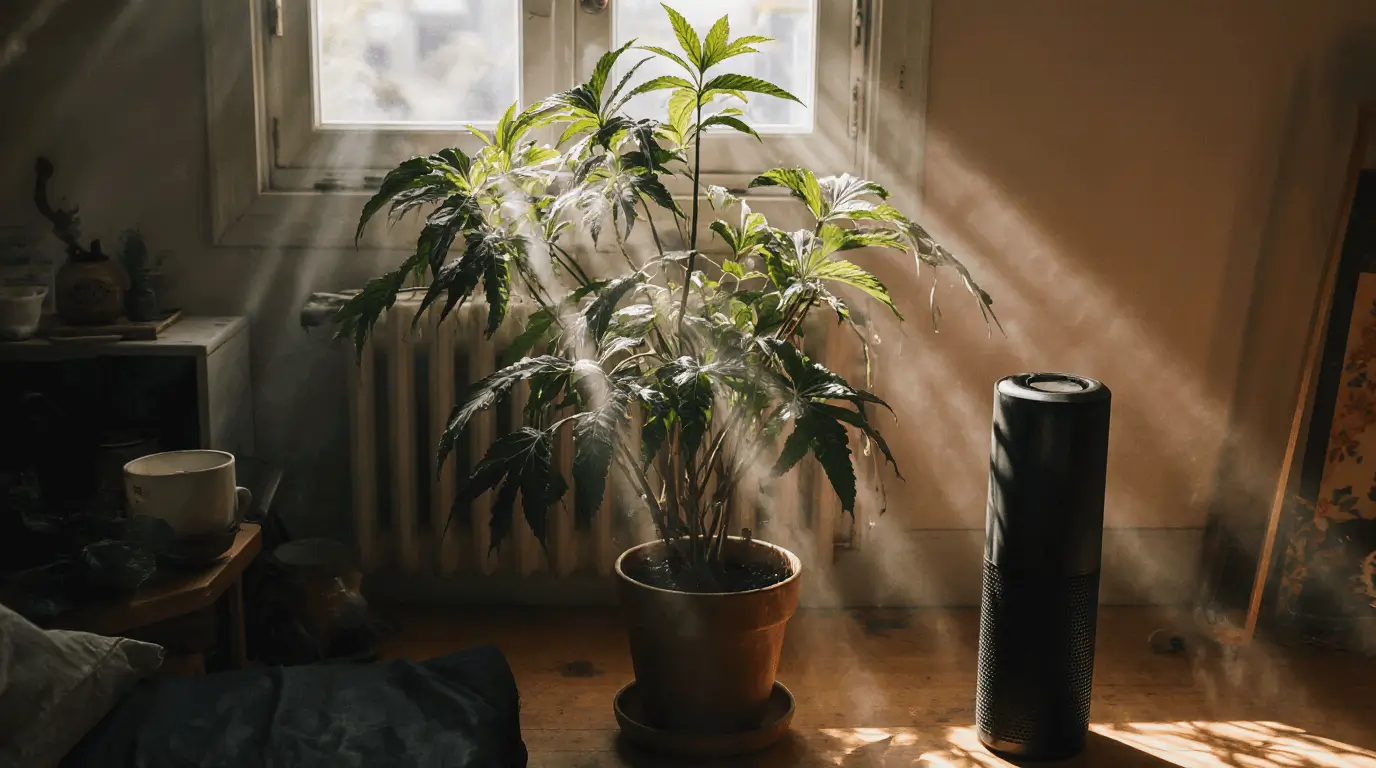
What helps most in my own home environments is keeping the plant within Perfect Temperatures of 60°F to 75°F or 15°C to 24°C, which keeps it steady through the seasons. Since a dry home can limit growth, I use a humidifier, a water tray, or even mist leaves sometimes to maintain humidity and moderate humidity, which keeps the foliage looking lush.
Pot & Soil Requirements
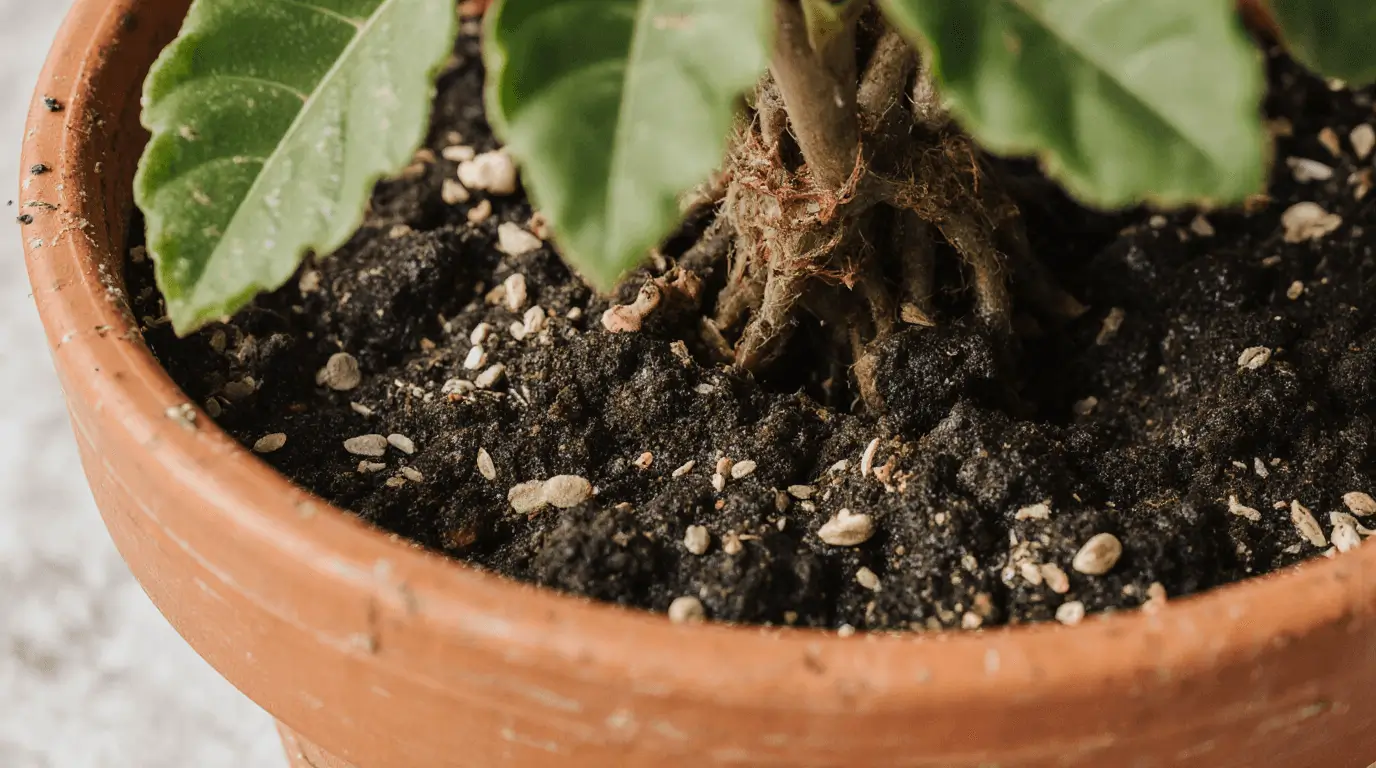
I always remind new plant owners to use a Pot with Drainage, because without proper drainage holes, the plant risks waterlogged roots and what people call wet feet. For the soil, I prefer a blend of well-draining soil, standard potting soil, perlite, and sand, which supports optimal drainage and mimics the airy soil, loose soil, and natural habitat Nandina naturally thrives in.
Watering Tips
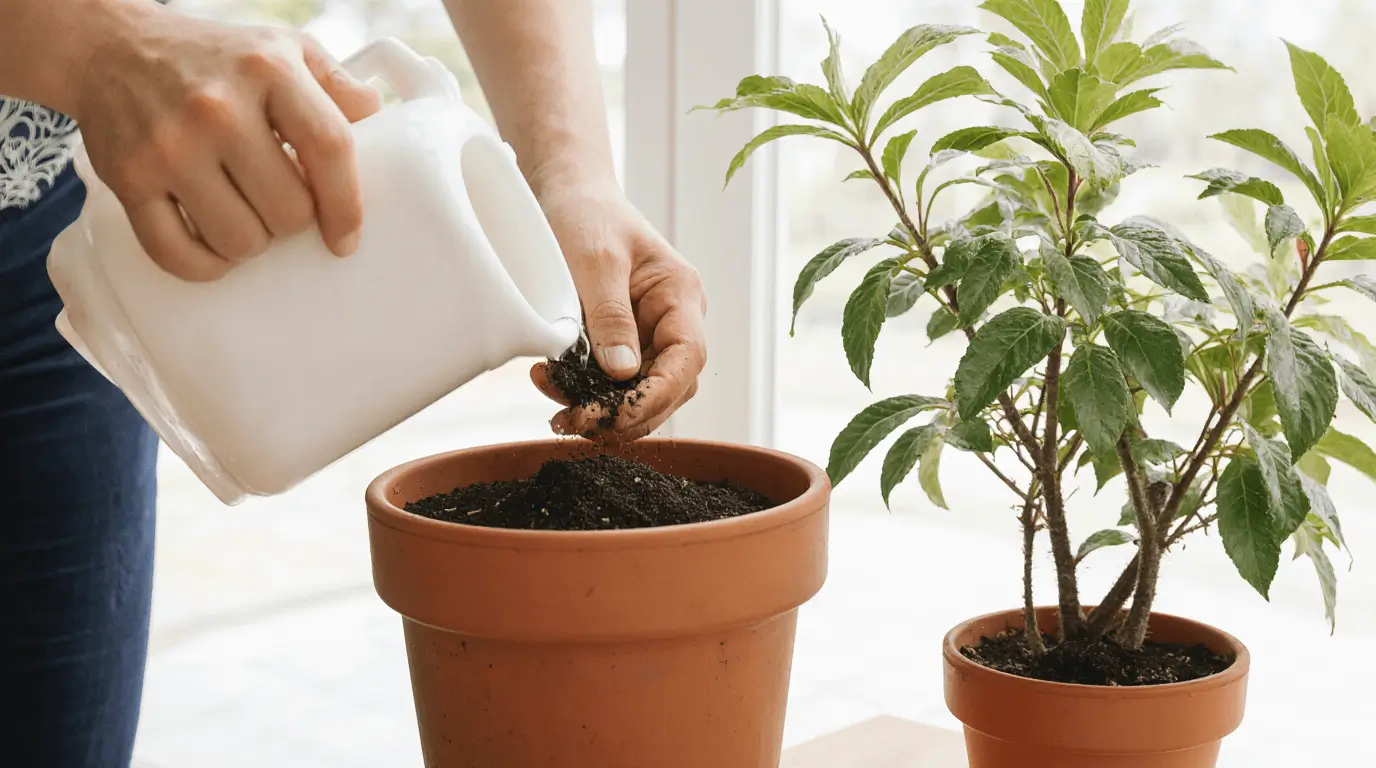
My rule for watering is simple: check the soil and only water When to Water conditions are met—when the top 1–2 inches dry soil starts to feel dusty. Since it’s drought-tolerant, it handles being underwater far better than overwater, because too much water can lead to root rot or even yellowing leaves.
Fertilizer & Growth Tips
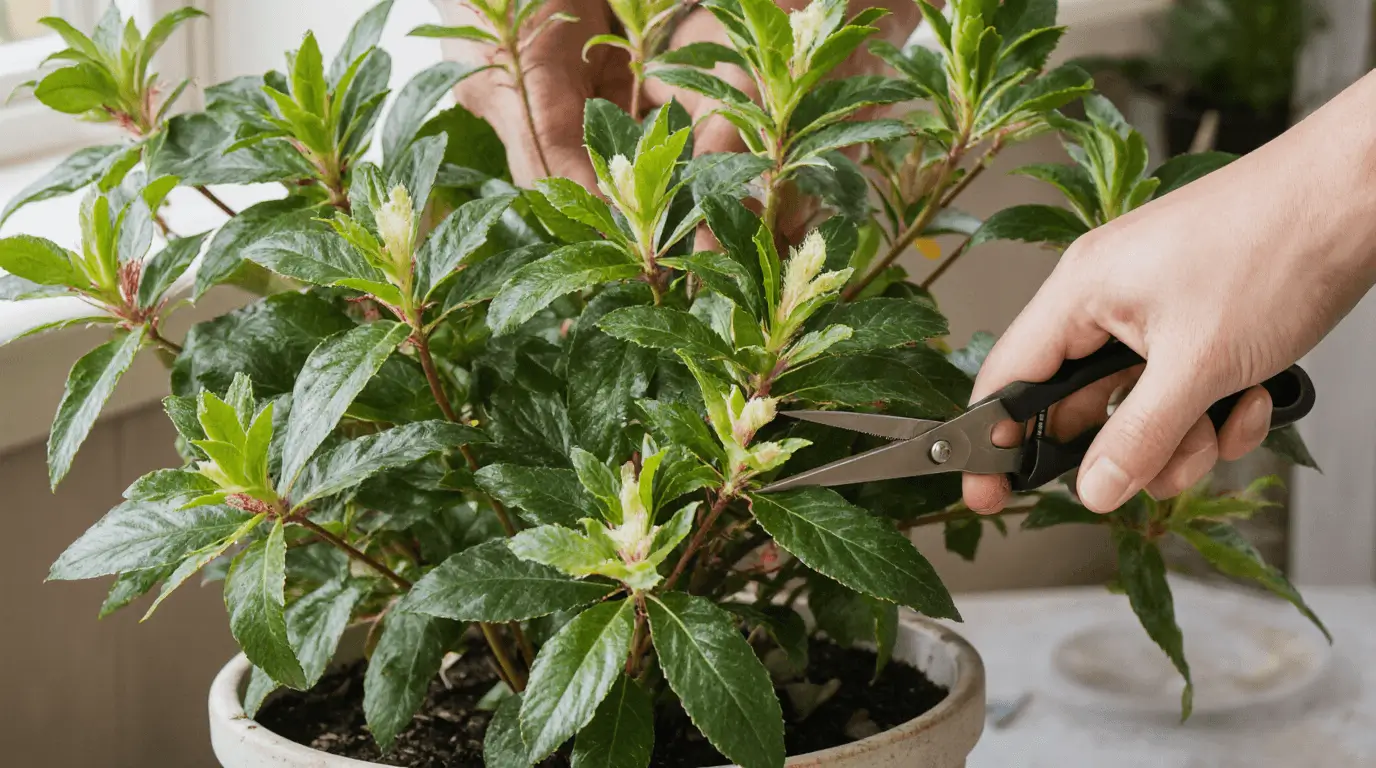
I like to Feed Sparingly during the growing season in spring and summer, giving a dose of balanced liquid fertilizer every every 4–6 weeks. As temperatures cool in fall and winter, I stop feeding and focus on shaping, using light cuts to prune for shape and trim leggy branches so the plant stays bushy and full.
Why Grow Nandina Indoors?
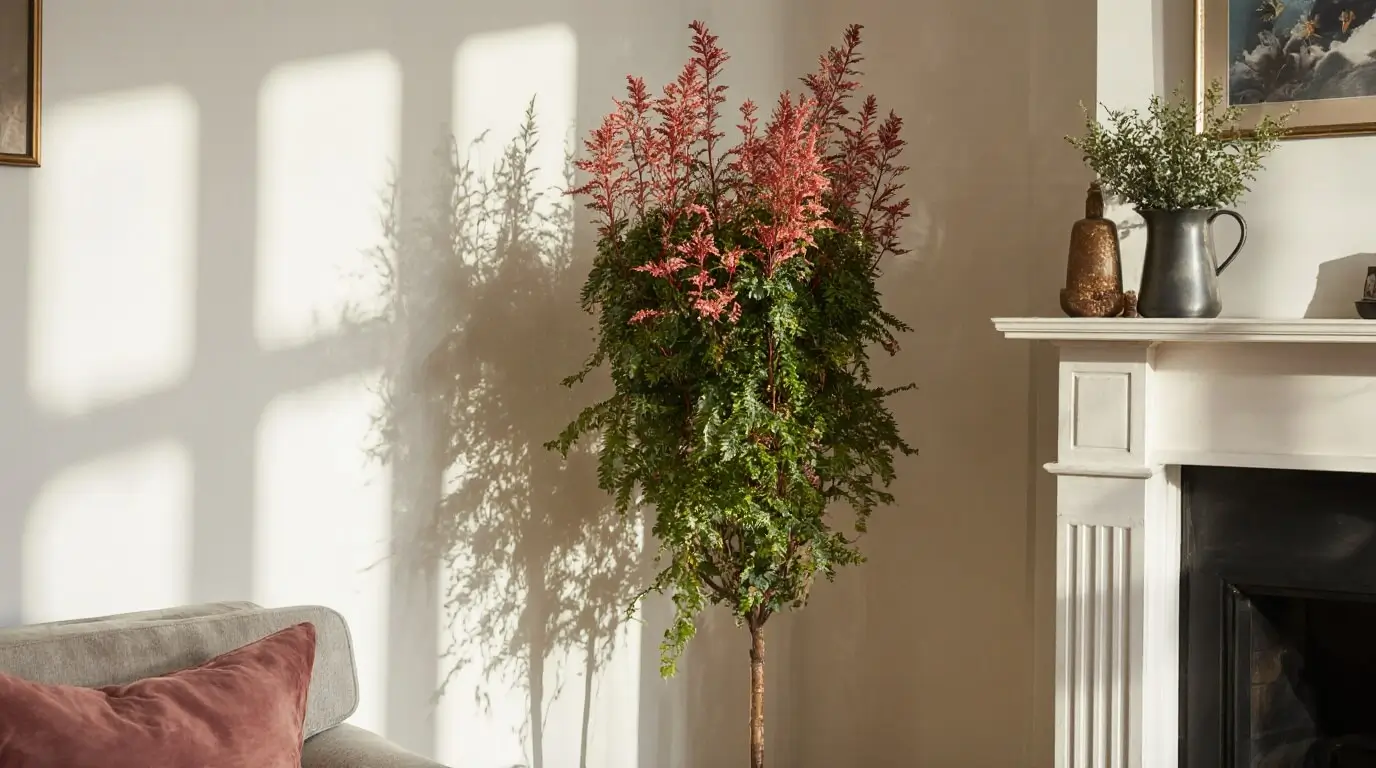
For me, one of the biggest joys of keeping Nandina inside is its Vibrant natural decor, especially the bright foliage that brings bold pops of color and even holiday vibes. I also appreciate its compact growth, especially with dwarf varieties like Nandina ‘Firepower’, which fit perfectly in smaller spaces. And as a bonus, its air purifying beauty works like other houseplants that purifies air, helping create a healthier home without any extra effort.
If you enjoy decorative indoor plants, exploring dumb cane plant benefits can help you choose other foliage plants that improve indoor aesthetics and air quality.
Conclusion
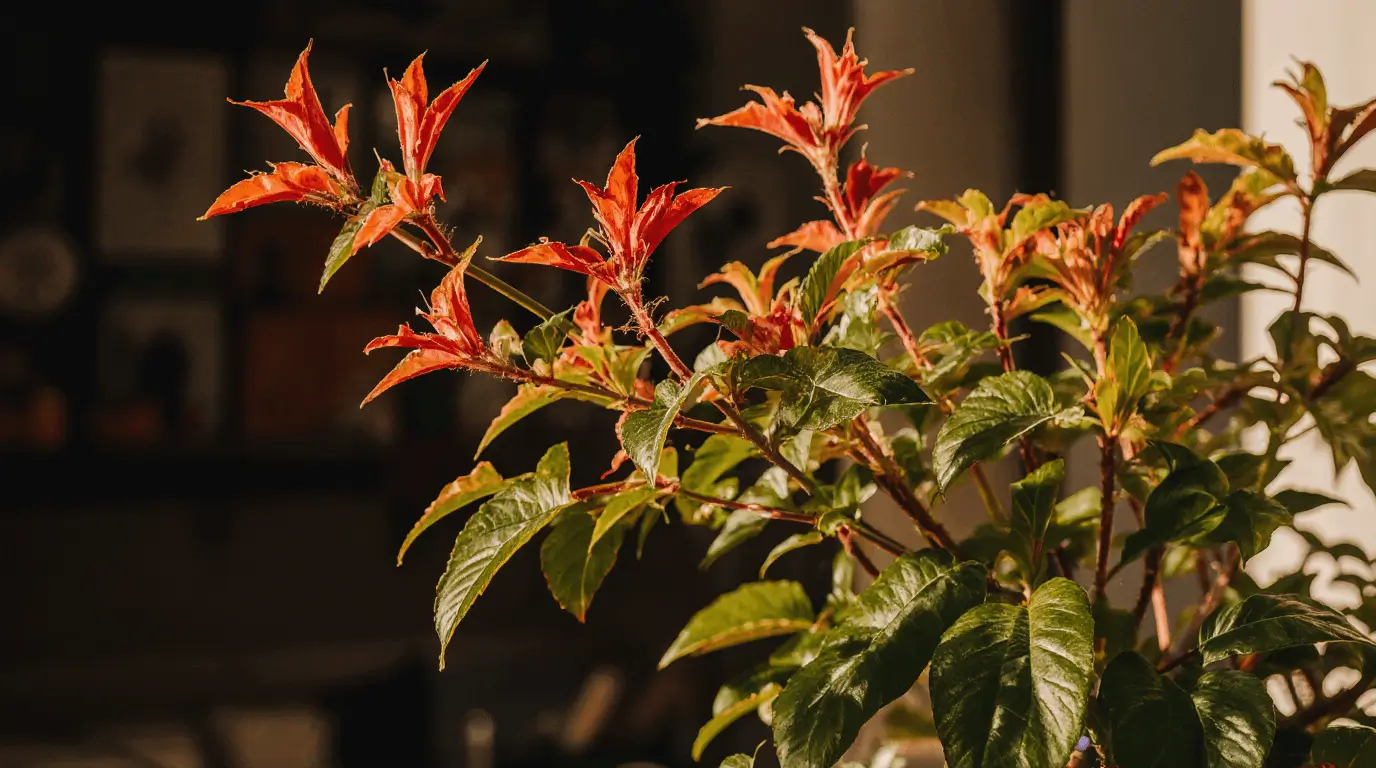
Caring for Nandina indoors becomes a simple and rewarding routine once you understand its needs for bright indirect sunlight, steady Perfect Temperatures, and a soil mix that offers optimal drainage. Over the years, I’ve learned that even small adjustments—like using a humidifier in a dry home or checking the top 1–2 inches dry soil before watering—make a big difference in keeping the plant lush, bushy, and full. Its Vibrant natural decor, bright foliage, and bold pops of color always bring life to any corner, making it one of my favorite plants to grow indoors.
FAQs
Does Nandina need a lot of sunlight indoors?
Nandina grows best with bright indirect sunlight placed near an east-facing window or south-facing window. It can tolerate low light, but the vibrant colors may fade without enough natural light or grow lights.
How often should I water my indoor Nandina?
Always water only when the top 1–2 inches dry soil feels dry. Since it’s drought-tolerant, it’s safer to underwater than overwater, as too much water can cause root rot and yellowing leaves.
What temperature is best for keeping Nandina healthy?
The ideal range is 60°F to 75°F or 15°C to 24°C, making it perfect for most home environments. It prefers moderate humidity, so consider a humidifier, water tray, or mist leaves occasionally.
What type of soil is best for Nandina indoors?
Use well-draining soil mixed with standard potting soil, perlite, and sand. A Pot with Drainage and drainage holes prevents waterlogged roots and wet feet.
How do I keep my Nandina looking full and compact?
During the growing season, Feed Sparingly with a balanced liquid fertilizer every every 4–6 weeks. In cooler months, stop feeding and regularly prune for shape or trim leggy branches to maintain a bushy, full look.
Are indoor Nandina plants good for small spaces?
Yes! The compact growth and dwarf varieties like Nandina 'Firepower' make it ideal for smaller spaces while adding a touch of air purifying beauty to your healthier home.

Written by the LeafyHeaven Editorial Team
LeafyHeaven shares practical gardening tips and simple plant care guides to help you grow, nurture, and enjoy your plants with ease. Our goal is to make gardening feel natural, approachable, and rewarding for everyone.