
Introduction to Orchid Diseases
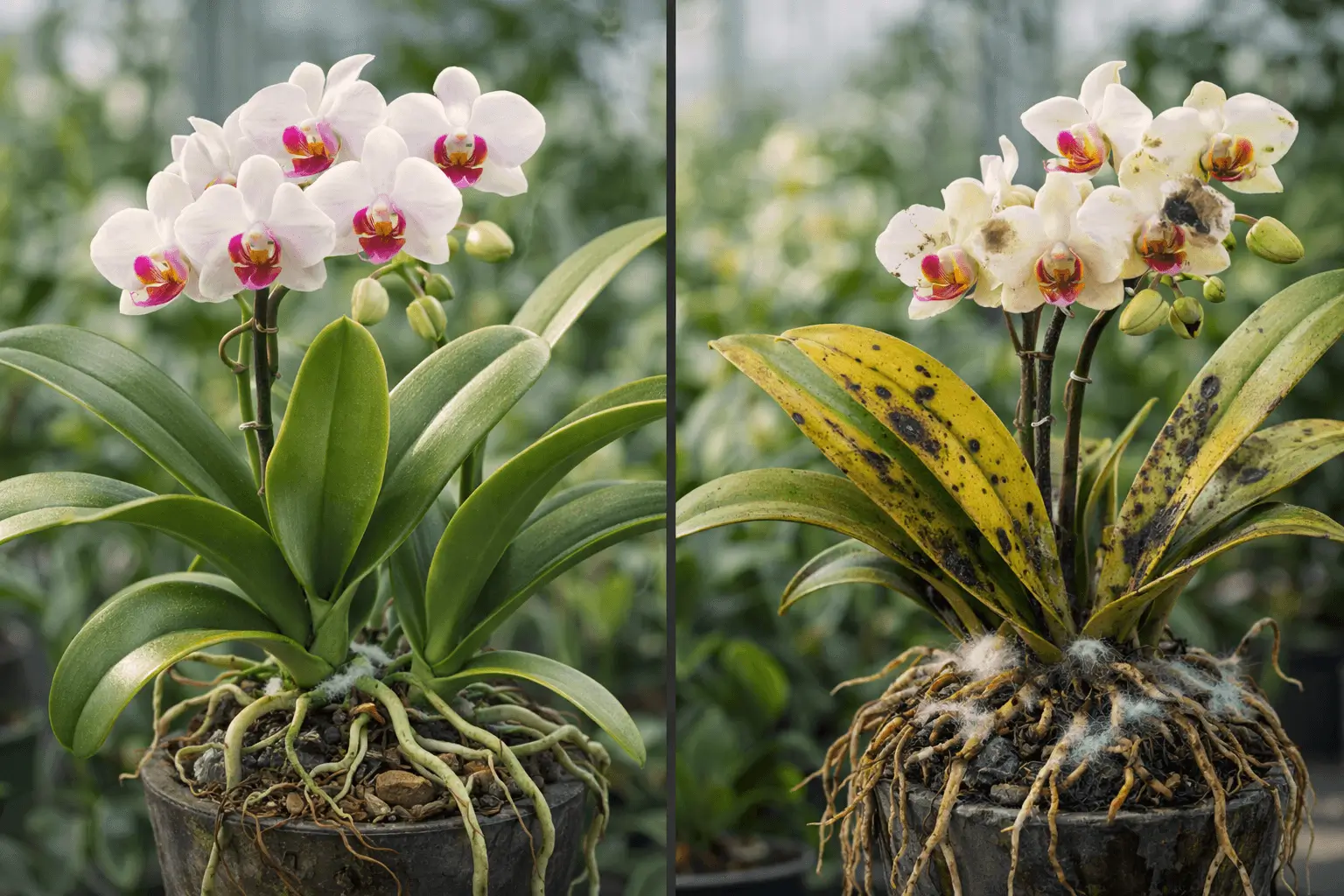
Orchid diseases are a major concern for both beginner and experienced growers because infections often develop silently before visible damage appears. Early diagnosis matters because timely action can prevent permanent root loss, leaf collapse, and plant death. Many growers confuse an orchid disease with pest damage, but the causes and treatments are very different. Diseases are usually triggered by fungi, bacteria, or viruses, while pests cause physical feeding damage. Visual identification plays a critical role in accurate diagnosis. Changes in leaf color, black or yellow spots, white fuzz, mushy roots, or crown rot are often the first warning signs. Carefully observing these symptoms—often with reference pictures—allows growers to respond quickly and apply the correct treatment strategy.
Common Orchid Diseases and Their Causes
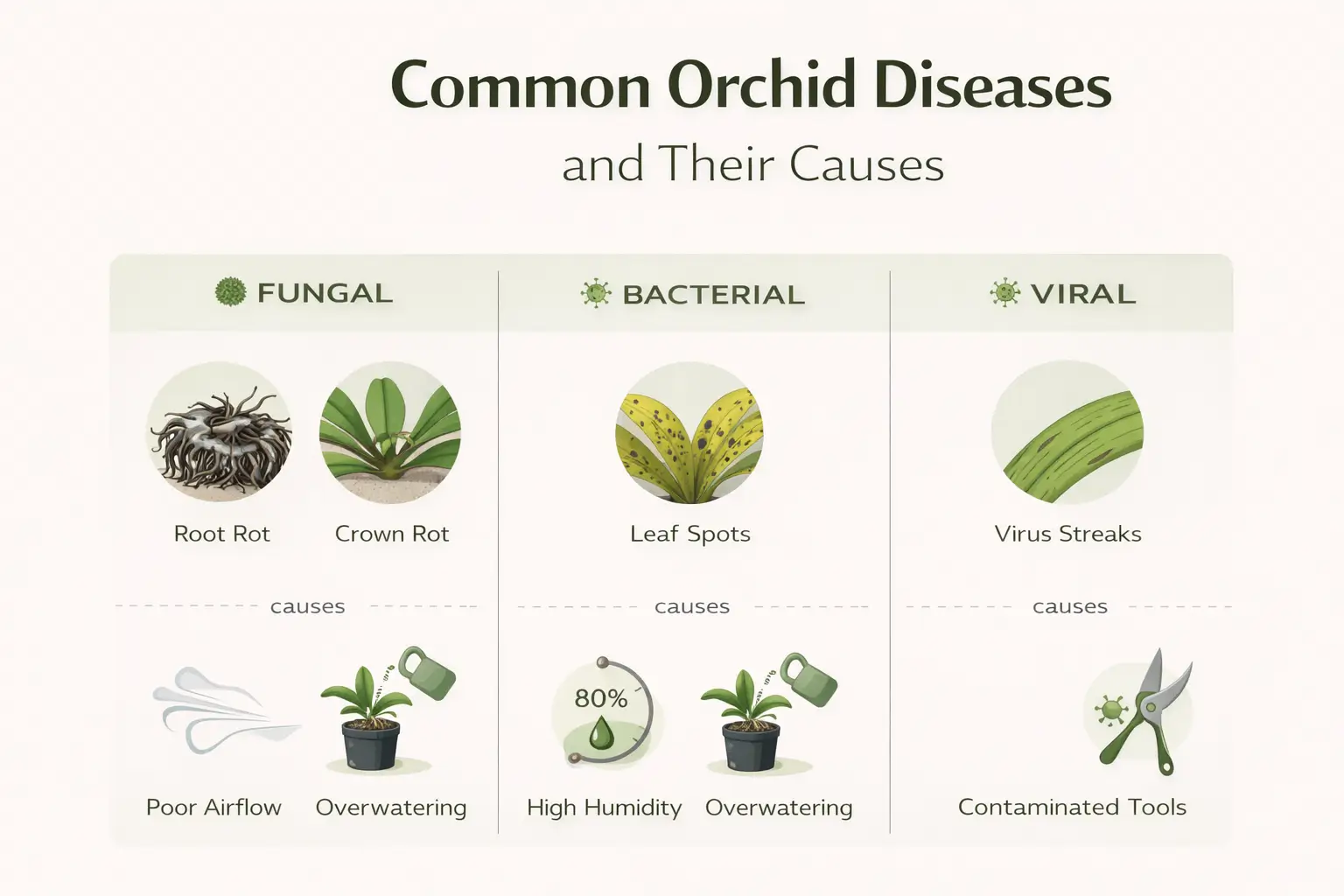
Orchid diseases typically develop when growing conditions favor pathogens rather than plant health. Poor airflow, excess moisture, contaminated tools, and stressed plants all increase infection risk.
-
Fungal Orchid Diseases
Fungal infections are among the most common diseases of orchids and usually begin in the roots or crown. Root rot and crown rot are often caused by overwatering and poorly draining potting media. High humidity combined with stagnant air creates an ideal environment for fungal spores to spread. An orchid disease caused by fungi usually progresses slowly, showing darkened roots, soft tissue, and gradual decline. These diseases of orchids are strongly linked to cultural issues rather than sudden exposure.
-
Bacterial Orchid Diseases
Bacterial orchid diseases spread rapidly, especially in warm and wet conditions. Soft rot and bacterial leaf spot are common examples, producing water-soaked lesions, foul odors, and fast tissue collapse. Unlike fungal infections, bacterial problems can destroy an orchid within days. Bacterial infections differ from fungal ones in speed and appearance, often requiring immediate isolation to prevent spread.
-
Viral Orchid Diseases
Viral orchid diseases are less common but more serious. Common orchid viruses cause streaking, mosaic patterns, and distorted growth. These infections are incurable, and affected plants usually decline over time. Prevention-focused care is essential, including sterilized tools and avoiding sap transfer between plants.
Orchid Leaf Diseases – Visual Symptoms & Identification
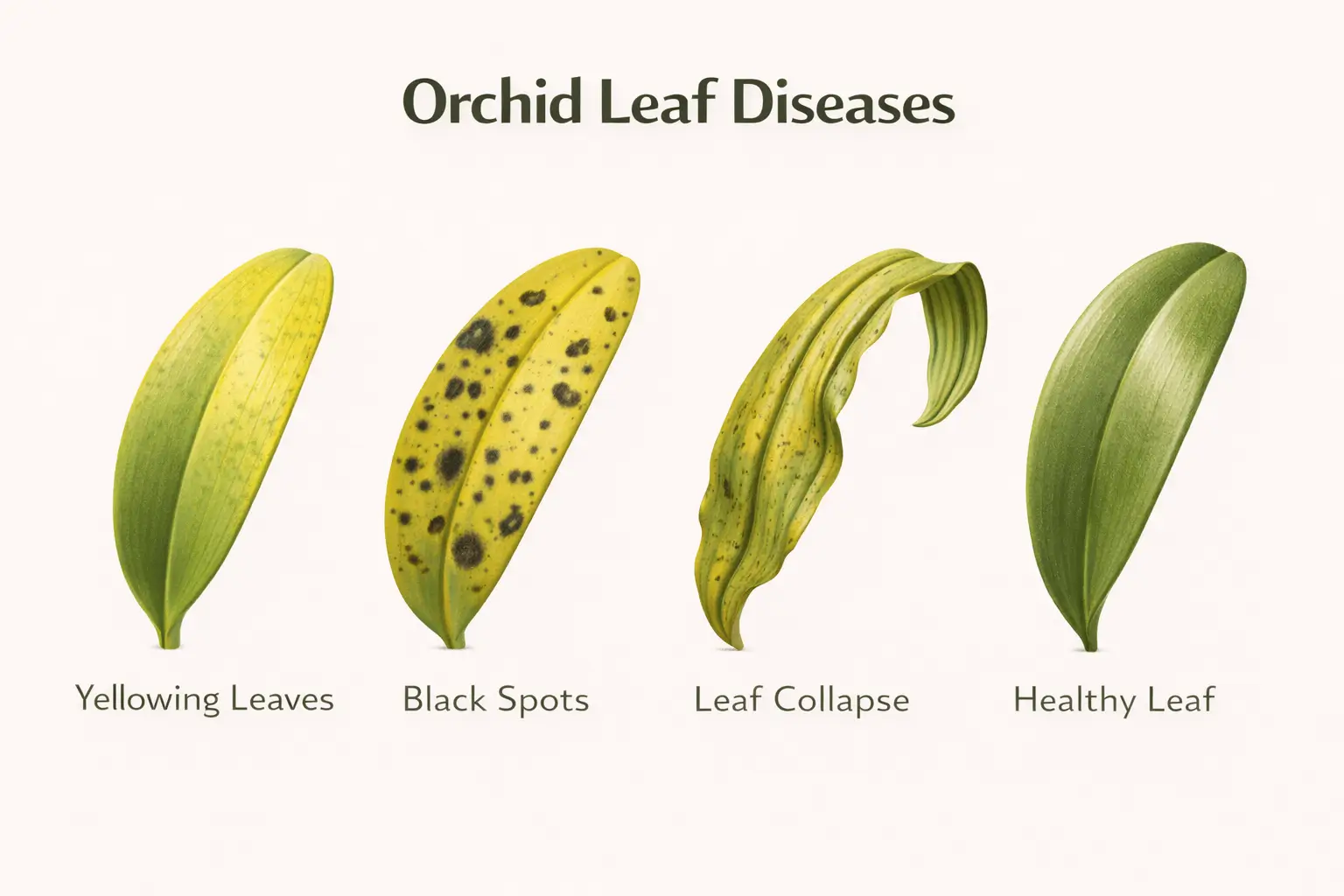
Leaf symptoms are often the clearest indicators of internal orchid health problems, making visual diagnosis essential.
Yellowing, Black Spots, and Leaf Collapse
Leaf color changes can indicate nutrient stress, infection, or root failure. Yellowing may signal early disease, while black spots often suggest fungal or bacterial involvement. When leaves collapse or become mushy, internal rot is usually present. Orchid leaf diseases pictures help distinguish surface damage from deeper orchid leaves disease linked to roots or crowns.
Orchid Diseases White Fuzz
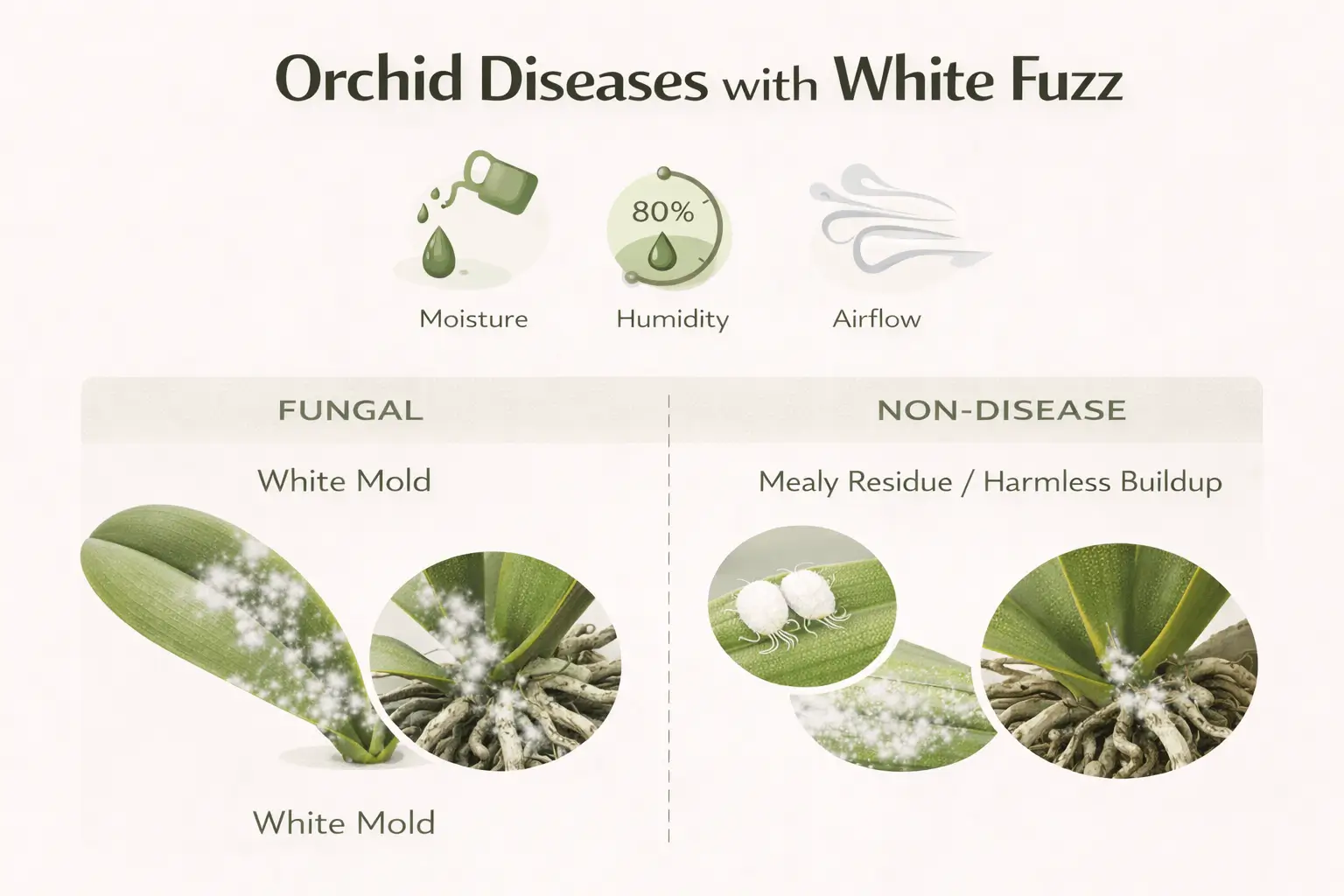
White fuzz on orchids can be misleading. It may be white mold from fungal growth or residue left by pests. True fungal fuzz appears cottony and spreads across damp surfaces. Conditions that encourage white fuzz include poor airflow, constant moisture, and decaying organic matter in the potting mix.
Phalaenopsis Orchid Diseases (With Symptoms & Treatment)
Phalaenopsis orchids are especially vulnerable to moisture-related diseases due to their growth structure.
Phalaenopsis Orchid Disease Symptoms
Early phalaenopsis orchid diseases show as yellowing leaves, weak roots, or minor spotting. Advanced stages include crown rot, leaf drop, and blackened tissue. Root damage often appears before visible leaf symptoms, making regular inspection critical.
Phalaenopsis Orchid Diseases With Pictures and Treatment
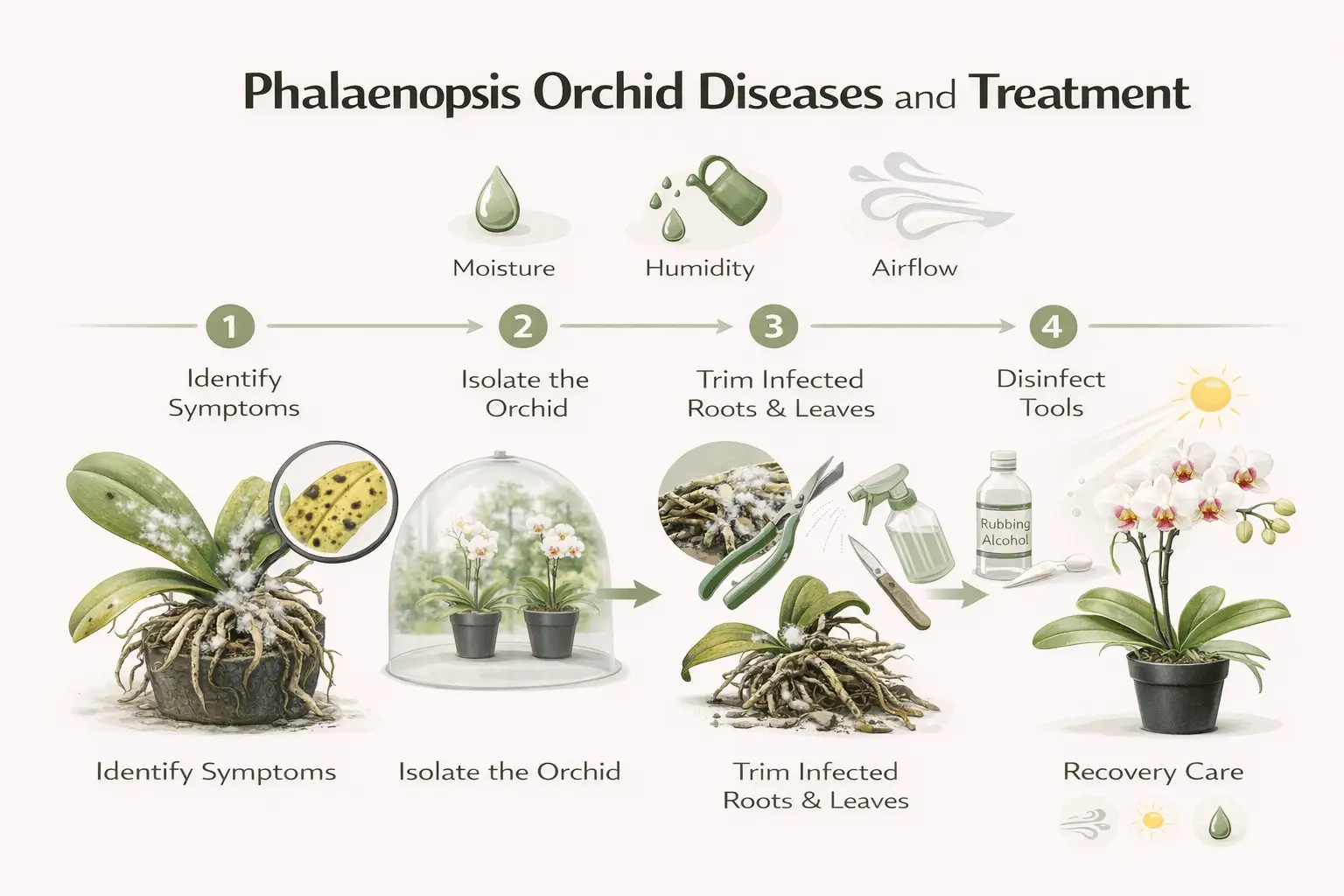
Effective management of phalaenopsis orchid diseases with pictures and treatment involves a clear process:
- Isolate the infected plant immediately
- Trim all affected roots and leaves with sterilized tools
- Allow cuts to dry before repotting
- Improve airflow and adjust watering frequency
Recovery depends on early action and stable growing conditions.
Cymbidium Orchid Diseases
Cymbidium orchids face different disease pressures due to their seasonal growth cycles.
Common Diseases Affecting Cymbidium Orchids
Cymbidium orchid diseases commonly include leaf streaks and pseudobulb rot. These problems often worsen during cooler, damp seasons when moisture lingers on foliage. Overcrowding also increases disease spread.
Prevention and Care Tips for Cymbidiums
- Water early in the day to allow drying
- Space plants to improve airflow
- Maintain strict hygiene and tool sanitation
Orchid Pests and Diseases – Understanding the Difference
Correct diagnosis requires understanding how orchid pests and diseases differ in cause and appearance.
Common Orchid Pests
Aphids, mites, and scale insects are common orchid pests. Their feeding damage can resemble disease symptoms, such as spotting or leaf distortion. However, pests usually leave visible insects or residue behind.
Combined Pest & Disease Management
An integrated approach works best:
- Monitor plants weekly
- Treat pests promptly to reduce disease entry points
- Maintain consistent growing conditions
Orchid Diseases and How to Treat Them
Knowing orchid diseases and how to treat them allows growers to act confidently and reduce losses.
General Treatment Steps for Orchid Diseases
- Isolate infected plants
- Sanitize tools and surfaces
- Prune infected areas
- Use fungicides or bactericides only when necessary
Preventing Orchid Diseases Long-Term
- Water only when media is nearly dry
- Maintain balanced light and air circulation
- Replace potting media regularly to prevent breakdown
Conclusion – Keeping Orchids Healthy and Disease-Free
Orchid diseases generally fall into fungal, bacterial, or viral categories, each requiring a different response. Early action remains the most important factor in successful recovery. Regular inspection, proper watering, and clean growing practices significantly reduce disease risk. With consistent care and attention, most orchid health problems can be prevented before serious damage occurs.
Read Also: 7+ Stunning Small Trees Australia Homes Love for Modern Gardens
FAQs
What are the most common orchid diseases?
Fungal root rot, bacterial soft rot, and viral infections are the most common orchid diseases seen in cultivation.
How can I identify orchid diseases from leaf symptoms?
Leaf color changes, spots, fuzz, and collapse often indicate underlying disease linked to roots or crowns.
Are orchid diseases contagious to other plants?
Yes, bacterial and viral diseases can spread through tools, water splash, or direct contact.
Can orchids recover after severe disease damage?
Recovery is possible if healthy tissue remains and treatment begins early, but viral infections are permanent.
How do I prevent orchid diseases from returning?
Proper watering, good airflow, clean tools, and fresh potting media are the most effective preventive measures.

Written by the LeafyHeaven Editorial Team
LeafyHeaven shares practical gardening tips and simple plant care guides to help you grow, nurture, and enjoy your plants with ease. Our goal is to make gardening feel natural, approachable, and rewarding for everyone.