
Introduction
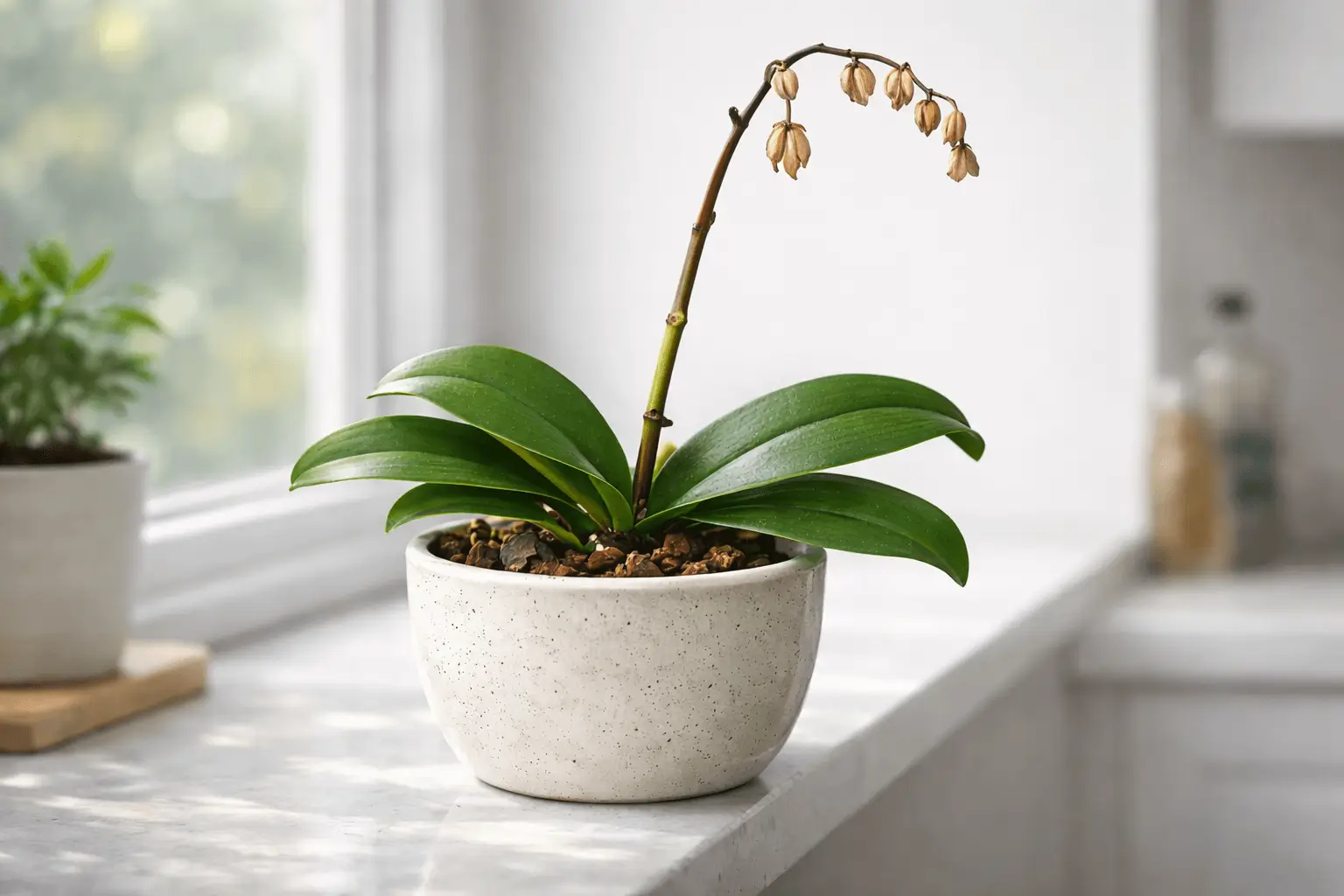
Orchid stem turning brown is a common concern for growers, especially when the rest of the plant still appears healthy. Stem color changes are important because they often reflect what is happening inside the plant, from normal growth cycles to serious health problems. In some cases, browning is a natural part of the orchid’s life after flowering, while in others it can signal stress, infection, or improper care. Understanding the difference between natural aging and disease-related browning helps prevent unnecessary pruning and allows timely intervention when needed. By learning how to read stem color, texture, and progression, orchid owners can make confident care decisions and support long-term plant health.
What Does It Mean When an Orchid Stem Is Turning Brown?
Natural Orchid Life Cycle Explained
Old flower spikes commonly turn brown once blooming has finished. This is a normal process where the plant redirects energy away from spent spikes and back into roots and leaves. Seasonal dormancy can also cause stems to dry and brown without harming the orchid. Permanent stem death, however, occurs when the tissue fully dries out or collapses and will not produce new growth from that stem.
Early Warning Signs vs Normal Changes
Visual inspection is the first step in understanding orchid stem turning brown. Healthy aging stems usually brown evenly and dry out slowly. Problematic stems often show patchy discoloration, soft spots, or darkened areas. Texture matters: firm and dry suggests natural aging, while mushy or slimy texture points to disease. Color intensity also helps—light brown is often harmless, while dark brown or black may indicate infection.
Common Reasons Behind Orchid Stem Turning Brown
Orchid Stem Turning Brown and Flowers Falling Off
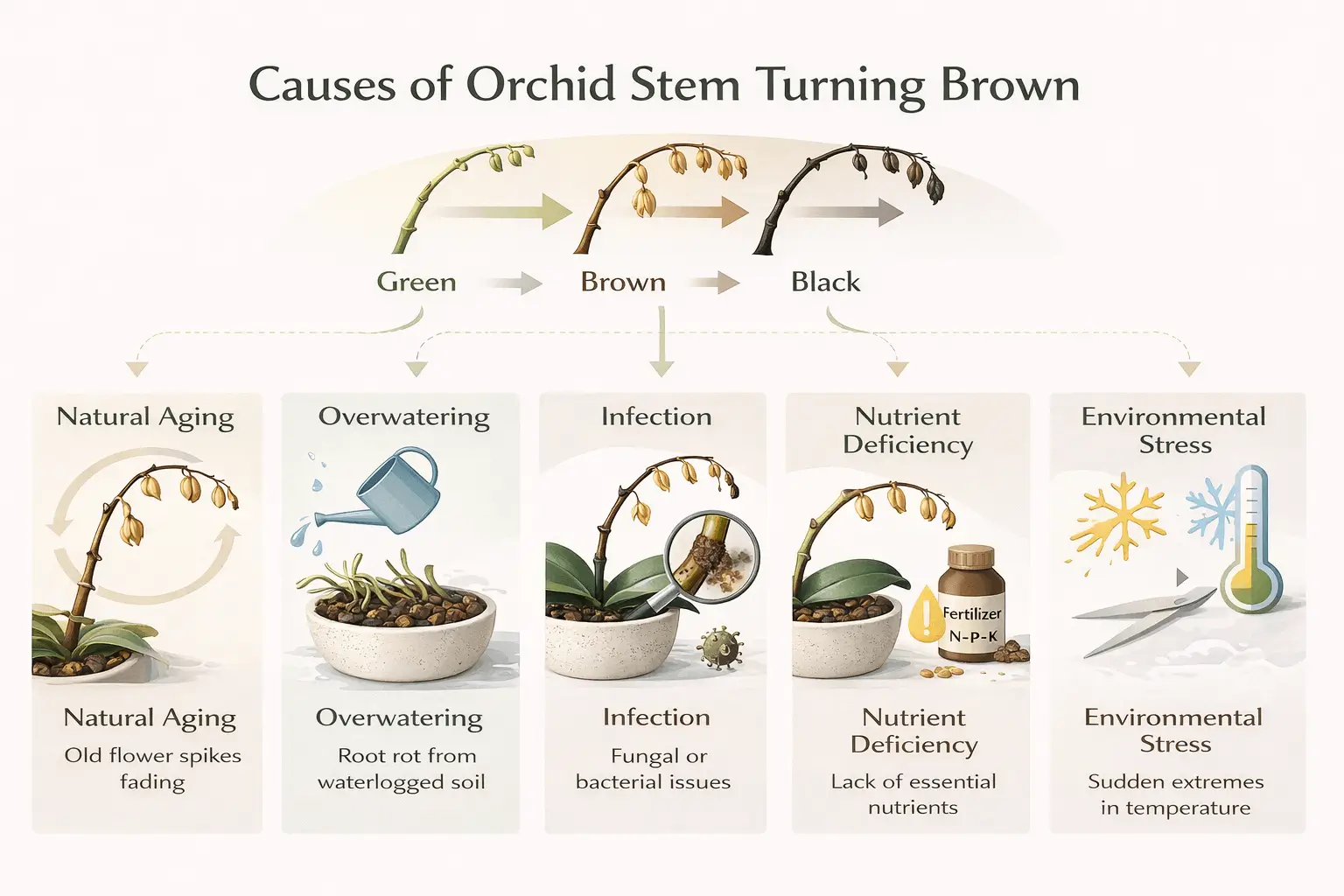
Flower drop often happens when orchids experience stress. Sudden changes in temperature, light intensity, or humidity can shock the plant. Relocation, such as moving the orchid to a new room or environment, may also cause flowers to fall and stems to brown as the plant adjusts.
Orchid Stem Turning Brown but Leaves Green
When leaves remain green and firm, roots are usually still functional. This situation often means only the flower spike has died, not the entire plant. Spike death is common after blooming and does not indicate plant failure. Plant death involves declining leaves, weak roots, and overall loss of vigor.
Orchid Stem Turning Black
Blackened stems are more serious and often linked to fungal or bacterial infections. Overwatering creates constantly wet conditions that promote pathogens. Poor airflow further worsens the issue by keeping moisture trapped around the stem.
Orchid Stem Turned Yellow Before Turning Brown
Yellowing before browning often signals nutrient imbalance or aging. Low nitrogen can cause early yellowing, while excessive direct light may accelerate color changes. As the stem ages, yellow tissue dries and eventually turns brown.
How to Identify a Dead vs Recoverable Orchid Stem
Scratch Test & Color Gradient Method
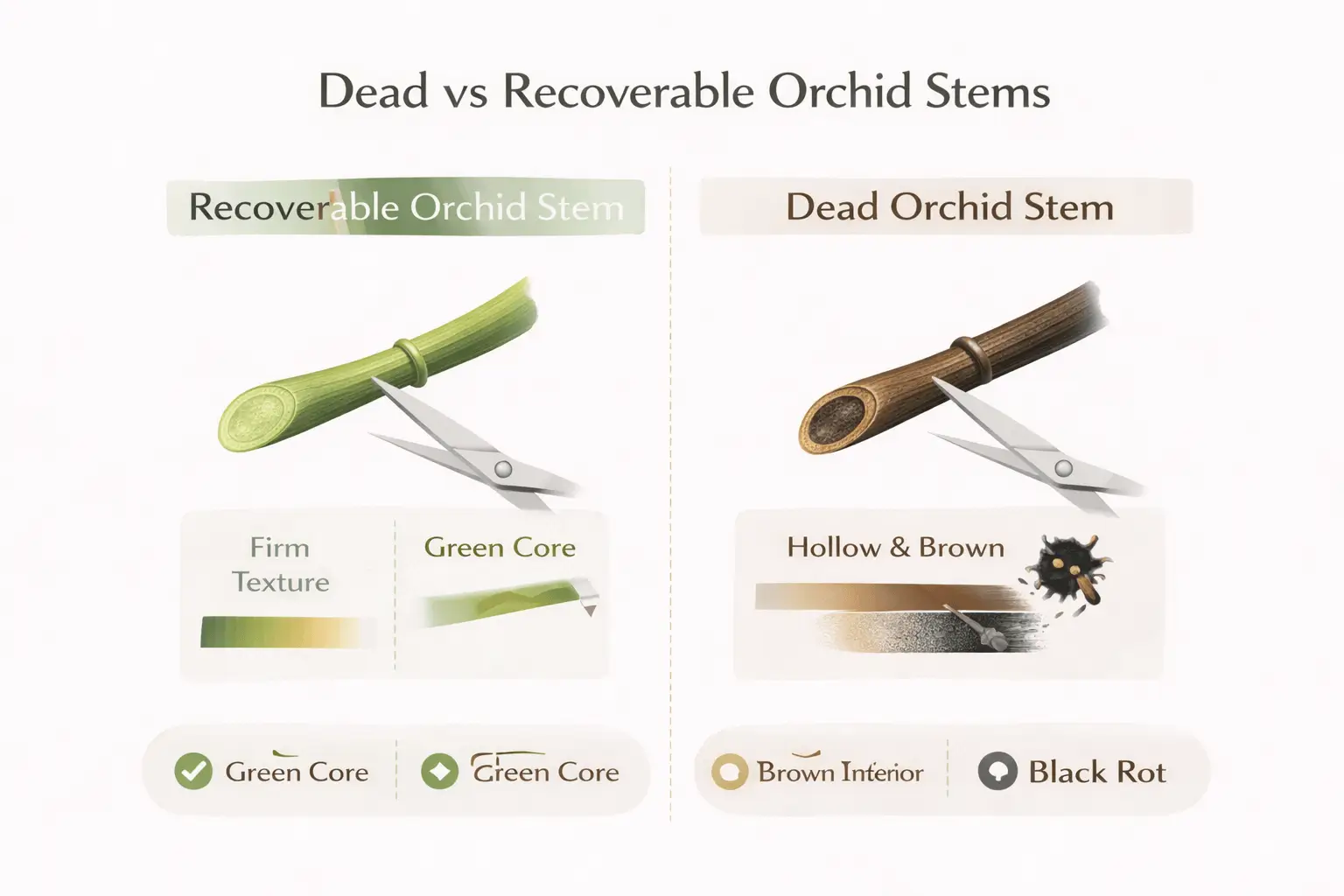
The scratch test helps determine stem vitality. Gently scrape a small section of the stem surface with a clean tool. A green core indicates living tissue, while a hollow or brown interior suggests death. Color gradients also help—green at the base with browning above may still allow partial recovery.
When Browning Is Spreading Upward
Upward-spreading browning can indicate infection. Warning signs include rapid color change, soft tissue, and foul odor. Immediate actions include isolating the plant, stopping watering temporarily, improving airflow, and preparing for pruning if necessary.
Where to Cut Brown Orchid Stem (Correct Pruning Method)
Tools You Need Before Cutting
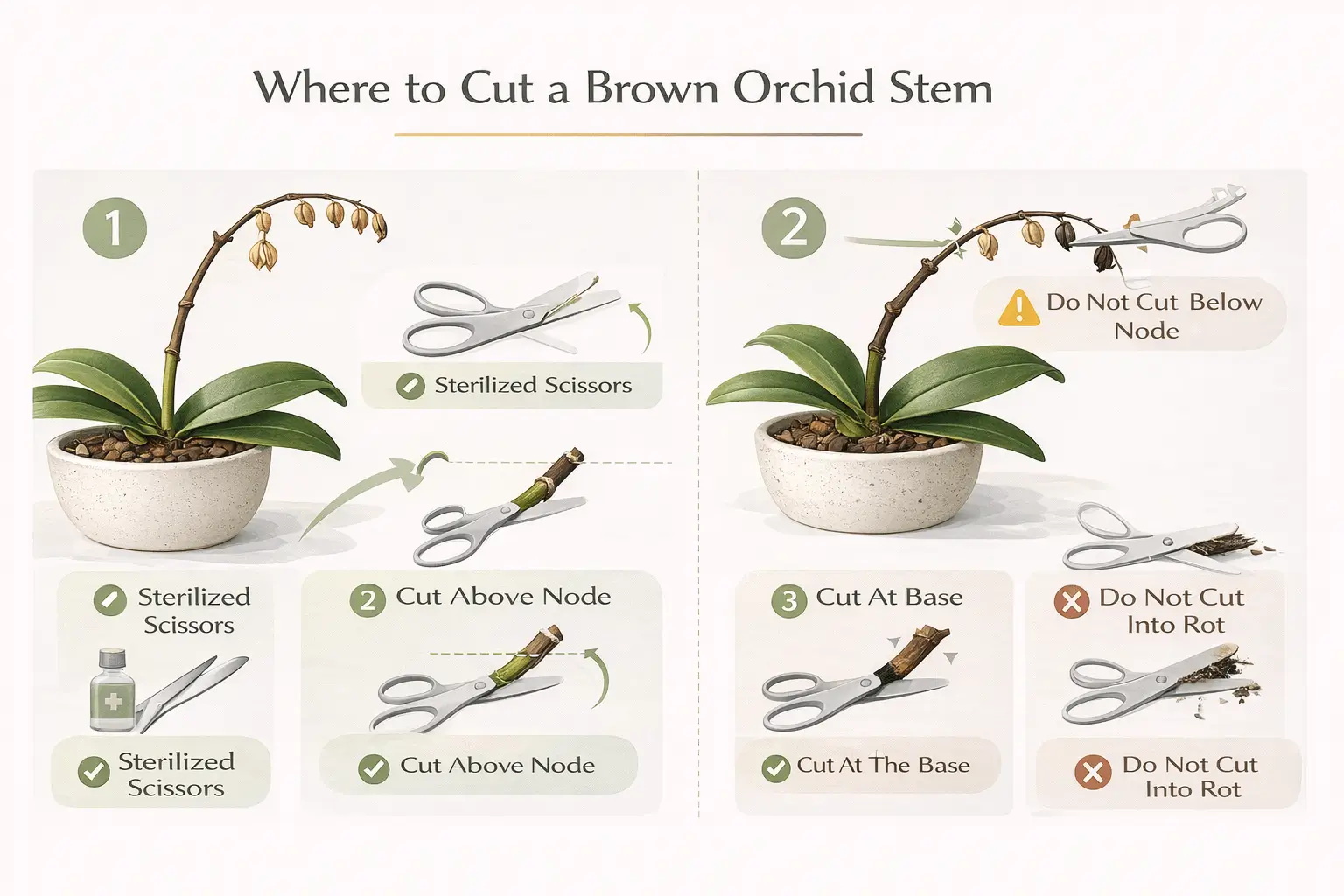
- Sterilized scissors or pruning shears
- Rubbing alcohol or flame for disinfection
- Clean paper towels
Disinfect tools before and after cutting to prevent disease transfer.
Step-by-Step Cutting Guide
- If the stem is fully brown, cut it at the base near the plant.
- If partially brown, cut just above a healthy node.
- Avoid crushing tissue; make a clean, angled cut.
After-Cut Care Tips
Allow the cut to dry naturally; sealing agents are usually unnecessary. Reduce watering for a short period to avoid rot and monitor the plant for new growth signs.
Can You Save an Orchid with a Brown Stem?
Situations Where Recovery Is Possible
Recovery is possible when roots are firm and green and leaves remain healthy. New spike growth may appear from the base or nodes, indicating the plant is still active.
When the Stem Cannot Be Saved
A fully black, mushy stem cannot recover. Crown rot signs include soft tissue at the plant center and leaf collapse. In these cases, saving the stem is not possible, and focus should shift to preventing spread.
How to Regrow an Orchid Stem Successfully
Encouraging New Flower Spike Growth
Balanced light, stable humidity, and moderate temperatures support new spike formation. A rest period after flowering allows the orchid to rebuild energy reserves.
Feeding & Care Routine for Regrowth
Use a diluted, balanced fertilizer on a regular schedule. Avoid overwatering, as excess moisture slows recovery and increases disease risk.
Prevention Tips to Stop Orchid Stem Turning Brown Again
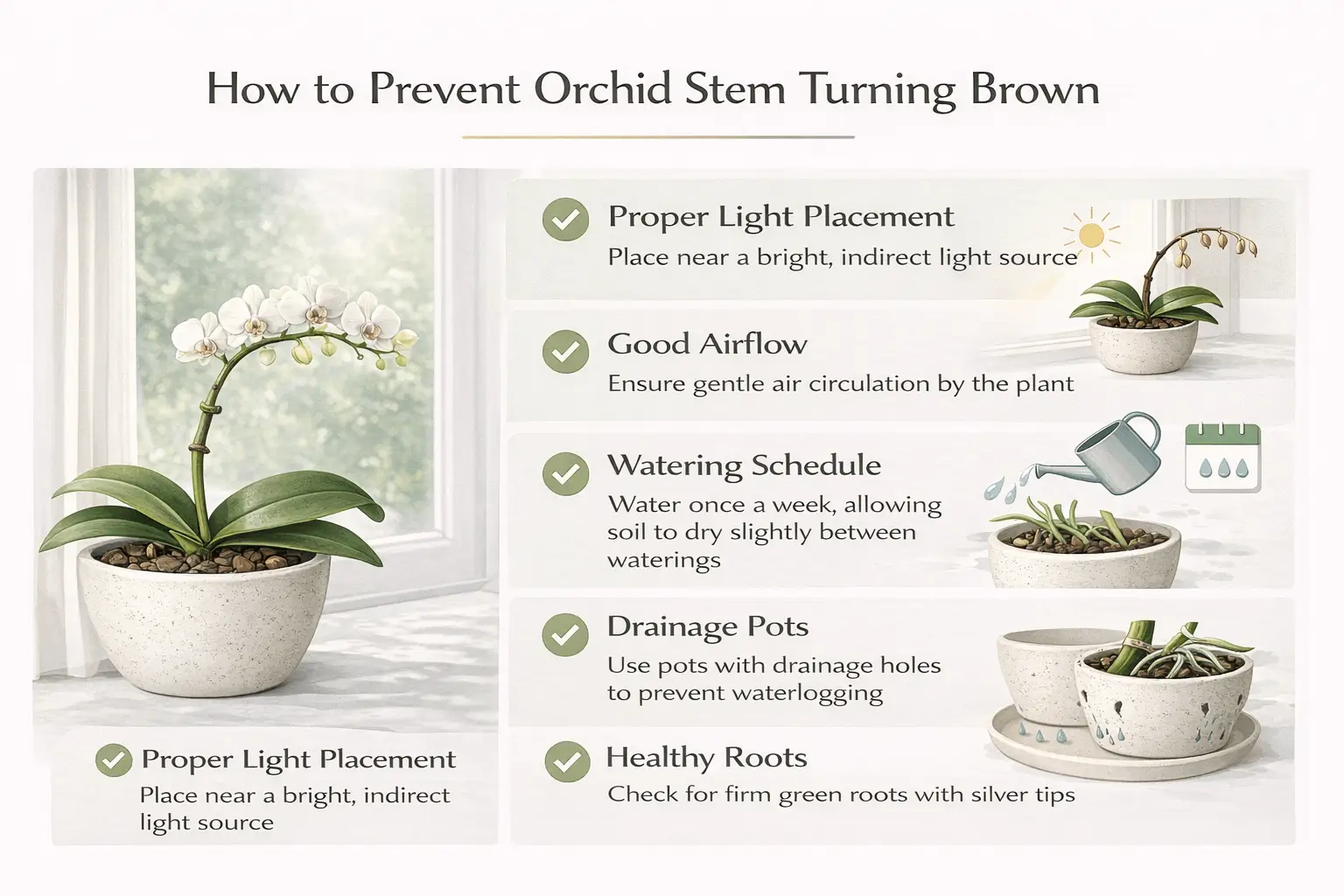
Ideal Growing Conditions
Place orchids in bright, indirect light and ensure consistent airflow. Avoid placing them near heating or cooling vents.
Watering & Potting Best Practices
- Use pots with proper drainage
- Allow roots to dry slightly between watering
- Inspect roots regularly for firmness and color
Conclusion & Care Takeaway
Orchid stem turning brown can result from several causes, ranging from completely natural aging after flowering to stress, poor care conditions, or serious infections. Dry, evenly browned flower spikes often signal the end of a normal blooming cycle, while dark, soft, or spreading discoloration points to problems that require action. Knowing when to act versus when to wait is key: allow naturally aging stems to dry out on their own, but intervene quickly if browning spreads, turns black, or affects the plant’s base. With proper light, careful watering, clean pruning practices, and routine observation, orchid owners can manage stem issues confidently and support healthy future growth.
Read Also: 8+ Shocking Reasons Your Orchid Stem Turning Yellow
FAQs
Why is my orchid stem turning brown but leaves are still green?
This usually indicates that only the flower spike has finished its life cycle. The plant itself is still healthy, and green leaves suggest the roots are functioning properly.
Should I cut an orchid stem that has turned brown?
Yes, if the stem is completely brown and dry, cutting it helps the orchid redirect energy toward roots and new growth. Partially brown stems should be trimmed only above healthy tissue.
Can an orchid regrow a stem after it turns brown?
Yes. As long as the roots and leaves remain healthy, orchids can produce new flower spikes from the base or remaining nodes.
Is a black orchid stem always a sign of disease?
In most cases, yes. Black stems often indicate fungal or bacterial infection, especially if the tissue is soft or wet. Immediate action is recommended.
How long does it take for a new orchid stem to grow?
New stems typically appear within a few months, depending on light, temperature, rest period, and overall care conditions.

Written by the LeafyHeaven Editorial Team
LeafyHeaven shares practical gardening tips and simple plant care guides to help you grow, nurture, and enjoy your plants with ease. Our goal is to make gardening feel natural, approachable, and rewarding for everyone.


[…] Read Also: Orchid Stem Turning Brown? 7+ Causes & Easy Fixes That Work […]