
Introduction
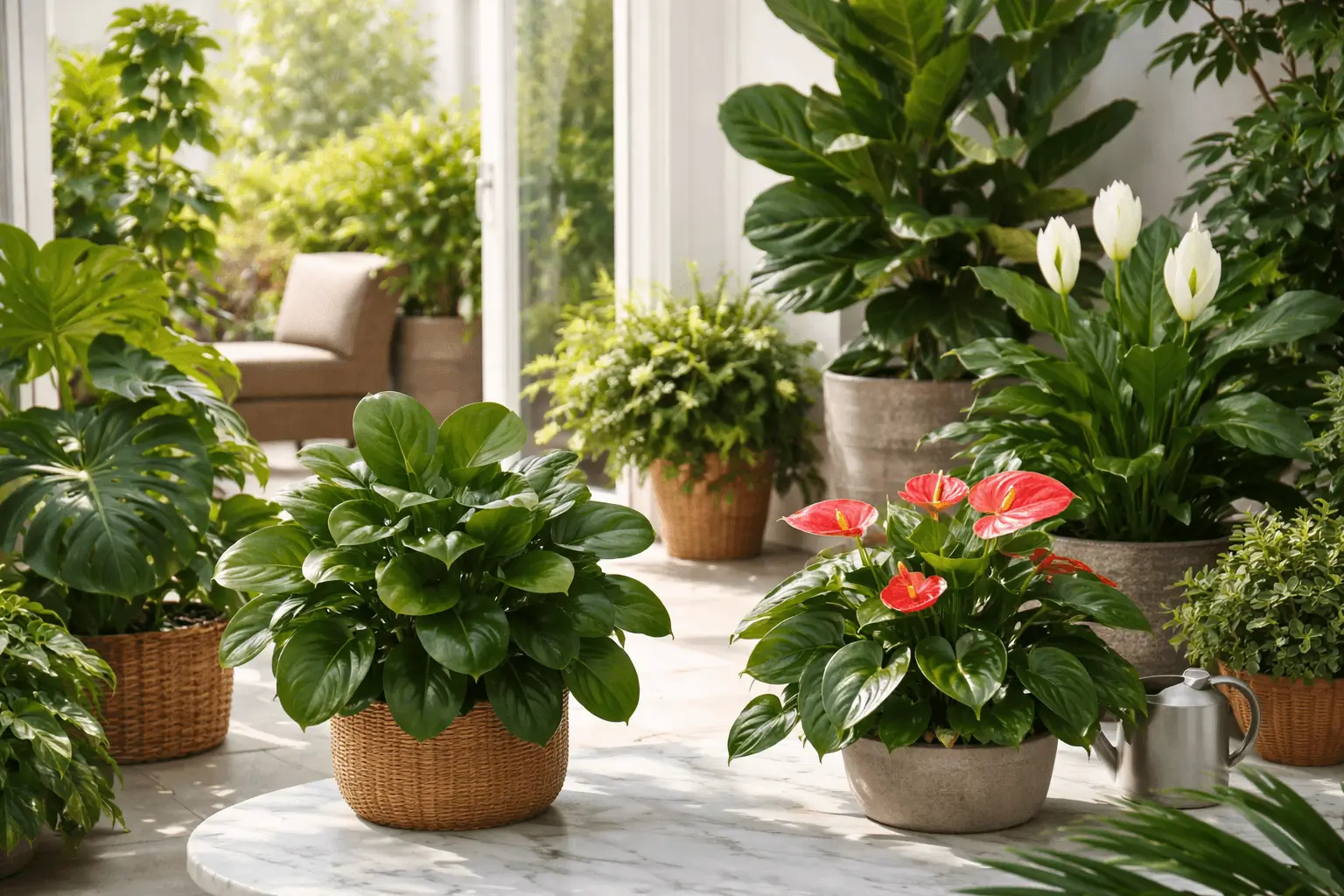
Plants with waxy leaves are easily recognized by their smooth, glossy surfaces that instantly make them stand out in both indoor and outdoor spaces. This natural shine is not just for appearance—it comes from a thin waxy coating on the leaf surface that serves important protective functions. The glossy look makes these plants visually appealing, giving them a clean, healthy, and decorative presence in homes and gardens. More importantly, the waxy layer helps reduce moisture loss by slowing down evaporation, allowing the plant to retain water for longer periods. This adaptation keeps plants hydrated, resilient, and better able to stay healthy, especially in indoor environments or regions with dry air and inconsistent watering conditions.
What Are Plants With Waxy Leaves?
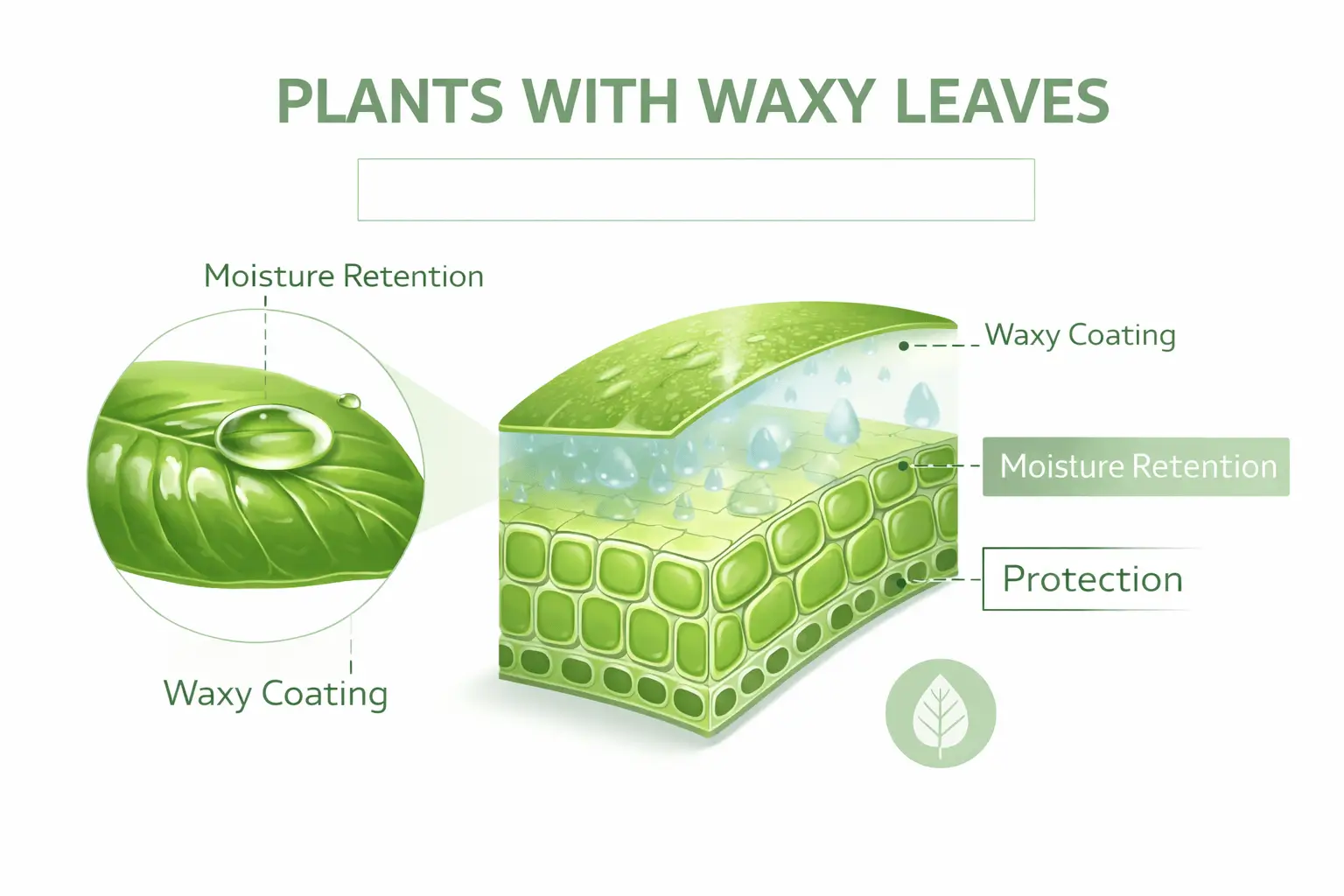
Plants with waxy leaves are plants whose foliage is covered with a thin, smooth, protective layer that gives the leaves a shiny or slightly glossy appearance. These leaves feel firm and slick to the touch because of a natural wax-like substance present on their surface. This feature is common in many indoor plants, garden plants, and shrubs that are adapted to conserve water and survive in challenging conditions.
The waxy coating on leaves acts as a protective barrier between the plant and its environment. This coating, often referred to as the waxy covering of the leaf, forms a seal over the leaf surface, helping regulate how much moisture escapes. By limiting direct exposure of leaf tissues to air, the plant can better control water loss while still allowing essential gas exchange for photosynthesis.
The primary purpose of this waxy covering is protection. It helps shield waxy leaves from excessive water loss, harsh sunlight, temperature fluctuations, and external stress. In addition, the coating reduces direct contact with dust, pollutants, and pathogens, keeping the leaves cleaner and healthier for longer periods.
Because of this protective layer, plants with waxy leaves lose moisture more slowly than plants with thin or soft foliage. This makes them more drought-tolerant, easier to maintain, and better suited for indoor conditions where humidity levels may be low.
Waxy Coating on Leaves Explained
The waxy coating on leaves is a natural cuticle layer produced by the plant. This cuticle is made of waxes and fatty compounds that form a transparent, water-resistant shield over the leaf surface.
This natural layer plays a crucial role in moisture retention by slowing evaporation from the leaf tissues. By holding moisture inside, the waxy covering of the leaf helps the plant stay hydrated during dry periods and reduces stress caused by heat or low humidity. As a result, waxy leaves contribute directly to plant survival, strength, and long-term health in both indoor and outdoor environments.
Why Do Some Plants Have Waxy Leaves?

Plants develop waxy leaves as a natural adaptation to protect themselves from moisture loss and environmental stress. This feature allows them to survive in conditions where water may not always be readily available or where air humidity is low, such as indoors or in dry climates.
Moisture Retention and Water Protection
Waxy plant leaves are specially designed to slow down the rate of water evaporation from the leaf surface. The smooth, sealed coating acts as a barrier that prevents moisture from escaping too quickly, allowing the plant to stay hydrated for longer periods between waterings. This is especially beneficial for plants grown in pots, where soil moisture can fluctuate more rapidly.
Because plant waxy leaves hold moisture efficiently, these plants are well suited for dry climates and indoor environments with air conditioning or heating systems. The reduced water loss helps maintain internal plant balance, keeping leaves firm, healthy, and less prone to wilting even when watering is occasional or humidity levels are low.
Protection From Pests and Environmental Stress
The smooth surface of waxy leaves makes it difficult for insects to attach, feed, or lay eggs. Many pests prefer textured or soft leaf surfaces, so the slick coating naturally discourages infestations without chemical intervention.
In addition to pest resistance, waxy leaves offer protection from environmental stress. The coating helps repel dust and airborne particles, reducing buildup that can block light and airflow. It also limits the spread of fungal spores and bacteria by minimizing surface moisture. Together, these protective qualities help prevent dehydration, reduce disease risk, and support overall plant resilience.
Popular Types of Plants With Waxy Leaves
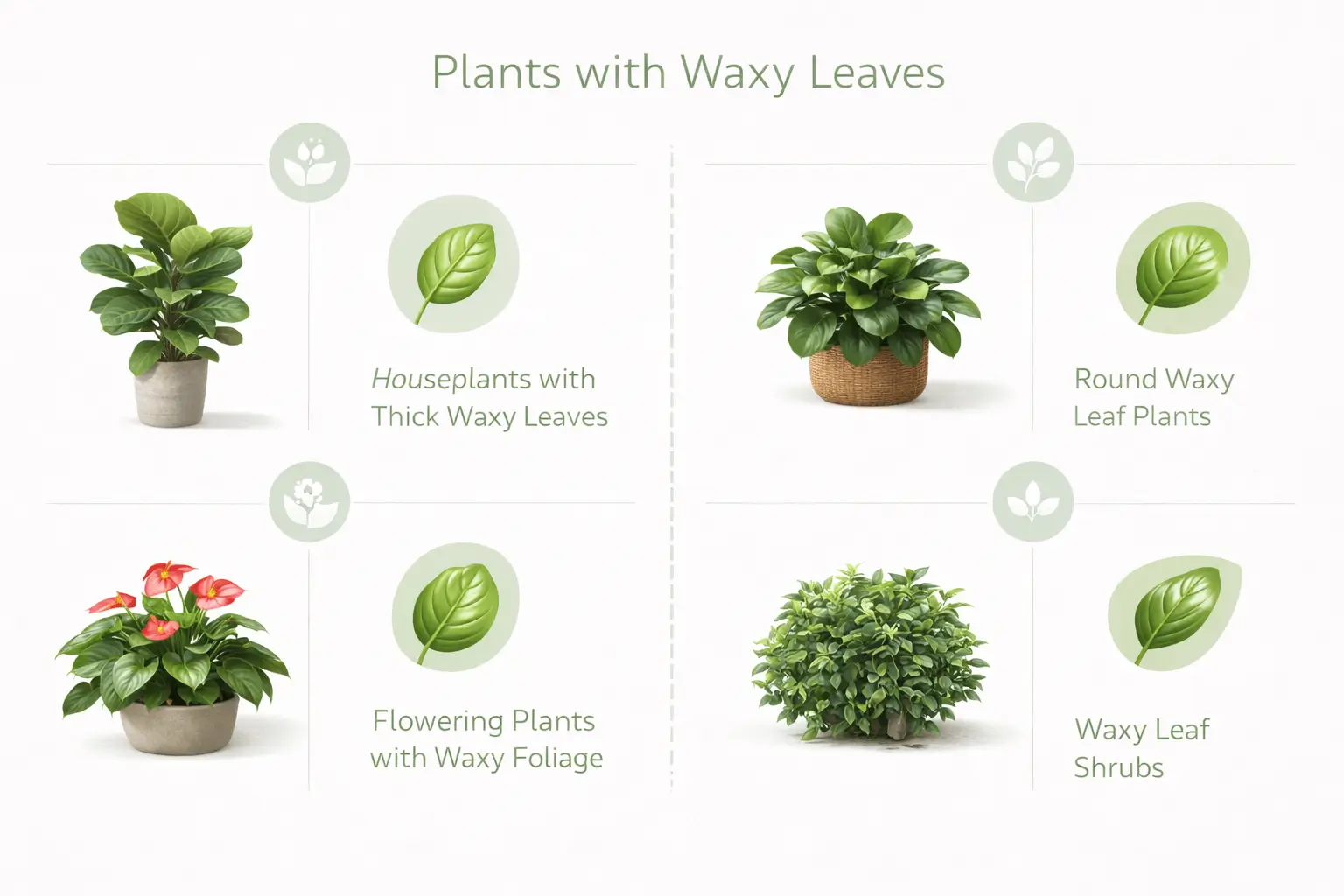
Houseplants With Waxy Leaves
A waxy leaf houseplant is a popular choice for indoor spaces because it combines visual appeal with low maintenance needs. Many common indoor plants naturally develop thick, glossy leaves that help them thrive in controlled home environments. A house plant with thick waxy leaves is especially valued because the sturdy foliage stores moisture efficiently and resists damage from dry air.
An indoor plant waxy leaves structure offers clear care benefits. These plants require less frequent watering, tolerate occasional neglect, and maintain a healthy appearance for longer periods. A house plant with waxy leaves also stays cleaner, as the smooth surface prevents heavy dust buildup and reduces stress caused by indoor pollutants. This makes waxy-leaf houseplants ideal for beginners, apartments, and offices where consistent care may be difficult.
Plants With Round Waxy Leaves
A round waxy leaf plant is admired for its soft, balanced appearance and compact growth habit. Plants that develop rounded leaves with a waxy surface often look neat and well-structured, making them suitable for small spaces, shelves, and tabletops. A plant with round waxy leaves naturally reflects light, enhancing the plant’s decorative value without appearing overly large or overwhelming.
A houseplant round waxy leaves type is especially popular in indoor gardening because it combines durability with aesthetics. The rounded leaf shape supports even moisture distribution, while the waxy coating protects the leaf surface from drying out. This results in steady growth, minimal leaf damage, and a consistently polished look that fits well in modern and minimalist interiors.
Flowering Plants With Waxy Leaves
Waxy Leaf Flowering Plants
Waxy leaf flowering plants often develop glossy foliage as a natural way to support the energy demands of blooming. Flowering requires consistent moisture and nutrient flow, and a waxy surface helps regulate water loss during this high-growth phase. The protective layer keeps leaves hydrated, allowing the plant to focus its resources on healthy flower production rather than stress recovery.
A flowering plant with waxy leaves performs well in both gardens and indoor environments because the foliage is more resilient to changing conditions. Outdoors, the waxy coating shields leaves from heat, wind, and uneven watering. Indoors, it helps the plant adapt to dry air and artificial lighting. This balance makes flowering plants with waxy leaves easier to maintain while still delivering long-lasting blooms and healthy foliage.
Flowers With Waxy Leaves
Flowers with waxy leaves are valued for their strong decorative impact. The glossy foliage creates a clean, vibrant backdrop that enhances the color and shape of the blooms. Even when the plant is not actively flowering, the shiny leaves maintain visual interest and keep the plant looking fresh and well cared for.
Beyond appearance, waxy leaves play an important role in moisture control for blooms. The coating reduces water loss from surrounding leaf tissue, helping flowers stay firm and hydrated for longer periods. This moisture regulation supports longer-lasting blossoms, reduces wilting, and improves overall flowering performance in both indoor and outdoor settings.
Shrubs and Outdoor Plants With Waxy Leaves
Waxy Leaf Shrubs and Bushes
Waxy leaf shrubs are widely used in landscaping because they combine structure, durability, and year-round visual appeal. The glossy foliage helps these plants handle outdoor exposure while maintaining a healthy, polished look. Many waxy leaved shrubs are chosen for borders, hedges, and foundation plantings due to their ability to thrive with minimal intervention.
A waxy leaf bush is especially suitable for low-maintenance gardens. The protective leaf coating reduces moisture loss, allowing the plant to tolerate irregular watering and extended dry periods. This makes waxy-leaf bushes ideal for busy gardeners or landscapes where frequent care is not practical.
The waxy surface also improves weather resistance and overall durability. It protects leaves from heat, wind, and intense sunlight while reducing damage caused by rain splash and airborne debris. As a result, waxy leaf shrubs maintain strong growth, resist stress, and remain attractive across changing seasons.
Benefits of Growing Waxy Leaf Plants
- Low watering needs
Waxy plants naturally retain moisture due to their protective leaf coating, which reduces evaporation and slows water loss. This allows the soil to stay moist for longer periods, making these plants ideal for people who prefer less frequent watering routines. - Easy care for beginners
Wax leaf plants are forgiving and resilient, requiring minimal maintenance to stay healthy. Their ability to tolerate missed waterings, dry air, and minor care mistakes makes them an excellent choice for beginners or anyone new to plant care. - Better survival in indoor environments
Waxy leaved plants adapt well to indoor conditions where humidity levels are often low. The waxy surface helps protect leaves from drying out due to air conditioning or heating, allowing the plant to maintain stable growth and long-term health indoors. - Glossy appearance for home décor
The naturally shiny foliage of waxy leaf plants adds a clean, polished look to interior spaces. Their glossy leaves reflect light beautifully, enhancing room brightness and contributing to a fresh, well-maintained aesthetic without constant upkeep.
How to Care for Plants With Waxy Leaves
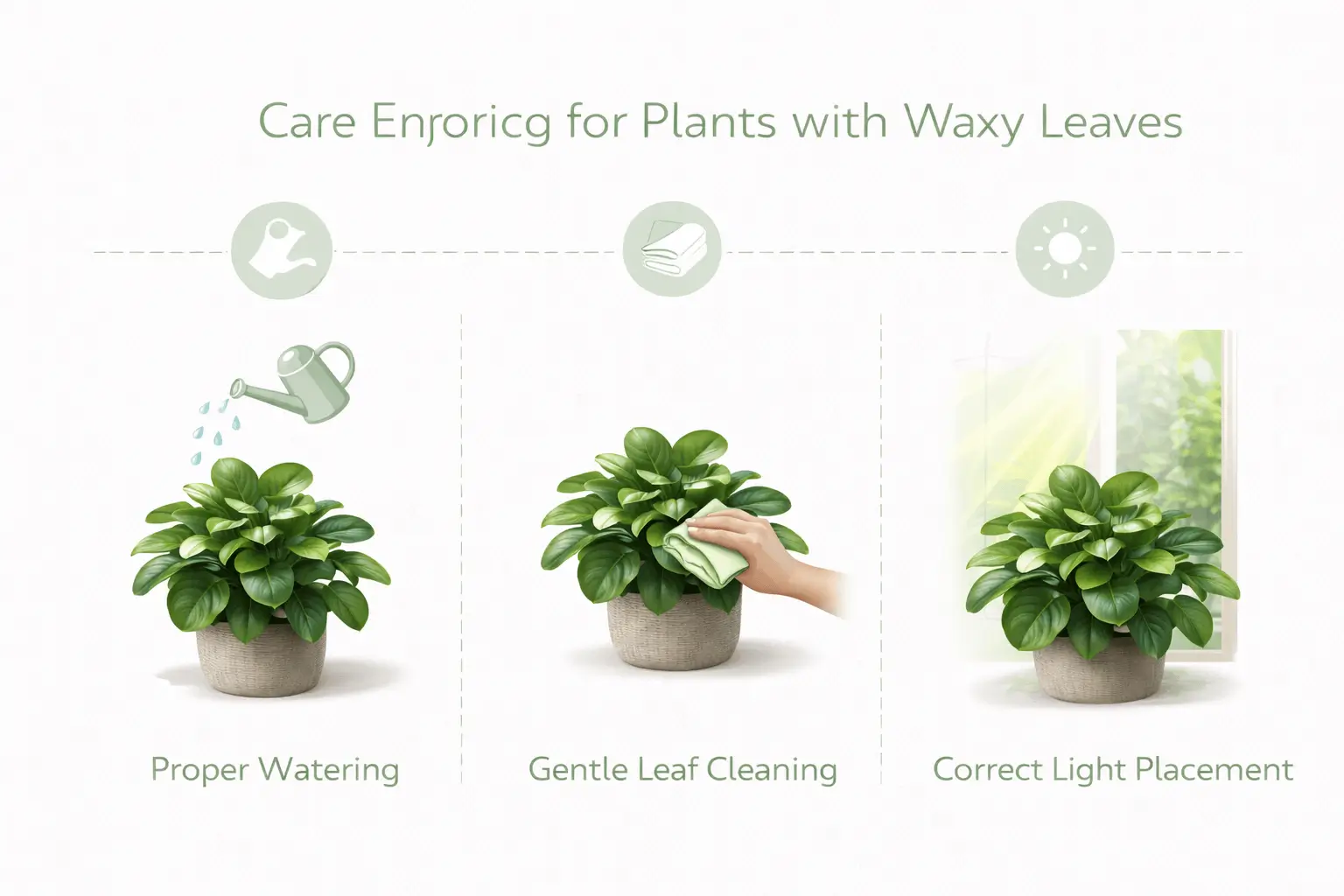
- Proper watering methods
For house plants waxy leaves, watering should be done only when the top layer of soil feels dry. The waxy coating already helps the plant conserve moisture, so overwatering can cause more harm than benefit. Use well-draining soil and ensure excess water can escape easily to prevent root stress, especially for a waxy leaf indoor plant kept in containers. - Cleaning waxy leaves safely
A green waxy leaf plant benefits from regular gentle cleaning to keep the leaf surface clear and glossy. Wipe leaves with a soft, damp cloth to remove dust without scrubbing. Avoid leaf shine products, as they can block natural pores and interfere with the plant’s natural waxy layer. - Light and placement tips
Most waxy leaf plants prefer bright, indirect light, which helps maintain strong color and healthy leaf structure. Place a waxy leaf indoor plant near a window with filtered sunlight, avoiding harsh direct exposure that may cause leaf damage. Proper airflow and consistent placement support steady growth and preserve the natural shine of the leaves.
Common Problems With Waxy Leaf Plants
- Overwatering signs
Overwatering is one of the most common issues for a plant with green waxy leaves. Because the waxy coating slows moisture loss, excess water can remain in the soil for too long. Signs include soft or drooping leaves, yellowing foliage, and a consistently damp growing medium. Allowing the soil to dry slightly between waterings helps prevent root stress and leaf damage. - Dust buildup on waxy surfaces
House plant waxy leaves can attract and hold visible dust due to their smooth surface. Heavy dust buildup can block light and reduce photosynthesis, making the plant look dull over time. Regular gentle wiping with a damp cloth keeps the leaves clean, restores shine, and supports healthy growth. - Yellowing or dull leaves
Yellowing or loss of shine in waxy leaves is often caused by improper light, overwatering, or poor air circulation. A plant with waxy foliage needs balanced lighting and consistent care to maintain its glossy appearance. Adjusting placement, improving airflow, and correcting watering habits usually restores leaf color and natural luster.
Conclusion
Plants with waxy leaves are an excellent choice for both homes and gardens because they combine durability, visual appeal, and easy maintenance. The natural waxy coating helps these plants conserve moisture, resist environmental stress, and stay healthy in a wide range of conditions, including indoor spaces with low humidity and outdoor areas exposed to heat.
From indoor houseplants and flowering varieties to shrubs and outdoor bushes, waxy-leaf plants offer a wide selection of forms and uses. Their low watering needs, beginner-friendly care, and ability to thrive with minimal effort make them practical for everyday gardening.
Choosing plants with waxy leaves allows you to enjoy long-lasting greenery and a naturally glossy appearance without demanding care routines, making them a smart and attractive addition to any living space or landscape.
Read Also: 7+ Best Houseplants That Smell Good for a Fresh Home
FAQs
What are plants with waxy leaves?
Plants with waxy leaves are plants whose foliage is covered with a natural wax-like coating. This layer gives the leaves a smooth, glossy appearance and helps protect them from moisture loss, environmental stress, and surface damage.
Why do indoor plants have waxy leaves?
Indoor plants have waxy leaves to conserve moisture in low-humidity environments. The waxy surface reduces evaporation caused by air conditioning or heating and helps the plant stay hydrated and healthy indoors.
Are waxy leaf plants good for beginners?
Yes, waxy leaf plants are ideal for beginners. Their moisture-retaining leaves make them more forgiving of missed waterings, and they generally require less maintenance compared to plants with thin or delicate foliage.
How do I clean plants with waxy leaves?
Clean waxy leaves by gently wiping them with a soft, damp cloth. This removes dust without damaging the natural coating. Avoid using commercial leaf shine products, as they can clog leaf pores and interfere with normal plant function.
Do flowering plants with waxy leaves need less water?
Flowering plants with waxy leaves often need less frequent watering because the waxy coating helps retain moisture. However, they should still be watered according to their specific growth and flowering needs to support healthy blooms.
Are waxy leaf shrubs suitable for hot climates?
Yes, waxy leaf shrubs are well suited for hot climates. Their protective leaf coating reduces water loss, improves heat tolerance, and helps the plant withstand sun exposure and dry conditions more effectively.

Written by the LeafyHeaven Editorial Team
LeafyHeaven shares practical gardening tips and simple plant care guides to help you grow, nurture, and enjoy your plants with ease. Our goal is to make gardening feel natural, approachable, and rewarding for everyone.

[…] commonly found in masculine spaces. Many masculine plants also have glossy textures similar to plants with waxy leaves, which makes them look even more bold and clean […]
[…] stress-related spotting. Similar leaf surface damage patterns are also discussed in our guide on plants with waxy leaves, where environmental stress affects foliage […]