
Introduction
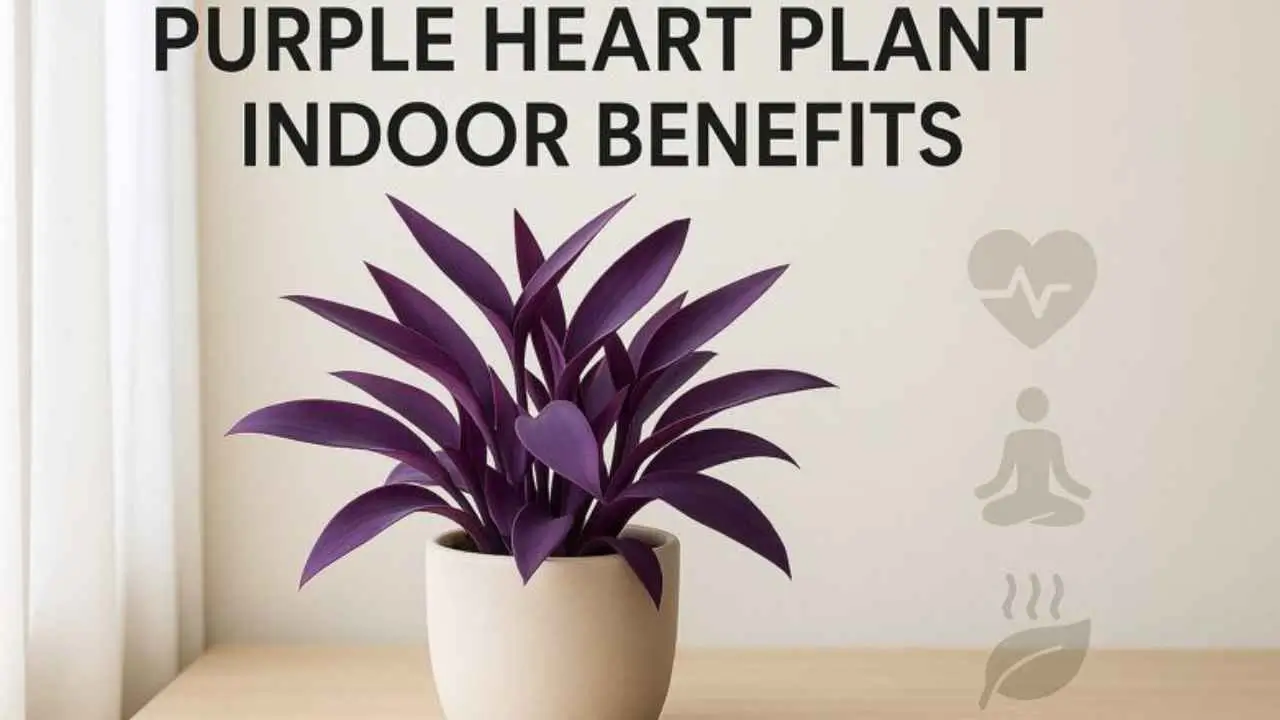
Purple heart plant indoor benefits make this vibrant houseplant a popular choice for people who want beauty with purpose inside their homes. The purple heart plant indoor setup is valued not only for its deep purple foliage but also for its connection to wellness, balance, and low-maintenance care. Many plant lovers often ask, can purple heart plant grow indoors, and the answer is yes—it adapts well to indoor environments when basic needs are met. Beyond decoration, this plant is commonly linked with health awareness, simple care routines, spiritual calm, and traditional medicinal value. Because of this mix of visual appeal and functional benefits, the purple heart plant has become a meaningful indoor plant for homes focused on natural living and mindful spaces.
To better understand how indoor plants support overall health and growth, explore this natural healing and herbal wellness guide for a deeper look at plant-based wellness practices.
What Is the Purple Heart Plant?
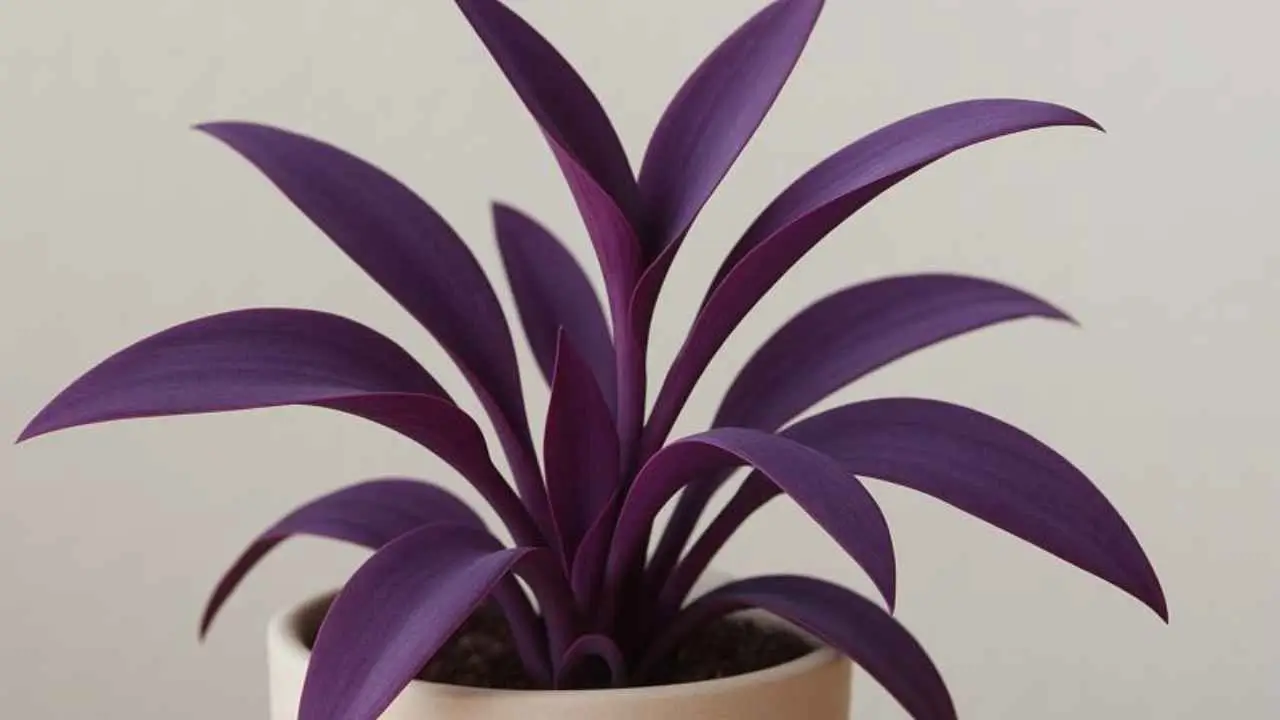
The purple heart plant is a hardy, trailing plant known for its striking purple leaves and fast-growing nature. Botanically called Tradescantia pallida, it belongs to the spiderwort family and is widely grown for both ornamental and wellness-related reasons. This plant is appreciated for its adaptability, making it a common choice for homes, balconies, and gardens.
For botanical details and classification, you can explore this Tradescantia pallida plant overview.
When grown indoors, the purple heart plant adjusts well to containers and controlled conditions, thriving with moderate light and simple care. Many people wonder whether the purple heart plant is indoor or outdoor, and the answer depends on climate and use. Indoors, it remains compact with richer leaf color, while outdoor growth often leads to faster spreading and larger coverage. This flexibility makes the purple heart plant suitable for both environments, with indoor settings offering better control over growth and maintenance.
Purple Heart Plant Indoor Benefits
The purple heart plant offers a wide range of advantages when grown inside the home, combining decorative beauty with practical wellness value. Its rich purple foliage adds instant visual interest to indoor spaces while also supporting a calm and refreshing atmosphere. Many plant enthusiasts value purple heart plant health benefits because this plant is often associated with improved indoor comfort and natural living. These purple heart plant benefits make it suitable for homes focused on both aesthetics and everyday wellness.
If you’re exploring more indoor wellness plants, check out these spider plant indoor benefits for improving air quality and home comfort.
Air-Purifying and Indoor Environment Benefits
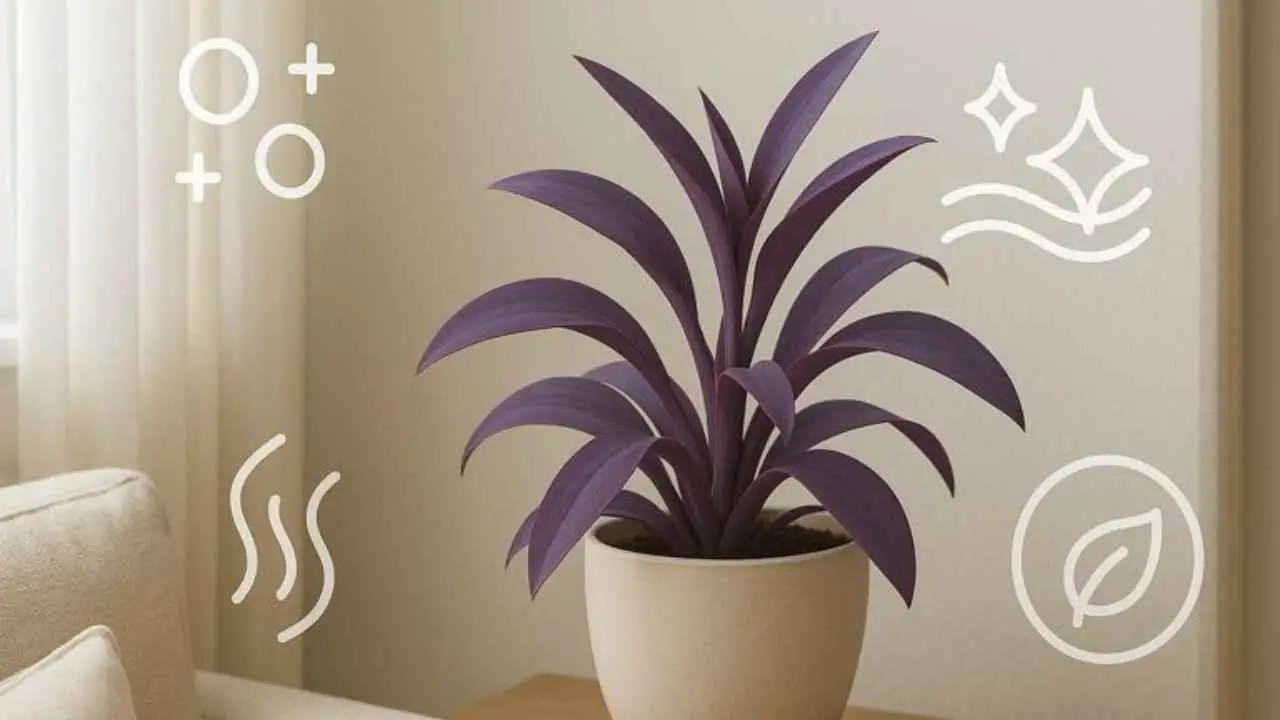
One of the key indoor advantages of the purple heart plant is its role in improving indoor air quality. Like many leafy plants, it helps reduce dust buildup and supports better air circulation within closed spaces. This contributes to a fresher indoor environment, making living areas feel cleaner and more breathable. As a result, the plant supports a healthier home atmosphere, especially in rooms where air flow may be limited.
Purple Heart Plant Benefits for Skin
The purple heart plant is also traditionally linked to skin-related wellness. In various cultures, its leaves have been associated with gentle topical use for basic skin support. While not a replacement for medical treatments, this traditional relevance adds to the plant’s holistic value indoors. Keeping the plant inside allows easy access while maintaining a natural, wellness-focused presence that aligns with skin care awareness and overall household health.
Purple Heart Plant Medicinal Uses and Benefits
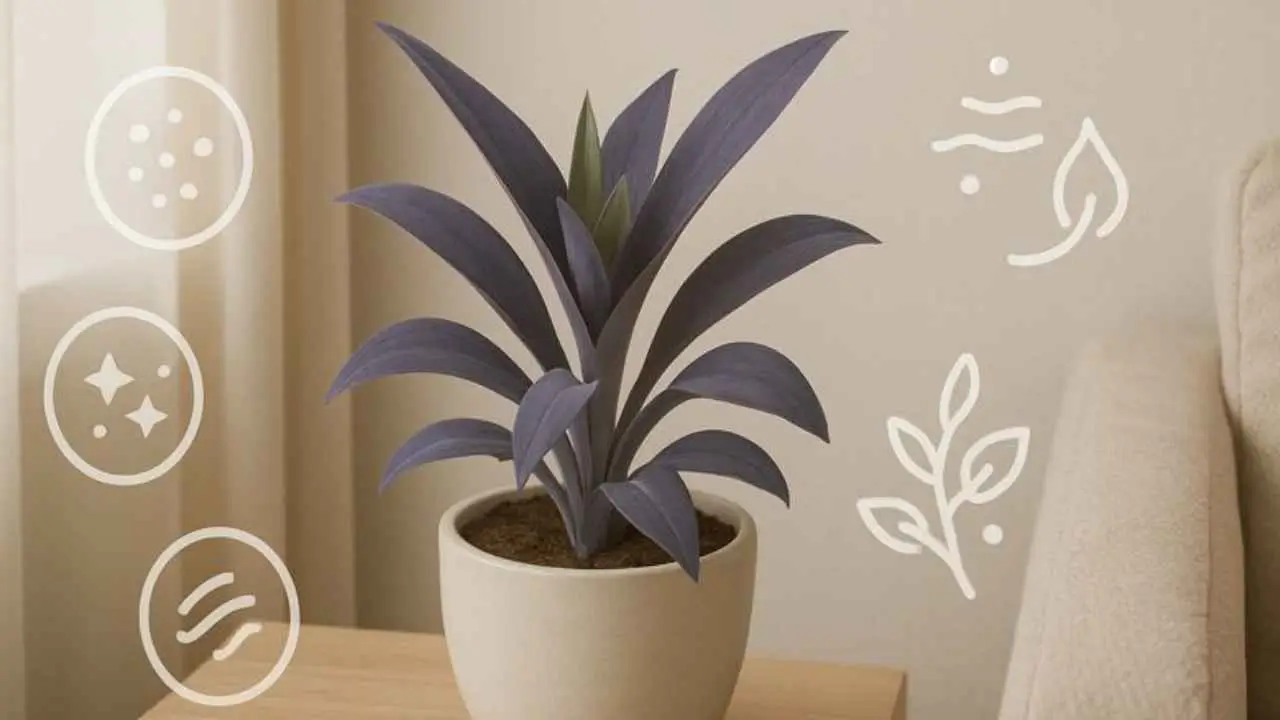
The purple heart plant has a long history of use in traditional wellness practices, where it has been valued for its supportive role in natural remedies. Many cultures recognize purple heart plant medicinal uses and benefits for their association with soothing properties and general wellness care. When grown indoors, the plant offers a convenient and controlled way to appreciate its traditional value without exposure to outdoor pollutants. This indoor relevance allows plant owners to focus on safe handling, cleanliness, and mindful use while keeping the plant as part of a healthy living space.
Purple Heart Plant Medicinal Uses – How to Use
Traditionally, the purple heart plant has been used in simple, non-medical ways such as leaf-based preparations for general wellness support. These uses are commonly described in folk practices rather than scientific treatments and should always be approached with care. In an indoor plant wellness context, the purple heart plant is best appreciated for its symbolic and traditional role, gentle presence, and connection to natural living, rather than as a substitute for professional medical care.
Purple Heart Plant Spiritual Meaning
The purple heart plant is often associated with deep symbolic meaning when kept indoors. Its rich purple color is commonly linked to calmness, inner strength, and emotional awareness, making it a meaningful addition to personal living spaces. Many people connect the plant’s presence with mental clarity and a peaceful indoor environment, viewing it as a natural element that supports emotional balance. As an indoor plant, it is frequently used in spaces meant for relaxation, reflection, and positive energy flow, reinforcing its connection to emotional and mental wellness.
Purple Heart Plant Spiritual Meaning Love
In spiritual traditions, the purple heart plant is also connected with love, harmony, and emotional stability. The color purple is often associated with compassion and deep emotional connections, which is why the plant is sometimes placed in living rooms or bedrooms to encourage warmth and positivity. From a feng-shui-style perspective, positioning the plant in well-lit, calm areas of the home is believed to support balanced energy and strengthen feelings of love and emotional well-being within indoor spaces.
Purple Heart Plant Indoor Benefits and Side Effects
The purple heart plant offers several advantages when grown indoors, but it is important to understand both its benefits and possible precautions. On the positive side, the plant enhances indoor spaces with vibrant color, contributes to a fresher environment, and supports overall wellness awareness through its traditional and spiritual associations. These indoor benefits make it appealing for homes focused on natural and low-maintenance greenery.
At the same time, certain side effects should be considered. The sap of the purple heart plant may cause mild skin irritation in sensitive individuals, especially with direct contact. Pets can also be sensitive if they chew on the leaves, which makes placement an important factor in indoor settings. By handling the plant carefully and keeping it out of reach of pets and children, homeowners can enjoy its indoor benefits while minimizing potential risks.
Purple Heart Plant Care Indoors
Proper indoor maintenance helps the plant stay healthy and maintain its rich purple color. Purple heart plant care focuses on simple routines that suit indoor environments, making it a suitable choice for both beginners and experienced plant owners. With the right balance of light, water, and soil, purple heart indoor care remains easy and manageable, allowing the plant to grow well without demanding constant attention.
How to Care for Purple Heart Plant Indoors
Light plays an important role in indoor growth, as bright, indirect sunlight helps maintain strong color and compact growth. Low light may cause the leaves to fade or stretch. Watering should be done when the top layer of soil feels dry, avoiding overwatering that can lead to root issues. Well-draining soil and a pot with drainage holes are essential for healthy roots, while placing the pot in a stable, well-lit indoor location supports long-term plant health.
Purple Heart Plant Care Indoors
Proper indoor maintenance helps the plant stay healthy and maintain its rich purple color. Purple heart plant care focuses on simple routines that suit indoor environments, making it a suitable choice for both beginners and experienced plant owners. With the right balance of light, water, and soil, purple heart indoor care remains easy and manageable, allowing the plant to grow well without demanding constant attention.
How to Care for Purple Heart Plant Indoors
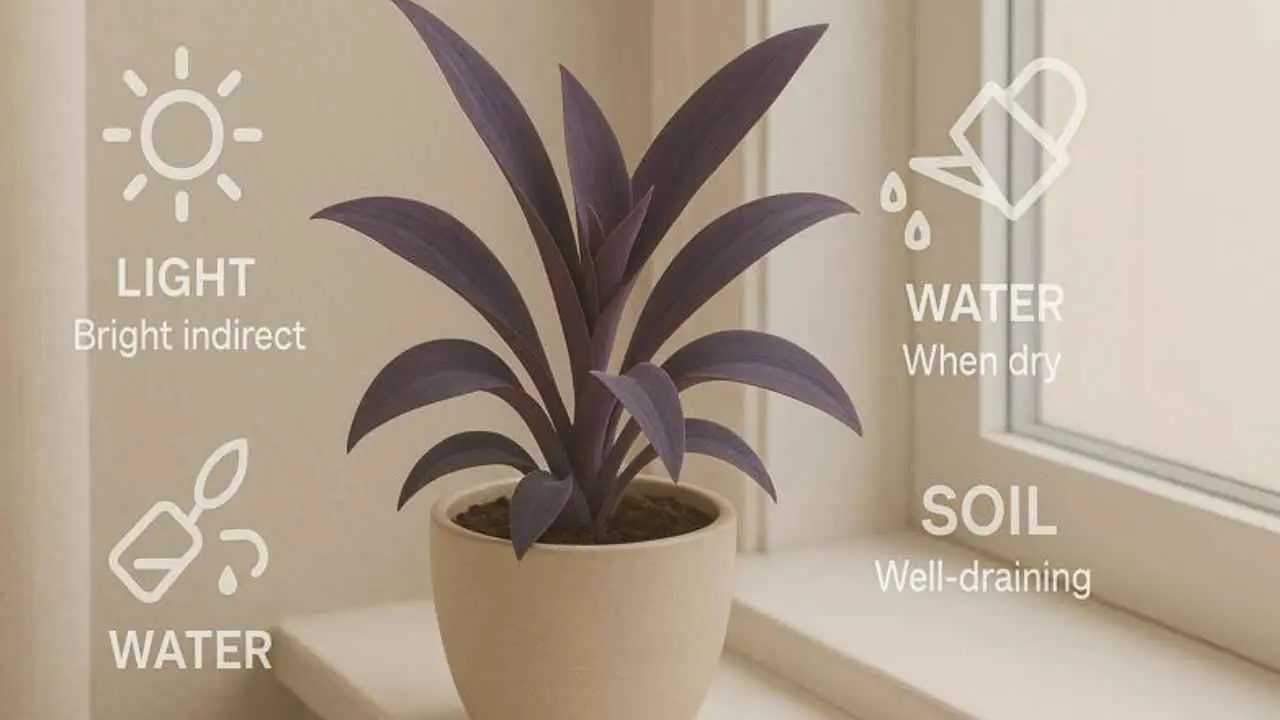
- Light requirements: Bright, indirect sunlight helps preserve the plant’s deep purple foliage and compact growth. Insufficient light may cause the leaves to lose color and become leggy.
- Watering routine: Water only when the top layer of soil feels dry. Consistent overwatering should be avoided, as it can lead to root problems indoors.
- Soil & pot placement tips: Use well-draining soil and a pot with proper drainage holes. Place the pot in a stable indoor spot with good light and airflow to support healthy growth.
Purple Heart Plant – Indoor or Outdoor?
Many plant owners ask, is purple heart plant indoor or outdoor, and the answer depends on growing conditions and personal preference. Indoors, the plant benefits from controlled light, temperature, and moisture, which helps maintain its vibrant color and compact form. Indoor placement also reduces exposure to pests and harsh weather.
Outdoors, the purple heart plant grows more aggressively and spreads quickly, especially in warm climates. While outdoor growth allows faster expansion, it requires more maintenance and protection from extreme conditions. For most homes, indoor placement is recommended, as it offers better control, easier care, and consistent appearance, making the purple heart plant a more manageable and decorative indoor plant.
Conclusion
Purple heart plant indoor benefits make this plant a valuable addition to modern homes, offering visual beauty along with wellness, spiritual, and traditional value. When grown indoors, it supports a cleaner environment, adds calming energy, and remains easy to care for with simple routines. Understanding proper placement and handling helps ensure safe indoor use, especially in homes with pets or sensitive skin. For plant lovers seeking a low-maintenance yet meaningful houseplant, the purple heart plant provides a balanced mix of color, purpose, and indoor-friendly growth that fits naturally into everyday living spaces.
If you enjoy bold indoor plants, explore these elephant ear plant indoor benefits for tropical wellness advantages.
FAQs
What are the main purple heart plant indoor benefits?
The main purple heart plant indoor benefits include enhanced visual appeal, support for a fresher indoor environment, and associations with wellness, spiritual balance, and traditional plant use. It is also valued for being low maintenance indoors.
Can purple heart plant grow indoors year-round?
Yes, the purple heart plant can grow indoors year-round when it receives adequate light, proper watering, and suitable indoor temperatures. Consistent care helps maintain healthy growth throughout the year.
Is purple heart plant safe for skin use?
Traditionally, the plant has been associated with topical wellness practices, but direct contact may cause mild irritation for sensitive skin. It is best to handle the plant carefully and avoid direct skin application without proper guidance.
What is the spiritual meaning of purple heart plant indoors?
Indoors, the purple heart plant is often linked to emotional balance, calm energy, and positivity. Its purple color is symbolically associated with inner strength, love, and mental clarity.
Is purple heart plant better indoor or outdoor?
For most people, the purple heart plant performs better indoors due to controlled conditions, easier care, and reduced exposure to pests. Outdoor growth is possible in warm climates but requires more maintenance.

Written by the LeafyHeaven Editorial Team
LeafyHeaven shares practical gardening tips and simple plant care guides to help you grow, nurture, and enjoy your plants with ease. Our goal is to make gardening feel natural, approachable, and rewarding for everyone.

[…] Read Also: 5+ Powerful Purple Heart Plant Indoor Benefits for Wellness […]