
Introduction
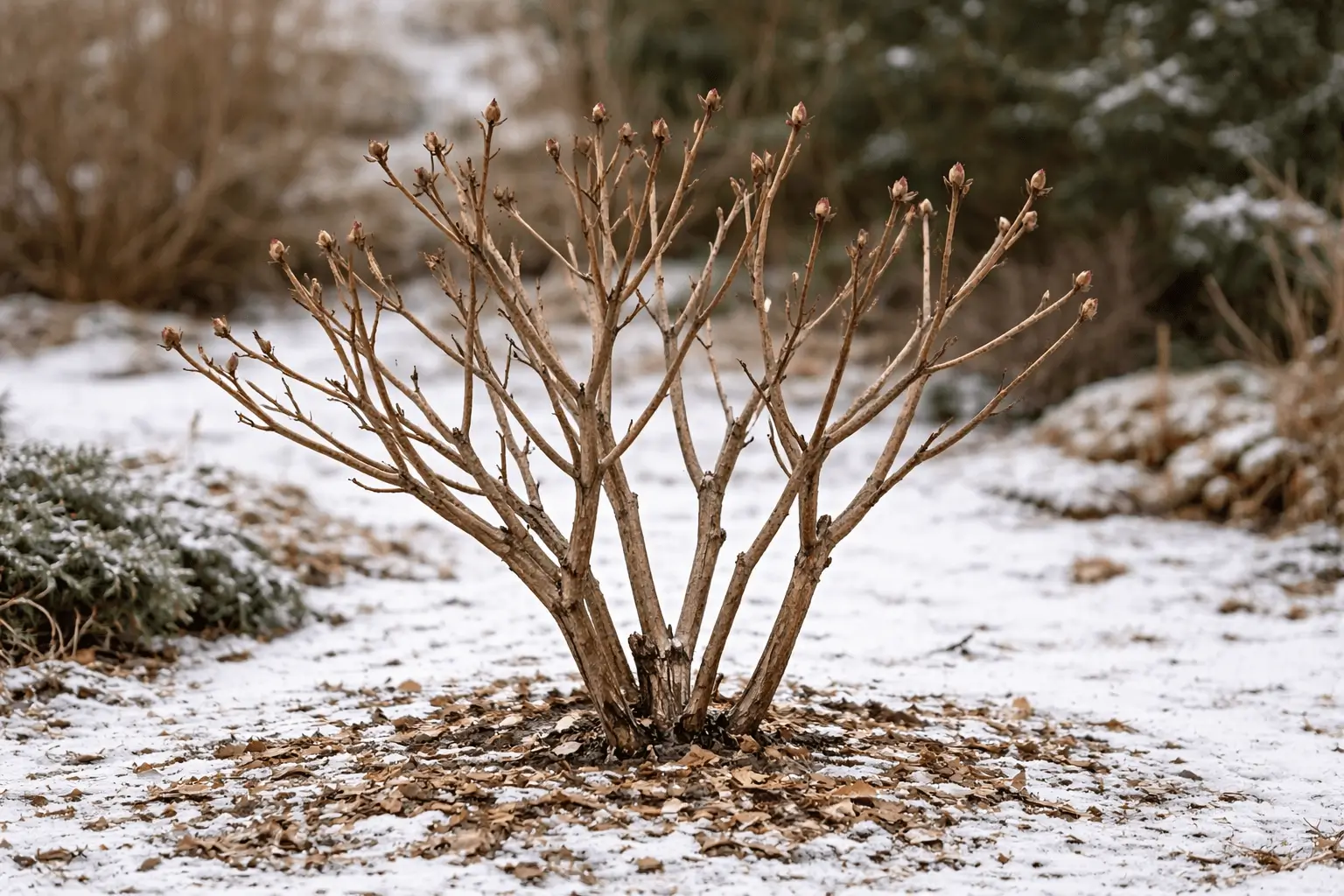
Tree peony in winter enters a natural resting phase that can look concerning to gardeners, but this dormancy is essential for long-term health. As temperatures drop, growth slows, leaves fall, and the plant conserves energy in its woody framework and underground roots. Proper winter care matters because it directly affects tree peony survival and the quality of spring blooms. Without protection from excess moisture, extreme cold, or poor soil conditions, buds and stems can suffer damage that reduces flowering potential.
Unlike herbaceous peonies that die back completely to the ground, tree peonies remain woody above soil level in winter. Their permanent stems must endure cold, wind, and frost, which is why their winter behavior—and care—differs significantly from herbaceous peonies. Understanding this difference is the foundation of successful winter care.
Understanding Tree Peony Dormancy in Winter
What Happens to a Tree Peony in the Winter
During winter, a tree peony enters a natural dormancy cycle designed to protect the plant from cold stress. Active growth stops as temperatures drop, leaves fall away, and energy is stored in the roots and woody framework. This resting phase is not a sign of decline—it is a critical survival mechanism that allows the plant to reset and prepare for spring flowering.
Cold temperatures cause the woody stems of a tree peony to harden and slow internal processes. Unlike soft, herbaceous growth, these woody stems are built to tolerate freezing conditions. However, sudden temperature swings, excessive moisture, or poorly drained soil can still stress the plant. Stable cold is generally less harmful than repeated freeze–thaw cycles, which can crack stems and damage internal tissues.
Tree Peony Shoots and Bud Survival
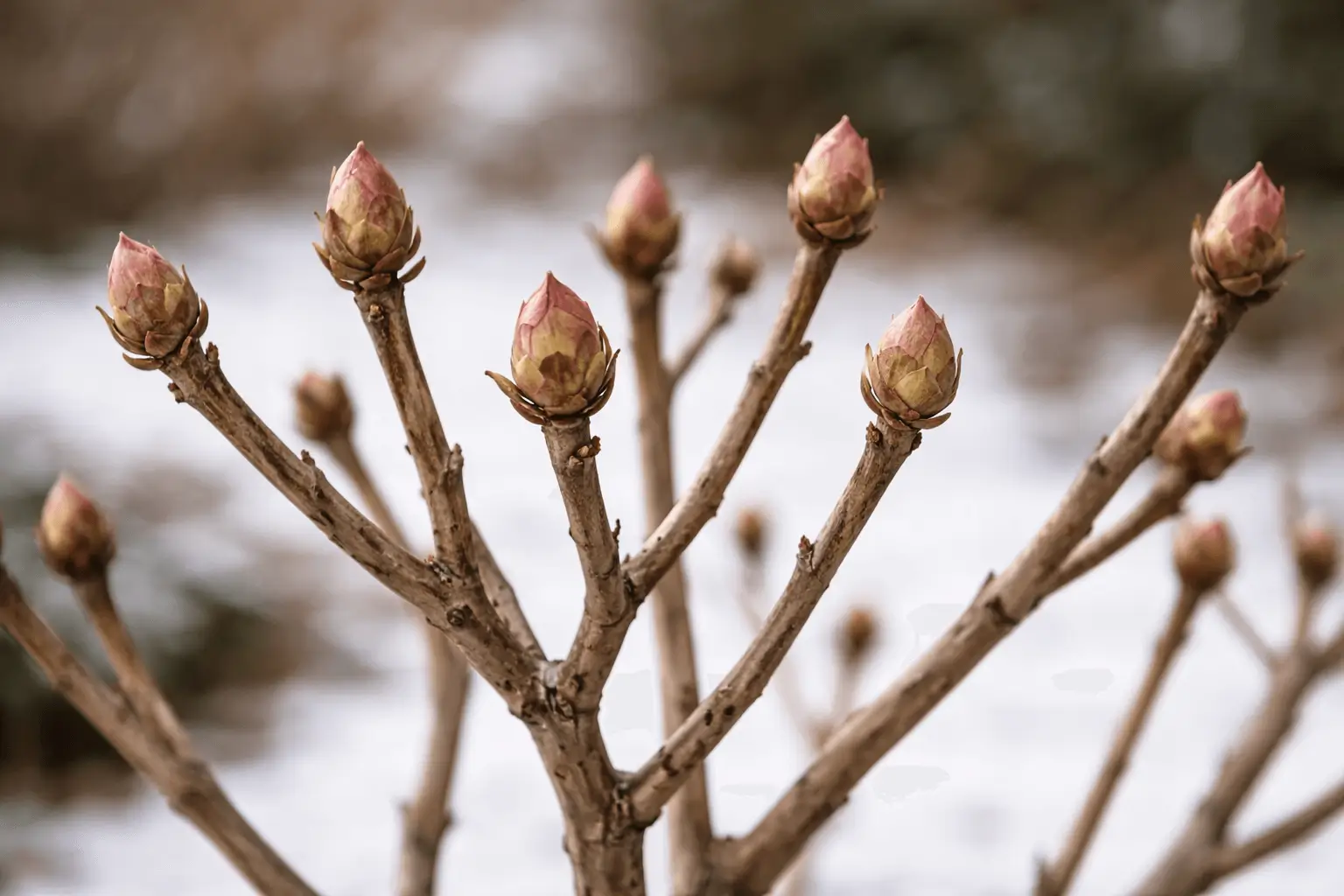
Healthy tree peony shoots in winter appear firm, dry, and intact, with no signs of softness or collapse. Living shoots usually maintain a solid texture and a natural brown or gray color. Damaged shoots, by contrast, may turn black, become mushy, or show splitting caused by frost or excess moisture.
Dormant buds are small, tight, and often covered with protective scales. In winter, they look inactive and slightly swollen but not shriveled. Healthy dormant buds remain firmly attached to the stem and show no signs of rot or discoloration. These buds are the foundation of spring growth, and their survival through winter dormancy determines how successfully the tree peony will leaf out and bloom when temperatures rise.
How to Prep Peonies for Winter (Tree Peony Specific)
When to Start Winter Preparation
Winter preparation for tree peonies should begin after the first light frosts but before the ground freezes solid. This timing allows the plant to naturally enter dormancy while still giving you a window to protect roots and stems. Starting too early can trap warmth and moisture, interfering with dormancy, while preparing too late increases the risk of cold damage. Consistent nighttime temperature drops near freezing are the clearest signal that it’s time to begin winter prep.
Soil and Mulching Requirements
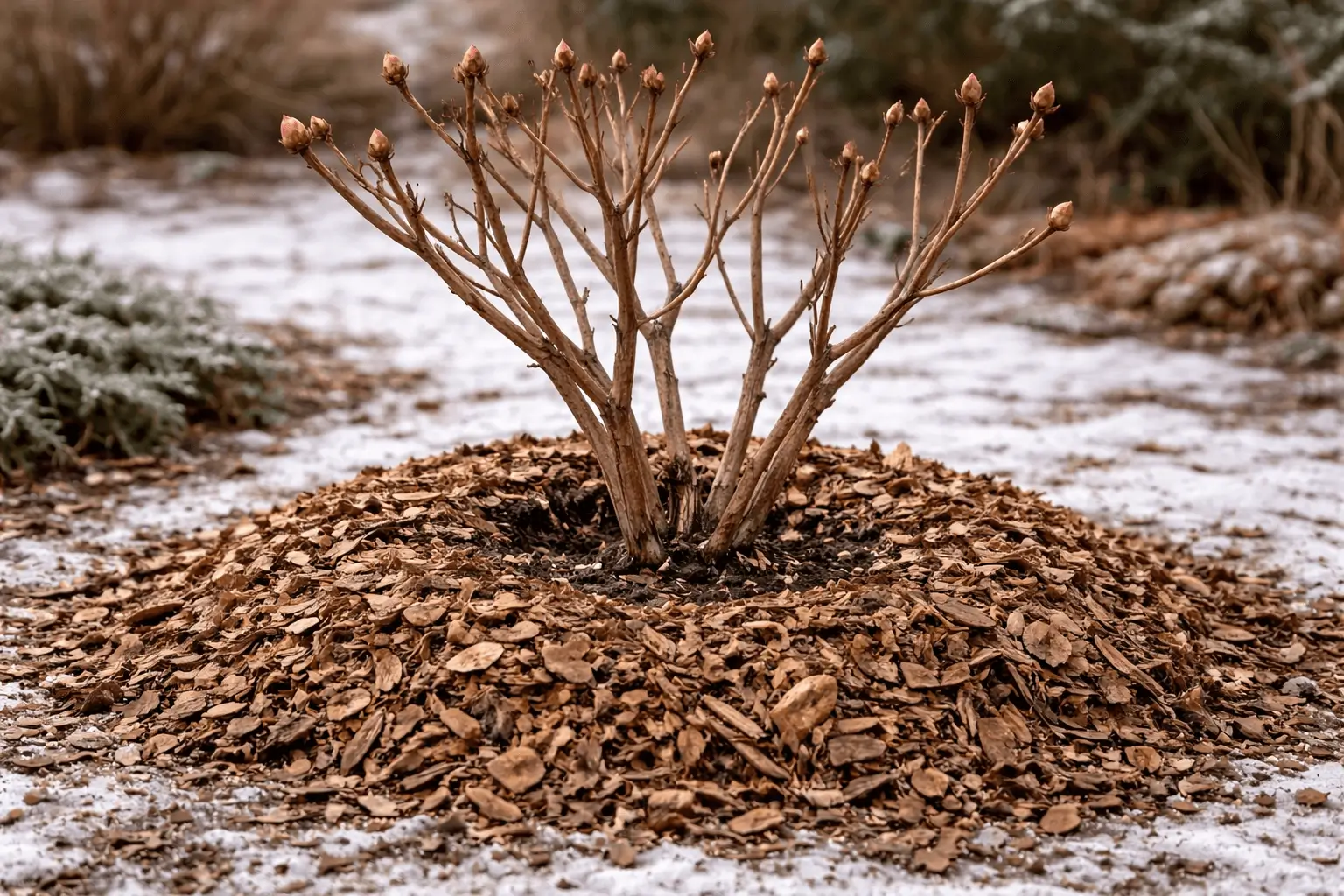
Proper soil protection is essential for tree peony survival in winter. Apply a 2–4 inch layer of mulch around the base of the plant, keeping it slightly away from the main stems. Organic materials such as shredded bark, pine needles, or straw work well because they insulate while allowing airflow.
Mulch should protect the roots from temperature swings without suffocating the plant. Avoid heavy, compacted mulch that holds excess moisture, as poor drainage can lead to root rot during winter. The goal is insulation and stability—not warmth or water retention.
Watering Before Winter Sets In
Tree peonies need balanced moisture going into winter. Water deeply in late fall before the soil freezes, especially if autumn has been dry. Moist soil holds heat better than dry soil, helping protect roots during cold periods. However, avoid overwatering. Saturated soil combined with freezing temperatures increases the risk of root damage. Once the ground begins to freeze, stop watering and allow the plant to remain dry through winter dormancy.
Winter Care of Peonies – Tree Peony vs Others
Care of Peonies in Winter
General winter care of peonies focuses on protecting plants during dormancy while preventing excess moisture and disease. Key principles include allowing plants to fully enter dormancy, maintaining well-drained soil, and providing insulation against temperature fluctuations rather than warmth. Clean garden beds reduce fungal risks, and mulch helps stabilize soil temperatures. Minimal intervention is best—healthy peonies are naturally cold-hardy when basic winter conditions are managed correctly.
Tree Peony vs Peony Plant Winter Care
Tree peonies require different winter handling because they retain woody stems above ground, unlike herbaceous peonies that die back completely. These permanent stems carry next season’s buds and must survive winter intact. Cutting tree peonies back like herbaceous peonies can remove flower buds and weaken the plant. Tree peonies also need better protection from wind and freeze–thaw cycles, while herbaceous peonies mainly rely on root insulation. This structural difference is the reason winter care practices are not interchangeable.
Winter Care Peonies in Cold vs Mild Climates
Winter care varies by climate zone. In cold climates, tree peonies benefit from deeper mulching, wind barriers, and protection from rapid temperature swings. Snow cover can act as natural insulation, but exposed sites may need extra shielding. In mild climates, the focus shifts to moisture control rather than cold protection. Light mulching helps regulate soil temperature, but excessive insulation can encourage rot. Adjusting protection based on local winter conditions ensures tree peonies remain dormant, healthy, and ready for spring growth.
Tree Peony Pruning and Maintenance Before Winter
Tree Peony Pruning – What to Cut and What to Leave
Tree peony pruning before winter should be minimal and precise. Only dead, broken, or clearly diseased wood should be removed. Dead wood is dry, brittle, and often darker in color, while living stems remain firm and show healthy buds along the branches. These living stems must be left intact because they carry next season’s flower buds and structural growth.
A common pruning mistake is cutting tree peonies back like herbaceous peonies. This removes flowering buds and can severely delay or prevent spring blooms. Another error is heavy shaping in late fall, which stimulates stress at the wrong time of year. All major structural pruning should be avoided before winter and saved for early spring if needed.
Cleaning and Disease Prevention
Proper winter maintenance includes thorough cleanup around the plant. Remove fallen leaves, spent flowers, and any plant debris from the soil surface. Organic debris left in place can trap moisture and create ideal conditions for fungal diseases during cold, damp weather.
Clean garden beds improve airflow around the base of the tree peony and reduce overwintering pests and pathogens. Dispose of debris away from the planting area rather than composting diseased material. Simple sanitation before winter significantly lowers the risk of fungal issues and helps ensure a healthier plant when growth resumes in spring.
Winterizing Peony Plants Properly
Step-by-Step Winterizing Peony Process
Proper winterizing peony plants focuses on insulation, stability, and moisture control rather than heavy protection. The process should be simple and deliberate.
- Allow the tree peony to enter full dormancy before taking action
- Apply a 2–4 inch layer of loose, well-draining mulch around the root zone
- Keep mulch a few inches away from the woody stems to prevent rot
- Ensure soil drains well so water does not pool around the roots
- Avoid fertilizing or stimulating growth late in the season
This approach insulates roots, buffers temperature fluctuations, and supports healthy winter dormancy without stressing the plant.
Protecting Tree Peony Shoots from Frost Damage
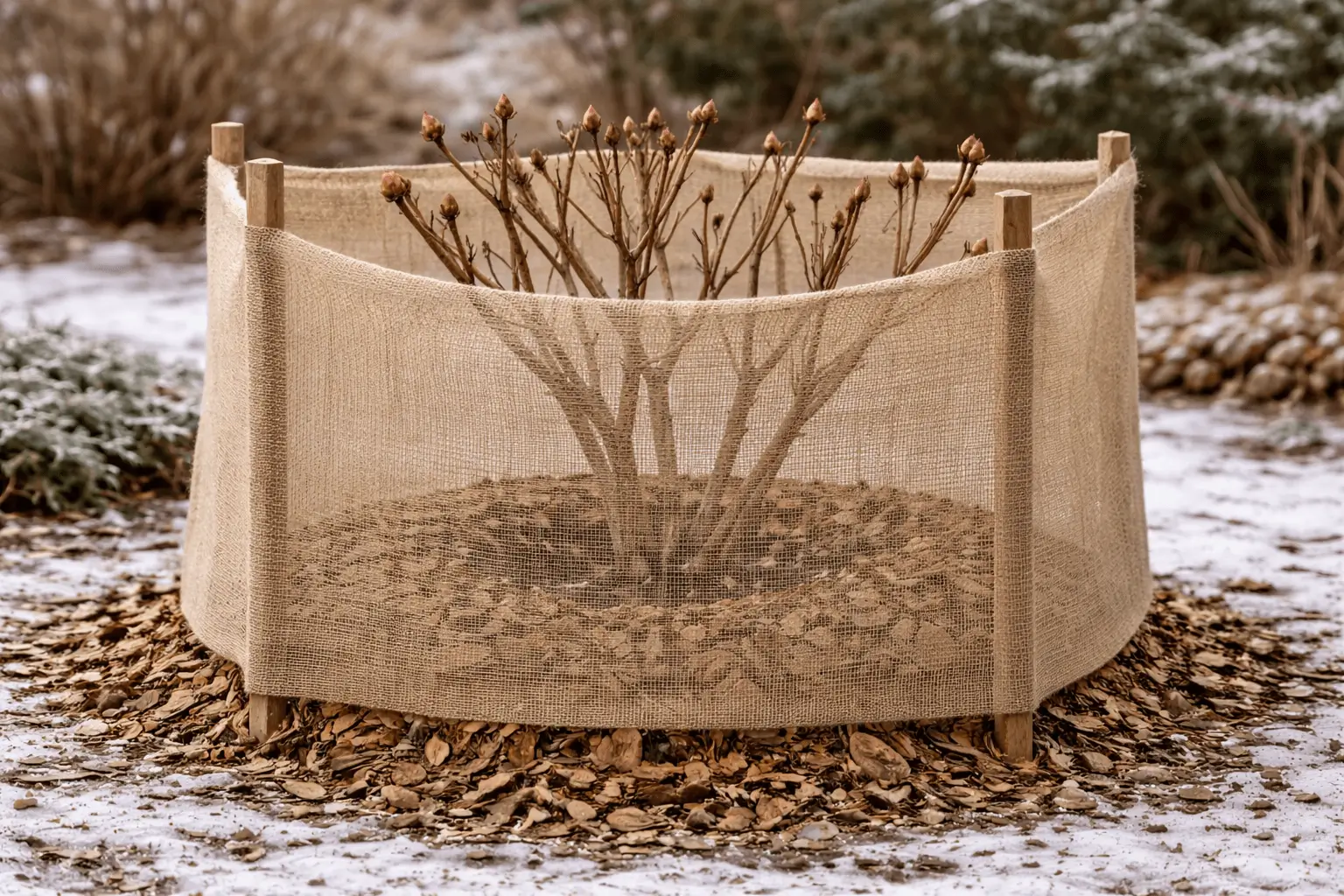
Tree peony shoots are vulnerable to wind and sudden frost, especially in exposed locations. Wind barriers such as burlap screens or garden fabric placed on the windward side help reduce drying and stem damage. Barriers should block harsh wind without trapping moisture.
In areas with severe cold or freeze–thaw cycles, breathable coverings can be used temporarily during extreme weather. Avoid plastic or airtight materials, as they trap moisture and increase the risk of fungal disease. Proper airflow combined with frost protection helps preserve shoots and dormant buds until spring conditions return.
Common Problems with Tree Peony in Winter
Why Tree Peonies Die in Winter
Tree peonies most often fail in winter due to root rot, improper pruning, or excess moisture rather than cold alone. Poorly drained soil allows water to sit around the roots, which leads to rot when temperatures drop. Heavy or compacted mulch can worsen this problem by trapping moisture and limiting airflow.
Improper pruning is another major cause. Cutting back woody stems before winter removes dormant buds and weakens the plant’s structure. In some cases, severe pruning exposes internal tissue to freezing temperatures, increasing the risk of dieback. Combined with excess moisture, these mistakes can prevent the tree peony from surviving dormancy.
Signs of Winter Stress in Peony Plant Winter
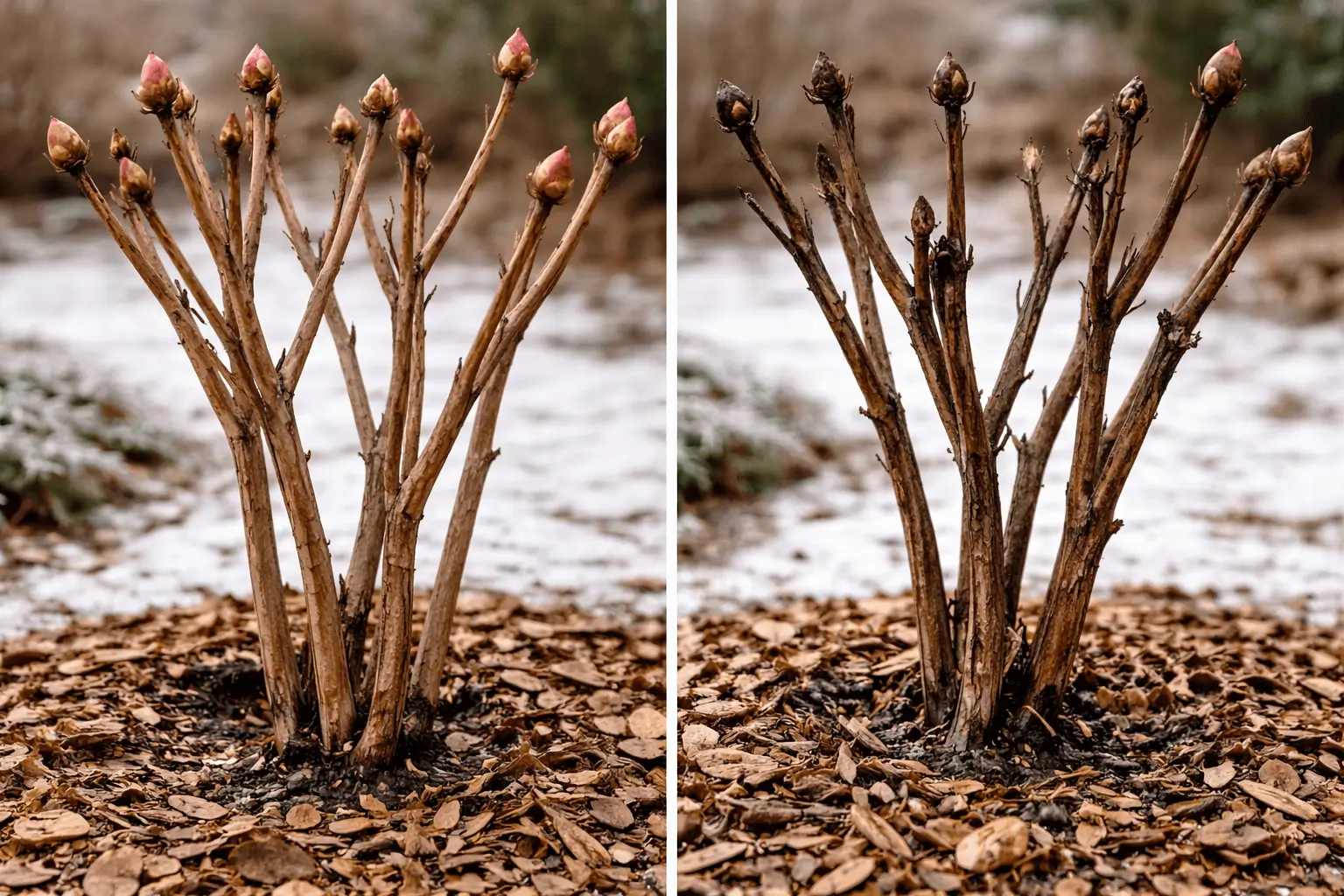
Winter stress in a peony plant becomes visible through clear physical symptoms. Blackened or darkened stems often indicate frost injury or internal tissue damage. Stems that feel soft or collapse easily may be suffering from rot caused by prolonged wet conditions.
Mushy roots are a serious warning sign and usually point to drainage issues or overwatering before winter. Another indicator is bud failure, where dormant buds dry out, rot, or fail to swell as temperatures rise. Recognizing these signs early helps gardeners correct conditions before permanent damage occurs.
Preparing for Spring While in Winter Dormancy
Monitoring Tree Peonies Through Winter
During winter dormancy, tree peonies require observation rather than intervention. Periodically check that mulch remains in place, soil is not waterlogged, and stems are not broken by wind or snow load. Inspect the base of the plant for pooling water or signs of rot after thaw periods.
What should be ignored is the lack of visible growth. Bare stems and inactive buds are normal during winter dormancy. Avoid poking buds, pruning, or adjusting mulch repeatedly, as disturbance can expose roots and stems to temperature swings. Minimal handling helps maintain stable winter conditions.
Transitioning from Winter to Early Spring Care
Mulch should be removed gradually in early spring once the risk of hard freezes has passed. Start by thinning the mulch rather than removing it all at once, allowing the soil to warm slowly while protecting against late cold snaps.
Early signs of healthy growth include firm, swelling buds and new shoots emerging from woody stems. Stems should remain solid with no soft or darkened areas. At this stage, normal spring care can begin, supporting strong leaf development and preparing the tree peony for blooming.
Final Winter Care Checklist for Tree Peonies
- Allow the tree peony to enter full dormancy naturally before winter care begins
- Ensure planting soil is well-drained to prevent water buildup and root rot
- Apply a loose 2–4 inch mulch layer around the root zone, keeping it away from stems
- Water lightly in late fall if soil is dry, then stop once the ground freezes
- Avoid cutting back woody stems; remove only dead or diseased wood
- Clear fallen leaves and debris from around the plant to reduce fungal risk
- Protect exposed plants from harsh wind using breathable barriers if needed
- Avoid heavy coverings or plastic materials that trap moisture
- Check periodically for standing water, stem damage, or displaced mulch
- Leave buds and stems undisturbed throughout winter dormancy
Proper tree peony winter care focuses on protection, drainage, and restraint. Stable soil temperatures, dry conditions, and intact woody stems are the keys to survival. By avoiding overwatering, excessive pruning, and unnecessary interference, tree peonies remain healthy through winter and are well prepared to produce strong growth and abundant blooms in spring.
Conclusion / Call to Action
Proper tree peony winter care is centered on understanding dormancy, protecting woody stems, managing moisture, and avoiding unnecessary intervention. Allowing the plant to rest naturally, maintaining well-drained soil, using correct mulching techniques, and avoiding heavy pruning are the most important steps for winter success. These practices protect dormant buds and structural stems that are essential for spring growth.
Gardeners who follow correct winter preparation give their tree peonies the best chance to emerge healthy and produce strong, vibrant blooms in spring. Small, consistent actions taken in winter make a noticeable difference in flowering performance.
For continued success, explore related peony care guides and seasonal gardening tips to support your plants year-round and refine your approach for different climates and growing conditions.
Read Also: 7+ Proven Signs of Healthy Orchid Leaves That Thrive
FAQs
How cold can a tree peony tolerate in winter?
Tree peonies are generally cold-hardy and can tolerate winter temperatures well below freezing once fully dormant. Most varieties survive temperatures down to around –20°F (–29°C) when planted in well-drained soil and properly mulched. Sudden temperature swings and excess moisture are more damaging than steady cold.
Should I cut back tree peonies before winter?
No, tree peonies should not be cut back before winter. Their woody stems carry dormant buds for next spring’s flowers. Only dead, broken, or diseased wood should be removed. Cutting back healthy stems can eliminate blooms and weaken the plant.
Do tree peonies need to be covered in winter?
In most cases, tree peonies do not need full coverage. A light mulch for root insulation is usually enough. In very cold or windy locations, temporary breathable coverings or wind barriers can help protect stems, but heavy or airtight covers should be avoided.
Can tree peony shoots survive frost?
Yes, dormant tree peony shoots can survive frost when the plant is fully dormant. Problems arise mainly from repeated freeze–thaw cycles or prolonged wet conditions. Healthy, firm shoots with intact buds usually overwinter without issue.
When should I remove mulch from tree peonies in spring?
Mulch should be removed gradually in early spring after the risk of hard freezes has passed. Start by thinning the mulch to allow soil warming, then remove it fully once consistent mild temperatures return and buds begin to swell.

Written by the LeafyHeaven Editorial Team
LeafyHeaven shares practical gardening tips and simple plant care guides to help you grow, nurture, and enjoy your plants with ease. Our goal is to make gardening feel natural, approachable, and rewarding for everyone.