Introduction
What is the significance of a bonsai tree in Japanese culture and modern life is a question that goes far beyond simple plant care or home décor. The meaning of bonsai tree is deeply rooted in centuries of tradition, where bonsai is respected as a living art form, a philosophical practice, and a powerful symbol of balance between humans and nature. In Japanese culture, bonsai reflects patience, discipline, harmony, and respect for time and impermanence. In modern life, bonsai continues to hold meaning as a symbol of mindfulness, intentional living, and inner calm. Rather than being just a decorative plant, the bonsai tree represents controlled growth, emotional depth, and a thoughtful connection to nature.
What Is the Significance of a Bonsai Tree
Bonsai as a Living Art Form
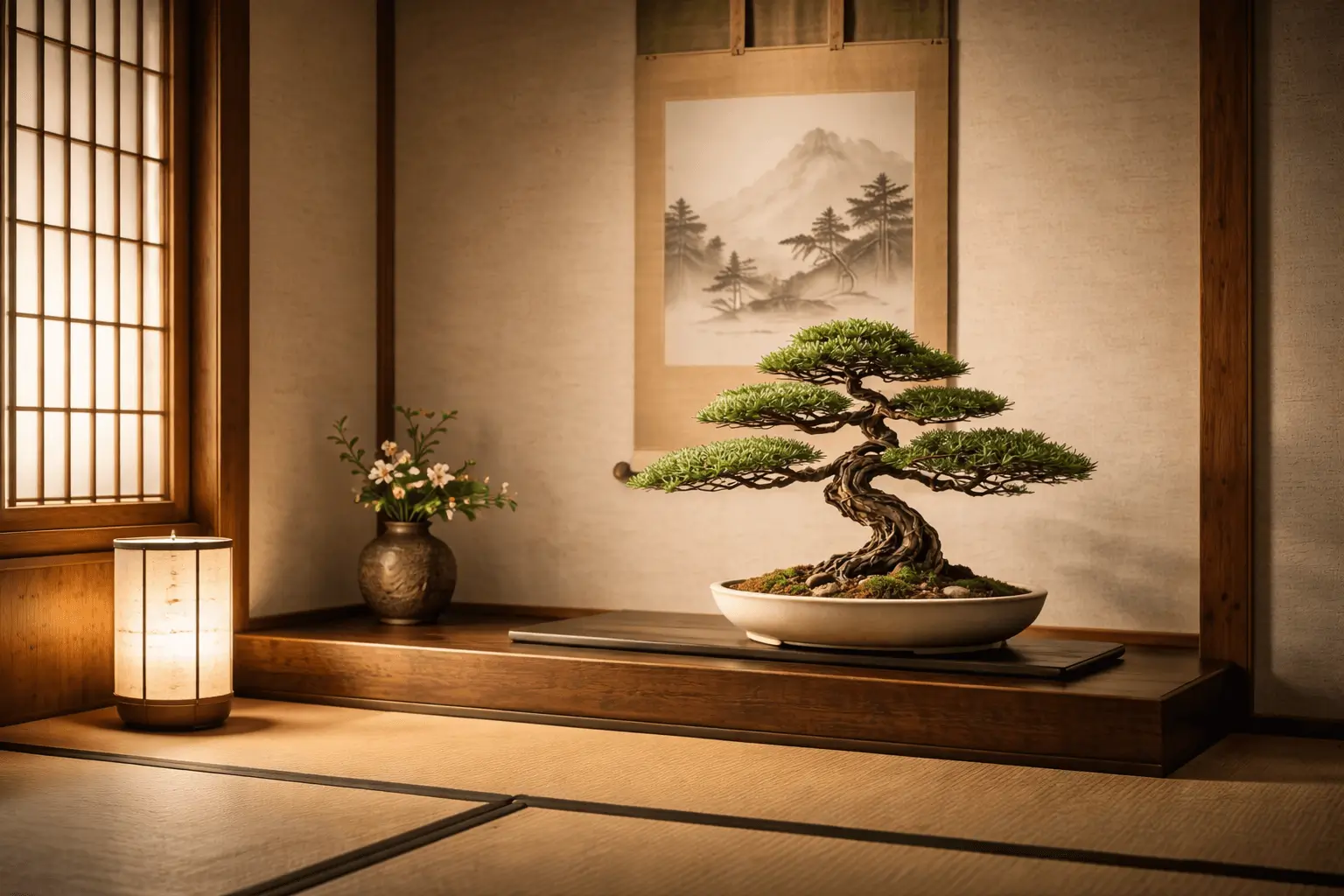
The meaning of bonsai tree as a living art form comes from its role as miniature nature shaped by human intention and time. A bonsai tree is not genetically small; it is carefully trained to reflect the beauty, strength, and age of full-sized trees found in nature. This makes bonsai a visual expression of landscapes, seasons, and natural balance in a compact form.
The bonsai tree purpose centers on intentional growth control. Through precise pruning, wiring, and root management, the tree grows slowly and thoughtfully rather than freely. This controlled development symbolizes patience, discipline, and respect for natural limits. In the Japanese context, the bonsai definition refers to “planted in a container,” emphasizing harmony between the tree, the pot, and the space it occupies rather than domination over nature.
Cultural Importance in Japan
The Japanese bonsai meaning is deeply tied to history, philosophy, and cultural identity. Bonsai practices evolved over centuries and became closely linked to Zen principles, where simplicity, balance, and quiet observation are valued. Bonsai was traditionally cultivated by monks and artists before becoming part of refined Japanese households.
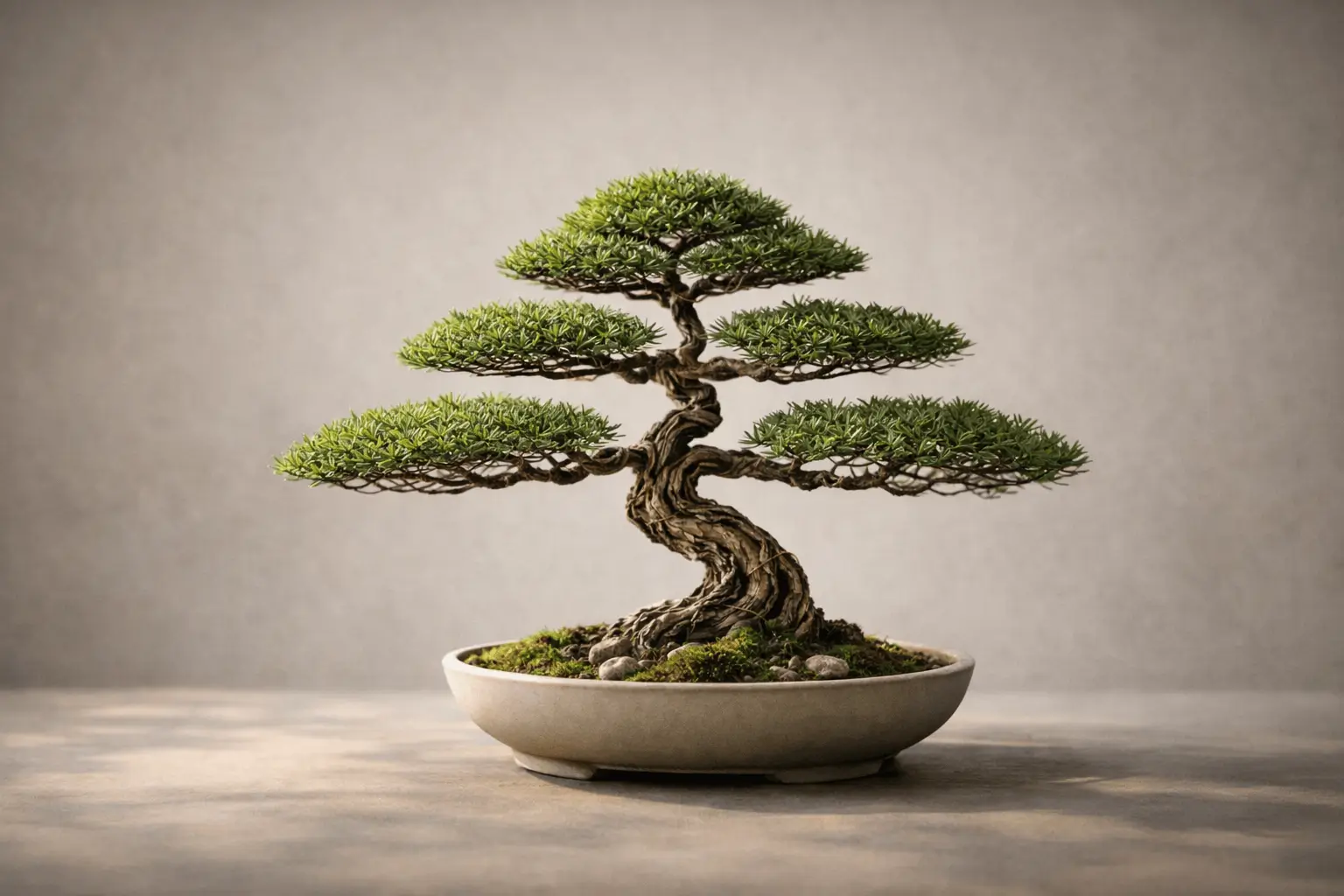
To understand what does bonsai mean in Japanese language, the word combines bon (shallow tray) and sai (planting), reflecting careful cultivation within boundaries. The meaning behind bonsai tree in traditional households goes beyond beauty—it represents stability, longevity, respect for nature, and the passing of wisdom from one generation to the next.
Bonsai Tree Meaning and Symbolism
What Does a Bonsai Tree Represent
The bonsai tree symbolism of balance and harmony comes from the careful relationship between nature and human guidance. Every branch, leaf, and curve is shaped to create visual and emotional equilibrium, reflecting how balance can be achieved through patience and intention rather than force. This harmony mirrors natural landscapes while fitting into a confined space.
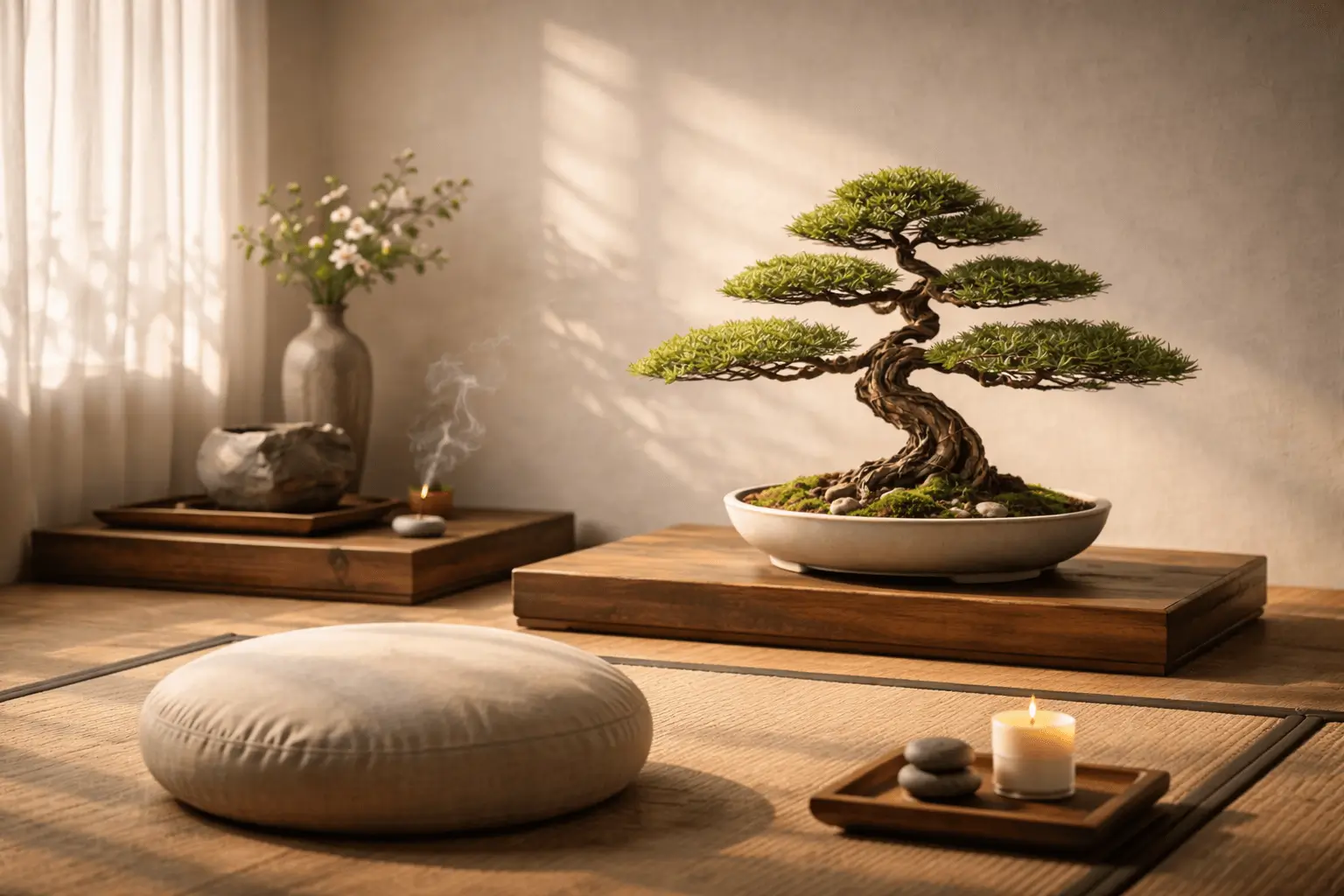
In daily life, what do bonsai trees symbolize is often linked to calmness, focus, and purposeful living. A bonsai tree serves as a reminder that growth does not need to be rushed and that beauty develops through consistency and care. The symbolism of bonsai tree in mindfulness is especially strong, as tending a bonsai encourages presence, attention to detail, and quiet reflection, making it a powerful symbol of inner stability in busy modern routines.
Spiritual Meaning of a Bonsai Tree
The spiritual meaning of a bonsai tree is recognized across many cultures as a symbol of life’s journey shaped by time, effort, and acceptance. Spiritually, bonsai represents the connection between the physical and the emotional, reminding individuals that growth often happens slowly and invisibly before it becomes visible.
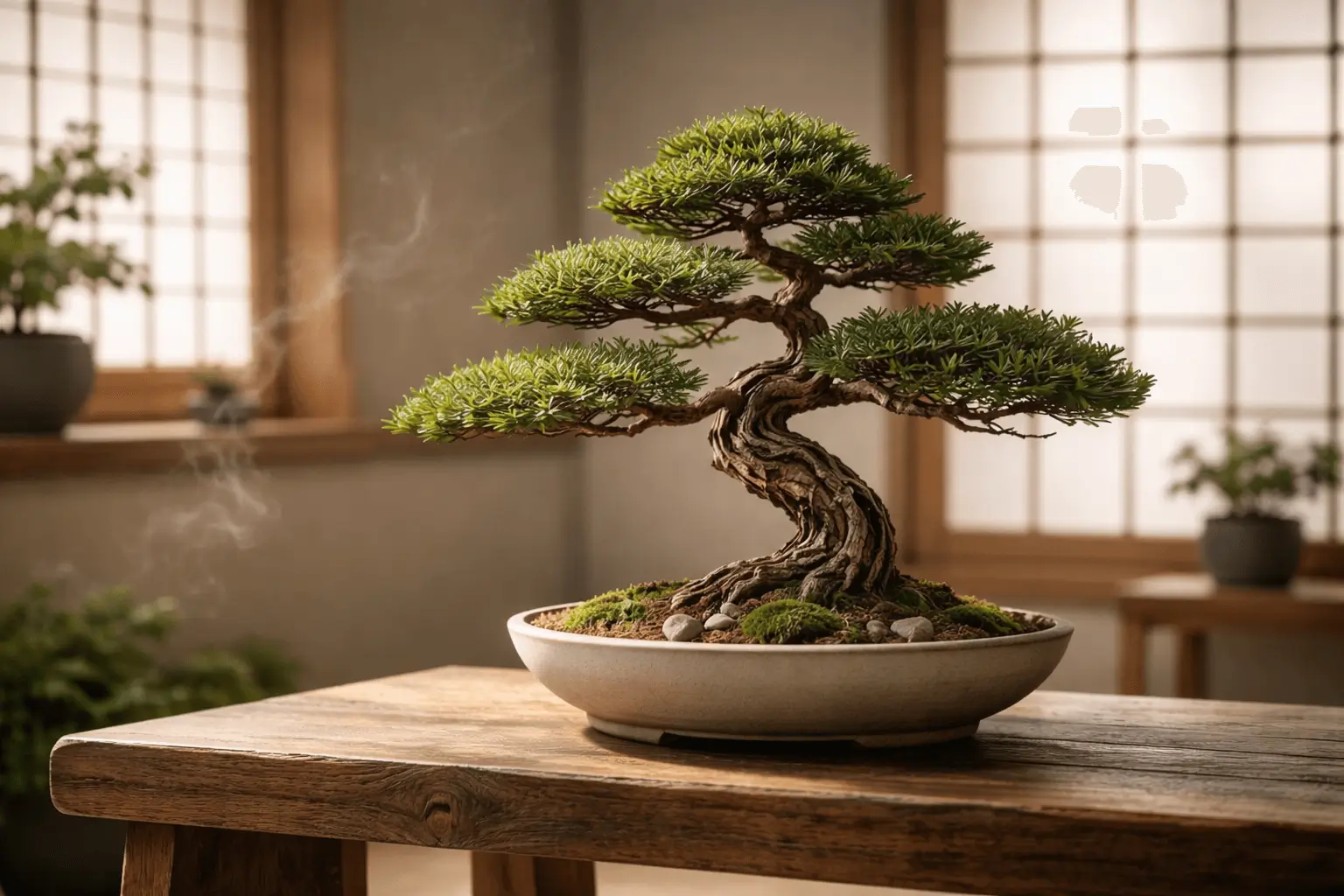
In bonsai meaning Japanese philosophy, values such as patience, impermanence, and humility are central. Bonsai reflects the idea that nothing is permanent and that beauty exists in change and aging. When asking is bonsai tree good luck or bad luck, bonsai is widely considered a symbol of good fortune, peace, and positive energy when cared for properly, rather than a source of negative symbolism.
Bonsai Tree Meaning as a Gift
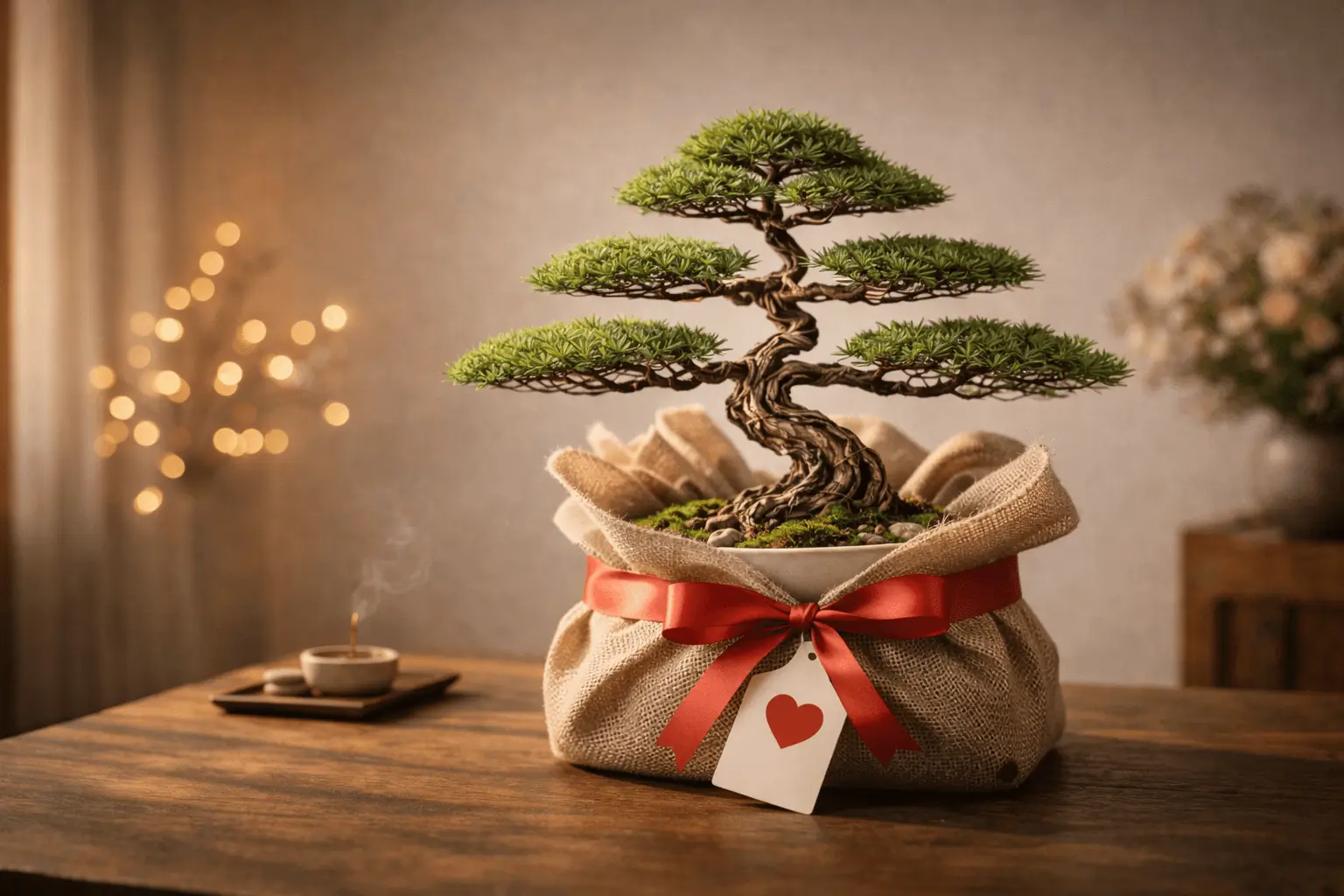
Meaning of a Bonsai Tree as a Gift
The bonsai tree meaning gift in relationships is closely connected to commitment, patience, and care. Gifting a bonsai tree symbolizes a bond that grows stronger over time when nurtured properly. Unlike short-lived gifts, a bonsai represents an ongoing relationship that requires attention, understanding, and mutual effort.
The bonsai tree meaning love and long-term bonds is especially meaningful in romantic and family relationships. It reflects enduring affection, loyalty, and emotional depth rather than instant gratification. A bonsai gift quietly expresses the idea of growing together through different stages of life.
For milestones and celebrations, the gift bonsai tree meaning in special occasions often relates to new beginnings, stability, and personal growth. It is commonly chosen for weddings, anniversaries, housewarmings, retirements, and career achievements because it symbolizes lasting success and thoughtful intention rather than temporary joy.
Bonsai Tree Superstition and Beliefs
Many people ask are bonsai trees bad luck, but this belief is largely a myth. Bonsai trees are not associated with negative energy; confusion often comes from misunderstanding their slow growth or strict care needs. In reality, bonsai symbolizes discipline, balance, and positive focus rather than misfortune.
The bonsai tree meaning in feng shui beliefs is strongly positive when placed correctly. Bonsai is believed to promote harmony, calm energy, and mental clarity, especially in living rooms, offices, or meditation spaces. It represents controlled growth and balanced energy flow rather than restriction.
In gift bonsai tree meaning in Eastern traditions, bonsai is viewed as a respectful and meaningful offering. It represents good intentions, long life, peace, and wisdom. When given with care and understanding, a bonsai tree is considered a thoughtful symbol of goodwill and positive energy rather than superstition or bad luck.
Bonsai Tree in Feng Shui and Energy
Bonsai Tree Feng Shui Meaning
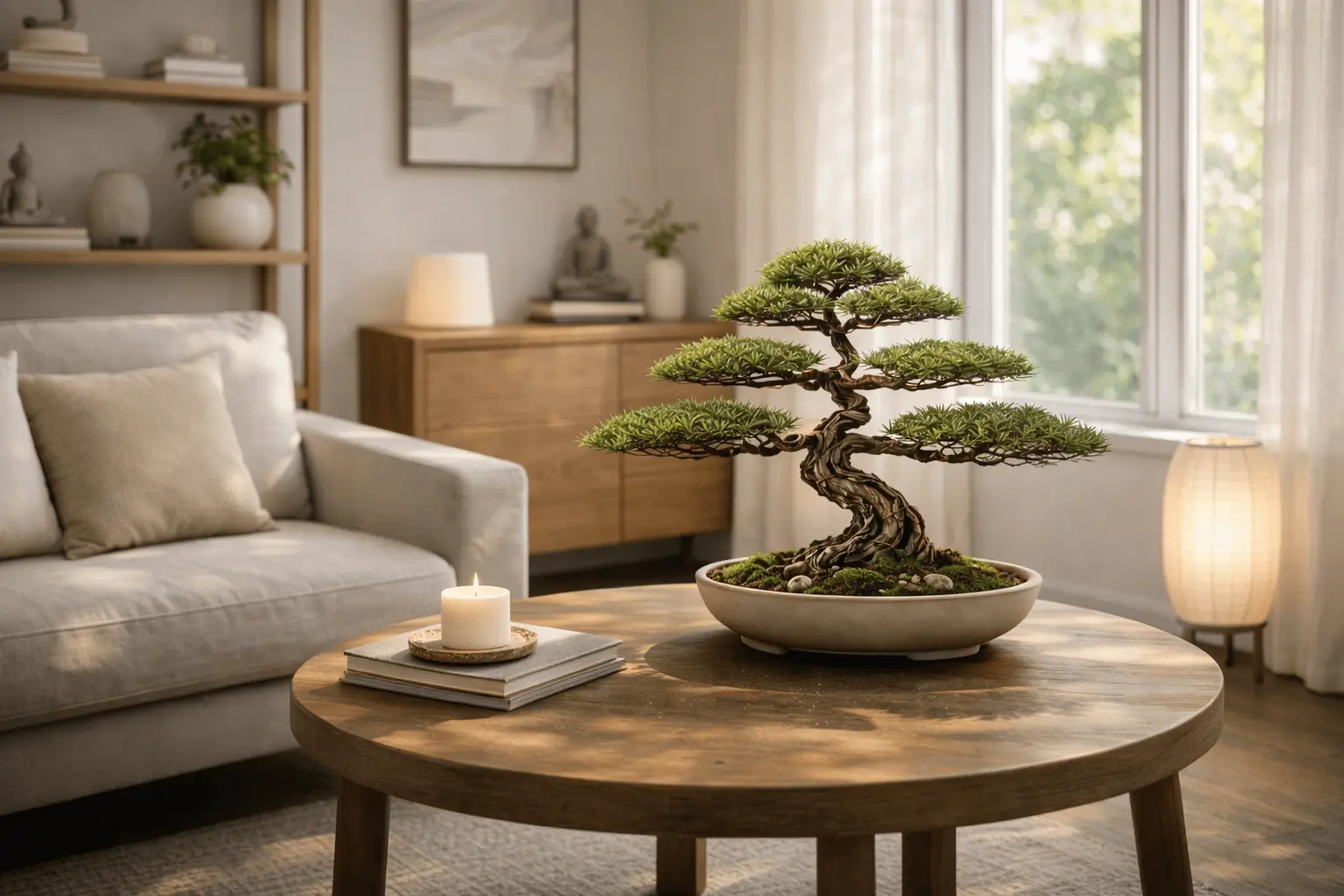
The bonsai tree and feng shui energy flow are connected through the idea of controlled, harmonious movement of life energy. In feng shui, bonsai represents balance between growth and restraint, symbolizing calm, focused energy rather than chaotic expansion. When maintained properly, a bonsai tree is believed to encourage steady progress, emotional stability, and mental clarity within a space.
Understanding feng shui where to place bonsai is important for maintaining positive energy. Bonsai trees are best placed in areas associated with growth, wisdom, and creativity, such as living rooms, home offices, or study areas. Avoid placing bonsai in cramped, dark, or neglected corners, as this can disrupt the intended flow of balanced energy.
The bonsai tree meaning in feng shui for home and office focuses on intention and care. In homes, bonsai promotes peace, mindfulness, and harmonious relationships. In offices, it symbolizes discipline, focus, and long-term success. A healthy, well-maintained bonsai supports positive energy, while neglecting it can weaken its symbolic influence.
Bonsai Tree Types and Their Meanings
Bonsai Tree Types and Meanings
A clear bonsai tree types and meanings overview helps explain why different bonsai varieties carry distinct symbolism. While all bonsai share core meanings of patience, balance, and intentional growth, the type of tree influences the deeper message it represents. The choice of species often reflects personal values, emotional intentions, or spiritual beliefs.
Deciduous, coniferous, tropical bonsai symbolism varies based on natural growth patterns. Deciduous bonsai, which lose their leaves seasonally, symbolize change, renewal, and acceptance of life’s cycles. Coniferous bonsai, remaining green year-round, represent endurance, strength, longevity, and resilience through hardship. Tropical bonsai are associated with vitality, adaptability, warmth, and continuous growth, making them popular for indoor spaces and modern lifestyles.
The Ficus ginseng spiritual meaning and benefits are especially significant. This bonsai type symbolizes stability, abundance, and inner strength due to its thick, exposed roots and balanced canopy. Spiritually, Ficus ginseng is believed to promote grounding energy, emotional security, and positive focus. Its resilience and ease of care also make it a symbol of harmony between nature and everyday life, reinforcing bonsai’s role as both meaningful and accessible.
What Are Bonsai Trees Used For Today
Modern Purpose of Bonsai Trees
Understanding what are bonsai trees used for in today’s world shows how their meaning has evolved beyond tradition while still preserving symbolic depth. In modern homes, bonsai trees are valued for their ability to bring nature into small spaces while adding a sense of calm and intention. They are commonly used as living décor that reflects personal style, mindfulness, and appreciation for slow, meaningful growth rather than instant results.
The role of bonsai trees as meditation and stress relief is increasingly recognized. Caring for a bonsai requires focus, patience, and gentle attention, which naturally encourages mindfulness and mental relaxation. The quiet routine of pruning, shaping, and observing growth helps reduce stress, improve concentration, and create moments of emotional balance in daily life.
The memorial bonsai tree meaning holds deep emotional significance. Bonsai trees are often planted or gifted to honor loved ones, symbolizing remembrance, continuity, and enduring connection. Their long lifespan and ongoing care reflect the idea that memories and bonds continue to grow, making bonsai a meaningful tribute in times of reflection and healing.
Bonsai Tree Tattoos and Symbolism
Bonsai Tree Tattoo Meaning
The bonsai tree tattoo symbolism represents patience, resilience, and intentional growth. Unlike large tree tattoos that emphasize strength alone, a bonsai tattoo highlights control, discipline, and the idea that growth is shaped through care and time. It often reflects a personal journey where challenges, limitations, or boundaries have been transformed into balance and purpose.
A simple bonsai tree tattoo meaning is usually connected to minimalism, inner peace, and mindfulness. Clean lines or small bonsai designs symbolize clarity, calm thinking, and appreciation for life’s quiet moments. People choose simple bonsai tattoos to express emotional maturity, self-control, and the belief that beauty does not require excess or complexity.
The Japanese bonsai tree tattoo cultural context adds deeper philosophical meaning. In Japanese symbolism, bonsai tattoos reflect harmony with nature, acceptance of impermanence, and respect for tradition. They are often associated with Zen values such as patience, humility, and awareness of time. Within this cultural context, a bonsai tattoo is not just body art but a symbolic reminder of balance, personal discipline, and lifelong growth.
Common Misconceptions About Bonsai
Meaning of Bonsai vs Banzai
The bonsai meaning vs banzai meaning explained helps clear up one of the most common misunderstandings. Bonsai refers to the art of cultivating miniature trees in containers, focusing on balance, patience, and intentional growth. Banzai, on the other hand, has no connection to plants or bonsai culture and carries a completely different meaning.
To understand what does banzai mean in Japanese, the word is an expression meaning “ten thousand years” and is commonly used as a celebratory or rallying chant to wish long life, victory, or success. It is often shouted during celebrations or historical events and has cultural significance related to enthusiasm and encouragement rather than nature or gardening.
The reason why bonsai meaning is often confused is largely due to phonetic similarity between the two words for non-Japanese speakers. However, their meanings, cultural roles, and contexts are entirely separate. Bonsai represents calm, discipline, and harmony with nature, while banzai expresses excitement, celebration, and collective spirit.
Conclusion
The meaning behind bonsai tree in modern life reflects a balance between tradition and contemporary values. Bonsai continues to symbolize intentional living, patience, and respect for natural growth in a world that often prioritizes speed and excess. Its presence encourages calm, focus, and appreciation for gradual progress rather than instant results.
The emotional, spiritual, and cultural value of bonsai lies in its ability to connect people with nature on a deeper level. Emotionally, it represents care, commitment, and reflection. Spiritually, it embodies mindfulness, impermanence, and inner harmony. Culturally, bonsai preserves centuries of Japanese philosophy and artistic expression while remaining relevant across global lifestyles.
In final reflection on what is the significance of a bonsai tree, it is far more than a decorative plant. Bonsai is a living symbol of balance, resilience, and meaningful growth, offering timeless lessons that remain deeply relevant in both traditional and modern life.
Read Also: 5+ Powerful Bromeliad Benefits for Health, Home & Energy
FAQs
What is the significance of a bonsai tree in Japanese culture?
The significance of a bonsai tree in Japanese culture lies in its connection to patience, discipline, and harmony with nature. Bonsai represents a living art form shaped over time, reflecting Zen philosophy, respect for impermanence, and appreciation for simplicity. It is valued as both a cultural tradition and a symbol of balanced living.
What does a bonsai tree symbolize spiritually?
Spiritually, a bonsai tree symbolizes mindfulness, inner peace, and personal growth. It represents the idea that life develops slowly through care and intention. Bonsai also reflects acceptance of change, humility, and the balance between control and natural flow.
Is a bonsai tree a good gift?
Yes, a bonsai tree is considered a meaningful and thoughtful gift. It symbolizes long-term commitment, patience, and enduring relationships. Bonsai gifts are commonly associated with love, respect, personal growth, and positive intentions, making them suitable for special occasions and milestones.
Are bonsai trees good luck or bad luck?
Bonsai trees are widely regarded as symbols of good luck rather than bad luck. They are associated with harmony, peace, and positive energy, especially when well cared for. Negative beliefs usually come from myths or misunderstandings, not cultural tradition.
What does bonsai mean in Japanese?
In Japanese, bonsai means “planted in a container.” The word combines bon (shallow tray) and sai (planting). The meaning emphasizes harmony, balance, and intentional cultivation rather than restricting growth.
What is the purpose of a bonsai tree?
The purpose of a bonsai tree is to express natural beauty, balance, and patience through controlled growth. Beyond decoration, bonsai is used for mindfulness, stress relief, artistic expression, and symbolic representation of life’s journey shaped by time and care.

Written by the LeafyHeaven Editorial Team
LeafyHeaven shares practical gardening tips and simple plant care guides to help you grow, nurture, and enjoy your plants with ease. Our goal is to make gardening feel natural, approachable, and rewarding for everyone.