
When I first started comparing avocado varieties for my own yard, I quickly realized how important it is to understand the real differences in the debate of Florida avocado vs California avocado. While both produce creamy, delicious fruit we all love, their growth habits, climate adaptability, texture, and flavor can vary significantly.
Like many tropical fruit trees, avocado varieties respond differently depending on heat, humidity, and soil drainage — which makes selecting the right type especially important for Florida gardeners.
From my experience, both types can thrive beautifully, yet they feature subtle differences in texture, flavor, and resilience that make them interesting to compare when deciding which one truly fits your garden and taste.
Florida Avocado (Florida-Type Varieties)
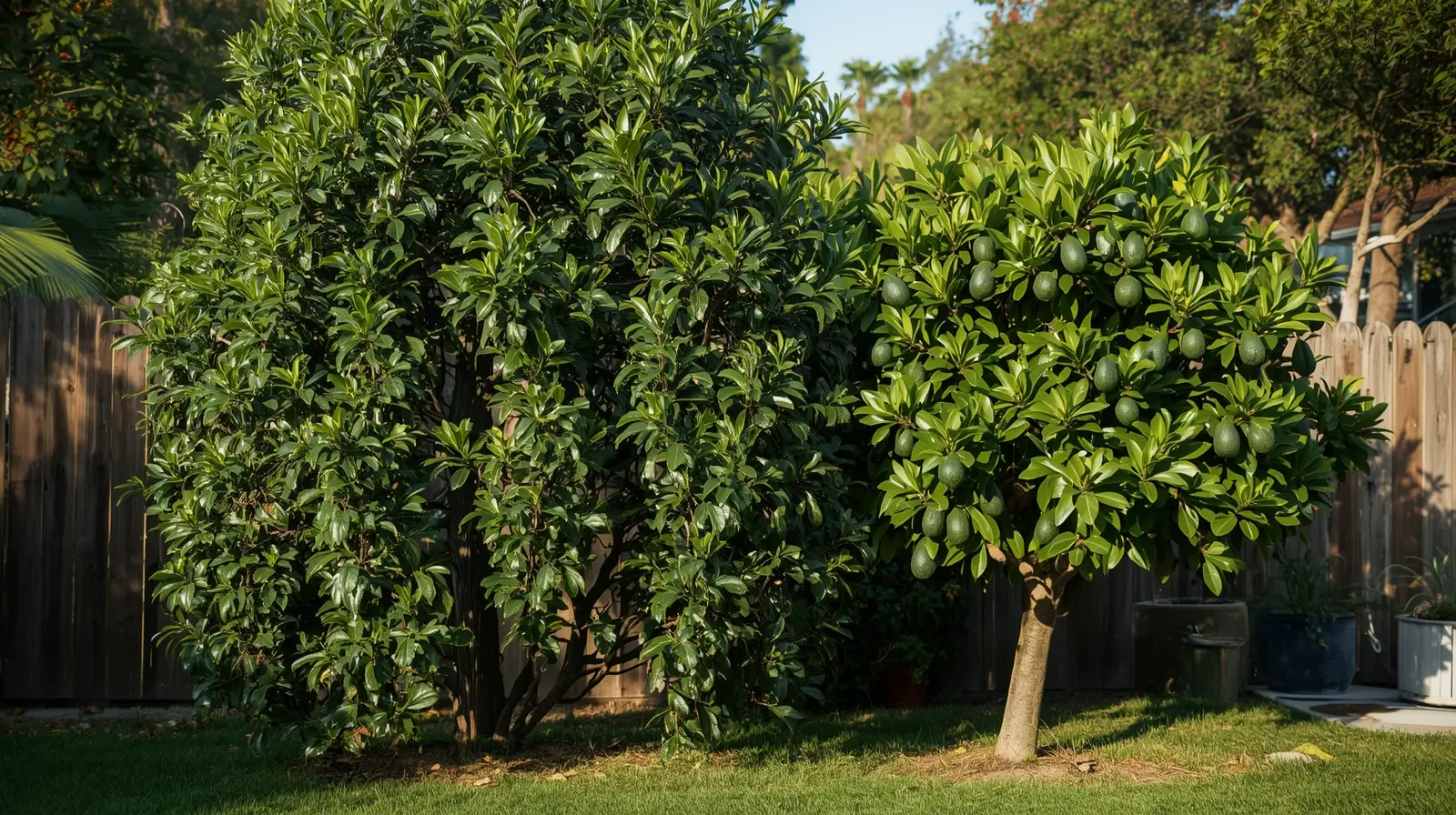
Florida avocados are typically smooth green-skinned varieties grown in humid, subtropical climates.
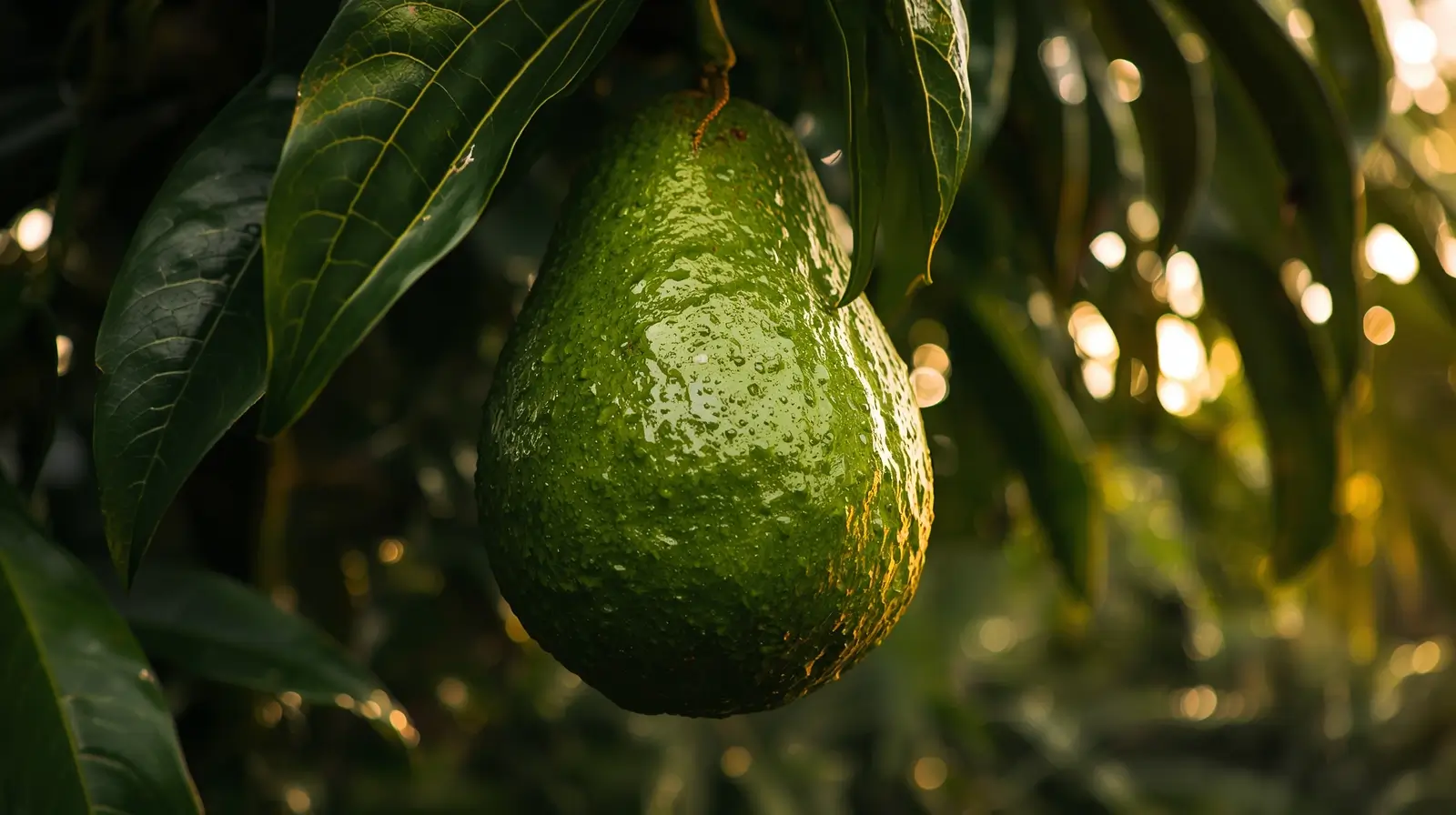
Size: Florida avocado trees often grow larger and produce jumbo fruits that can weigh up to 1–2 pounds.
Skin: The skin remains smooth and green even when ripe, making it slightly harder to judge ripeness visually compared to Hass.
Flavor & Texture: Florida avocados are milder, lighter, and less buttery, with slightly lower oil content. They are great for salads and fresh slicing.
Climate Resilience: They thrive in Florida’s heat and humidity and generally show better tolerance to tropical conditions.
Temperature Tolerance: Florida varieties handle warm temperatures and humidity better, making them more dependable in South Florida landscapes.
California Hass:
The California Hass avocado is the most commercially recognized variety worldwide.
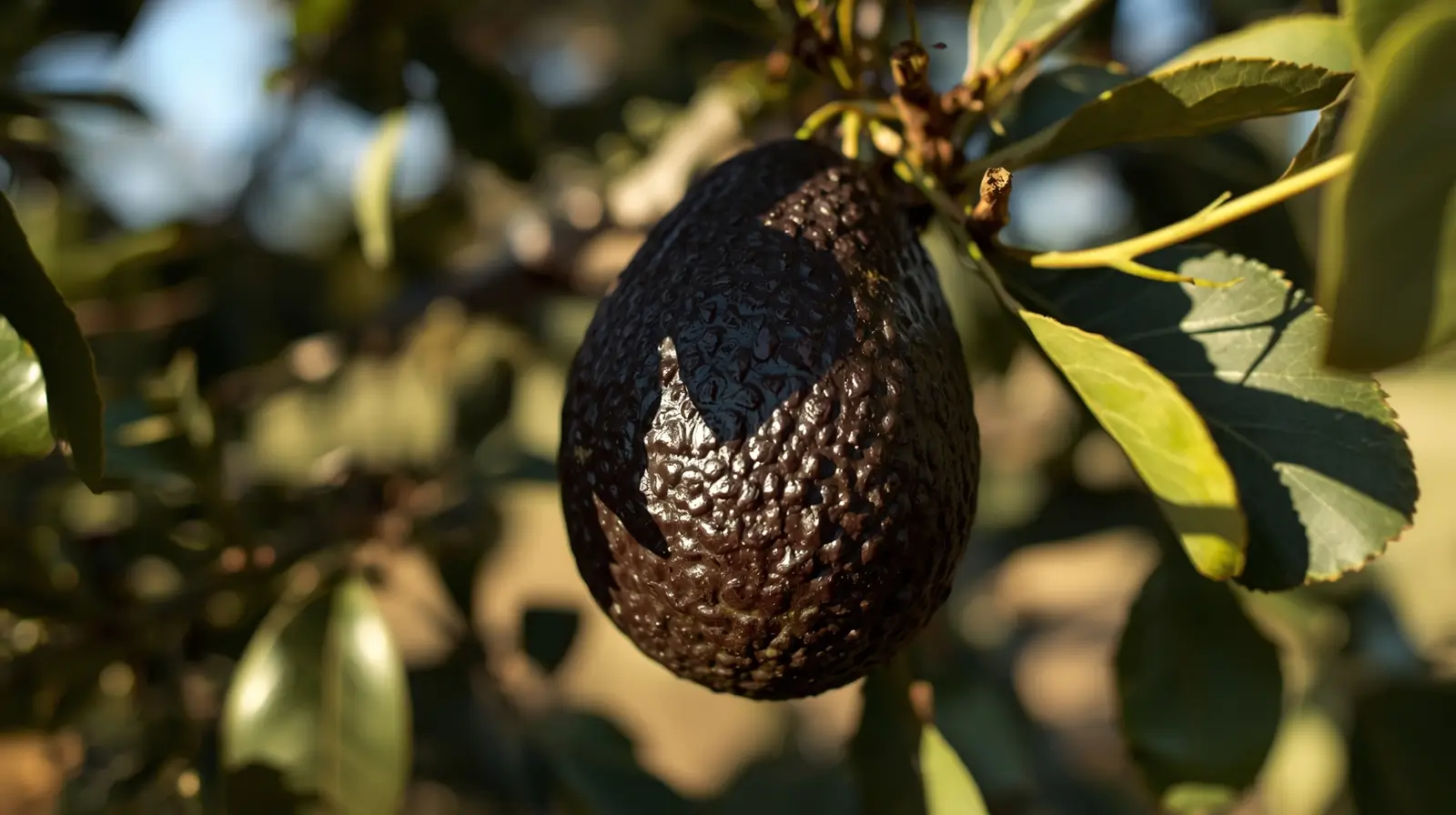
Size: Trees are more compact and fruits typically average around 8–12 ounces, making them easier to manage in smaller yards. If you are working with limited space, growing dwarf avocado trees can be an excellent alternative.
Skin: The pebbly skin turns dark purple-black when ripe, which makes ripeness easy to identify.
Flavor & Texture: Hass avocados are richer and noticeably more buttery due to their higher oil content — perfect for guacamole and spreads.
Humidity Sensitivity: In Florida’s humid climate, Hass may require more attention for pest and fungal management.
Temperature Preference: Hass prefers slightly cooler, drier conditions compared to traditional Florida varieties.
So, who wins in Florida’s heat?
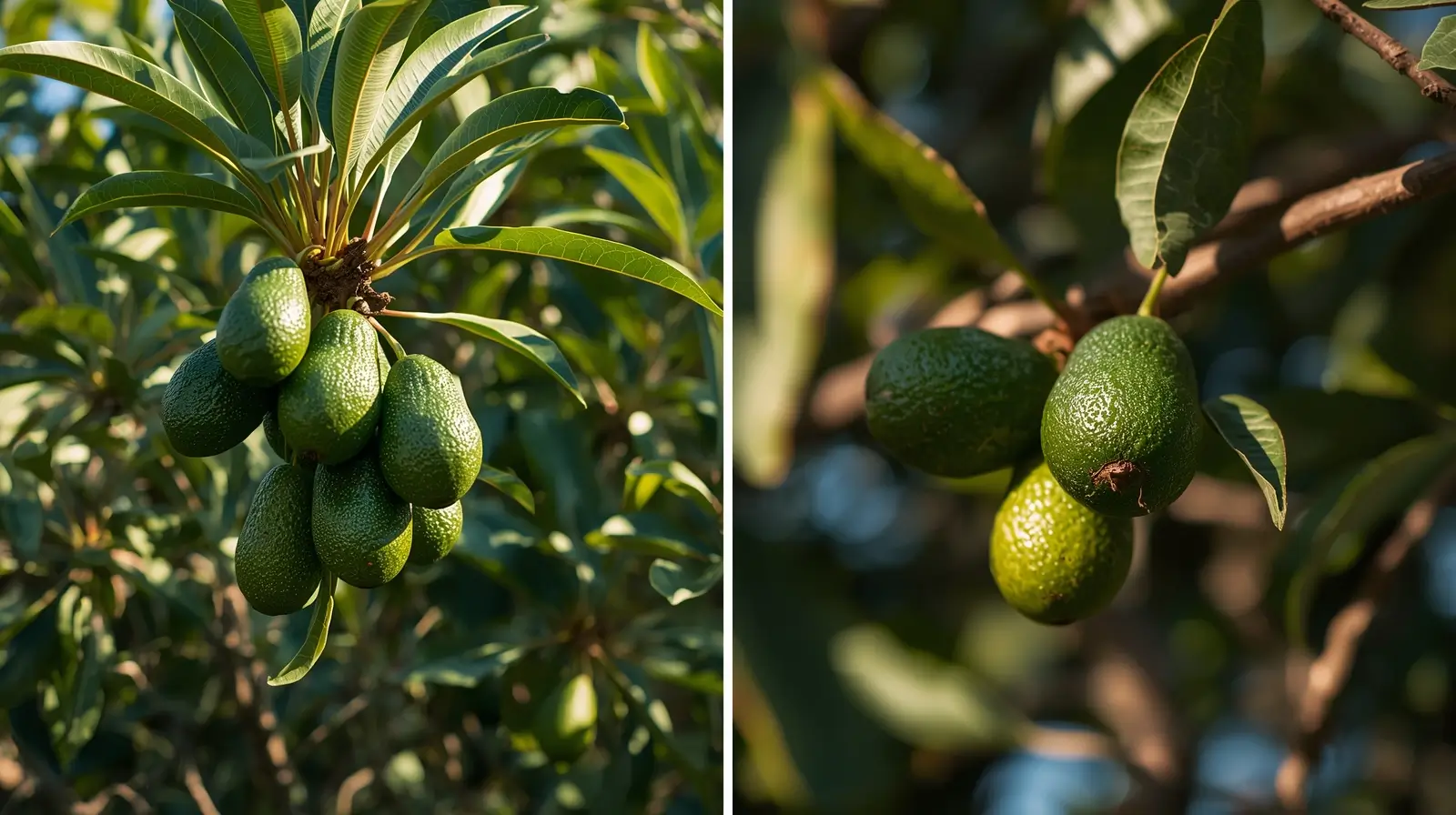
For consistently warm, humid Florida conditions, Florida-type avocados generally perform more reliably. They tolerate high humidity better and often require less intervention compared to Hass varieties.
However, if flavor richness is your priority and you’re willing to provide slightly more care, Hass can still be grown successfully in certain Florida microclimates.
Beyond the Basics: Important Growing Factors
When growing avocado trees, several additional factors influence success:
Planting Space
Allow adequate room for canopy expansion and root spread.
Pollination
Avocados benefit from cross-pollination between Type A and Type B flowering varieties for improved fruit set.
Maintenance
Florida varieties typically require slightly less maintenance in humid climates, though all avocados benefit from consistent watering and proper fertilization.
For research-based recommendations on Florida avocado varieties, spacing, fertilization, and pollination, refer to the University of Florida IFAS Avocado Growing Guide.
This guide provides Florida-specific recommendations backed by horticultural research.
Conclusion
Choosing between Florida avocado vs California avocado depends largely on your climate, taste preference, and maintenance expectations.
-
Florida avocados offer heat resilience and larger fruit.
-
California Hass provides a richer, creamier flavor profile.
-
Garden space and humidity tolerance should guide your decision.
By understanding these key differences and matching them to your growing conditions, you can enjoy fresh, delicious avocados right from your backyard.
FAQs
In many cases, yes. Planting both Type A and Type B varieties improves cross-pollination and fruit yield.
California Hass generally has a richer and more buttery taste.
Florida-type avocados are typically more humidity-tolerant and require less intervention.
Standard trees need ample room for canopy growth. Compact or dwarf varieties require less space.
Yes — especially dwarf varieties, as long as drainage and fertilization are managed properly. Do I need two avocado trees for fruit production?
Which avocado tastes richer?
Which variety is easier in Florida?
How much space does an avocado tree need?
Can I grow avocados in containers?

Written by the LeafyHeaven Editorial Team
LeafyHeaven shares practical gardening tips and simple plant care guides to help you grow, nurture, and enjoy your plants with ease. Our goal is to make gardening feel natural, approachable, and rewarding for everyone.