
🌱 Introduction – Why Proper Gardening & Plant Care Matters
Gardening is the practice of nurturing life through careful soil preparation, proper watering, balanced fertilization, pruning, and seasonal plant management. Whether you are growing indoor plants, balcony herbs, flowering shrubs, or tropical fruit trees, mastering plant care fundamentals ensures long term success.
A thriving garden does not depend on luck. It depends on understanding your environment, supporting soil health, adjusting watering routines, and preventing common plant problems before they spread. Gardeners in climates like the United States and Australia must also adapt to temperature variations, humidity levels, and seasonal changes to maintain strong plant growth.
This complete gardening and plant care guide explains everything you need to know from beginner basics to advanced techniques so you can grow healthy plants confidently in any setting.
What Is Gardening and Plant Care
Gardening and plant care involve understanding soil structure, watering frequency, pruning techniques, fertilization schedules, pest control strategies, and seasonal adjustments that help plants grow strong and productive throughout the year.
When these elements work together correctly, plants develop:
-
Strong root systems
-
Healthy leaf growth
-
Improved flowering and fruiting
-
Natural resistance to pests and diseases
-
Longer life span
Quick Gardening Checklist
Use this table as a simple reference before planting.
| Gardening Factor | Key Focus |
|---|---|
| Soil Health | Nutrient rich and well drained |
| Watering | Deep watering without overwatering |
| Sunlight | Match plant light requirements |
| Pruning | Improve airflow and structure |
| Fertilization | Balanced seasonal nutrients |
| Pest Control | Preventive organic methods |
| Seasonal Care | Climate based adjustments |
🌿 For a deeper look into fruit-growing techniques, explore “Tropical Fruit Trees: The Ultimate Guide to Growing Exotic Fruits at Home.”
🌿 Understanding Your Garden Environment
Every successful garden begins with environmental awareness.
Climate and Hardiness Zones
In the United States, USDA Hardiness Zones help determine which plants survive winter temperatures. Tropical and subtropical plants perform best in zones 9 to 11. States like Florida, Texas, and parts of California provide ideal conditions for mango, banana, citrus, and soursop.
In Australia, climate varies from tropical Queensland to temperate Victoria and cooler Tasmania. Understanding frost risk and summer heat intensity is essential when selecting plants.
Choosing plants suited to your climate reduces maintenance and increases success rates.
Sunlight Requirements
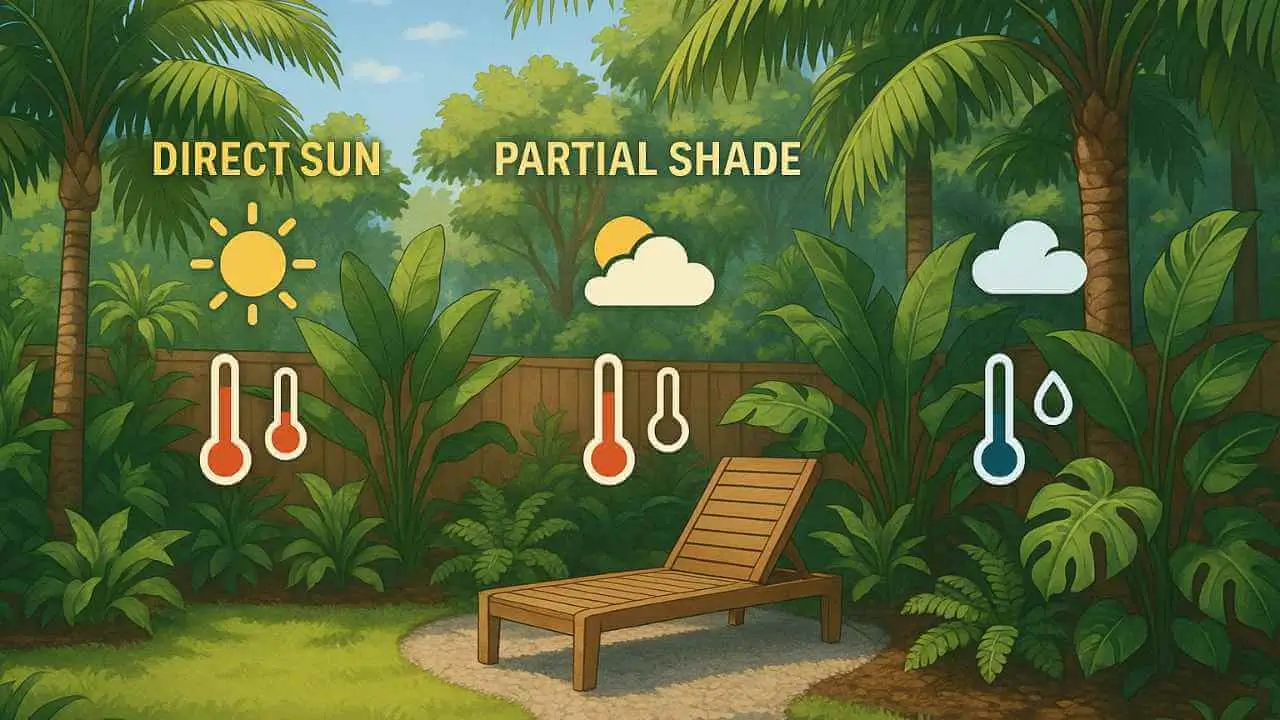
Most fruiting plants require six to eight hours of direct sunlight daily. Herbs and leafy vegetables also prefer full sun. Shade tolerant plants such as ferns and some ornamentals perform better in filtered light.
Incorrect plant placement is one of the most common gardening mistakes.
Temperature and Humidity
Most plants thrive between 18 and 35 degrees Celsius. Low humidity can cause leaf browning while excessive humidity encourages fungal growth. Using mulch and proper spacing helps regulate soil moisture and airflow.
🌿 For more insights on growing tropical species in warm climates, explore “7 Secrets to Growing Eucalyptus in Florida Fast.”
🌱 Soil Health – The Foundation of Every Garden
Healthy soil supports every aspect of plant development.
Ideal Soil Composition
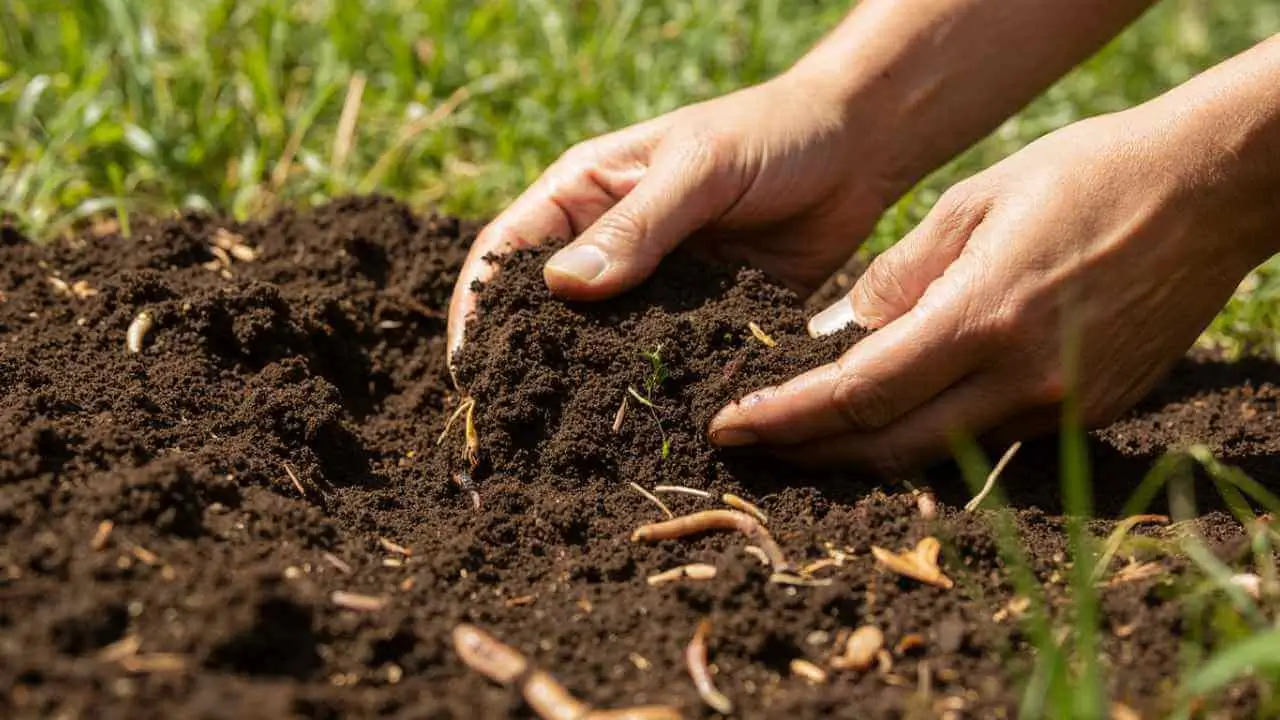
The best soil for most plants is loamy. Loamy soil contains balanced sand, silt, and clay, allowing proper drainage while retaining nutrients. Adding compost improves microbial activity and nutrient availability.
Improving Poor Soil
If your soil is compacted or nutrient deficient:
-
Add organic compost
-
Incorporate aged manure
-
Mix in sand for drainage
-
Use mulch to maintain moisture
Soil pH Balance
Most plants grow best between pH 6.0 and 7.0. Testing soil annually ensures nutrient absorption remains efficient. Lime raises pH while organic matter helps balance overly alkaline soil.
Strong soil leads to stronger roots and healthier growth.
🌿 For more on protecting your plants from soil-borne issues, explore “Pest and Disease Management.”
🌿 Also see practical soil care advice in “7 Proven Tips for Perfect Tamarind Plant Care.”
💧Watering Techniques for Healthy Growth
Water management is critical for plant survival.
Deep Watering
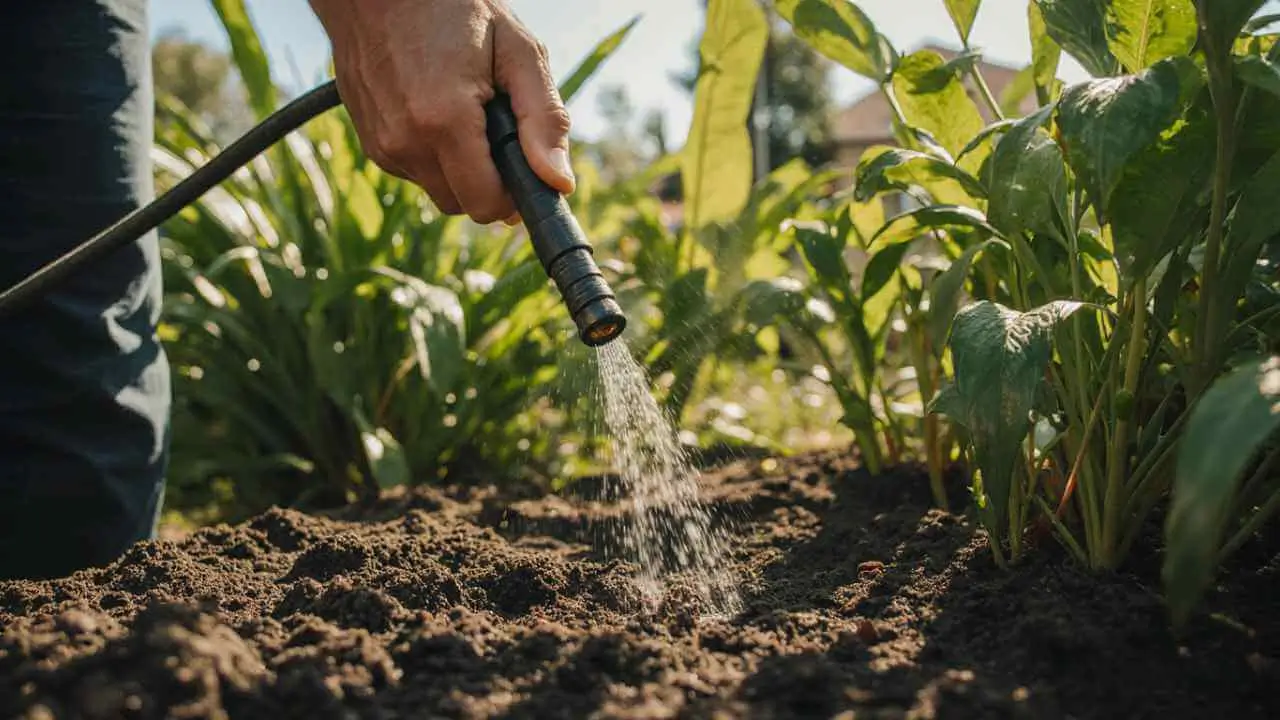
Deep watering encourages roots to grow downward. Shallow watering leads to weak surface roots. Apply water slowly so it penetrates the root zone.
How Often to Water
General guideline:
-
Tropical plants need watering two to three times weekly.
-
Drought tolerant plants require less frequent watering once established.
-
Container plants dry faster and need more frequent checks.
Always test soil moisture before watering.
Signs of Overwatering
-
Yellowing leaves
-
Soft stems
-
Fungal growth
-
Root rot
Signs of Underwatering
-
Wilting
-
Dry soil
-
Brown leaf edges
Consistency is more important than volume.
🌿 Learn detailed watering and care tips in “5+ Secrets to Growing a Thriving Mango Tree in Florida.”
🌿 Also explore tropical plant moisture care in “Growing a Banana Plant at Home.”
🌾 Fertilization & Nutrient Management
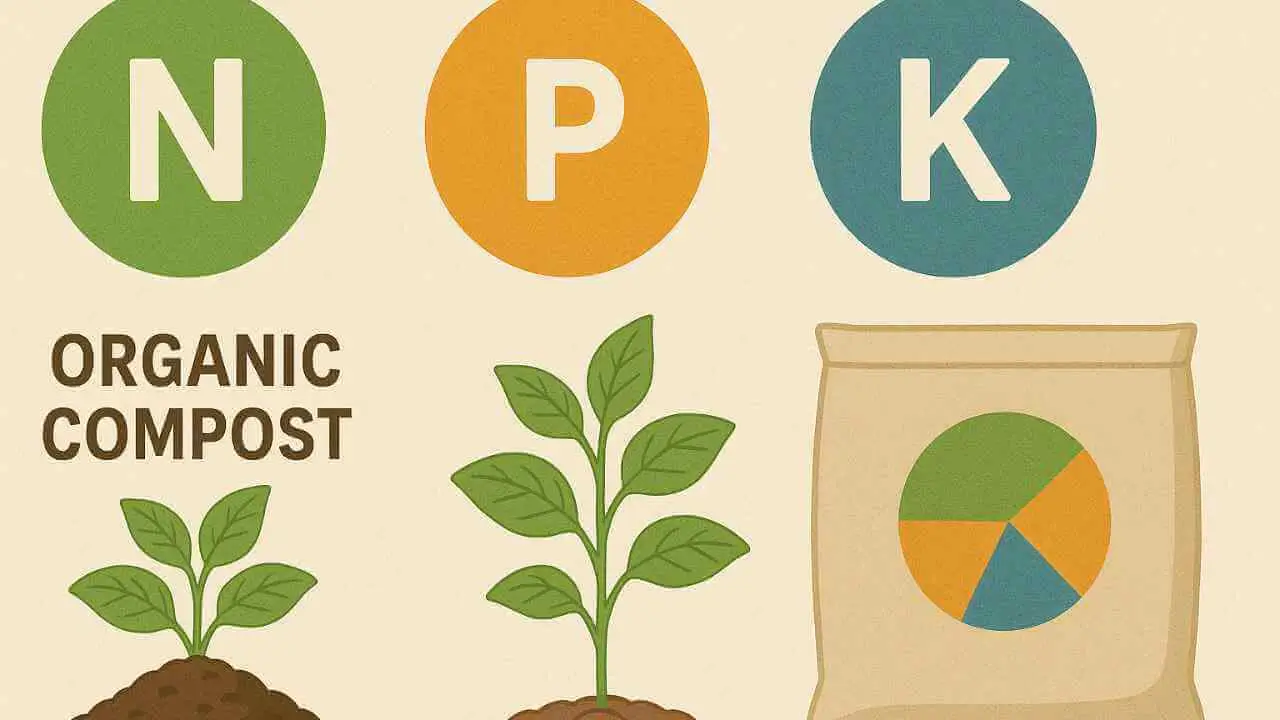
Plants require three major nutrients known as NPK.
Nitrogen supports leafy growth.
Phosphorus strengthens roots and flowers.
Potassium improves fruit production and plant resilience.
Organic Fertilizers
Compost, manure, and bone meal improve long term soil health and structure.
Synthetic Fertilizers
These provide quick nutrient boosts but must be used carefully to prevent salt buildup.
Seasonal Feeding Schedule
Spring requires nitrogen support for new growth.
Summer feeding should support flowering and fruiting.
Fall strengthens roots.
Winter feeding is minimal for most plants.
Balanced nutrition improves productivity and disease resistance.
🌿 For targeted nutrient solutions, explore “3+ Best Banana Plant Fertilizers for Faster Growth.”
🌿 If your plants show weak growth or poor fruiting, see “Troubleshoot Common Fruiting Issues.
Pruning and Plant Maintenance
Pruning shapes plants and improves airflow.
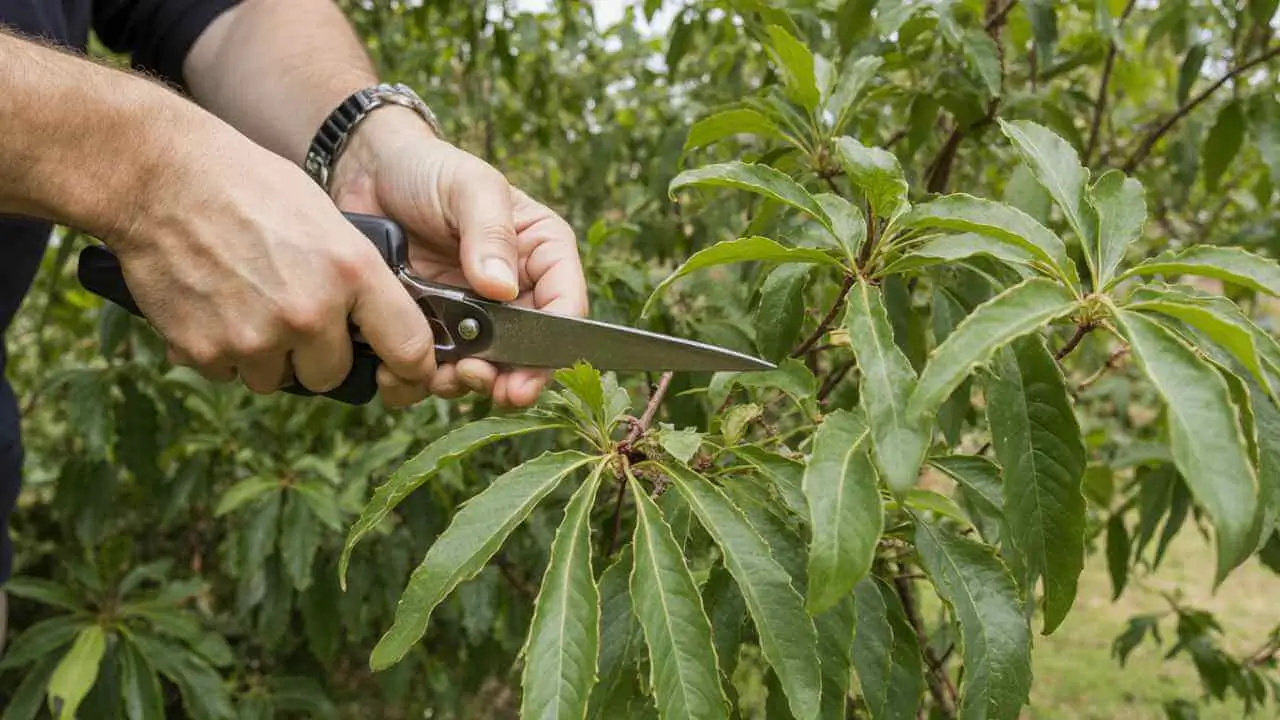
Fruit trees benefit from pruning in late winter or early spring before new growth begins. Flowering plants respond well to light pruning after blooming. Herbs should be trimmed regularly to prevent leggy growth.
Clean tools prevent disease spread. Regular pruning increases light penetration and improves fruit yield.
🌿 Learn detailed pruning techniques in “7 Proven Tips for Perfect Tamarind Plant Care.”
🌿 Also explore pest-safe trimming advice in “Tree Insect Management.”
🐞 Natural Pest & Disease Management
Prevention is more effective than treatment.
Common pests include aphids, mealybugs, and fruit flies. Early inspection prevents infestations from spreading.
Organic Solutions
Neem oil deters many insects.
Soap sprays remove soft bodied pests.
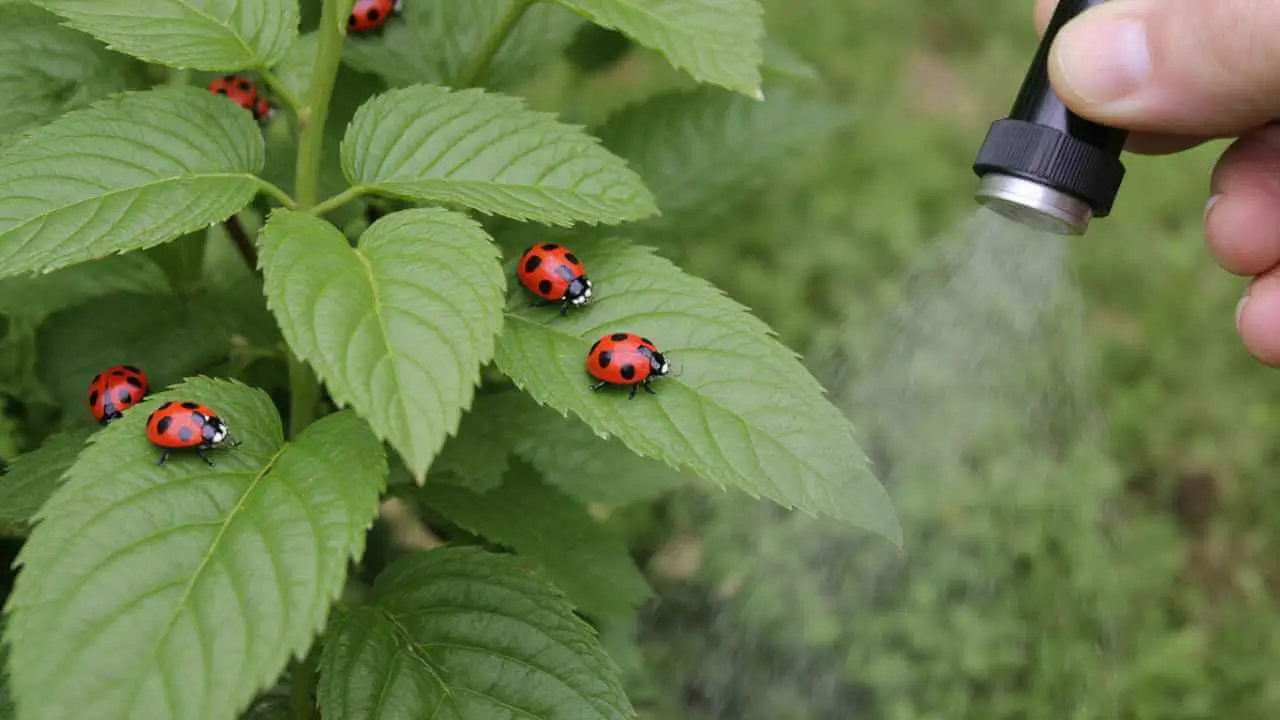
Beneficial insects like ladybugs maintain balance.
Healthy soil and correct watering significantly reduce disease risk.
🌿 Learn in-depth pest prevention strategies from “Pest and Disease Management.”
🌿 Explore advanced care for pest resistance in “Tree Insect Management.”
🌿 See how proper care techniques protect fruit trees in “7 Secrets to Growing Cashew Trees in Florida.”
🪴 Container Gardening for Small Spaces
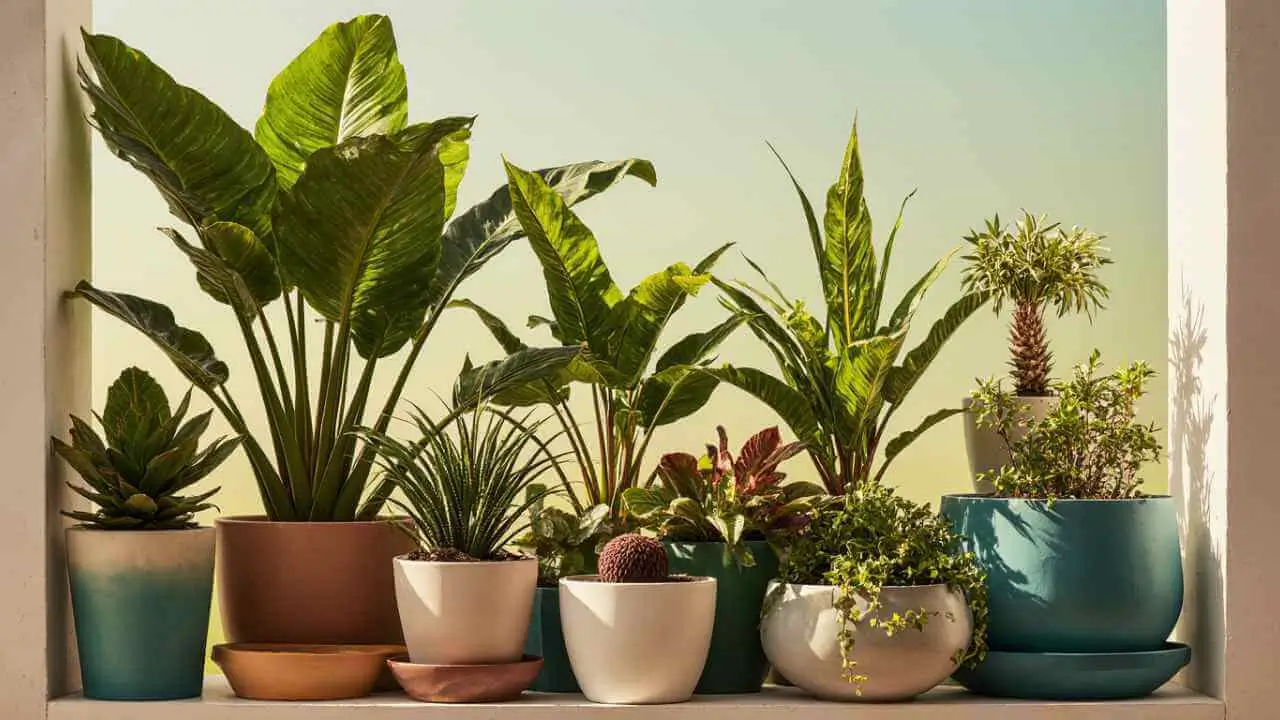
Container gardening is ideal for apartments, patios, and balconies.
Choose pots with drainage holes. Use well draining soil mixed with compost and perlite. Monitor moisture levels carefully because containers dry faster than ground soil.
Compact tropical plants such as dwarf banana, herbs, and medicinal plants grow successfully in containers when provided sufficient sunlight.
🌿 Learn more about growing aromatic herbs in pots in “7 Fascinating Benefits of the Ruda Plant You Must Know.”
🌿 Discover how tropical foliage adds wellness benefits in “7 Amazing Dried Soursop Leaves Benefits for Health.”
🌼 Seasonal Gardening Calendar
A well-planned gardening schedule keeps your plants thriving all year round. Each season offers its own rhythm of growth, care, and renewal — and understanding these cycles ensures continuous success in your garden.
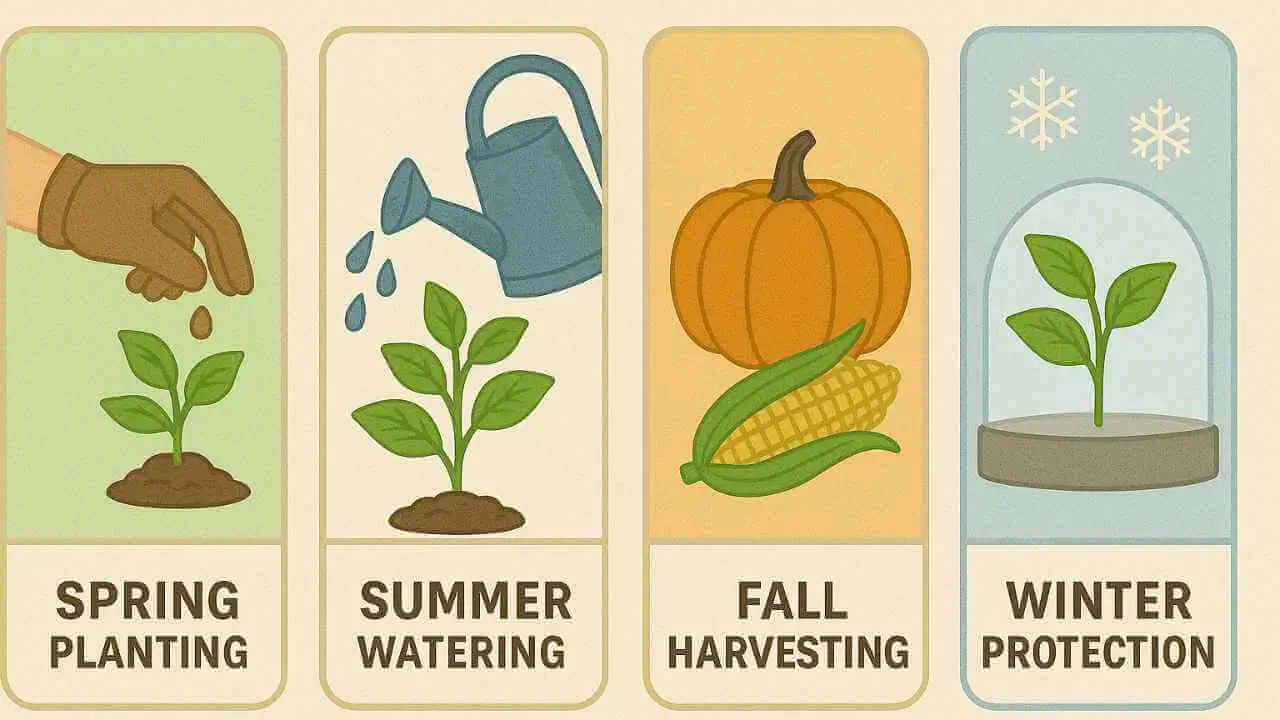
🌸 Spring – Preparation & Planting
This is the season of new beginnings. Start by loosening the soil, adding compost, and pruning old branches. It’s the perfect time to plant new fruit trees, herbs, and flowering plants as temperatures rise.
☀️ Summer – Growth & Protection
Feed your plants with a balanced fertilizer to support vigorous growth and fruiting. Keep up with watering, especially during hot, dry spells. Regular pest inspection and shade protection will help your garden thrive through the heat.
🍂 Fall – Harvest & Mulching
Fall brings the joy of harvest — collect ripe fruits, seeds, and herbs. After harvesting, add mulch to retain soil moisture and regulate temperature. Begin light pruning to prepare plants for dormancy.
❄️ Winter – Rest & Renewal
Protect sensitive plants from frost with covers or by moving containers indoors. Use this downtime to compost organic waste and plan next season’s layout. Minimal watering and steady soil warmth keep roots healthy until spring returns.
Seasonal Gardening Calendar for USA and Australia
| Season | Key Gardening Tasks | Purpose |
|---|---|---|
| Spring | Prepare soil, plant new crops, prune dead branches | Encourage fresh growth |
| Summer | Deep watering, balanced fertilizing, pest monitoring | Support active growth |
| Fall | Harvest crops, apply mulch, reduce watering | Prepare for dormancy |
| Winter | Protect from frost, minimal feeding | Maintain root health |
Seasonal planning reduces plant stress and improves long term garden performance in both US and Australian climates.
🌿 For fruit harvest timing and tips, explore “Harvesting Guanabana Fruit.”
🌿 Learn detailed seasonal care in “Harvesting Tamarind.”
Common Gardening Mistakes to Avoid
Overwatering is the most common mistake. Poor drainage also damages roots. Overfertilizing can burn plants. Incorrect sunlight placement reduces productivity. Ignoring seasonal changes weakens plant resilience.
Avoiding these mistakes dramatically improves results.
Beginner Versus Advanced Gardening Strategies
Beginner Focus
Learn watering basics. Choose hardy plants. Use compost. Observe plant growth patterns.
Advanced Focus
Test soil pH. Adjust seasonal fertilization. Practice crop rotation. Implement integrated pest management.
Depth of knowledge increases gardening success.
🌍 Sustainable & Eco-Friendly Gardening Practices
Sustainable gardening protects the environment while improving soil fertility.
Composting kitchen waste reduces landfill impact. Rainwater collection conserves resources. Planting pollinator friendly species strengthens biodiversity. Reducing chemical fertilizers maintains long term soil health.
Eco conscious gardening benefits both plants and the planet.
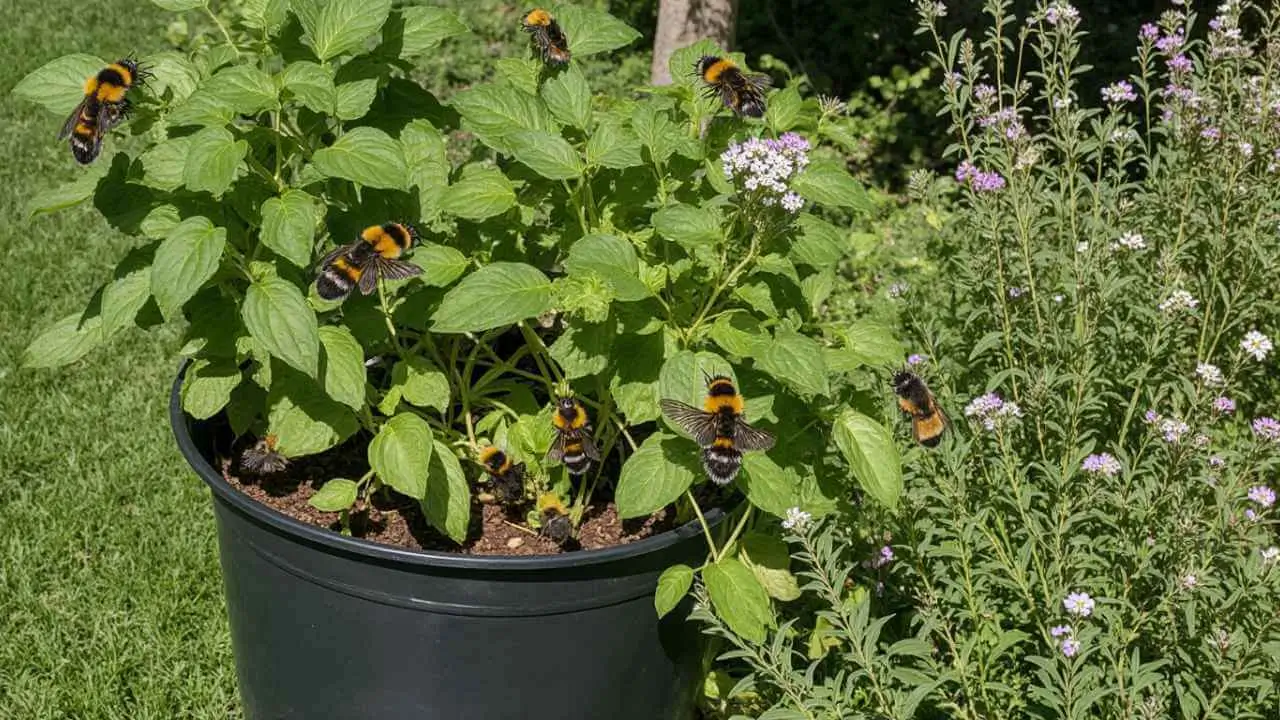
Encourage biodiversity by planting pollinator-friendly species such as rue, basil, and lemongrass. These attract butterflies, bees, and beneficial insects that promote pollination and overall garden balance.
🌿 Learn more about sustainable herbal practices in “Natural Healing & Wellness: A Complete Guide to Nature’s Remedies.”
🪴 Troubleshooting Common Gardening Problems
Yellow leaves often indicate overwatering or nitrogen deficiency. Brown leaf edges may signal potassium deficiency. Poor fruiting can result from lack of sunlight or improper pruning.
Early identification ensures faster recovery.
Explore Detailed Plant Care Guides
For specific plant instructions, explore:
-
Ruda plant care guide
-
Mango growing guide
-
Banana plant care guide
-
Soursop growing guide
-
Tamarind care tips
These focused guides provide detailed plant specific strategies.
🌿 Final Thoughts – Cultivating a Thriving, Peaceful Garden
Gardening and plant care require patience, consistency, and observation. With proper soil preparation, balanced watering, structured fertilization, and seasonal awareness, any gardener can cultivate a productive and peaceful environment.
Healthy gardens reflect thoughtful care and environmental balance.

🌿 FAQs – Gardening & Plant Care
What is the best time to water plants
Early morning before strong sunlight is ideal.
Which soil type is best for tropical plants
Loamy well drained soil enriched with compost works best.
How often should I fertilize plants
Every four to six weeks during the growing season.
What causes root rot
Excess moisture and poor drainage are primary causes.
Can tropical plants grow indoors
Yes if sufficient sunlight and drainage are provided.
👉 You can also explore this gardening guide on Product Hunt where it’s featured for helping beginners grow healthy plants.

Written by the LeafyHeaven Editorial Team
LeafyHeaven shares practical gardening tips and simple plant care guides to help you grow, nurture, and enjoy your plants with ease. Our goal is to make gardening feel natural, approachable, and rewarding for everyone.


[…] Read Also: Gardening & Plant Care Guide for Thriving Plants 🌿 […]
[…] Gardening & Plant Care Guide for Thriving Plants […]
[…] Gardening & Plant Care Guide for Thriving Plants […]
[…] Gardening & Plant Care Guide for Thriving Plants […]
[…] Gardening & Plant Care Guide for Thriving Plants […]
[…] Gardening & Plant Care Guide for Thriving Plants […]
[…] you’re just getting started with herbs, you can also explore my Gardening & Plant Care Guide for Thriving Plants, which covers the foundational care principles that pair perfectly with growing […]
[…] Gardening & Plant Care Guide for Thriving Plants […]
[…] Gardening & Plant Care Guide for Thriving Plants […]
[…] Gardening & Plant Care Guide for Thriving Plants […]
[…] For a broader understanding of soil preparation, watering schedules, and seasonal plant maintenance, you can explore our complete gardening & plant care guide. […]
[…] For a broader understanding of watering, soil balance, and plant maintenance techniques, see our complete plant care guide. […]
[…] while retaining hydration benefits. For more preparation and plant handling basics, follow our plant care guide. For a wider look at plant-based wellness traditions, visit our Natural Healing & Wellness […]
[…] and seasonal care can prevent many fruiting problems before they start. You can explore our complete guide to gardening and plant care to build a stronger foundation for long-term tree […]
[…] herbal, and economic value beautifully under the warm sun. For long-term success, understanding proper soil preparation, spacing, and seasonal maintenance is essential for all tropical fruit […]