
Introduction
Yucca plant benefits indoor make it a popular choice for people who want a stylish, low-effort houseplant that fits modern living. Yucca is widely loved as an indoor plant because it combines strong visual appeal with practical advantages for everyday spaces. Its tall, structured leaves add a clean, contemporary décor element that works well in homes, offices, and apartments. At the same time, yucca is known for supporting a fresher indoor environment by contributing to better air comfort when placed correctly. Another major reason for its popularity is low maintenance, as yucca plants require minimal watering and basic care compared to many other indoor plants. This balance of air quality support, décor value, and easy care makes yucca an ideal indoor companion.
Along with these advantages, understanding how indoor plants contribute to overall well-being becomes easier when explored through a complete natural healing and herbal wellness guide.
Yucca Plant Indoor Overview
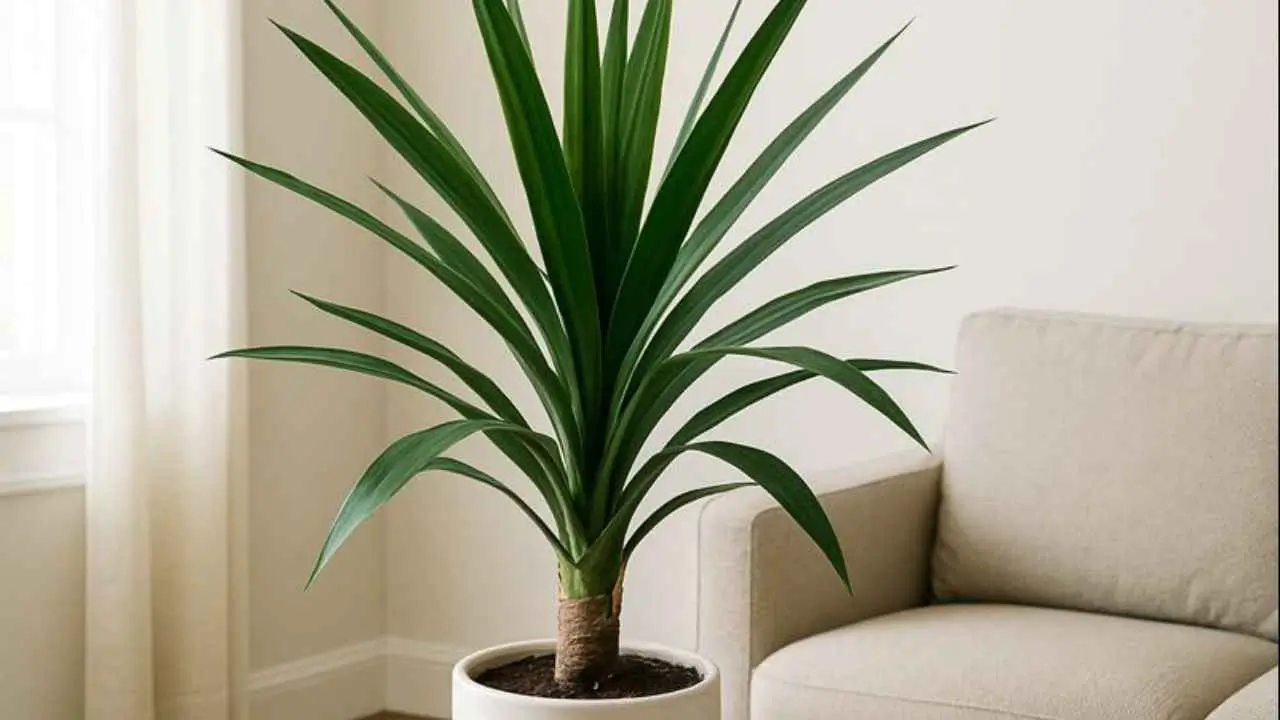
A yucca plant indoor is a hardy, evergreen plant known for its stiff, sword-shaped leaves and upright growth habit. Yucca plants originate from arid and semi-arid regions, which is why they are naturally adapted to survive with minimal care. This resilience makes many people ask, can yucca plants live indoors successfully—and the answer is yes when basic light and watering needs are met.
Yucca adapts well to indoor environments because it tolerates dry air, irregular watering, and stable room temperatures. Unlike many indoor plants, it does not require high humidity, making it suitable for air-conditioned homes and offices. Its slow growth rate indoors also helps it maintain a neat, manageable size for long periods.
Common types of yucca grown indoors include Yucca cane (Yucca elephantipes), known for its thick woody stem and elegant form, spineless yucca, which is safer for indoor spaces, and compact dwarf varieties designed for smaller rooms.
Yucca Plant Benefits Indoor
The yucca plant benefits indoor go beyond appearance, making it a practical choice for everyday living spaces. One of the key benefits of yucca plant in home environments is its contribution to a cleaner, more comfortable indoor atmosphere. When placed in well-lit areas, yucca helps support better air quality by reducing indoor stuffiness and promoting a fresher feel.
Yucca also adds strong aesthetic value to interiors. Its bold, upright leaves and structured shape complement modern, minimalist, and contemporary décor styles. Whether placed in living rooms, offices, or entryways, it creates a polished and balanced look without overwhelming the space.
Many indoor plants such as the snake plant are also valued for their ability to support a cleaner and more comfortable indoor environment.
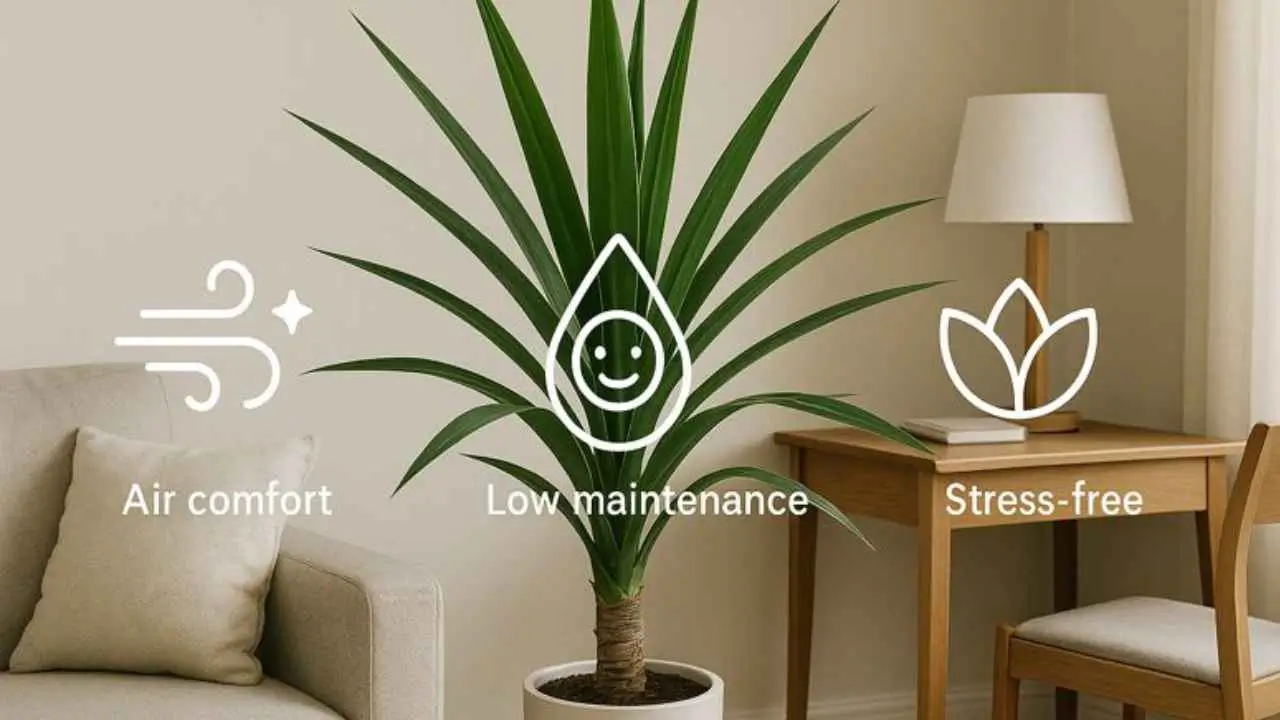
Another major advantage is its low-maintenance nature, which suits busy households and workplaces. Yucca requires infrequent watering and adapts well to indoor conditions, reducing daily care demands. This makes it a stress-free greenery option that brings natural beauty and calm to homes and offices with minimal effort.
Yucca Plant Indoor Benefits for Skin
The yucca plant indoor benefits for skin are often linked to its natural compounds and the overall indoor environment it helps maintain. Yucca plants are traditionally associated with plant-based care because they contain naturally occurring substances that have long been valued for promoting comfort and balance. While the plant is not used directly as a skincare treatment indoors, its presence is commonly connected with a calm, healthier living space.
Another indirect wellness benefit comes from cleaner indoor air. By supporting a fresher indoor environment, yucca can help reduce airborne irritants that may contribute to skin discomfort in dry or enclosed spaces. These traditional associations and indirect effects make yucca a supportive indoor plant for those who value gentle, nature-inspired wellness.
Scientific evidence is limited and these uses should not replace medical treatment.
Some plant compounds have traditionally been studied for their natural properties, as referenced by National Center for Biotechnology Information (NCBI) research.
Yucca Cane Indoor Plant Benefits
The yucca cane indoor plant benefits make it one of the most popular yucca varieties for interior spaces. Yucca cane is ideal for indoor décor because of its clean, architectural appearance and sturdy cane-like stems that create a modern, elegant look. Its structured form blends well with both minimalist and contemporary interiors.
Upright growth is another key advantage, as it allows the plant to fit neatly into corners or narrow areas without spreading outward. This space-saving design makes yucca cane suitable for apartments, offices, and rooms with limited floor space. Additionally, yucca cane has a long lifespan as an indoor plant when given basic care, providing lasting greenery and visual value without frequent replacement.
Is Yucca Plant Good for Indoor Spaces?
Many people wonder, is yucca plant good for indoor environments, and it is especially well suited for those who want an attractive plant without demanding care routines. Yucca is ideal for beginners, busy homeowners, and office settings where regular plant maintenance may be limited. Its tolerance for indoor conditions makes it a reliable option for long-term growth.
Yucca plants perform best in bright rooms with access to natural light, making living rooms, home offices, and entryways excellent placement choices. They also adapt well to workspaces, reception areas, and open-plan offices where visual impact matters. Due to its upright growth and moderate size, yucca fits comfortably in homes, offices, and apartments, offering a balanced mix of décor value and easy indoor suitability.
White and Yellow Yucca Plant Benefits Indoor
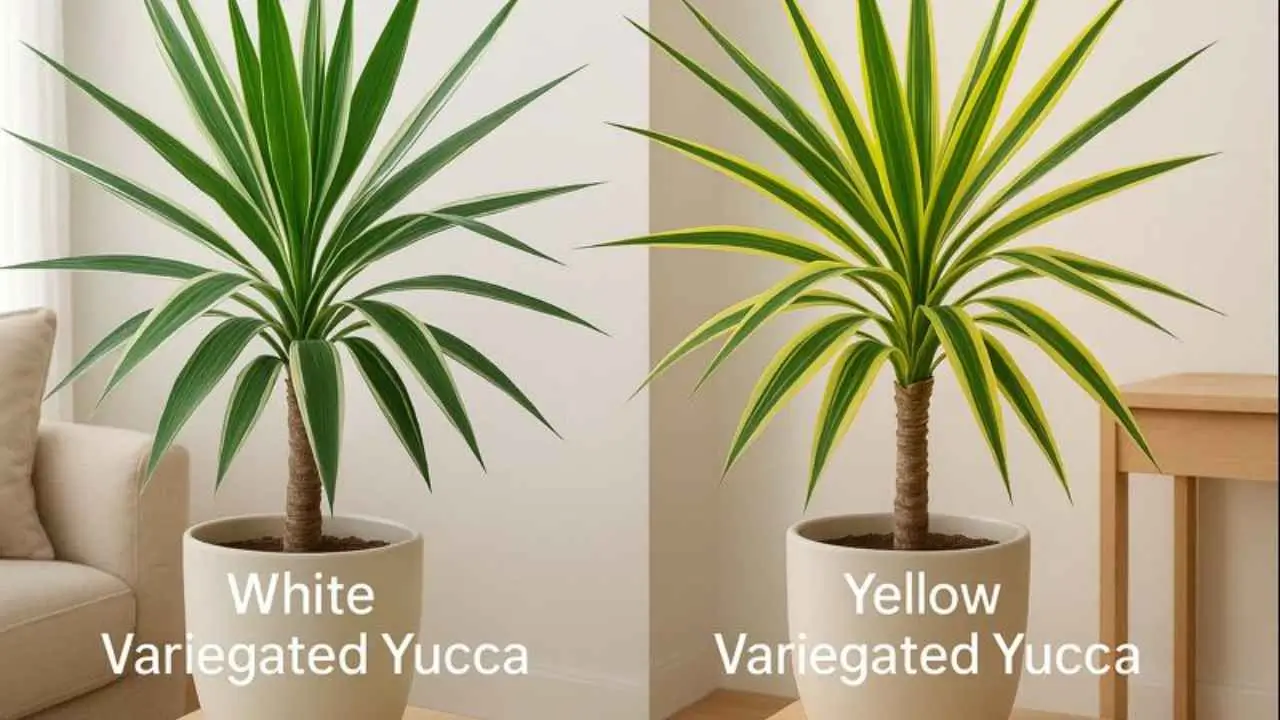
The white yucca plant benefits indoor settings through its clean, neutral tones that blend easily with modern and minimalist interiors. White-variegated yucca leaves create a bright, airy feel, making rooms appear more open and visually balanced. This subtle coloration works well in contemporary homes where soft contrast is preferred.
Similarly, the yellow yucca plant benefits indoor spaces by adding warmth and visual interest. Yellow-variegated leaves reflect natural light more effectively, helping enhance brightness in indoor areas with limited sunlight. Both varieties contribute to décor enhancement by creating a focal point without overwhelming surrounding elements.
Choosing the right variety depends on interior style and lighting conditions. White yucca suits cooler, modern spaces, while yellow yucca complements warmer décor themes, allowing homeowners to match plant aesthetics with overall interior design.
Yucca Plant Indoor Care Guide
A simple yucca plant indoor care routine makes this plant an excellent choice for beginners and anyone seeking low-maintenance greenery. Understanding yucca plant indoor how to care starts with recognizing its preference for minimal intervention and stable indoor conditions. Yucca thrives when basic needs are met without frequent adjustments, which helps prevent common indoor plant issues.
Knowing how to look after yucca plant indoors involves consistency rather than intensive care. Yucca prefers well-draining soil, occasional watering, and a stable indoor environment without excess humidity. Its ability to tolerate missed waterings and adapt to indoor air makes it ideal for busy households, offices, and first-time plant owners. This easy-care nature allows yucca to stay healthy and visually appealing with minimal effort, reinforcing its reputation as a reliable indoor plant.
Yucca Plant Indoor Light Requirements
Proper yucca plant indoor light is essential for maintaining strong growth and healthy leaf structure. Yucca performs best when it receives bright, indirect light that mimics natural daylight without harsh exposure. Adequate yucca indoor plant sunlight helps preserve leaf color, firmness, and overall plant form.
While yucca can tolerate lower light conditions for short periods, growth may slow and leaves may lose vibrancy in consistently low light. Bright indirect sunlight encourages balanced growth and prevents leaning or stretching. Placement near windows with filtered light is ideal, especially east- or west-facing windows. Keeping yucca a short distance away from direct midday sun helps protect leaves while ensuring it receives enough light for healthy indoor growth.
Yucca Plant Benefits Indoor Water Balance
Maintaining proper watering plays a key role in the yucca plant benefits indoor water management. Yucca prefers a controlled watering routine where the soil is allowed to dry slightly between waterings. This approach matches its natural adaptability and supports healthy root development indoors.
Avoiding overwatering is especially important, as excess moisture can lead to root stress and reduced growth. Indoor yucca plants benefit from light, infrequent watering rather than constant moisture. Balanced water levels help the plant maintain strong leaves, stable growth, and long-term health. When water balance is managed correctly, yucca delivers consistent indoor benefits with minimal care and fewer maintenance concerns.
Indoor Yucca Plant Problems
Common indoor yucca plant problems usually develop when basic care requirements are overlooked. The most frequent issues include leaf yellowing, drooping foliage, and slow or stunted growth. Yellowing leaves are often linked to excess watering or poor drainage, while drooping can result from insufficient light or inconsistent care routines. Slow growth indoors may occur when yucca does not receive enough light or is kept in overly compacted soil.
Most indoor yucca plant problems can be prevented through proper care practices. Providing adequate light, allowing the soil to dry between waterings, and maintaining a stable indoor environment help reduce stress on the plant. Consistent care supports healthy growth and keeps yucca visually strong and resilient indoors.
Yucca Plant Indoor Benefits and Side Effects
Understanding yucca plant indoor benefits and side effects helps ensure safe and enjoyable indoor use. Yucca offers clear benefits such as visual appeal, low maintenance, and support for a comfortable indoor environment. However, like many houseplants, it may cause sensitivities if mishandled. The sap of the yucca plant can be mildly irritating to skin for some individuals, making careful handling important.
Pet and child safety awareness is essential when keeping yucca indoors. Parts of the plant may be harmful if chewed or ingested by pets, particularly cats and dogs. Responsible indoor placement away from reach helps prevent accidental contact. When positioned thoughtfully and cared for properly, yucca remains a safe and rewarding indoor plant with manageable considerations.
Yucca Plant vs Other Indoor Plants
When comparing yucca plant benefits with other popular indoor plants, yucca stands out for its durability and long-term reliability. Many common houseplants require frequent watering, higher humidity, or regular pruning, while yucca remains stable with minimal intervention. This makes it especially suitable for people who want greenery without constant upkeep.
Yucca also offers a longevity and resilience advantage indoors. Its strong structure, slow growth rate, and tolerance for indoor conditions allow it to maintain its appearance for years. Unlike softer foliage plants that may decline quickly if conditions change, yucca adapts well and continues to perform as a dependable indoor plant, making it a practical alternative to more delicate options.
Similarly, plants like the spider plant are known for combining low maintenance with consistent indoor performance.
Conclusion
The yucca plant benefits indoor spaces by combining visual strength, easy care, and adaptability into one dependable houseplant. Its ability to enhance interior décor, support a comfortable indoor environment, and thrive with minimal maintenance makes it suitable for a wide range of living and working spaces. Yucca’s resilience, upright growth, and long lifespan further add to its appeal as an indoor plant.
For indoor growers seeking a stylish yet low-effort option, yucca is a practical and rewarding choice. Its clean structure fits modern interiors, while its low care demands suit busy lifestyles. Adding yucca indoors is a simple way to introduce lasting greenery without the challenges of high-maintenance plants.
FAQs
What are the main yucca plant benefits indoor?
The main yucca plant benefits indoor include low maintenance requirements, strong visual appeal, and adaptability to indoor conditions. Yucca adds structure to interiors while supporting a comfortable and balanced indoor environment.
Can yucca plants live indoors long term?
Yes, yucca plants can live indoors long term when provided with proper light, well-draining soil, and controlled watering. Their slow growth and resilience make them suitable for extended indoor placement.
Is yucca plant good for indoor air quality?
Yucca is considered supportive of indoor air comfort by contributing to a fresher indoor atmosphere. While not a replacement for ventilation, it helps enhance the overall indoor environment.
How much sunlight does a yucca indoor plant need?
A yucca indoor plant grows best in bright, indirect sunlight. It can tolerate lower light for short periods, but consistent access to filtered natural light supports healthier growth.
Are there any side effects of keeping yucca indoors?
Yucca may cause mild skin irritation if its sap is handled directly, and parts of the plant can be harmful if ingested by pets. Responsible placement and careful handling help prevent these side effects indoors.

Written by the LeafyHeaven Editorial Team
LeafyHeaven shares practical gardening tips and simple plant care guides to help you grow, nurture, and enjoy your plants with ease. Our goal is to make gardening feel natural, approachable, and rewarding for everyone.



[…] Masculine indoor plants are popular indoor plants for men because they combine strong visual appeal with practical, easy-to-manage care. These plants usually feature clean shapes, upright growth, and rich green or darker tones that suit modern tastes. Masculine indoor plants work especially well in apartments, home offices, and minimalist interiors, where clutter-free design and bold simplicity matter. For men who prefer low-effort décor, indoor plants for men often provide structure and balance without looking delicate or decorative. They help define a space, add natural texture, and support a confident, modern interior style without overwhelming the room. For a strong trunk-style indoor option, check our guide on yucca plant benefits indoor […]
[…] indoor plants such as the yucca plant are also appreciated for creating a calm and balanced indoor environment with minimal […]