
Introduction
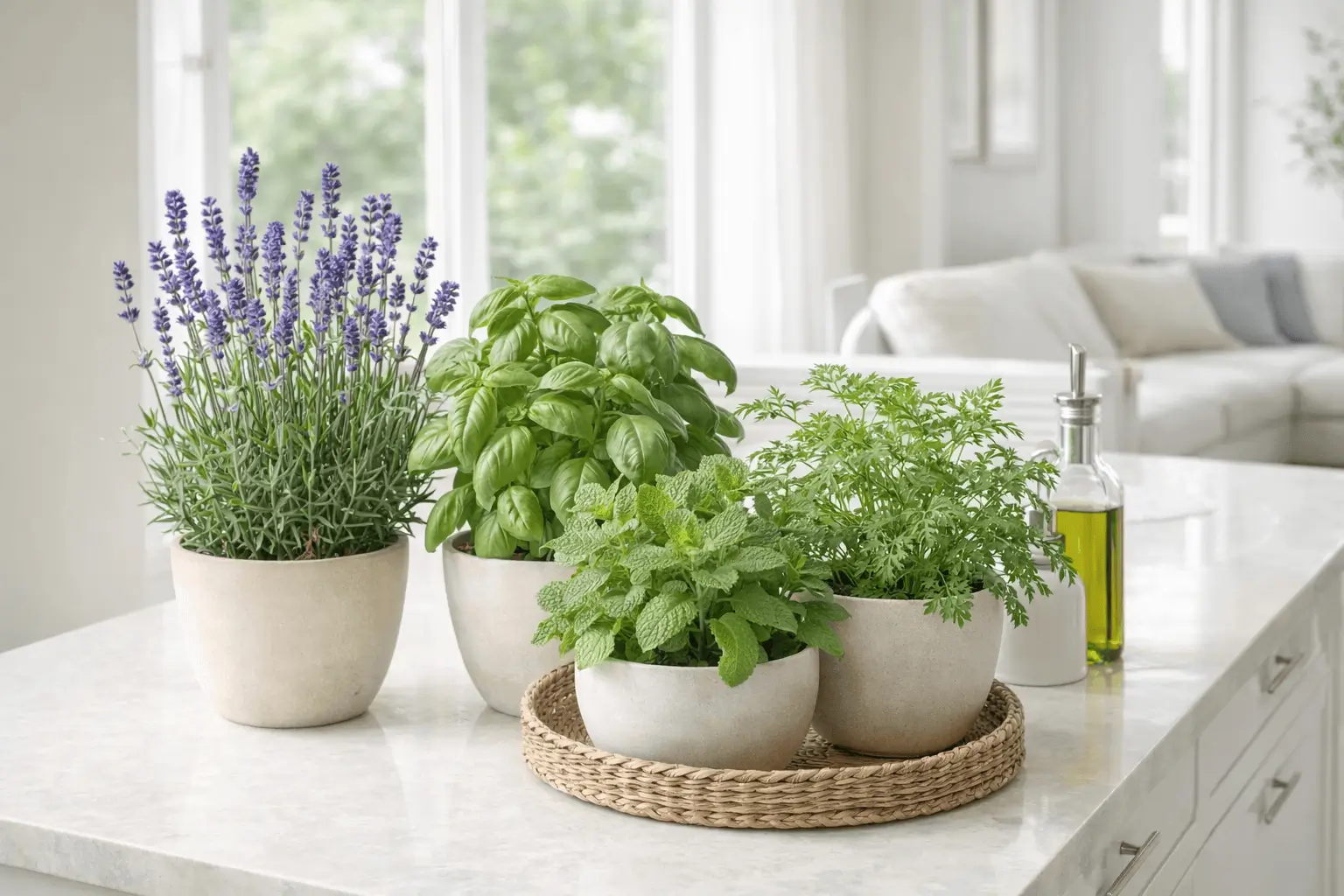
Indoor plants that deter flies are becoming a popular solution for homeowners looking to control flies without chemicals. Flies are common indoors due to food availability, moisture, and warm shelter, especially in kitchens and living areas. Instead of relying on sprays or traps, many people now use house plants that repel insects as a natural and safe alternative. These plants release scents and compounds that flies dislike, helping reduce their presence naturally. Indoor plants that deter flies also improve air quality and enhance home décor while working quietly in the background. By understanding how plant-based repellents work, you can create a cleaner, fresher indoor environment without exposing your family or pets to harsh chemicals.
Similarly, choosing the right houseplants that smell good can further enhance indoor freshness while creating a more pleasant living space.
Why Flies Are Attracted to Indoor Spaces
Common Reasons Flies Enter Homes
Flies enter indoor spaces mainly because they are attracted to:
- Food odors from cooking, trash, and uncovered meals
- Moist environments such as sinks, drains, and damp areas
- Organic waste, including fruit peels and leftovers
Little flies on house plants are often linked to moist soil and decaying organic matter. Overwatered potting soil creates ideal conditions for flies to breed, making house plants a common entry point for infestations.
Similar plant care issues can also lead to stress symptoms like drooping, which are explained in why my plant is drooping, where watering imbalance plays a major role.
Problems Caused by Flies Indoors
Flies indoors are more than a nuisance. They cause:
- Hygiene concerns by spreading bacteria
- Contamination of food surfaces
- Persistent infestations of fruit flies, house flies, and fungus gnats
These flies multiply quickly and are difficult to control once established, especially when indoor conditions remain favorable.
How Indoor Plants Help Deter Flies Naturally

Natural Scents Flies Hate
Many indoor plants emit natural scents that flies avoid. These smells interfere with a fly’s ability to locate food and breeding areas. Plants release aromatic compounds similar to essential oils, which mask attractive odors and repel flies. Scents such as herbal, citrusy, or minty fragrances are especially effective at keeping flies away.
Visual & Sensory Deterrents
Plants that flies hate also work through visual and sensory disruption. Strong colors, textured leaves, and oil-based secretions confuse flies and discourage landing. These natural plant defenses reduce fly activity without killing insects, making them a gentle yet effective deterrent.
Best Indoor Plants That Deter Flies
Lavender – A Proven Fly Repellent Plant
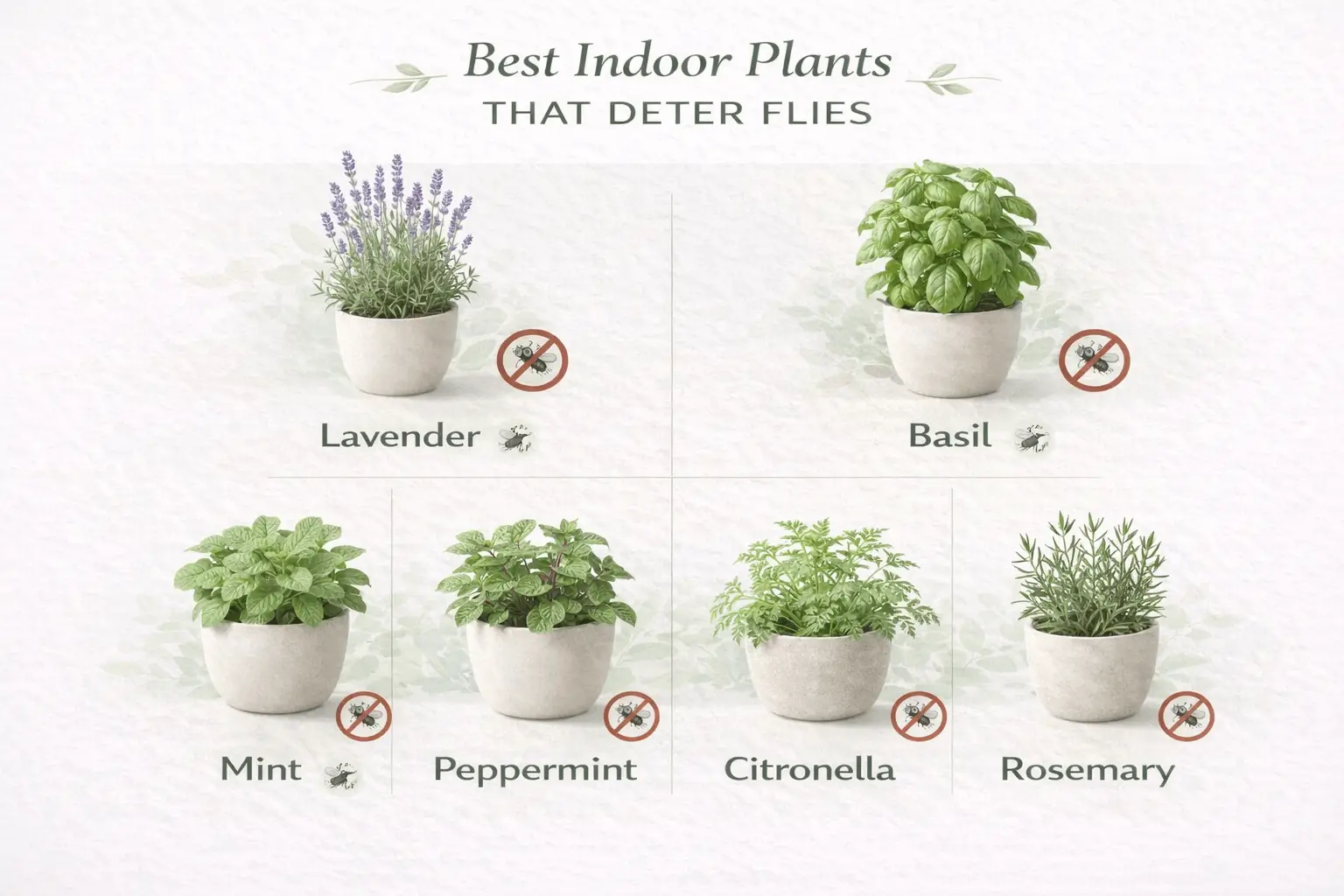
Lavender is widely known for its ability to repel flies. Yes, lavender repels flies and consistently deters them through its strong fragrance. While lavender oil is highly concentrated, live lavender plants provide ongoing protection. Flies do not like lavender smell because it overwhelms their sensory receptors, making indoor spaces less attractive to them.
Basil – Effective Against House Flies & Fruit Flies
The relationship between flies and basil is unfavorable for flies. Basil releases aromatic oils that disrupt fly behavior. Basil for fruit flies is especially effective when placed near kitchens or food areas. For best results, keep basil near windows or counters where flies commonly gather.
Mint & Peppermint Plants
Peppermint repels flies due to its sharp, cooling scent. Mint plants repel flies rather than attract them when grown indoors. The peppermint scent impact is strong enough to deter flies while remaining pleasant for humans.
Citronella as an Indoor Fly Deterrent
Citronella repels flies by releasing a citrus-like aroma that masks food smells. A citronella plant for flies indoors offers continuous protection, unlike candles that only work when burning. Live plants are safer and longer-lasting than citronella candles for indoor use.
Other Indoor Plants That Repel Flies Naturally
Additional plants that repel house flies and deter flies and mosquitoes include:
- Rosemary
- Lemongrass
- Bay laurel
Many of these options are safe-for-pets when used responsibly and placed out of reach.
Herbs & Flowering Indoor Plants That Repel Flies
Fly Repellent Herbs for Indoor Use
Common herbs to deter flies include:
- Basil
- Mint
- Rosemary
If you are wondering what herb keeps flies away most effectively, basil and mint are the top indoor choices due to their strong aromas.
Flowers That Repel Flies
Certain flowers repel flies naturally. Marigolds repel flies indoors when placed near windows and entry points. Their scent and compounds discourage flies from settling inside living spaces.
Indoor Plants vs Essential Oils for Fly Control
Essential Oils That Repel Flies
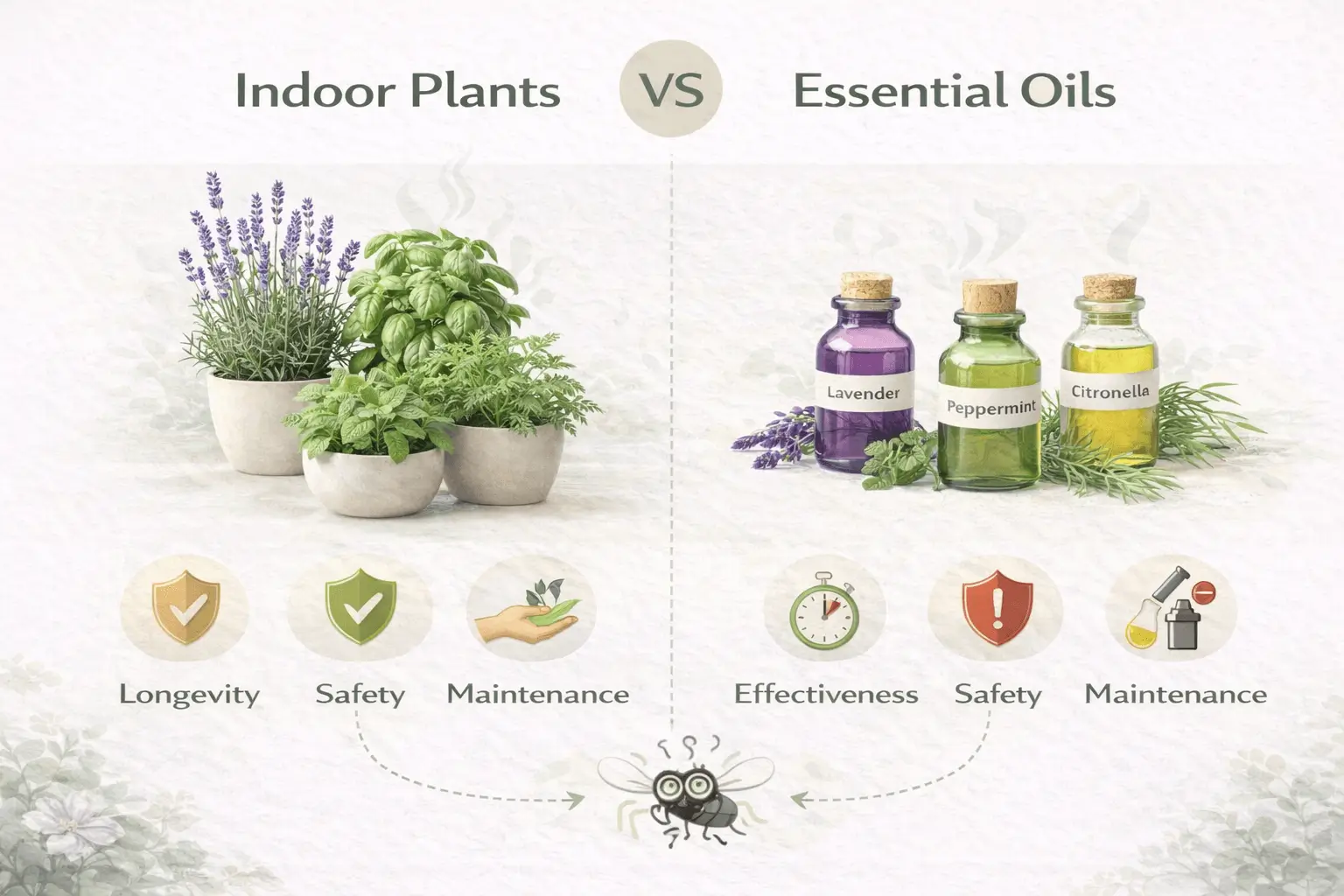
Essential oils that flies hate include:
- Lavender oil
- Peppermint oil
- Citronella oil
These oils work quickly but require frequent reapplication.
Plants vs Oils – Which Works Better Indoors
Indoor plants offer long-term effectiveness with minimal maintenance. Essential oils provide faster results but wear off quickly. Plants are more sustainable, safer, and visually beneficial for continuous fly control.
How to Use Indoor Plants Effectively to Keep Flies Away
Placement Tips
To maximize results, place plants:
- Near kitchen counters
- On windowsills
- Close to entry points and doors
These areas intercept flies before they spread indoors.
Care Tips to Avoid Attracting Flies
Preventing flies in house plants requires:
- Avoiding overwatering
- Using well-draining soil
- Removing decaying leaves
Proper care reduces fungus gnats and fly breeding conditions.
Understanding how watering, soil, and plant environment interact becomes easier when you follow the fundamentals in a complete gardening and plant care guide, especially for maintaining healthy indoor plants.
How to Get Rid of Flies in Indoor Plants Naturally

Small Flies in House Plants – Causes
Small flies in house plants are usually fungus gnats. They thrive in moist soil and feed on organic matter, especially in poorly drained pots.
Natural Solutions
To get rid of little flies from house plants:
- Let soil dry between watering
- Use sticky traps near plants
- Improve airflow around pots
These steps help get rid of flies in potted plants naturally without chemicals.
Conclusion
Indoor plants that deter flies offer an effective, natural way to reduce fly problems inside the home. Plants like lavender, basil, mint, and citronella work by releasing scents and compounds that flies dislike, helping limit their presence without chemicals. These plant-based fly repellents are safer for indoor environments, improve air quality, and add visual appeal at the same time. While indoor plants that deter flies are helpful on their own, the best results come from combining them with good indoor hygiene. Proper food storage, regular cleaning, and correct plant care work together with fly-repellent plants to create a cleaner, healthier, and more comfortable indoor space.
FAQs
What are the best indoor plants that deter flies naturally?
Lavender, basil, mint, peppermint, and citronella are among the best indoor plants that deter flies naturally. They release scents that flies avoid and work well when placed near windows or kitchens.
Does lavender really keep flies away indoors?
Yes, lavender really keeps flies away indoors. Flies dislike its strong fragrance, which interferes with their ability to locate food and resting areas.
Which herbs repel flies the most inside homes?
Basil and mint are the most effective herbs to repel flies inside homes. Their aromatic oils help deter house flies and fruit flies when grown indoors.
How do I get rid of small flies in house plants naturally?
To get rid of small flies in house plants naturally, reduce watering, let soil dry between waterings, remove decaying plant matter, and improve drainage to prevent fungus gnats.
Are fly-repellent plants safe for pets and children?
Most fly-repellent plants are safe for pets and children when placed responsibly. Always check individual plant safety and keep plants out of reach if needed.
Do essential oils work better than plants for flies?
Essential oils work faster but are short-term solutions. Indoor plants provide longer-lasting fly deterrence and are more practical for continuous indoor use.

Written by the LeafyHeaven Editorial Team
LeafyHeaven shares practical gardening tips and simple plant care guides to help you grow, nurture, and enjoy your plants with ease. Our goal is to make gardening feel natural, approachable, and rewarding for everyone.



[…] a healthier indoor environment also helps prevent plant stress, and choosing indoor plants that deter flies can support a cleaner and more balanced growing […]