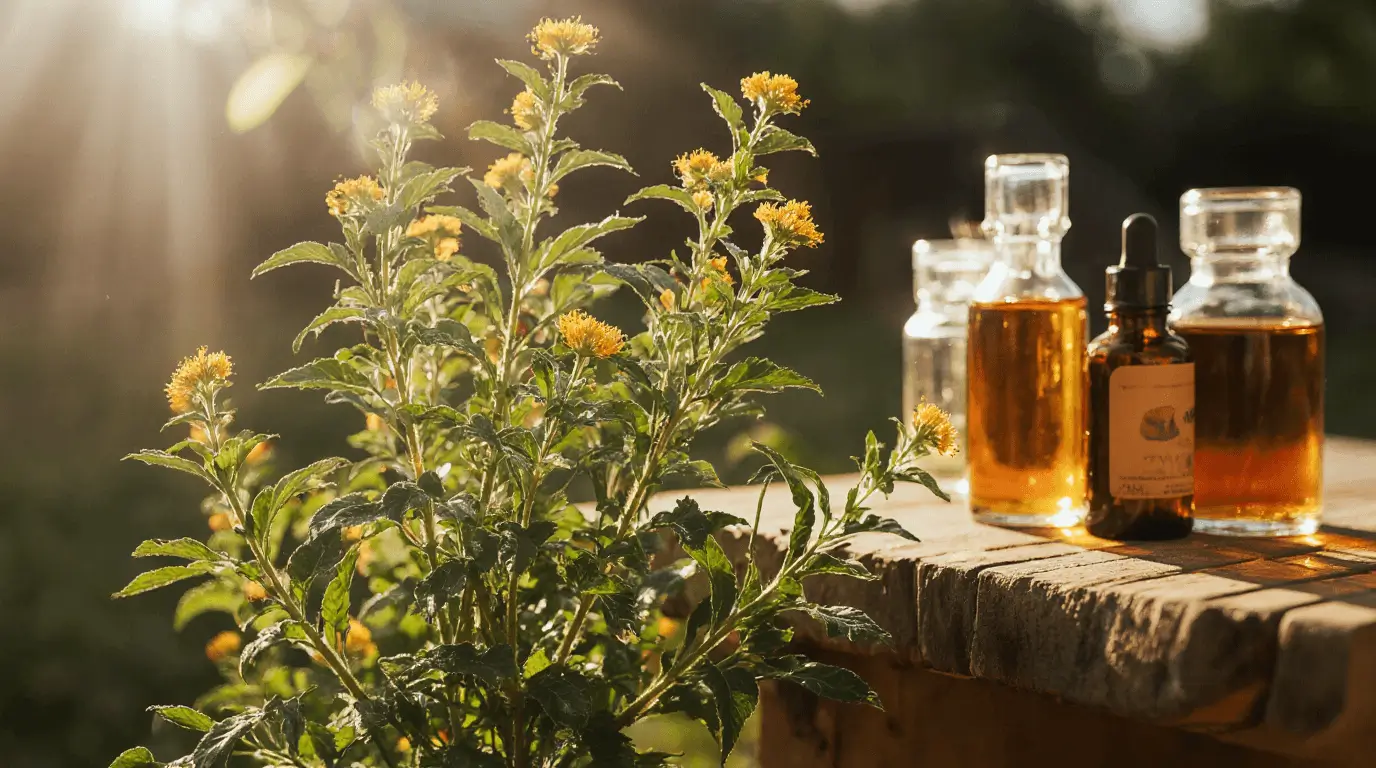

If you’re looking for a low-maintenance and hardy herb that brings both beauty and utility to your garden, the ruda plant, also known as rue, is a perfect choice. This time-tested plant has deep roots in tradition and has been valued for centuries in folk medicine and spiritual rituals.
The ruda plant (Ruta graveolens), commonly known as rue, is widely known for its medicinal benefits, spiritual uses, and natural insect-repelling properties. Many gardeners grow it for herbal wellness, while others use it for protection rituals and traditional remedies. However, it must be handled carefully due to its strong bioactive compounds.
Its distinctive blue-green foliage and strong fragrance make it attractive in both balconies and outdoor spaces. I first grew rue in a small healing plant garden, and its resilience and versatility quickly made it one of my favorites.
What Is the Ruda Plant (Ruta Graveolens)?
The ruda plant (Ruta graveolens) is a drought-tolerant perennial herb admired for its strong aroma and bluish-green foliage. Originating from the Balkan Peninsula and Mediterranean region, it has been cultivated for centuries for both culinary and medicinal uses.
In ancient Rome, rue was valued for its insect-repellent properties and role in traditional medicine. It contains compounds such as rutin and furanocoumarins, which contribute to its anti-inflammatory and antispasmodic properties.
Culturally, ruda holds spiritual importance. In some Mediterranean and Latin traditions, it is associated with protection rituals and symbolic cleansing. In Sephardic Jewish communities, it has been used during religious observances.
Despite its long medicinal history, rue must be used cautiously. Its leaves can cause skin irritation and should not be ingested without professional supervision.
7 Powerful Benefits of the Ruda Plant
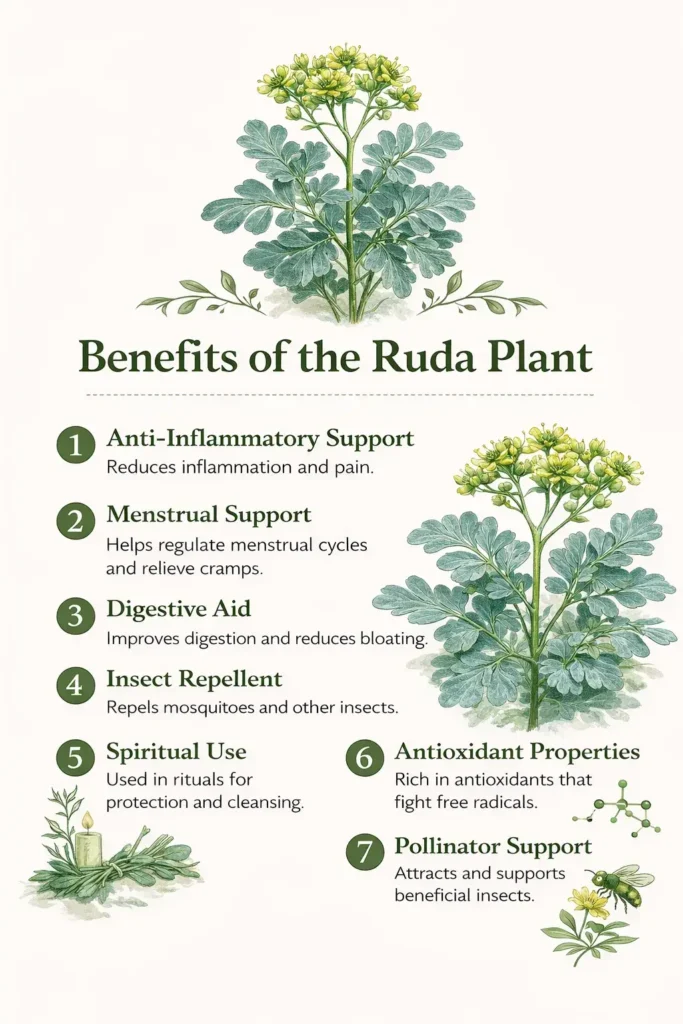
1. Anti-Inflammatory Support
Ruda plant medicinal uses include helping reduce swelling and irritation due to its anti-inflammatory compounds. Diluted preparations have traditionally been used to soothe muscle discomfort.
2. Menstrual Support
Rue has historically been used as an emmenagogue to stimulate menstruation and ease menstrual discomfort. However, this should only be done under expert guidance.
3. Digestive Aid
In very small controlled doses (under healthcare supervision), ruda leaf benefits include digestive relief and support for minor stomach discomfort.
4. Natural Insect Repellent
The pungent scent of rue works as a natural insect deterrent. It repels mosquitoes, flies, and other pests, making it ideal for garden borders and herbal sachets.
5. Spiritual & Cultural Uses
Ruda is often used in spiritual cleansing rituals and protection bundles. Its symbolic importance spans Mediterranean and Latin cultures.
6. Antioxidant Properties
Compounds like rutin may help strengthen blood vessels and provide antioxidant support.
7. Pollinator & Biodiversity Support
Rue serves as a host plant for swallowtail butterflies and supports biodiversity in herb gardens.
| Benefit | How It Helps |
|---|---|
| Anti-inflammatory | Helps reduce swelling |
| Menstrual support | Traditionally used for cycle regulation |
| Digestive aid | Supports stomach comfort |
| Insect repellent | Keeps pests away |
| Antioxidant | Supports blood vessel health |
Before using ruda medicinally, it’s important to understand proper handling and dosage to avoid unwanted side effects. Keep reading to learn the correct dosage and important safety precautions before using ruda medicinally.
If you’re interested in discovering other powerful healing plants, explore the Tuna Plant Benefits for Overall Health as well.
Is the Ruda Plant Safe? Important Safety Warnings
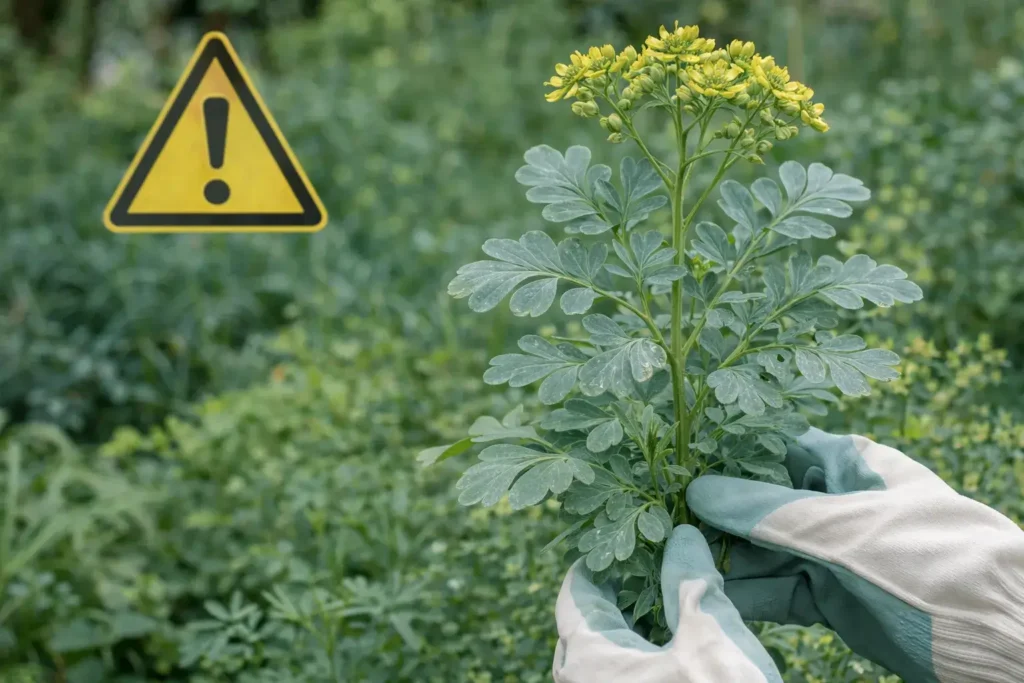
Although ruda plant medicinal uses are widely known, safety is extremely important.
-
The sap can cause skin irritation and photodermatitis, especially in sunlight.
-
Pregnant women should avoid internal use.
-
Ingestion without professional guidance can lead to toxicity.
-
Always wear gloves when handling the plant.
Responsible use ensures the plant’s benefits without unwanted side effects.
How to Plant Rue in the Garden
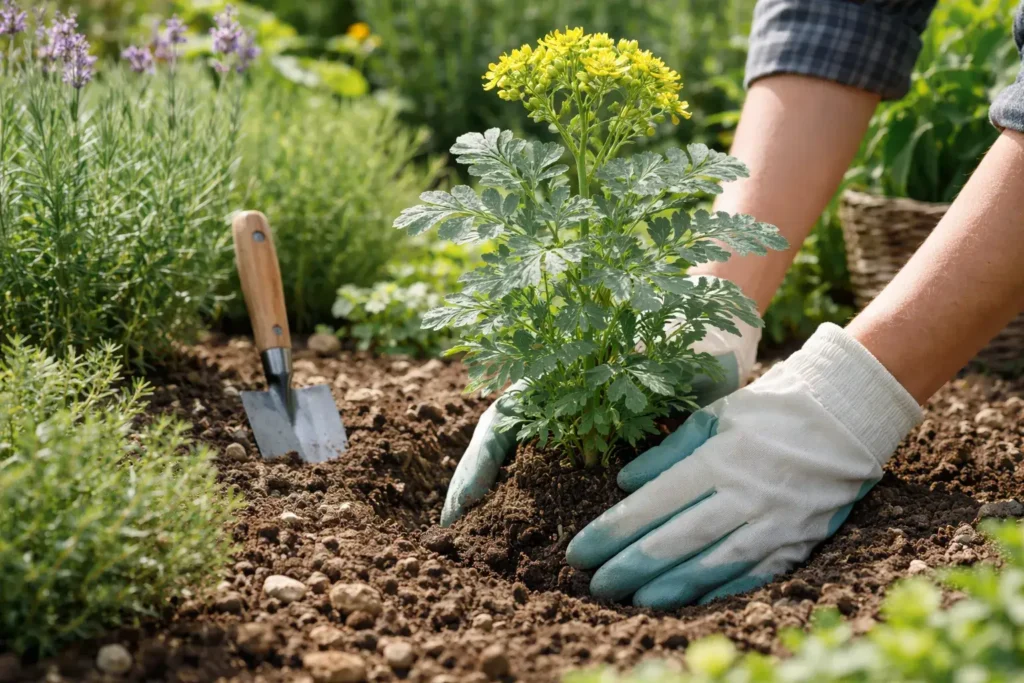
Growing ruda in a home garden is simple and beginner-friendly. It thrives in full sun and well-drained soil. Avoid heavy clay or overly wet conditions, as root rot can occur.
For a broader understanding of soil preparation, watering schedules, and seasonal plant maintenance, you can explore our complete gardening & plant care guide.
Planting Tips
-
Plant in spring when soil temperatures are mild.
-
Ideal temperature: 60–70°F (15–21°C).
-
Ensure at least 6 hours of sunlight daily.
-
Slightly acidic to alkaline soil works best.
If planting multiple plants, space them 1–2 feet apart to allow airflow.
Rue Plant Care Guide
Once established, ruda requires minimal care.
-
Provide 6–8 hours of direct sunlight.
-
Water only when the top 1–2 inches of soil feel dry.
-
Avoid overwatering.
-
No fertilizer is required.
-
Prune lightly to maintain shape.
Rue is naturally pest-resistant and drought-tolerant.
Growing Rue in Pots
Rue grows well in containers if drainage is adequate.
-
Use an unglazed clay pot at least 16 inches wide.
-
Ensure drainage holes.
-
Use well-draining potting mix.
-
Provide full sun exposure.
Prune back to about 6 inches in early spring to encourage fresh growth.
How to Harvest and Use Rue
When harvesting ruda leaf benefits, always wear gloves. Harvest in the morning once dew has evaporated.
-
Cut stems 4–6 inches from the base.
-
Dry in a shaded, ventilated area.
-
Store in airtight glass jars.
Dried rue can be used in sachets, herbal bundles, and natural pest-control mixes.
If you’re interested in exploring more herbal remedies and traditional plant-based treatments, our detailed natural healing & wellness guide explains how medicinal plants are used safely and effectively.
Types of Rue You Can Grow

-
Black Beauty – Deep blue-green leaves.
-
Jackman’s Blue – Bright foliage and strong fragrance.
-
Variegata – Cream-edged leaves for ornamental appeal.
Each variety adapts well to containers and garden beds.
Cold Weather Protection & Overwatering Warning
Rue tolerates heat but needs protection from frost.
-
Apply mulch around the base.
-
Use frost cloth in cold climates.
-
Move potted plants indoors if needed.
-
Avoid winter overwatering.
Pollinator-Friendly Bonus
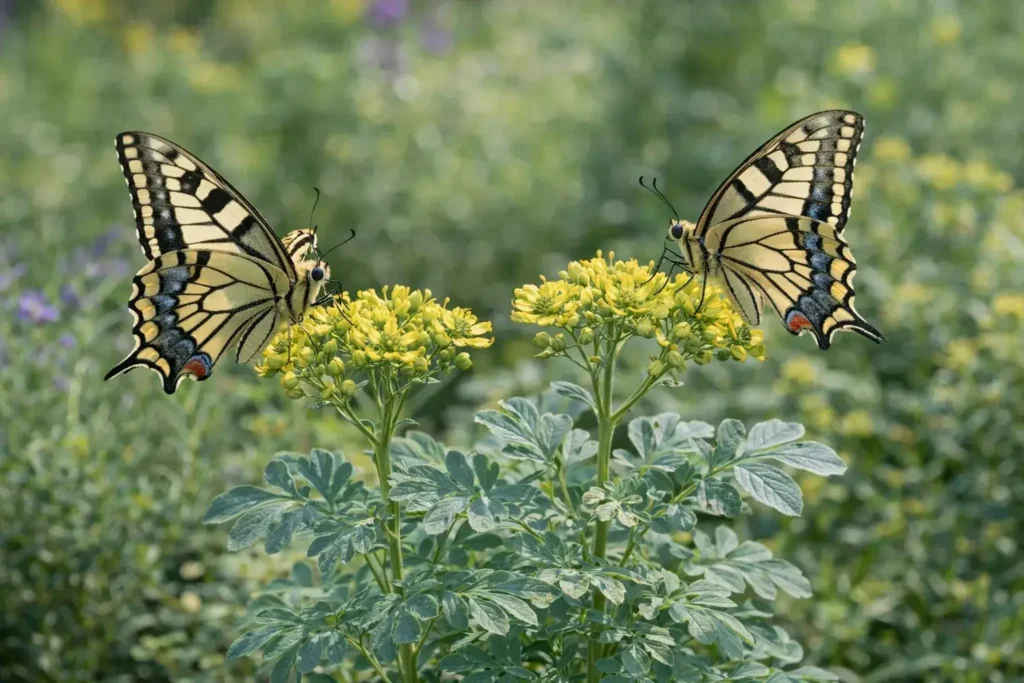
Rue attracts swallowtail butterflies and supports pollinators.
For tropical fruit growing inspiration, explore our Tropical Fruit Trees Grow Guide.
Conclusion
The ruda plant (Ruta graveolens) combines medicinal value, cultural symbolism, and practical garden benefits. From natural insect repellent to traditional wellness support, it remains one of the most fascinating herbs for modern gardeners.
With proper sunlight, well-drained soil, and responsible handling, this resilient herb can thrive for years, connecting ancient tradition with modern herbal living.
FAQs
The ruda plant (Ruta graveolens) is commonly used for menstrual support, digestive relief, natural insect repellent, and spiritual protection. It also contains anti-inflammatory compounds but must be used cautiously due to potential toxicity.
It can cause skin irritation and should not be ingested without professional supervision.
Yes, in a sunny location with proper drainage.
Only when the top 1–2 inches of soil are dry.
It repels pests but attracts beneficial pollinators like butterflies. What Is the Ruda Plant Used For?
Is the ruda plant safe?
Can I grow ruda indoors?
How often should I water ruda?
Does ruda attract insects?

Written by the LeafyHeaven Editorial Team
LeafyHeaven shares practical gardening tips and simple plant care guides to help you grow, nurture, and enjoy your plants with ease. Our goal is to make gardening feel natural, approachable, and rewarding for everyone.




[…] you’re exploring other powerful healing plants, the ruda plant medicinal uses are equally […]
[…] you’re exploring other powerful healing plants, the ruda plant medicinal uses are equally […]
[…] you’re exploring other powerful healing plants, the ruda plant medicinal uses are equally […]