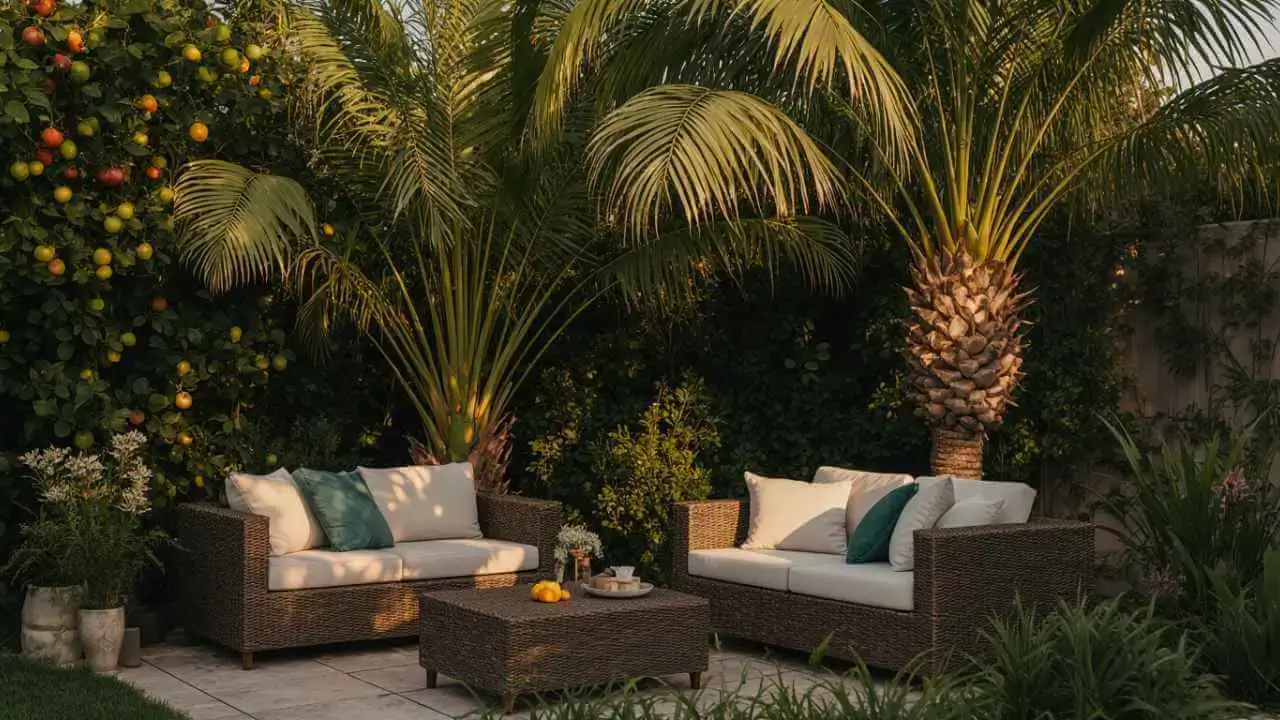

Introduction – Why Tropical Fruit Trees Are Every Gardener’s Dream
There is something truly magical about tropical fruit trees. Their glossy leaves, fragrant blooms, and the promise of sun-ripened fruit can turn a simple backyard into a lush, living paradise. From the fiery orange glow of papayas to the golden sweetness of mangoes and the tangy pods of tamarind, tropical trees offer beauty and bounty together. They are not just plants. They create an atmosphere, a vibe, and a year-round reason to step outside and enjoy your garden.
What makes tropical fruit trees even more exciting today is how accessible they have become for every kind of gardener. If you live in Florida or the Gulf Coast, you can grow many tropical varieties in-ground. If you are in cooler regions, you can still enjoy tropical gardening with containers, indoor setups, microclimates, and smart light and temperature control. With modern techniques like organic soil enrichment, controlled watering, and seasonal care routines, you can bring the tropics into your home garden almost anywhere.
If you want a garden that looks beautiful and also gives real harvest rewards, tropical fruit trees are the perfect choice. With the right care and consistent routines, these exotic gifts can thrive wherever sunshine, patience, and good soil come together.
If you want faster harvests, our guide on fastest growing fruit trees highlights varieties that produce fruit in record time.
Tropical Fruit Trees Grow Guide at a Glance
-
Best tropical trees for quick fruiting in home gardens
-
Ideal climate, sunlight, humidity, and soil basics
-
Container vs outdoor planting for any region
-
Pro care tips for pruning, feeding, and pest control
-
Seasonal maintenance calendar for better harvests
What Are the Best Tropical Fruit Trees to Grow at Home?
The best tropical fruit trees for home gardens include papaya, mango, banana, dwarf citrus, fig, and guava. These trees grow quickly, adapt well to containers, and can produce fruit within 1 to 3 years in warm climates.
Understanding Tropical Climates and Growing Conditions
Growing tropical fruit trees successfully starts with recreating the warm, humid environment they naturally love. These trees flourish with consistent sunlight, steady warmth, and well-draining soil. Whether you are growing outdoors in warm zones or growing indoors in containers, getting the basics right will determine your results.
Ideal Temperature and Humidity
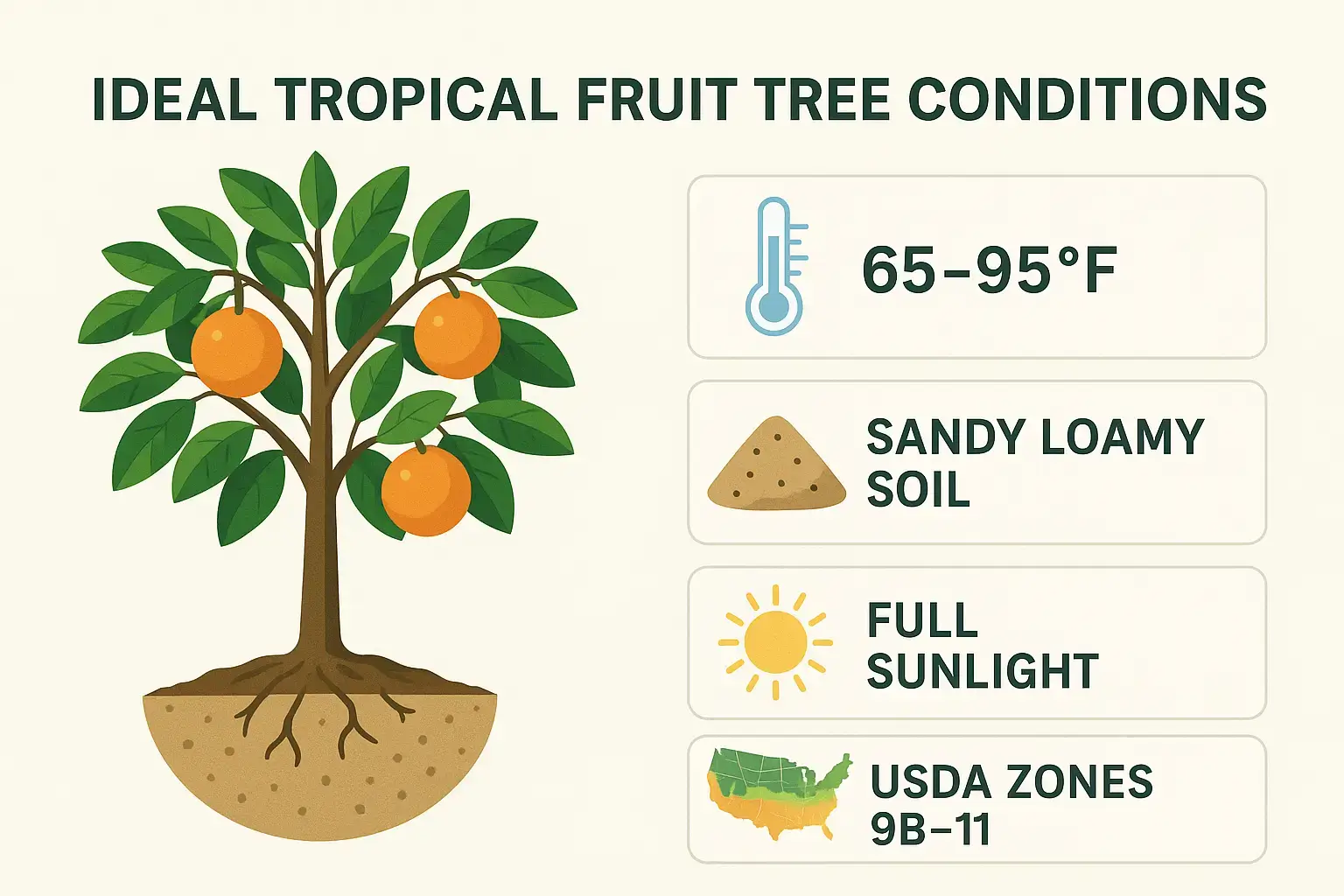
Tropical fruit trees perform best when temperatures stay between 65°F to 95°F (18°C to 35°C). Most tropical species do not like cold. Frost can cause leaf drop, slow growth, and in some cases, serious damage.
Humidity matters too. Many tropical trees thrive at 60% to 80% humidity. Indoors, you can increase humidity by misting leaves, grouping plants together, using pebble trays, or running a small humidifier.
Sunlight and Rainfall
Sunlight is the fuel behind growth and fruiting. Most tropical fruit trees need 6 to 8 hours of direct sunlight daily. If your sunlight is limited, containers give you flexibility to place trees where light is strongest.
Watering should be deep and consistent, but not excessive. Overwatering is one of the biggest mistakes. Roots need oxygen. If soil stays soggy, roots weaken and rot can develop.
Soil Types and Drainage
Most tropical fruit trees love soil that is:
-
Sandy or loamy
-
Rich in organic matter
-
Well-draining but able to hold gentle moisture
Aim for soil pH around 6.0 to 7.0 for many tropical trees, although some can tolerate wider ranges.
🪴 Container vs. Outdoor Planting
If you live outside warm zones, containers are your best friend. You can move trees during cold snaps, protect them from extreme weather, and control soil quality more easily.
Container vs Outdoor Planting Comparison
| Factor | Container Growing | Outdoor Growing |
|---|---|---|
| Best for | Cooler zones, small spaces | Zones 9B to 11 |
| Mobility | Easy to move in winter | Fixed location |
| Watering | More frequent | Less frequent once established |
| Soil control | High | Medium |
| Growth size | Smaller, controlled | Larger, faster |
📍 USDA Zones 9B–11: The Ideal Tropical Range
If you live in USDA Zones 9B to 11, you are in prime territory for many tropical fruit trees outdoors. The USDA Plant Hardiness Zone Map provides the official climate classification for zones like 9B–11, which help growers determine where tropical fruit trees are most likely to thrive. This includes much of South Florida, southern Texas, coastal California, and Hawaii.
Gardeners in cooler zones can still grow tropicals by using:
-
Containers and indoor overwintering
-
South-facing walls and microclimates
-
Mulching to keep soil warm
-
Frost cloth during cold nights
Gardeners in warm regions can follow proven techniques from our mango tree in Florida guide for better fruiting results.
Fastest Growing Tropical Fruit Trees for Quick Rewards
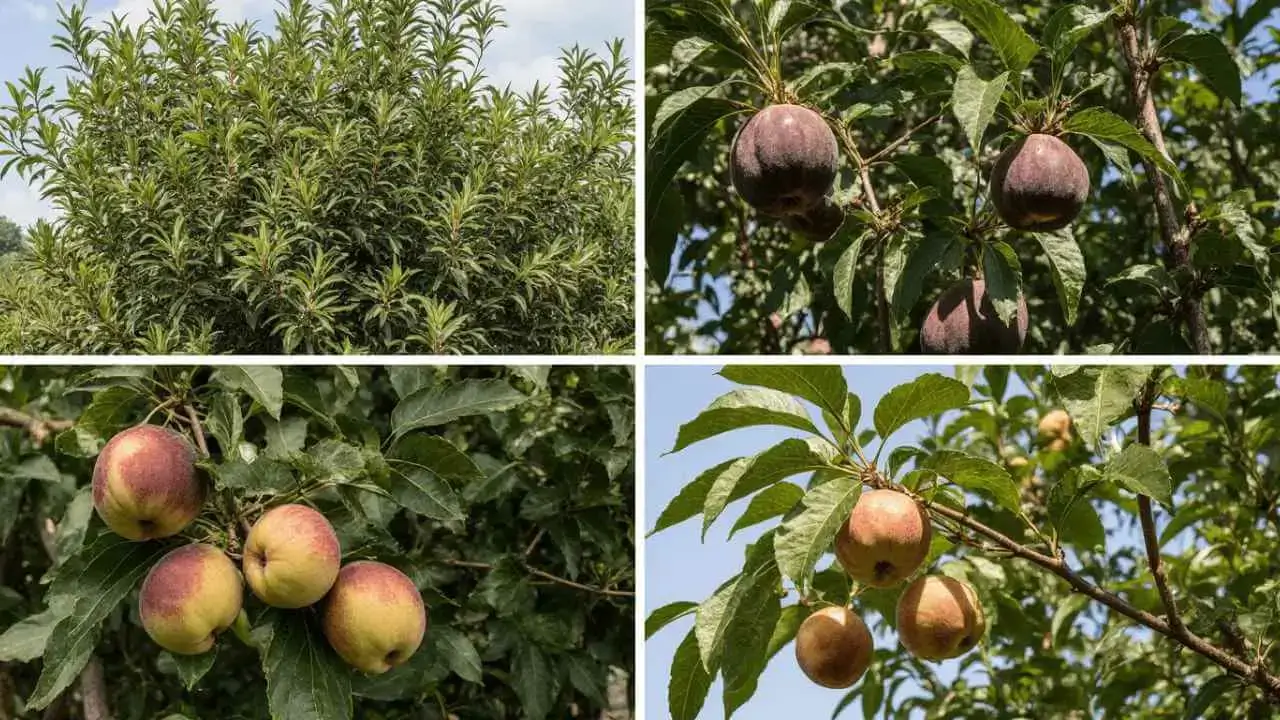
One of the best feelings in gardening is harvesting sooner than expected. Some fruit trees take years to produce. But many tropical and subtropical varieties can fruit within 1 to 3 years, especially if you start with strong plants and follow a consistent care routine.
Top Fast-Growing Tropical Fruit Trees
| Tree | Time to Fruit | Ideal Climate |
|---|---|---|
| Fig (Brown Turkey, Celeste) | 1 to 2 years | Zones 8 to 11 |
| Mulberry (Black or White) | 1 to 2 years | Zones 7 to 10 |
| Dwarf Citrus (Lemon, Lime, Orange) | 1 to 3 years | Zones 9B to 11 |
| Peach (Redhaven, Flordaprince) | 1 to 3 years | Subtropical |
| Papaya (Hawaiian, Red Lady) | 1 to 2 years | True tropical |
| Banana (Blue Java, Dwarf Cavendish) | 1 to 2 years | Zones 9 to 11 |
| Pomegranate (Nana, Wonderful) | 2 to 3 years | Semi-arid to subtropical |
Quick Comparison of Popular Tropical Fruit Trees
| Tree | Fruit Speed | Container Friendly | Beginner Friendly |
|---|---|---|---|
| Papaya | Very Fast | Yes | Yes |
| Banana | Very Fast | Yes | Yes |
| Mango | Medium | Large Pot | Moderate |
| Tamarind | Slow | No | Moderate |
| Cashew | Medium | Yes | Moderate |
Pro Tip for Early Fruiting
If you want faster fruiting and better success:
-
Choose grafted varieties when possible
-
Use balanced slow-release feeding during growth season
-
Prune lightly to shape structure and airflow
-
Keep soil moist but never waterlogged
For more quick-bearing options, explore our full guide on fastest growing fruit trees for variety recommendations and faster results.
Popular Tropical Fruit Varieties You Will Love to Grow
This section helps you pick trees that fit your climate, space, and goals. Some are best outdoors in warm zones. Some do great in containers. Some are perfect for indoor tropical plant lovers.
If you enjoy comparing exotic fruits, our tropical fruit comparison between soursop and custard apple explains their key differences.
Papaya – A Tropical Favorite for Every Gardener
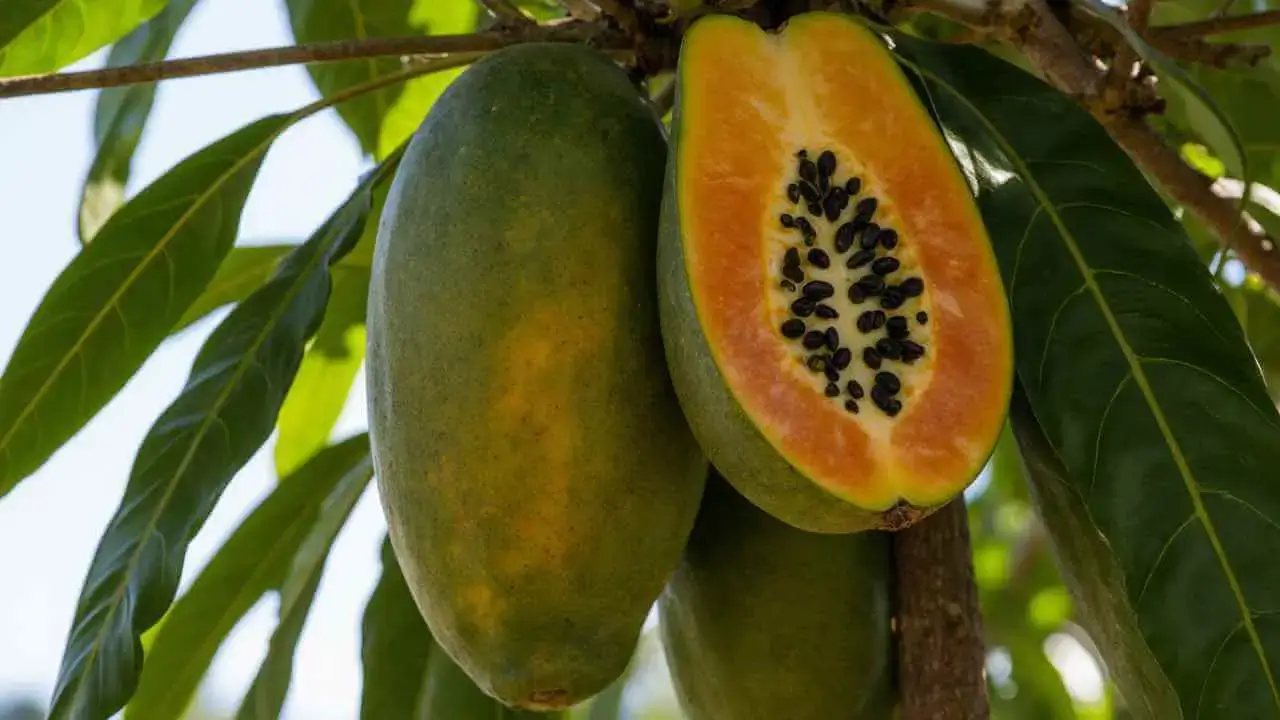
Papaya is one of the fastest and most rewarding tropical fruit trees. It grows quickly, looks beautiful, and can produce fruit in just 12 to 24 months in the right conditions. Papaya loves full sun, steady warmth, and consistent moisture without soggy soil.
Major Types of Papaya: Hawaiian, Mexican, and Indian
Hawaiian (Solo varieties)
Small, sweet, low seed, great for fresh eating and small gardens.
Mexican (Maradol type)
Large fruits, strong flavor, great for juicing, preserving, and bigger harvest.
Indian (Red Lady, Pusa Delicious)
High yield, disease resistance, often self-pollinating, fruits quickly.
Compact Papaya for Small Spaces
If you have limited space, look for dwarf or container-friendly varieties like Pusa Nanha. These stay smaller but still produce well with proper feeding and sunlight.
To explore flavor and size differences in detail, see our full breakdown of types of papaya.
Mango: The King of Tropical Fruits
Mango trees bring shade, fragrance, and tropical beauty. Once established, mango can be surprisingly low maintenance and can produce incredible harvests for many years. Mango thrives in warm regions and can also grow in large containers if managed well.
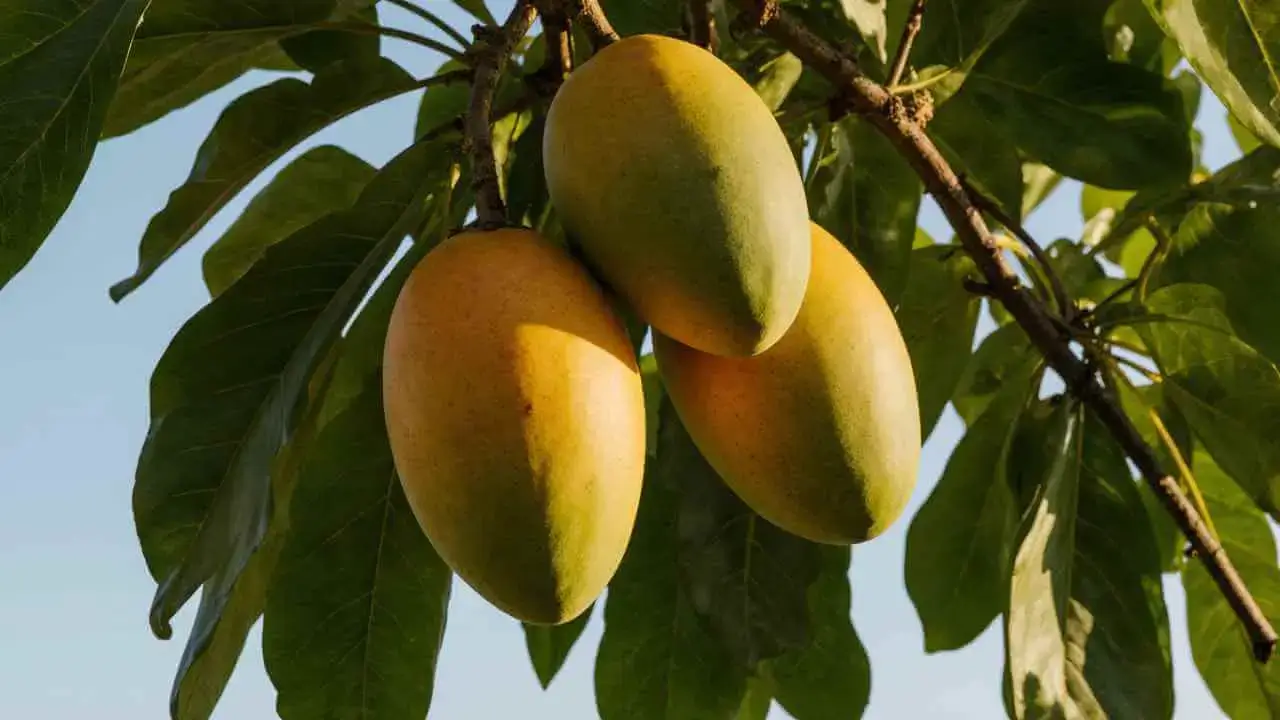
Why Mango Is a Strong Choice
-
High productivity once mature
-
Long lifespan and reliable harvests
-
Great ornamental value with dense canopy
-
Works in-ground or in large containers
Mango Variety Examples
-
Tommy Atkins
-
Keitt
-
Haden
If you want extended harvest windows, planting multiple varieties can help you spread fruiting across the season.
Tamarind: The Shade-Giving Healer Tree
Tamarind is a long-lived tropical tree known for its beautiful canopy and highly useful fruit. It can thrive for decades with good care. Tamarind loves sun, tolerates heat well, and becomes drought-tolerant once established.
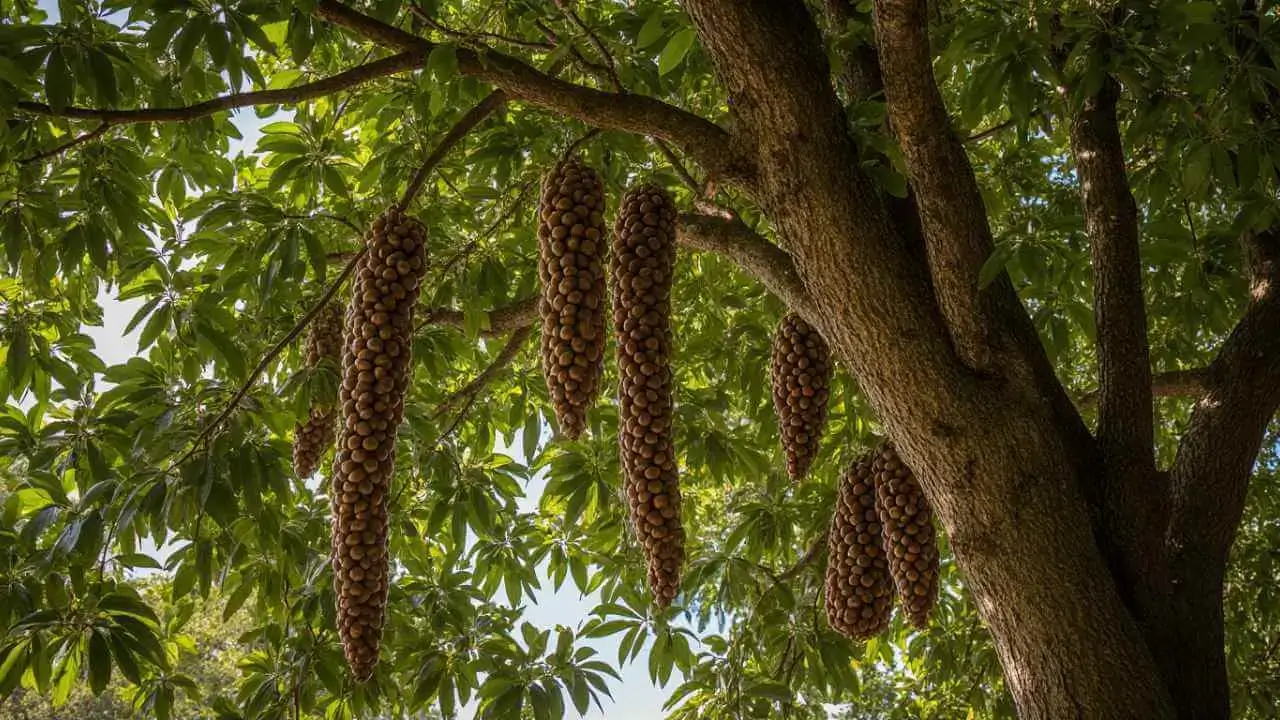
Quick Tamarind Care Summary
-
Use well-draining sandy or loamy soil
-
Deep watering while young, less frequent once mature
-
Light pruning in late winter or early spring
-
Avoid constant wet soil
For pruning schedules and soil preparation tips, check our tamarind plant care guide.
Cocoa Bean Tree (Cacao): Grow Chocolate Indoors
Cacao is a dream tree for indoor tropical gardeners. It can thrive in containers with warm temperatures and high humidity. Cacao prefers filtered light rather than harsh direct sunlight.
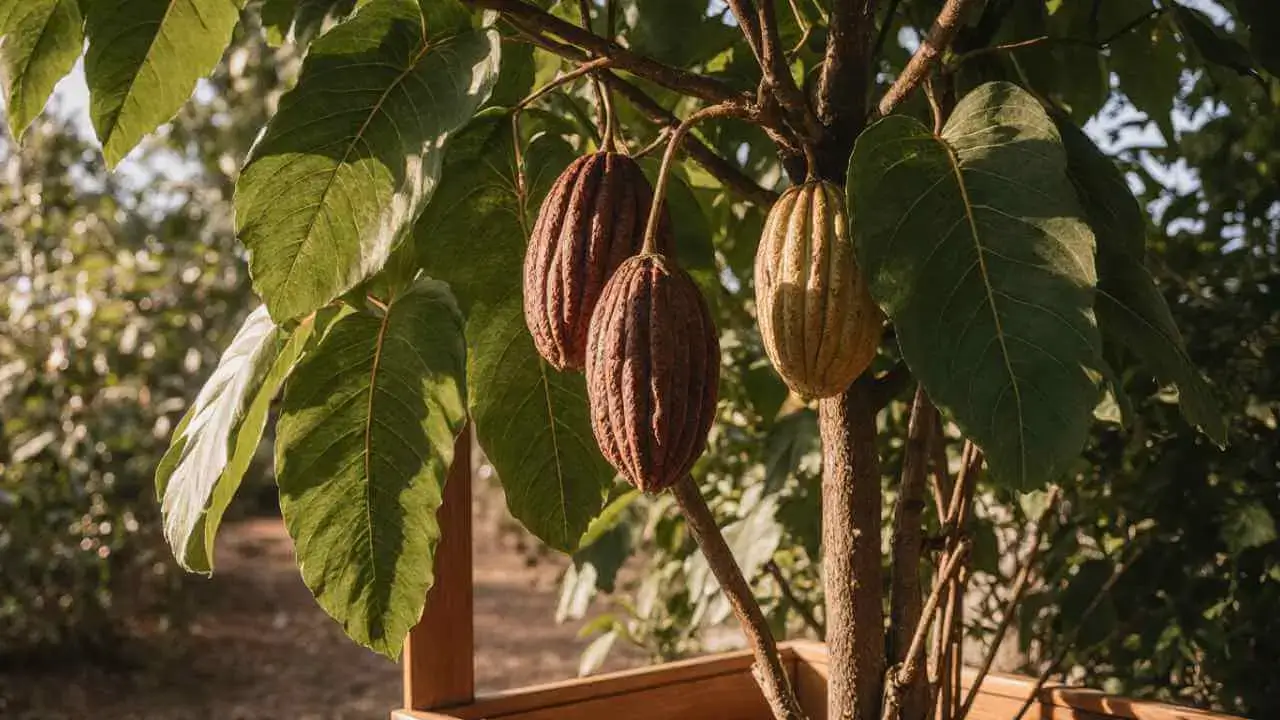
Indoor Success Essentials
-
Bright filtered light for 4 to 6 hours
-
Temperature 70°F to 85°F
-
Humidity 60% to 80%
-
Moist soil, never soggy
-
Well-draining rich soil mix with compost and perlite
For indoor growing strategies and pod development secrets, read our complete cocoa bean tree guide.
Cashew Tree: The Tropical Gem of Florida
Cashew is one of the most fascinating tropical trees because it produces both a cashew apple and a nut. The nut must be handled safely because the shell contains oils that require proper processing. The apple is fragrant and can be used fresh, juiced, or preserved.
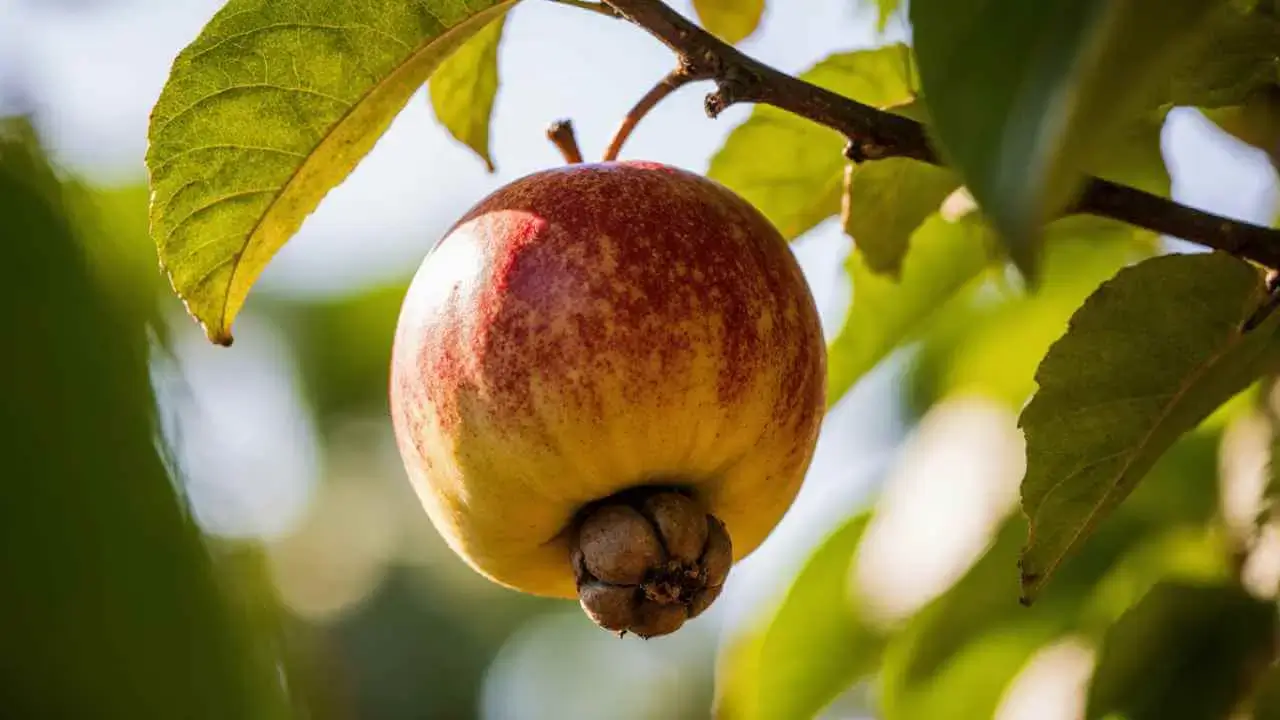
Cashew Care Basics
-
Full sun 6 to 8 hours
-
Sandy or loamy soil with excellent drainage
-
Deep watering during dry spells
-
Light pruning to keep airflow and shape
Florida growers can maximize yields by following our detailed cashew trees in Florida guide.
Caring for Tropical Fruit Trees Like a Pro
Most tropical fruit trees share the same core care needs. If you master these, you will succeed with many species.
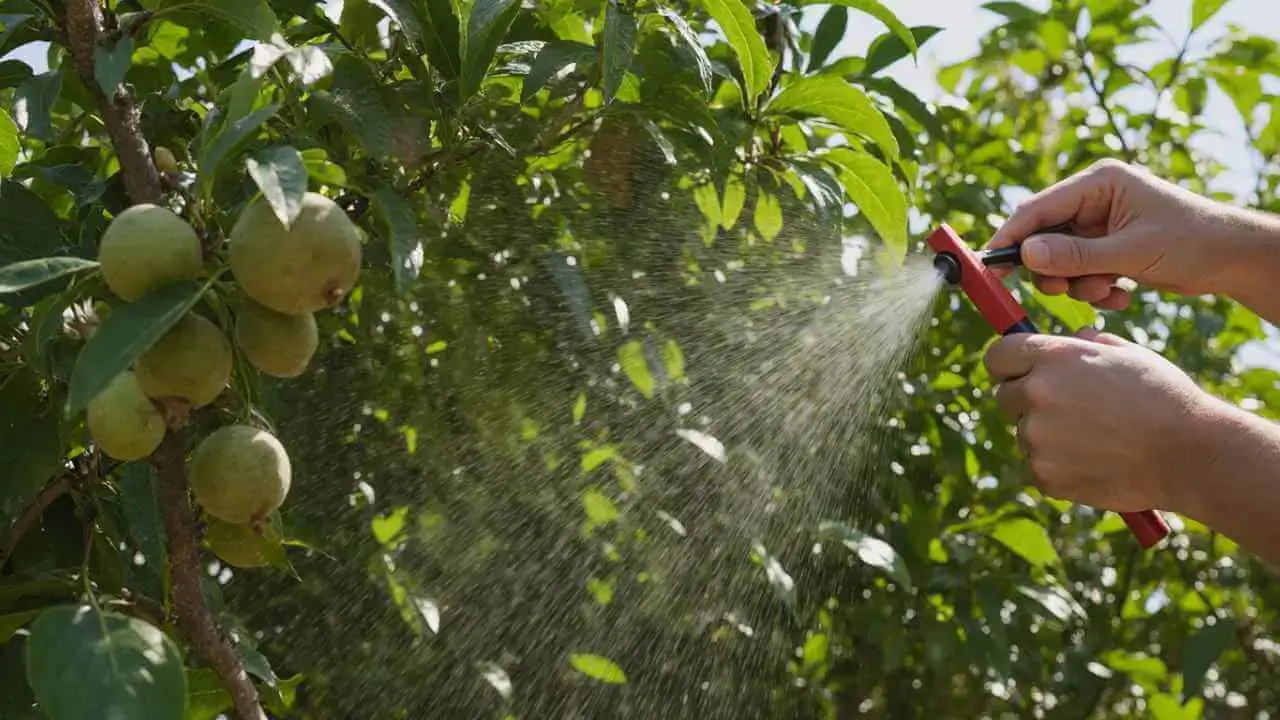
Most tropical fruit trees share the same core care needs. If you master these, you will succeed with many species. For foundational watering and soil principles, refer to our complete plant care guide.
Sunlight
Tropical trees are sun lovers. Aim for 6 to 8 hours daily. If you grow in containers, rotate plants for even exposure. Indoors, consider full-spectrum grow lights if natural light is not enough.
Soil Drainage
Drainage is the difference between healthy roots and root rot. Improve drainage by:
-
Adding compost for structure
-
Mixing coarse sand or perlite for airflow
-
Using raised mounds or raised beds outdoors
-
Using pots with drainage holes
Fertilization Cycles
Tropical trees are fast growers and need nutrition. Use balanced NPK feeding during growth season.
General routine:
-
Young trees: feed every 6 to 8 weeks in active season
-
Mature trees: feed 2 to 3 times per year
Organic compost, worm castings, and compost tea are excellent supports for long-term soil health.
Pruning
Light pruning improves airflow and fruiting structure. Best time is often late winter or early spring. Remove dead or crossing branches and keep canopy open.
Tropical Fruit Tree Maintenance Calendar
A seasonal routine keeps trees strong and harvest consistent. This calendar is designed for Florida, Texas Gulf areas, and Hawaii with simple adjustments for your region.
Spring
-
Plant new trees as soil warms
-
Light pruning and shaping
-
Start balanced feeding
-
Increase watering gradually
Summer
-
Feed with higher potassium support for fruit
-
Inspect for pests weekly
-
Mulch for moisture and soil temperature
-
Deep watering 2 to 3 times per week depending on heat
Fall
-
Harvest ripe fruit carefully
-
Add compost after harvest
-
Reapply mulch for soil protection
-
Light pruning of broken branches
Winter
-
Protect young trees from cold snaps
-
Reduce watering
-
Pause feeding in dormancy
-
Move containers indoors in cooler zones
A well-planned seasonal care routine is the secret to keeping your tropical fruit trees thriving year after year. These trees respond strongly to seasonal changes in temperature, rainfall, and daylight, and tailoring your care routine to these cycles ensures steady growth, healthier foliage, and bountiful harvests. Whether you’re growing in Florida, Texas, or Hawaii, following this calendar will help you nurture your tropical orchard like a pro.
Harvesting and Enjoying Your Tropical Fruits
How Do You Know When Tropical Fruit Is Ready to Harvest?
Tropical fruits are ready when their color deepens, aroma increases, and the fruit slightly softens when gently pressed.
Harvesting is the reward for consistency. Each fruit has ripeness signals:
-
Mango: aroma + color shift + slight softness
-
Papaya: mostly yellow or orange skin + fragrance
-
Tamarind: brown brittle pods + sticky soft pulp
-
Cashew apple: bright color + fruity aroma
-
Cacao pods: color shift + hollow sound when tapped
Enjoying your harvest:
-
Fresh eating, smoothies, juices
-
Drying papaya slices or tamarind pulp
-
Preserves like jam, chutney, sauces
-
Cacao processing for chocolate projects
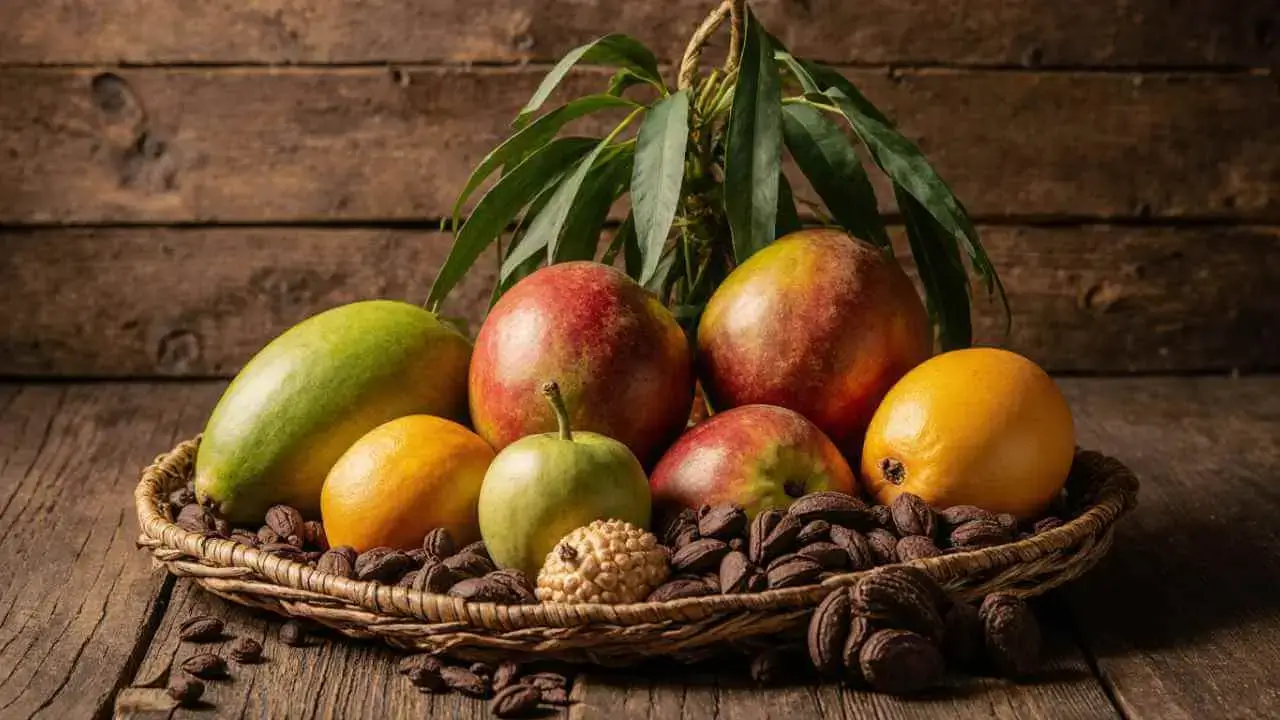
Many tropical fruits also connect to broader wellness practices discussed in our natural healing and wellness guide. Many tropical fruits are valued not only for flavor but also for traditional wellness practices. Some gardeners also grow trees for their soursop leaf benefits, which are often explored beyond fruit production. These plant-based uses connect tropical gardening with holistic living and sustainable health traditions.
Do Tropical Fruit Trees Grow in Cold Climates?
Most tropical fruit trees prefer temperatures between 65°F and 95°F. However, many can survive in cooler areas if grown in containers and moved indoors during winter.
Common Challenges and How to Fix Them
Root Rot
Cause: soggy soil and poor drainage
Fix: improve drainage, water only when top inch is dry, use raised mounds
Fungal Issues
Cause: humidity and dense canopies
Fix: prune for airflow, remove infected leaves, avoid overhead watering, neem-based prevention
Pests Like Aphids, Mealybugs, Fruit Flies
Fix: neem oil or insecticidal soap, beneficial insects, clean fallen fruit and debris, fruit protection bags
Nutrient Deficiencies
Signs:
-
pale leaves may signal low nitrogen
-
brown edges may signal potassium shortage
Fix: balanced feeding + compost + mulch support
Expanding Your Tropical Orchard: Combining Beauty and Yield
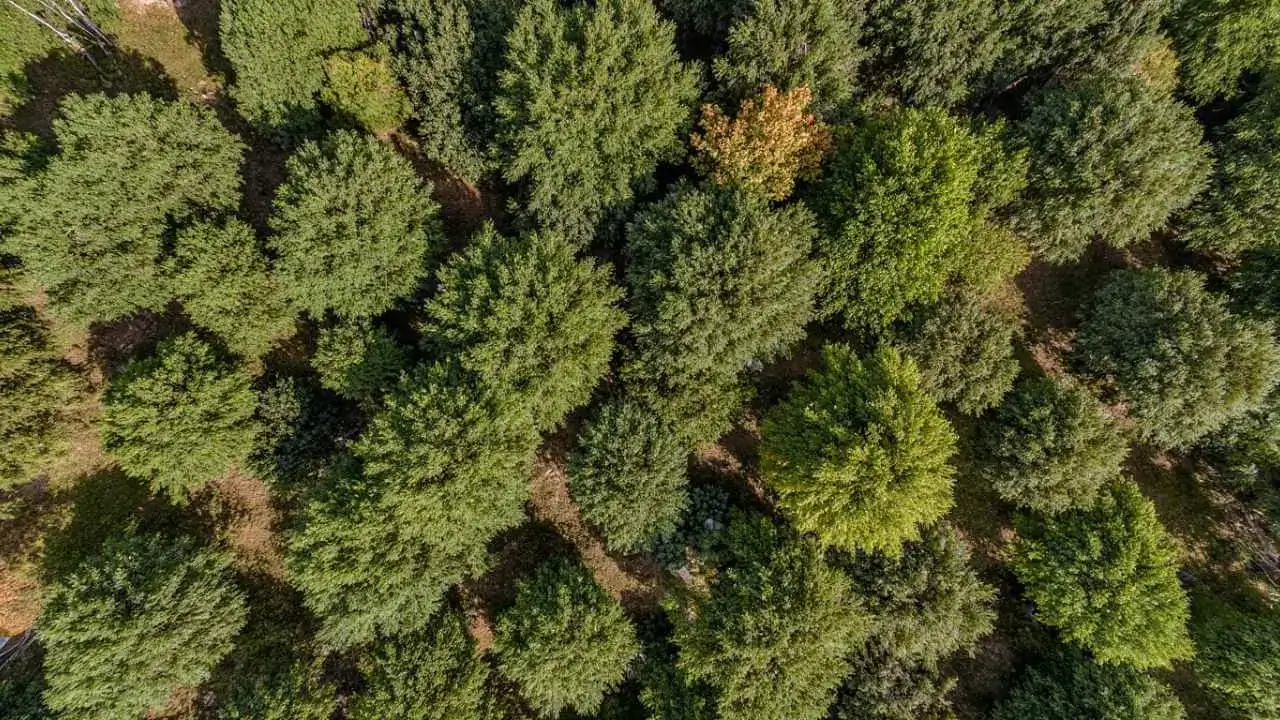
Companion planting and smart layout can improve results and make your garden look like a true tropical retreat.
Cashew and Tamarind Pairing
Tamarind provides shade and structure. Cashew adds color and variety. Together they create a layered orchard effect.
Mango and Citrus Pairing
Both enjoy similar soil types and watering patterns. Mango can provide light shade in harsh heat.
Papaya and Banana Pairing
Great for small spaces. Papaya grows upright and banana spreads wider, using space efficiently.
Final Thoughts: Bring the Tropics to Your Backyard
Growing tropical fruit trees is not just gardening. It is building your own paradise. These trees give shade, beauty, fragrance, and real harvest rewards. Even one potted papaya or dwarf citrus can transform a patio. Over time, your garden becomes a space of abundance and peace.
Start small, choose the right tree for your climate, and follow consistent care routines. With sunlight, drainage, and patience, tropical fruit trees can thrive for years and give you harvests that feel like nature’s best gift.
FAQs About Tropical Fruit Trees
Papaya, banana, fig, mango, and dwarf citrus are beginner-friendly, fast-growing, and adaptable.
Yes, many can thrive indoors with filtered light, warm temperatures, and good humidity. Cacao and dwarf citrus are common choices.
Mango, papaya, tamarind, cashew, citrus, and guava do well in many Florida areas, especially Zones 9B to 11.
Some can fruit in 1 to 3 years. Others may take 3 to 7 years depending on species and whether it is grafted.
Well-draining sandy or loamy soil enriched with organic matter is ideal. Avoid heavy clay that holds water.
Inspect weekly, prune for airflow, keep area clean, and use neem oil or insecticidal soap when needed.
Most prefer warm temperatures. Use frost cloth, mulch, wind protection, and bring containers indoors during cold snaps.
Young trees need more frequent watering. Mature trees generally do better with deep watering once weekly, depending on rainfall and drainage.
Yes. Light pruning improves airflow and sunlight, supports fruiting, and reduces fungal risk.
Yes. Pairing trees smartly can improve yield and aesthetics, especially with compatible sunlight and water needs. What are the easiest tropical fruit trees to grow at home?
Can I grow tropical fruit trees indoors?
Which tropical fruit trees grow best in Florida?
How long does it take for tropical fruit trees to bear fruit?
What soil is best for tropical fruit trees?
How do I protect trees from pests and diseases?
Can tropical fruit trees survive cold weather?
How often should I water tropical fruit trees?
Do tropical fruit trees need pruning?
Can I grow multiple tropical fruit trees together?

Written by the LeafyHeaven Editorial Team
LeafyHeaven shares practical gardening tips and simple plant care guides to help you grow, nurture, and enjoy your plants with ease. Our goal is to make gardening feel natural, approachable, and rewarding for everyone.

[…] Read Also: Tropical Fruit Trees: Grow Exotic Paradise at Home […]
[…] Read Also: Tropical Fruit Trees: Grow Exotic Paradise at Home […]
[…] Read Also: Tropical Fruit Trees: Grow Exotic Paradise at Home (Grow Guide) […]
[…] Read Also: Tropical Fruit Trees: Grow Exotic Paradise at Home (Grow Guide) […]
[…] Read Also: Tropical Fruit Trees: Grow Exotic Paradise at Home (Grow Guide) […]
[…] Read Also: Tropical Fruit Trees: Grow Exotic Paradise at Home (Grow Guide) […]
[…] Read Also: Tropical Fruit Trees: Grow Exotic Paradise at Home (Grow Guide) […]
[…] Read Also: Tropical Fruit Trees: Grow Exotic Paradise at Home (Grow Guide) […]
[…] Tropical Fruit Trees: Grow Exotic Paradise at Home (Guide) […]
[…] explore more ways to support fruit trees naturally, you can also read our guide on Tropical Fruit Trees: Grow Exotic Paradise at Home, which pairs beautifully with companion planting […]
[…] more inspiration on heat-loving plants, you can check my tropical fruit trees guide, which covers dozens of varieties that thrive in warm and humid climates like […]
[…] 🌿 For a deeper look into fruit-growing techniques, explore “Tropical Fruit Trees: The Ultimate Guide to Growing Exotic Fruits at Home.” […]