
Introduction
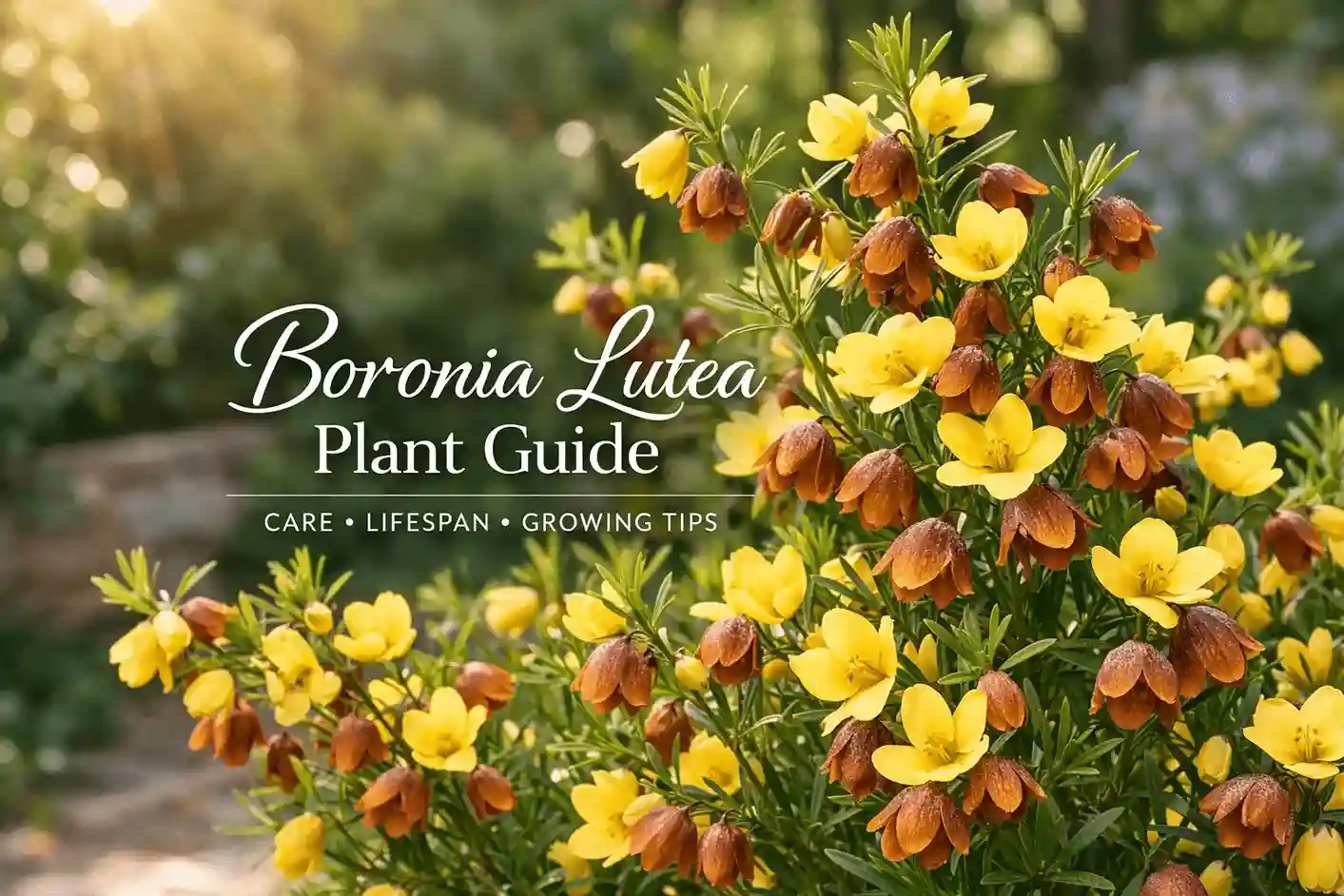
Boronia lutea is a highly valued boronia plant known for its striking fragrance and delicate floral display. Widely admired in ornamental gardening, this plant produces elegant boronia flowers that add both visual appeal and aromatic richness to gardens. It is closely related to boronia megastigma lutea, a well-known species often associated with brown boronia varieties. Gardeners appreciate boronia flowers not only for their beauty but also for their unique scent, making them ideal for decorative and sensory landscapes. Due to its specialized care needs, understanding this boronia plant is essential for successful growth and long-term performance. For a broader understanding of related species, explore this detailed guide on Boronia Native Plant: Care, Varieties and Growth.
What is Boronia Lutea? (Plant Overview)
Botanical Classification & Scientific Background
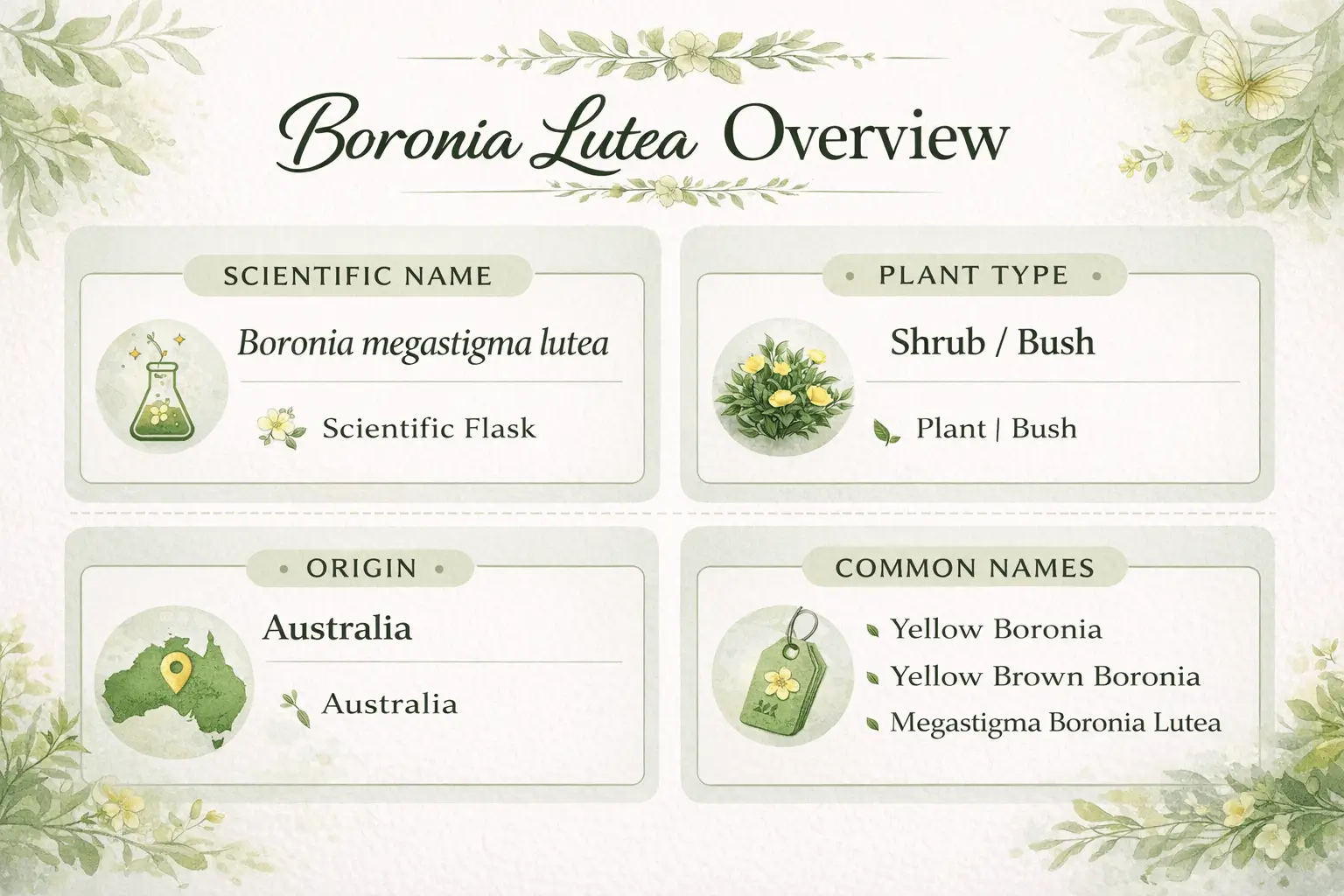
- Scientific name: boronia megastigma lutea
- Family: Rutaceae
- Genus: boronia / boronias
Common names:
- Brown boronia
- Yellow boronia
- Flower boronia
Boronia lutea belongs to a group of aromatic flowering plants known for their ornamental and fragrance value. Boronia belongs to the Boronia (genus), a group of aromatic flowering plants widely recognized in botanical classification.
Is Boronia Native to Australia?
Yes, boronia is native to Australia. Native boronia species naturally grow in specific regions with suitable climate and soil conditions.
Natural habitat includes:
- Coastal and inland regions
- Well-drained sandy or loamy soils
- Mild, temperate climates
This native adaptation explains its sensitivity to environmental changes.
Plant Type – Shrub, Bush or Tree?
Boronia is commonly misunderstood as different plant types.
Clarification:
- Not a tree
- Classified as a small shrub
- Often referred to as a boronia bush
Growth habit:
- Compact and bushy structure
- Soft stems with fine foliage
- Suitable for small garden spaces
Key Features of Boronia Lutea
Appearance of Boronia Flower
Boronia flower characteristics are one of its main attractions.
Features:
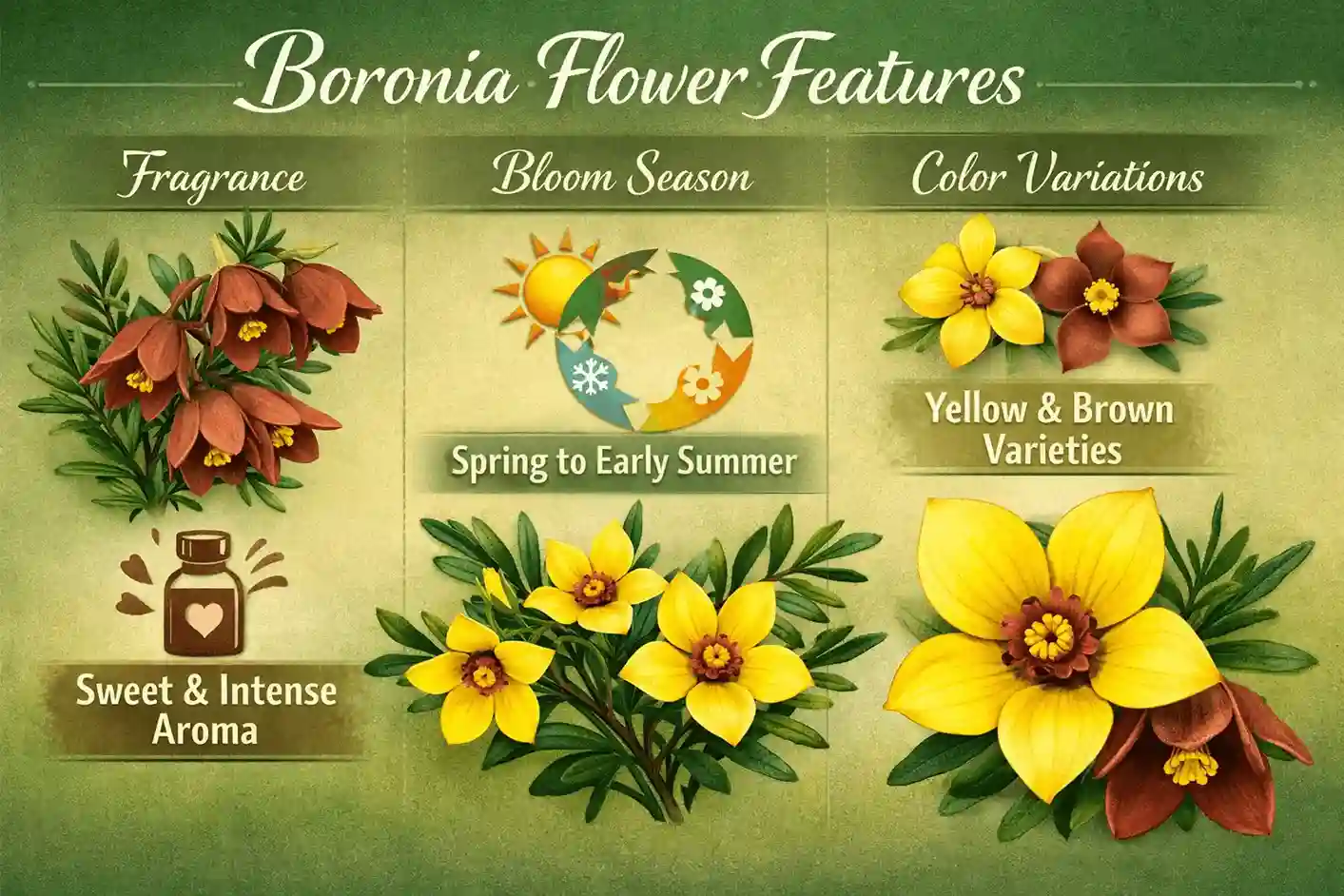
- Small, star-shaped boronia flowers
- Waxy texture
- Strong, sweet fragrance
Color variations:
- Yellow boronia tones
- Brown boronia shades
Blooming:
- Seasonal flowering (typically spring)
- Highly fragrant during bloom period
Growth Size & Structure
- Average height: 1–1.5 meters
- Spread: compact and rounded
- Dense foliage structure
Compared to a boronia shrub or boronia bush, it maintains a neat, manageable size suitable for ornamental planting.
Root System & Growth Behavior
- Shallow root system
- Highly sensitive to disturbance
Importance:
- Avoid transplant shock
- Requires stable planting location
- Needs well-drained soil to prevent root damage
Boronia Lifespan & Growth Cycle
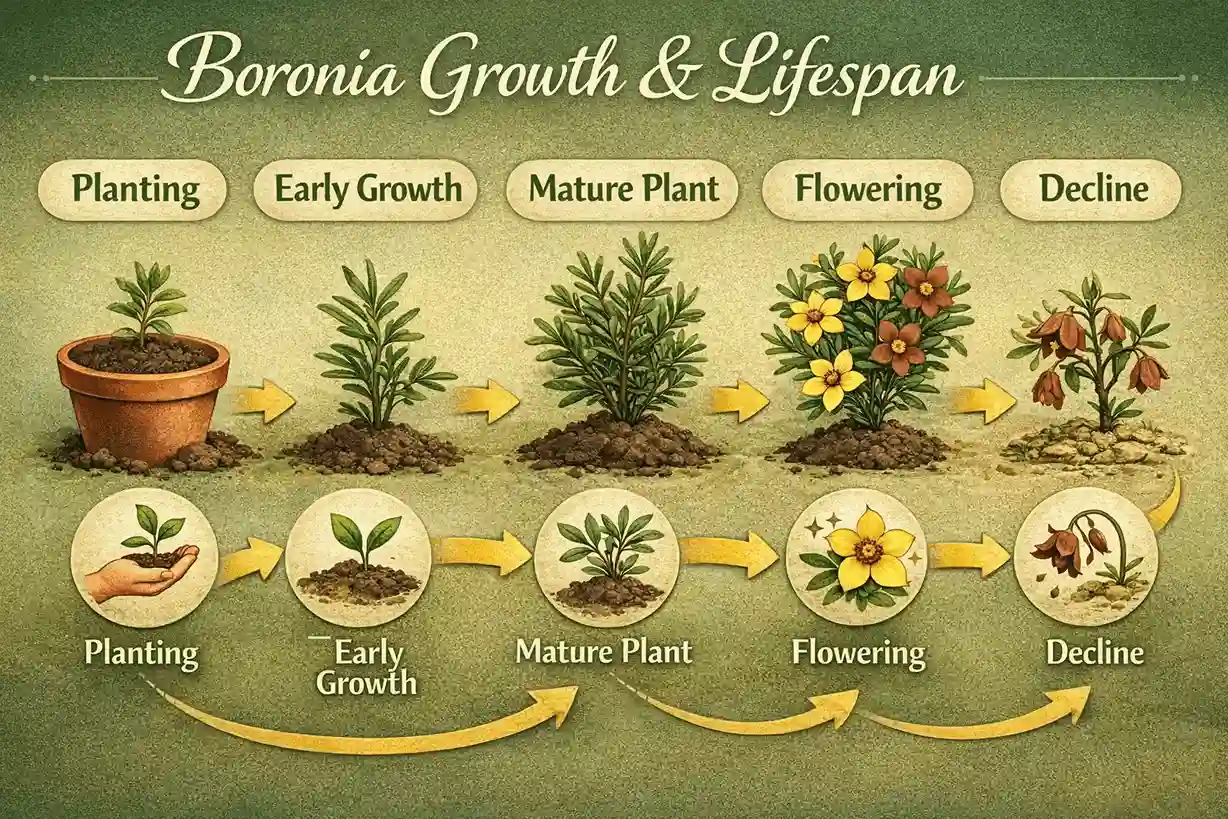
Average Boronia Lifespan
The boronia lifespan is relatively short.
- Typical lifespan: 3–5 years
- Considered a short-lived shrub
Growth Timeline
Growth stages:
- Establishment phase after planting
- Vegetative growth
- Flowering stage (seasonal)
Boronia plants grow quickly but require proper care to reach flowering stage efficiently.
Factors Affecting Lifespan
- Soil quality
- Watering consistency
- Climate conditions
- Root stress or disturbance
Proper management can slightly extend lifespan boronia plants.
How to Grow Boronia Lutea Successfully
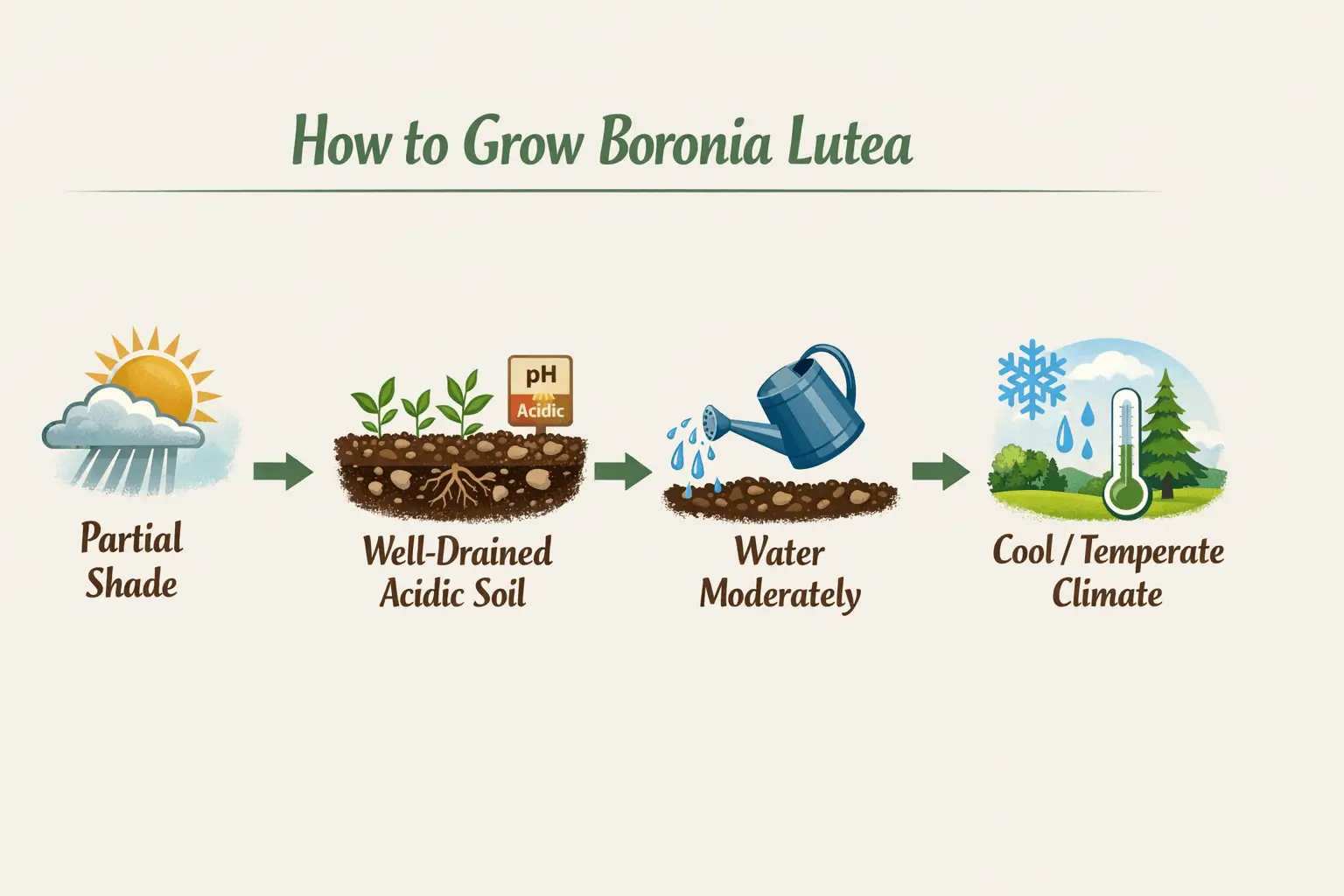
Ideal Growing Conditions
- Climate: cool to temperate
- Avoid extreme heat
Sunlight:
- Partial shade preferred
- Can tolerate mild full sun
Soil Requirements
- Well-drained soil is essential
- Slightly acidic pH
Soil improvements:
- Add organic matter
- Ensure aeration
Growing Boronia in Pots
Growing boronia in pots is possible with proper setup.
Requirements:
- Medium-sized container
- Excellent drainage holes
- Lightweight, well-draining soil mix
Placement:
- Bright but indirect light
- Protected from harsh weather
Similar care principles can also be seen in other ornamental plants like Anigozanthos Masquerade Care and Growing Guide.
Boronia Plant Care Guide
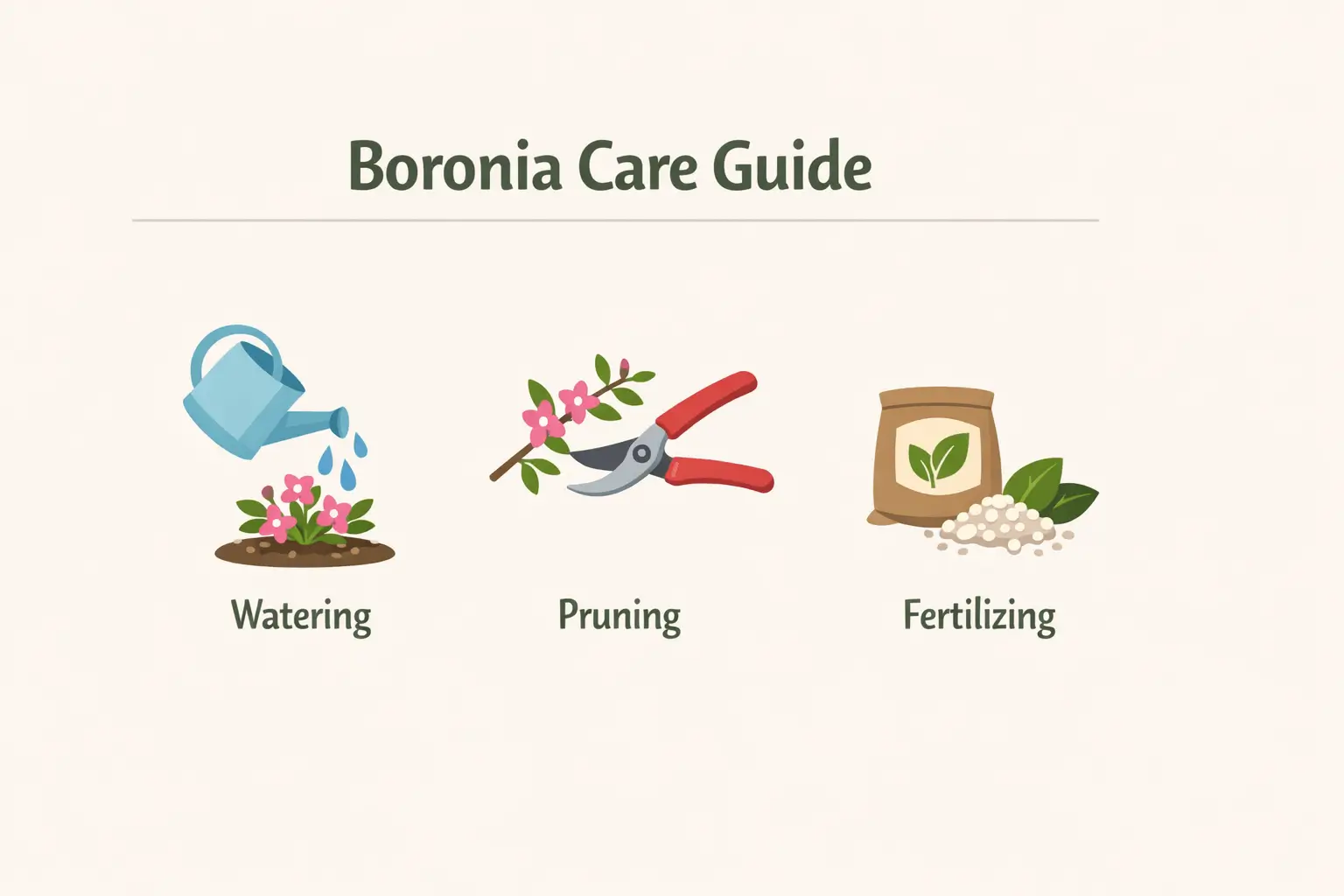
Watering Needs
- Keep soil consistently moist
- Avoid waterlogging
Fertilizing Tips
- Use low-phosphorus fertilizers
- Essential for native boronia plants
Pruning & Maintenance
- Light pruning after flowering
- Maintain shape of boronia shrub
- Remove dead or weak growth
Popular Boronia Varieties & Related Species
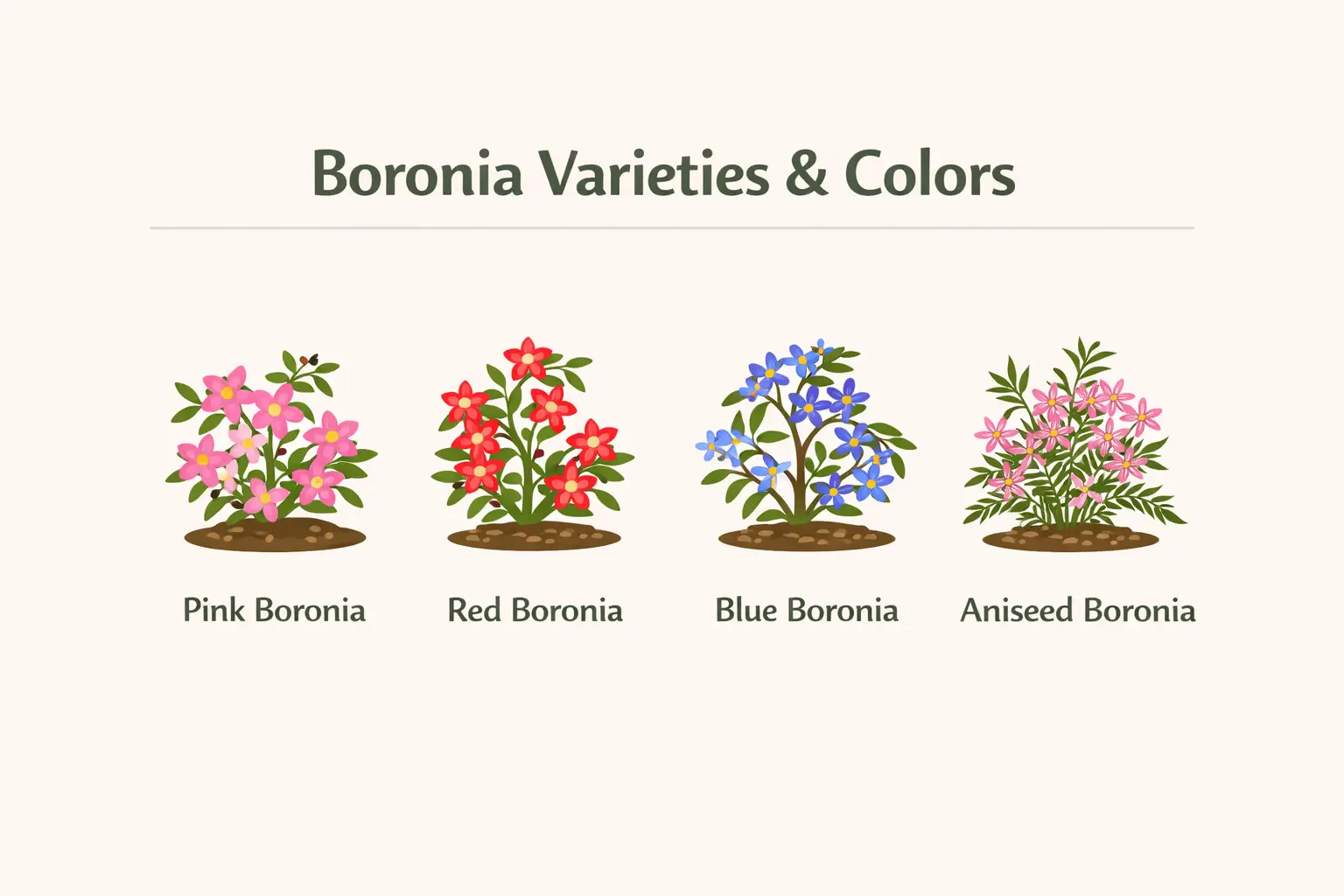
Common Boronia Types
- boronia megastigma
- boronia heterophylla / boronia heterophylla plant
- boronia crenulata
- boronia denticulata
- boronia pinnata
- boronia muelleri
Color Variants
- pink boronia / boronia pink
- red boronia
- blue boronia / boronia blue waves
- aniseed boronia
Common Problems & Precautions
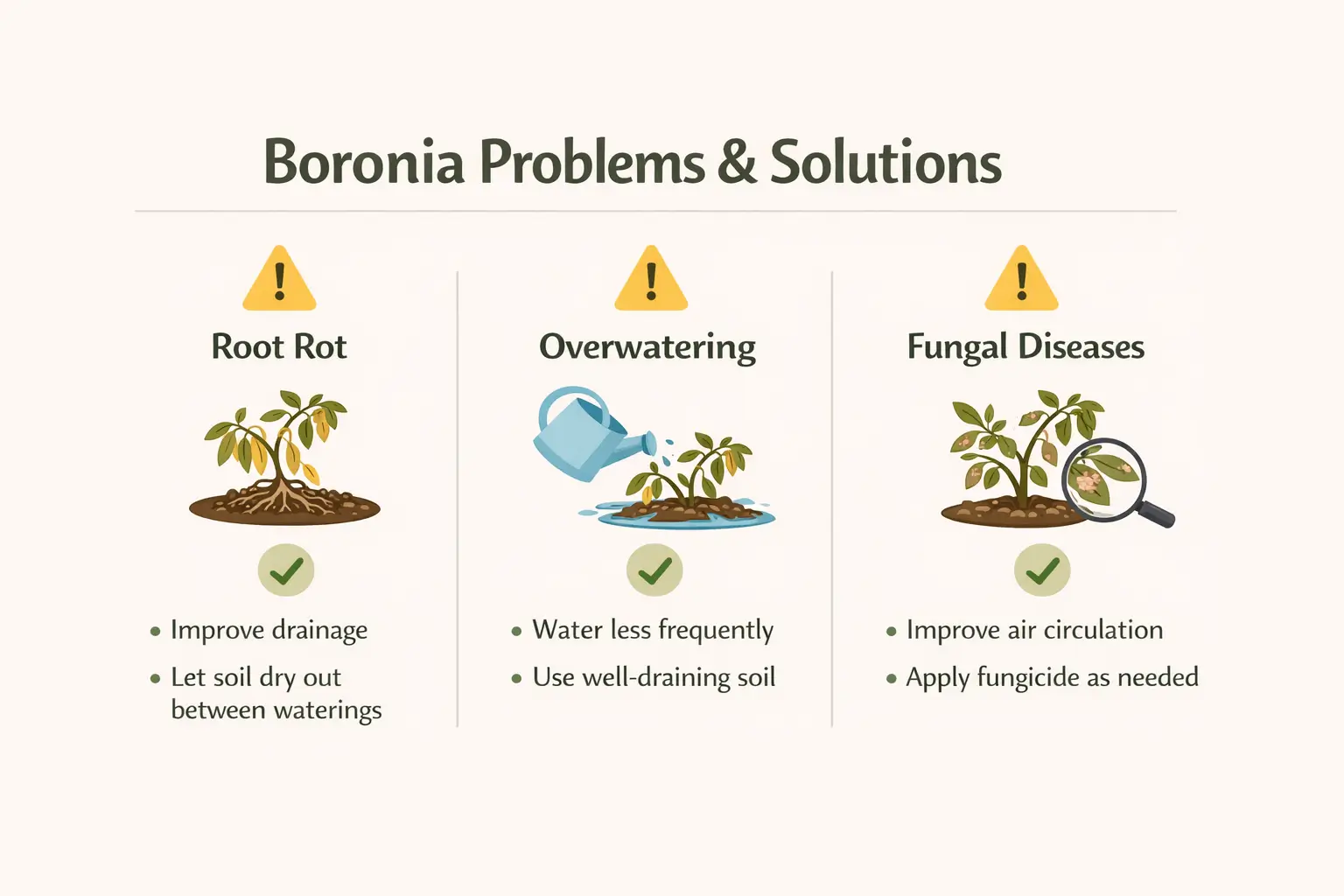
Sensitivity Issues
- Root disturbance sensitivity
- Overwatering risks
Pests & Diseases
- Fungal infections in poorly drained soil
- Root rot issues
Care Mistakes to Avoid
- Over-fertilizing
- Using incorrect soil type
Uses of Boronia Lutea
Ornamental Landscaping
- Ideal for decorative gardens
- Suitable for borders and feature planting
- Enhances visual appeal
Fragrance & Aromatic Uses
- Extracted essential oils
- Used from boronia flowers for fragrance production
Conclusion
Boronia lutea is a visually appealing and aromatic boronia plant that offers exceptional value in ornamental gardening. Despite its short lifespan and sensitivity, it remains highly desirable due to its unique boronia flowers and fragrance. With proper soil, watering, and climate conditions, gardeners can successfully grow and maintain healthy boronia plants. Understanding its specific needs is key to maximizing its beauty and longevity. For complete plant care strategies, refer to this comprehensive Gardening & Plant Care Guide for Thriving Plants.
FAQs
What is boronia and why is it popular?
Boronia is a flowering plant known for its fragrant boronia flowers and ornamental value in gardens.
Is boronia native to Australia?
Yes, boronia is native to Australia and adapted to its natural climate and soil conditions.
What is the lifespan of boronia plants?
The lifespan boronia plants typically ranges from 3 to 5 years.
Can boronia be grown in pots?
Yes, growing boronia in pots is possible with well-drained soil and proper care.
What is the difference between boronia lutea and boronia megastigma?
Boronia lutea is a variation associated with boronia megastigma, differing mainly in color and specific characteristics.
Does boronia grow as a tree or shrub?
Boronia grows as a shrub or bush, not as a tree.

Written by the LeafyHeaven Editorial Team
LeafyHeaven shares practical gardening tips and simple plant care guides to help you grow, nurture, and enjoy your plants with ease. Our goal is to make gardening feel natural, approachable, and rewarding for everyone.