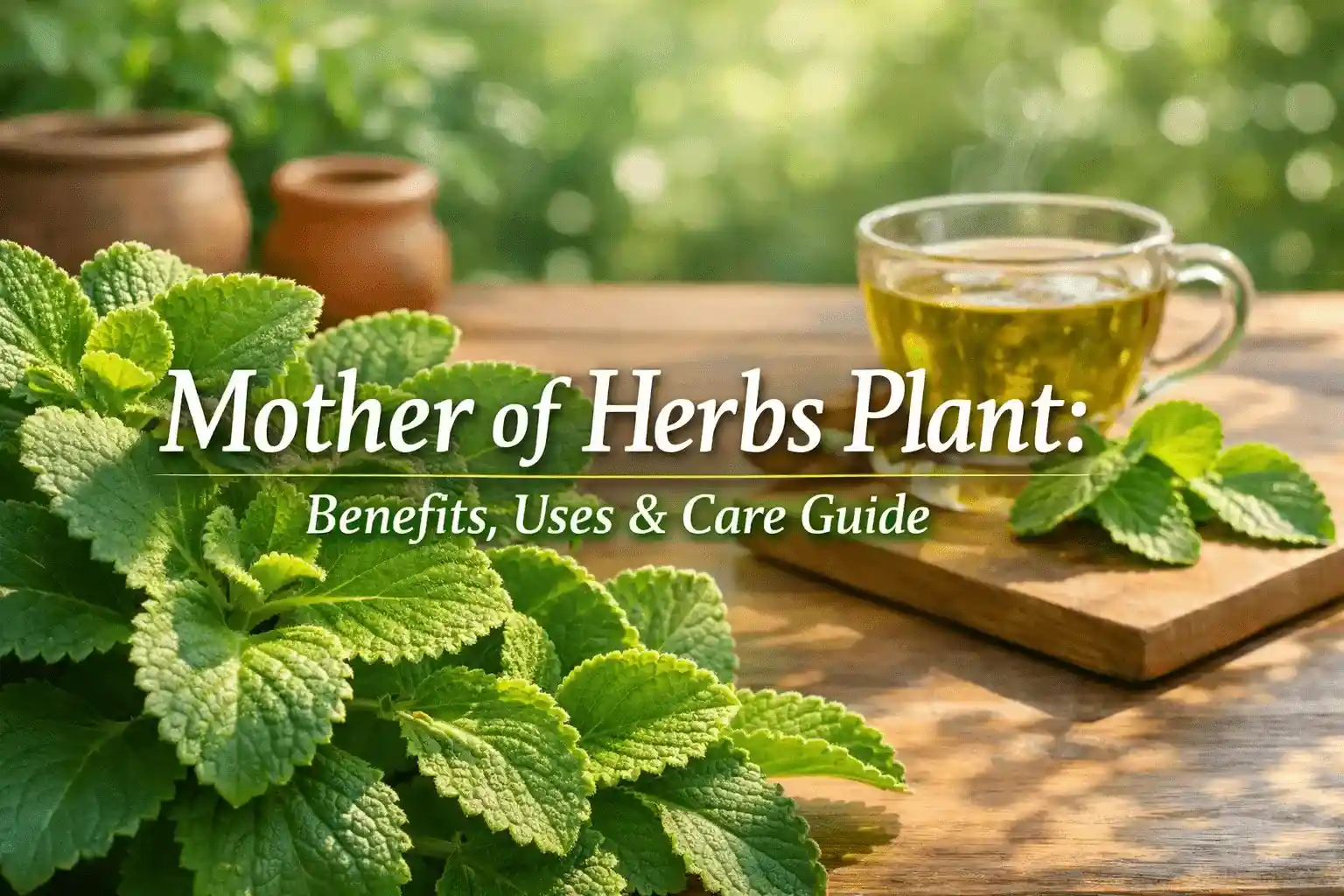

Introduction to Mother of Herbs Plant
The mother of herbs plant is a versatile and widely valued herb known for its medicinal and culinary uses. Often referred to as mother of all herbs, mexican mint, or queen of herbs, this plant has gained popularity due to its strong aroma, easy cultivation, and powerful health benefits. Scientifically known as plectranthus amboinicus, it is commonly used in traditional remedies across various regions. The plant is especially valued for its role in supporting respiratory health, digestion, and immunity. Its adaptability and usefulness make it a preferred choice among herbal enthusiasts and home gardeners alike.
Botanical Overview of Mother of Herbs Plant
Scientific Classification & Names
The scientific name of the mother of herbs plant is plectranthus amboinicus. It belongs to the Lamiaceae family, which includes other aromatic herbs. This plant is known by different names across regions, including mother of herbs australia, mexican mint, and indian borage. These names reflect its widespread use and recognition in different climates and cultures. The plant, scientifically known as Plectranthus amboinicus, belongs to the mint family and is widely recognized for its aromatic and medicinal properties.
Plant Characteristics
The plant features thick, fleshy leaves with a soft, velvety texture and a strong, oregano-like aroma. The leaves are typically green with slightly scalloped edges. It grows in a bushy pattern and can reach a moderate height, making it suitable for both indoor and outdoor settings. The growth rate is relatively fast under favorable conditions. It thrives best in warm climates but can adapt to moderate environments with proper care.
Root System & Growth Behavior
The mother of herbs plant has a shallow root system, which makes it ideal for container gardening. It grows well in pots as well as in garden beds, provided the soil is well-draining. Due to its spreading nature, it can cover space quickly and is often used as a low-maintenance herb in home gardens.
Mother of Herbs Plant Benefits (Medicinal & Health Uses)
Key Health Benefits
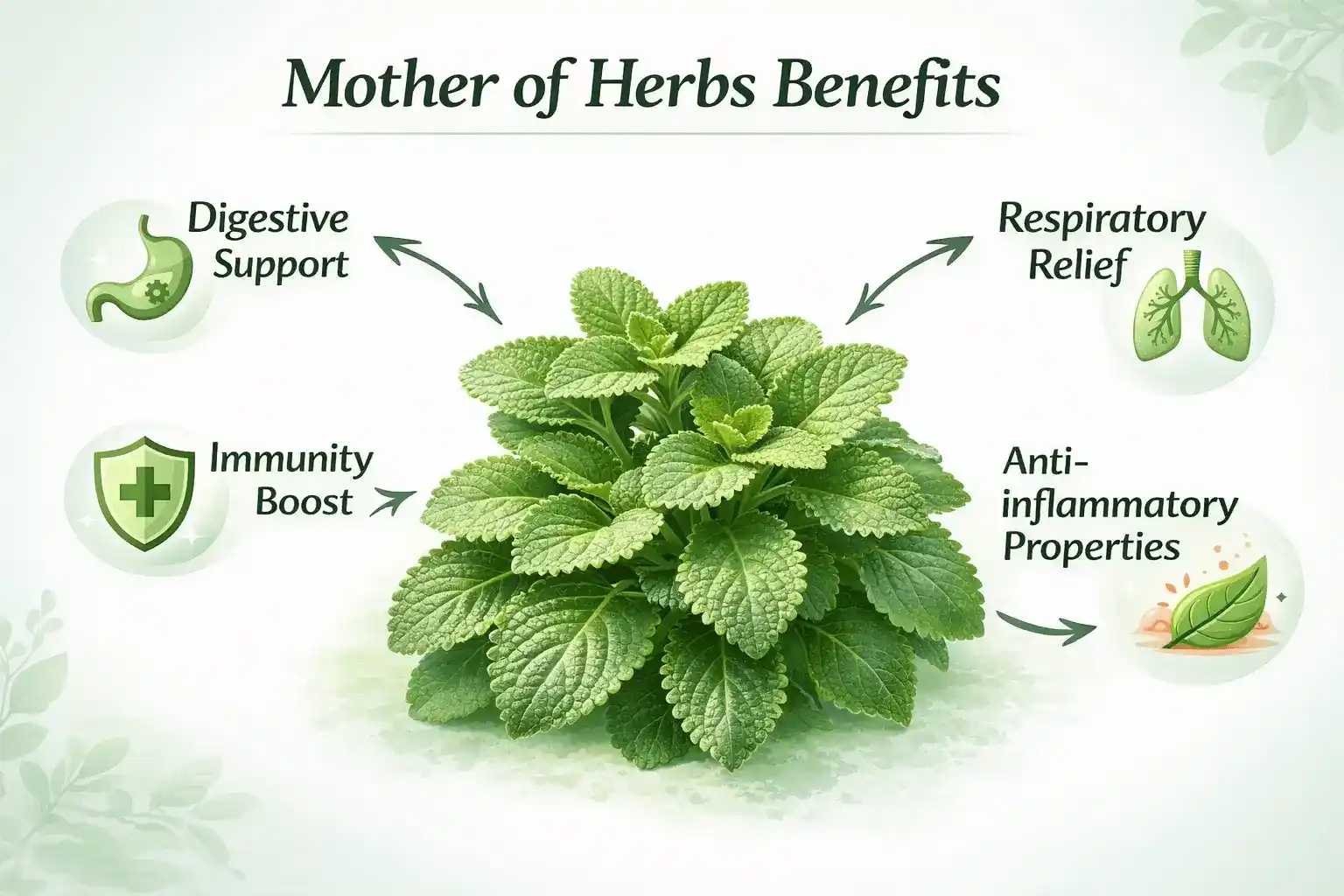
The mother of herbs benefits are widely recognized in both traditional and modern herbal practices.
- Digestive support: Helps relieve indigestion, bloating, and stomach discomfort
- Respiratory relief: Useful for cough, cold, and congestion
- Immunity boost: Contains compounds that support immune function
- Anti-inflammatory properties: Helps reduce inflammation and irritation
These mother of herbs health benefits explain what is mother of herbs good for, especially in natural remedies. You can also explore similar herbal support in 5+ Powerful Vicks Plant Benefits for Health & Home Comfort, which is widely used for respiratory comfort and natural relief.
To understand how herbs like this fit into broader natural remedies, refer to Natural Healing & Wellness: Nature’s Remedies Guide for a complete overview of plant-based healing practices.
Traditional & Modern Uses
The plant plays a significant role in herbal medicine, especially in traditional healing systems. The mother of all herbs medicinal uses include treating respiratory issues, digestive problems, and skin conditions. In modern usage, it is often incorporated into herbal teas and natural supplements. Compared to herbs like mugwort, it is milder and more commonly used in everyday remedies.
For broader natural wellness applications, plants like 5+ Powerful Benefits of Lavender Plant at Home are also valued for their calming and therapeutic properties.
How to Use Mother of Herbs Plant
Culinary Uses
The leaves are commonly used in cooking due to their strong flavor and aroma.
- Added to soups and stews
- Used in mother of all herbs recipes for seasoning
- Incorporated into mother of herbs recipe variations
- Used fresh or dried in mother of herb recipes
Herbal Tea Preparation
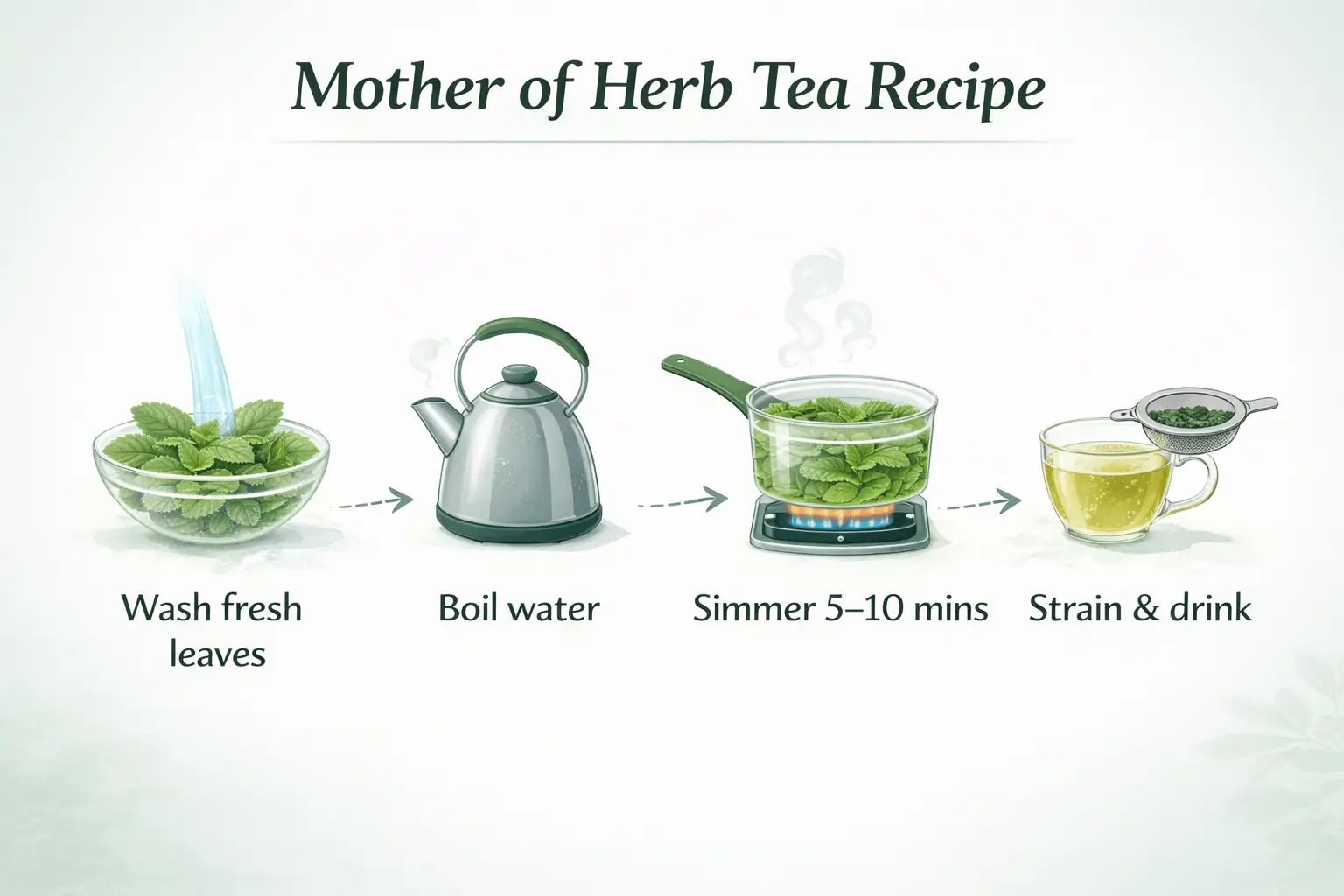
A simple mother of herb tea recipe can be prepared at home:
- Take fresh leaves and wash them thoroughly
- Boil water and add a few crushed leaves
- Let it simmer for 5–10 minutes
- Strain and serve warm
This tea is often used for respiratory relief and digestion.
Medicinal Applications
The mother of herbs uses extend beyond consumption:
- Leaves applied as paste for skin irritation
- Extracts used in herbal remedies
- mother herb oil used for topical application
- Internal use in controlled amounts for health support
How to Grow and Care for Mother of Herbs Plant
Growing Conditions
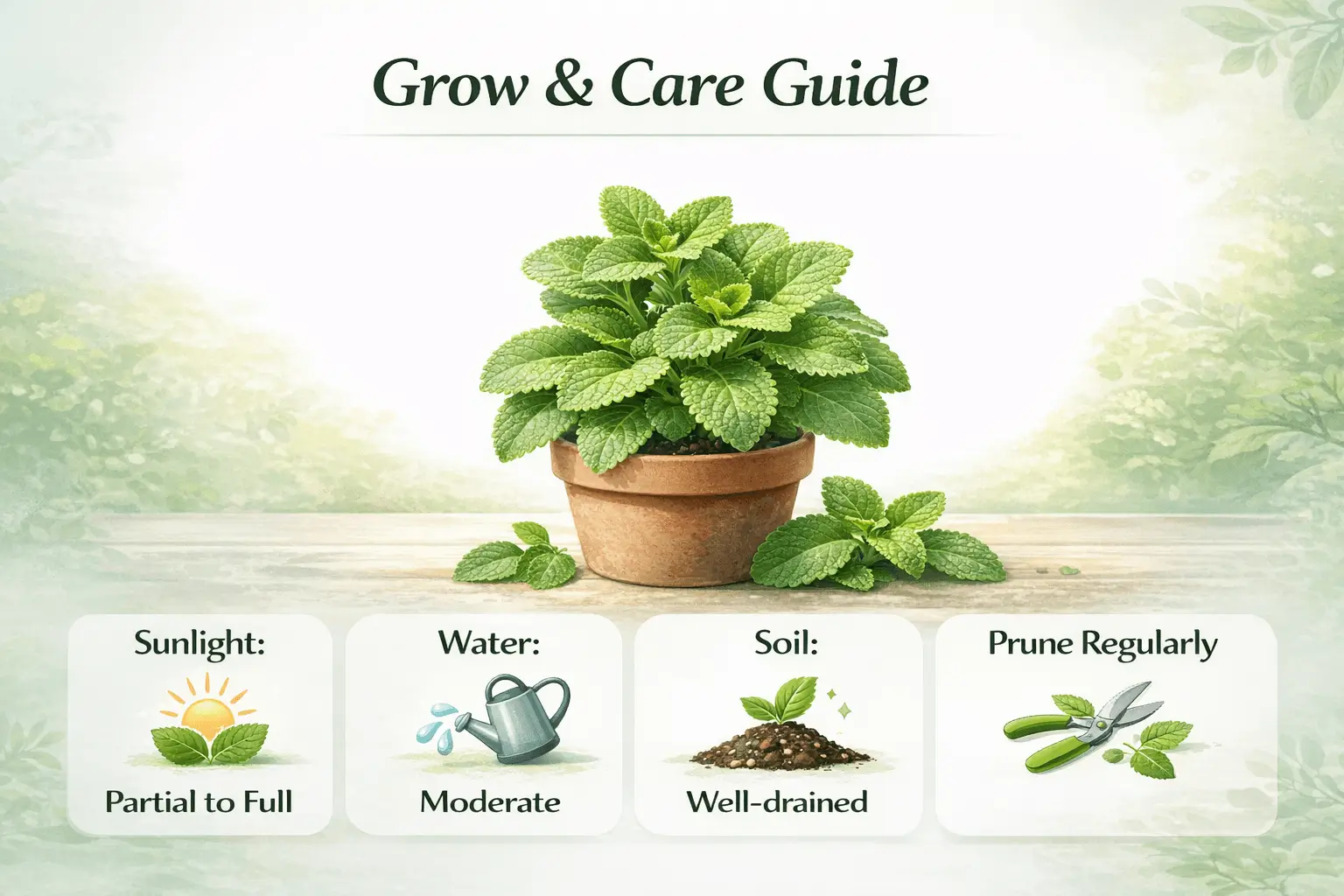
The plant grows best in:
- Well-draining soil
- Partial to full sunlight
- Moderate watering (avoid overwatering)
It can be grown both indoors and outdoors depending on climate.
Propagation Methods
Propagation is simple and effective:
- Use stem cuttings
- Place in water or soil until roots develop
- Fast-growing nature ensures quick results
Maintenance & Care Tips
- Regular pruning promotes bushy growth
- Protect from pests using natural methods
- Understanding how to use mother of herbs includes proper care for optimal yield
Availability & Where to Buy
Buying Options
The plant is widely available:
- Search for mother of herbs plant for sale online
- Available in local nurseries
- Sold as seeds, cuttings, or potted plants
Regional Availability
In regions like mother of herbs australia, the plant is commonly found in gardening stores. It is also available in stores like Bunnings, often listed as mother of herbs bunnings.
Mother of Herbs Side Effects & Precautions
Possible Side Effects

While generally safe, some mother of herbs side effects may include:
- Mild allergic reactions
- Skin irritation in sensitive individuals
- Digestive discomfort if overconsumed
Safety Guidelines
- Avoid excessive consumption
- Pregnant or sensitive individuals should consult experts
- Use in moderate, recommended amounts
Mother of Herbs vs Similar Herbs
Difference from Motherwort & Mugwort
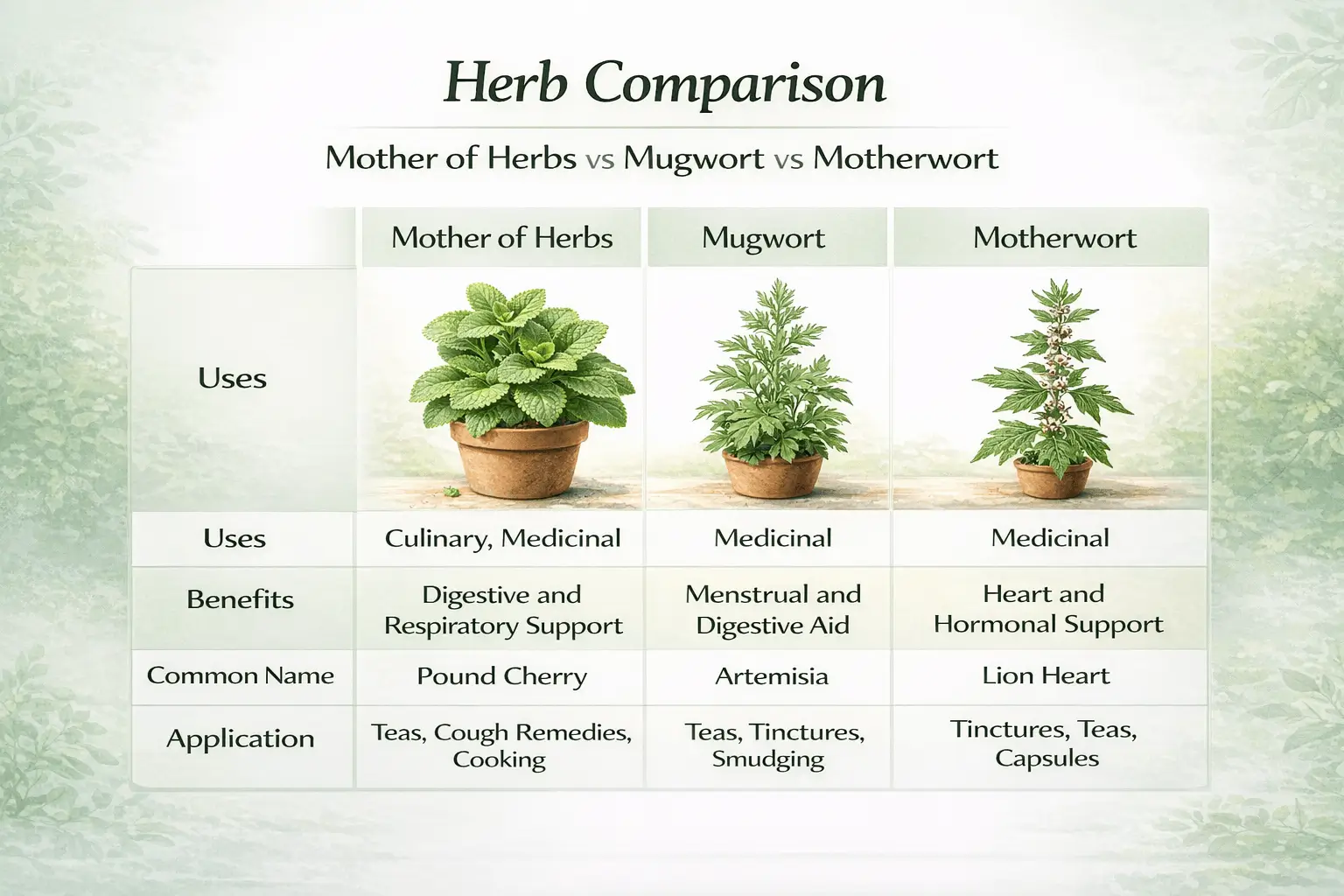
There is often confusion between similar herbs:
- Motherwort: Different plant with distinct medicinal uses
- Mugwort: Known for digestive and traditional uses
Understanding what is mugwort, what is mugwort used for, and mugwort benefits helps clarify differences. Unlike these herbs, the mother of herbs plant is more commonly used for respiratory and culinary purposes.
Conclusion
The mother of herbs plant is a highly valuable herb known for its wide range of benefits and ease of cultivation. From its medicinal properties to its culinary uses, it serves multiple purposes in everyday life. Its adaptability and fast growth make it ideal for home gardening, while its health benefits support natural wellness. With proper care and responsible use, this plant can be a practical and beneficial addition to any garden or herbal routine.
FAQs
What is mother of herbs plant used for?
It is used for digestive support, respiratory relief, and as a culinary herb in various recipes.
What are the main mother of herbs benefits?
Key benefits include improved digestion, immunity support, anti-inflammatory effects, and respiratory health.
How do you make mother of herb tea recipe at home?
Boil fresh leaves in water, simmer for a few minutes, strain, and drink warm.
Are there any mother of herbs side effects?
Possible side effects include mild allergies or digestive discomfort if consumed in excess.
Is plectranthus amboinicus the same as mexican mint?
Yes, plectranthus amboinicus is commonly known as mexican mint and refers to the same plant.
Where can I find mother of herbs plant for sale?
It is available in nurseries, online stores, and gardening centers in many regions.

Written by the LeafyHeaven Editorial Team
LeafyHeaven shares practical gardening tips and simple plant care guides to help you grow, nurture, and enjoy your plants with ease. Our goal is to make gardening feel natural, approachable, and rewarding for everyone.