

Introduction
Coffee plant benefits go far beyond producing coffee beans used for beverages. The coffee plant has long been valued for its leaves, beans, and overall plant structure, offering a mix of lifestyle, wellness, and household relevance. In many cultures, the coffee plant is appreciated as a multipurpose natural resource rather than just a crop for commercial coffee production.
Coffee plants are valued beyond coffee beans because different parts of the plant have been traditionally used for herbal preparations, indoor decoration, and natural wellness practices. From refreshing indoor greenery to plant-based remedies passed down through generations, coffee plants hold a meaningful place in both traditional and modern households.
The traditional, household, and wellness relevance of coffee plants is closely linked to the natural compounds they contain. These include antioxidants, mild bioactive elements, and aromatic compounds that contribute to the plant’s perceived wellness value. When discussed correctly and responsibly, coffee plant benefits reflect a balanced combination of cultural tradition, natural plant chemistry, and everyday lifestyle use.
Coffee Arabica Plant Benefits Explained
What Makes Coffee Arabica Plant Special
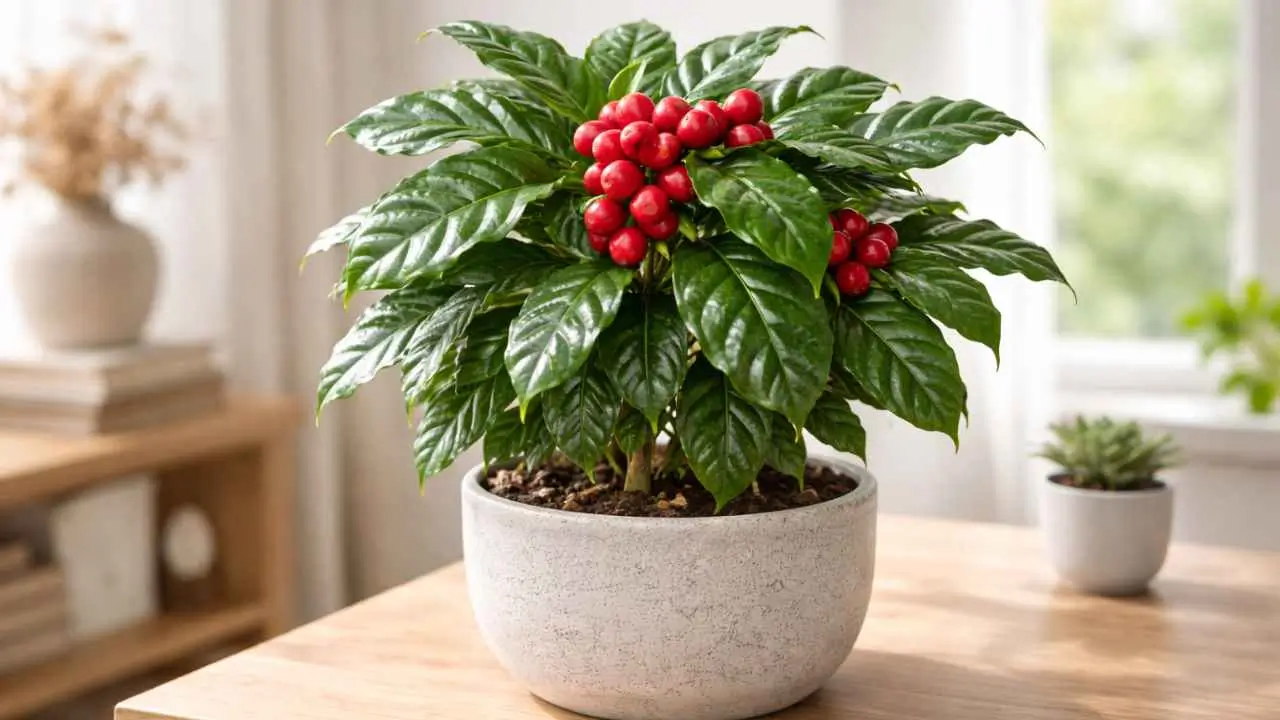
The coffee arabica plant is considered special due to its balanced composition and long-standing cultural importance. Compared to other coffee plants, coffee arabica is known for its refined plant structure, smoother leaf texture, and traditionally preferred beans. While many coffee plants are cultivated mainly for commercial yield, coffee arabica has been valued for both quality and versatility.
The difference between coffee arabica and other coffee plants also appears at the leaf, bean, and whole-plant level. Its leaves are often used in traditional practices, the beans are associated with milder properties, and the plant itself is widely grown as an ornamental indoor plant. This combination gives coffee arabica plant benefits a broader appeal beyond beverage production alone.
Coffee Arabica Plant Benefits for Daily Use
Coffee arabica plant benefits for daily use are closely linked to the natural antioxidants present throughout the plant. These antioxidants are associated with plant protection and are commonly referenced in traditional wellness discussions. Leaves and beans have historically been used in mild, plant-based preparations rather than concentrated forms.
The supportive role of coffee arabica in traditional remedies highlights its gentle and balanced nature. In addition, the plant is valued as indoor greenery, offering visual freshness and a naturally pleasant presence. When grown indoors, coffee arabica plants contribute to an air-refreshing environment, making them popular for homes that combine natural décor with practical plant benefits.
These types of plant-based benefits are also explained in a complete natural healing and herbal wellness guide, highlighting how natural plants support everyday well-being.
Medicinal Uses of Coffee Plant

Traditional Medicinal Uses of Coffee Plant
The medicinal uses of coffee plant have been recognized in herbal and folk medicine across different regions for generations. Traditionally, various parts of the coffee plant were used in simple, natural preparations rather than processed or concentrated forms. These practices focused on gentle, plant-based support aligned with everyday wellness routines.
Leaves, beans, and plant extracts all played a role in traditional use. Coffee leaves were sometimes brewed into mild herbal infusions, while beans were used in small amounts for their stimulating and warming properties. In some cultures, plant extracts were incorporated into household remedies, reflecting the long-standing belief that coffee plant benefits extend beyond beverage consumption.
Health-Supporting Properties
Health-supporting properties of the coffee plant are often linked to its antioxidant and anti-inflammatory potential. Natural antioxidants found in coffee leaves and beans are commonly associated with plant defense and are widely discussed in traditional wellness contexts. These compounds are valued for their supportive role rather than as direct treatments.
Scientific discussions on plant antioxidants can be explored through the National Center for Biotechnology Information (NCBI). Scientific evidence is limited and these uses should not replace medical treatment.
Digestive and energy-support associations are also part of traditional understanding. Coffee plant components have historically been used to promote alertness, mild digestive comfort, and overall balance. Within traditional wellness practices, coffee plant benefits are viewed as complementary, supporting natural routines when used responsibly and in moderation.
Coffee Plant Benefits for Skin
Natural Skin-Enhancing Properties
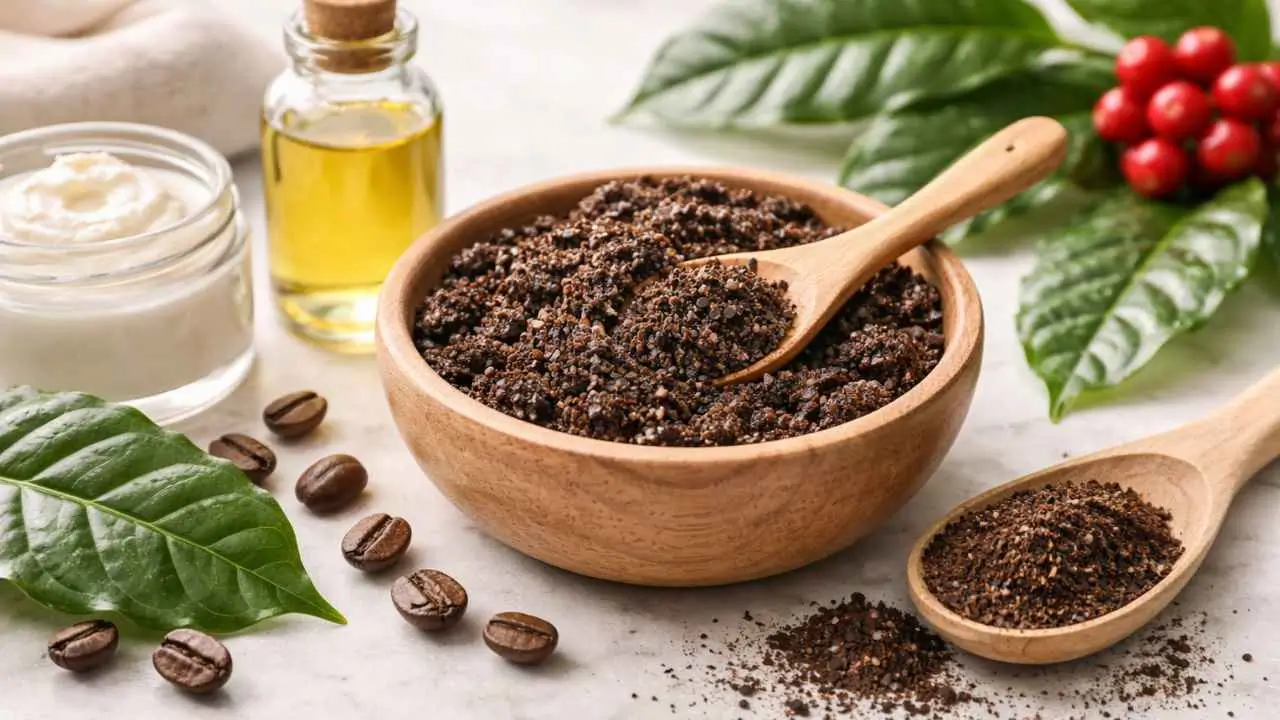
Coffee plant benefits for skin are mainly associated with the natural antioxidants found in its leaves and beans. Antioxidants play an important role in supporting skin health by helping protect the skin from environmental stressors and maintaining a balanced appearance. These naturally occurring compounds are commonly discussed in traditional and modern skincare contexts for their supportive, non-invasive nature.
Similarly, plants like the lavender plant are commonly used in natural routines for their calming and skin-supporting qualities.
The use of coffee plant extracts in skincare is well recognized in natural beauty routines. Extracts derived from coffee beans and leaves are often included in topical formulations due to their refreshing and revitalizing qualities. When used appropriately, these plant-based extracts are valued for complementing regular skincare practices rather than acting as medical treatments.
Coffee Plant Benefits for Skin Care Routines
Coffee plant benefits for skin care routines are especially visible in exfoliation-related uses. Ground coffee and plant-based extracts are commonly used in gentle exfoliating applications to help remove dead skin buildup and support smoother-looking skin. These uses are typically mild and intended for external application only.
Brightening and refreshing effects are another reason coffee plant ingredients are popular in skincare routines. The natural aroma and texture contribute to a refreshed skin feel, making them suitable for occasional use in cleansers or scrubs. Traditional topical applications of coffee plant components have long been part of natural self-care practices, emphasizing moderation, simplicity, and skin-friendly use.
Five Uses of Coffee Plant in Everyday Life
Household and Wellness Uses
- Decorative indoor plant value: Coffee plants are commonly grown as attractive indoor plants, appreciated for their glossy green leaves and compact growth, making them suitable for living rooms and workspaces.
Other indoor plants such as the dumb cane plant are also valued for enhancing indoor environments and supporting a calm, balanced atmosphere.
- Aromatic and refreshing presence: The natural scent of coffee plant leaves and beans contributes to a fresh indoor atmosphere, adding a subtle, calming sensory element to home environments.
Practical Five Uses of Coffee Plant
- Herbal preparations: Coffee leaves and beans have traditionally been used in mild herbal infusions and plant-based preparations as part of everyday wellness routines.
- Skin-related uses: Coffee plant components are commonly used in simple skincare applications, especially in exfoliating and refreshing topical routines.
- Gardening and ornamental use: Beyond harvest value, coffee plants are cultivated for ornamental gardening, both indoors and in suitable outdoor climates.
- Traditional remedies: In folk practices, different parts of the coffee plant have been used in household remedies, focusing on gentle, natural support.
- Natural lifestyle integration: Coffee plant benefits fit easily into natural living practices, combining décor, wellness, and traditional use into a single versatile plant.
Coffee Plant Benefits and Side Effects
Benefits of Using Coffee Plant Naturally
Coffee plant benefits are best understood through a balanced view of their natural advantages. When used appropriately, the coffee plant supports wellness, skin care, and lifestyle needs without relying on artificial additives. Its leaves, beans, and plant extracts are commonly appreciated for their gentle, plant-based nature rather than for concentrated effects.
Wellness support is often linked to traditional practices that emphasize moderation and natural routines. For skin, coffee plant components are valued in topical applications for their refreshing and exfoliating qualities. From a lifestyle perspective, coffee plants also serve as decorative indoor greenery, contributing to a calming environment and supporting holistic living through simple, natural use.
Possible Side Effects and Precautions
Possible side effects of coffee plant use are generally related to sensitivity and overuse. Some individuals may experience skin irritation when coffee-based products are applied too frequently or without proper dilution. Internal use of coffee plant components should always be approached with caution, especially for those sensitive to caffeine or plant-based stimulants.
Responsible and moderate usage is essential to avoid unwanted effects. Pregnant individuals, people with caffeine sensitivity, and those with existing health conditions should avoid excessive use of coffee plant products. Understanding personal tolerance and using coffee plant benefits in a controlled, mindful way helps ensure safe and positive experiences.
How to Grow Coffee Plant from Seed (Brief Overview)
Basic Seed Growing Requirements
Growing a coffee plant from seed requires specific climate and temperature conditions for successful germination. Coffee seeds prefer warm, stable temperatures and perform best in environments that mimic tropical or subtropical climates. Consistent warmth supports early root development and healthy sprouting.
Soil and moisture basics are equally important during the seed stage. Coffee seeds grow well in loose, well-draining soil that retains light moisture without becoming waterlogged. The soil should remain evenly moist, as excessive dryness or standing water can interfere with germination and early plant growth.
Beginner Tips for Healthy Growth
For beginners, understanding indoor vs outdoor growing is essential. In cooler regions, coffee plants are commonly grown indoors where temperature and humidity can be controlled. Outdoor growing is suitable only in climates that provide consistent warmth and protection from harsh conditions.
Maintaining the right balance of light and watering supports steady growth. Coffee seedlings prefer bright, indirect light rather than direct sunlight. Watering should be regular but moderate, allowing the soil surface to dry slightly between sessions to encourage strong roots and healthy plant development.
Coffee Plant Indoor Care Tips
Ideal Indoor Conditions
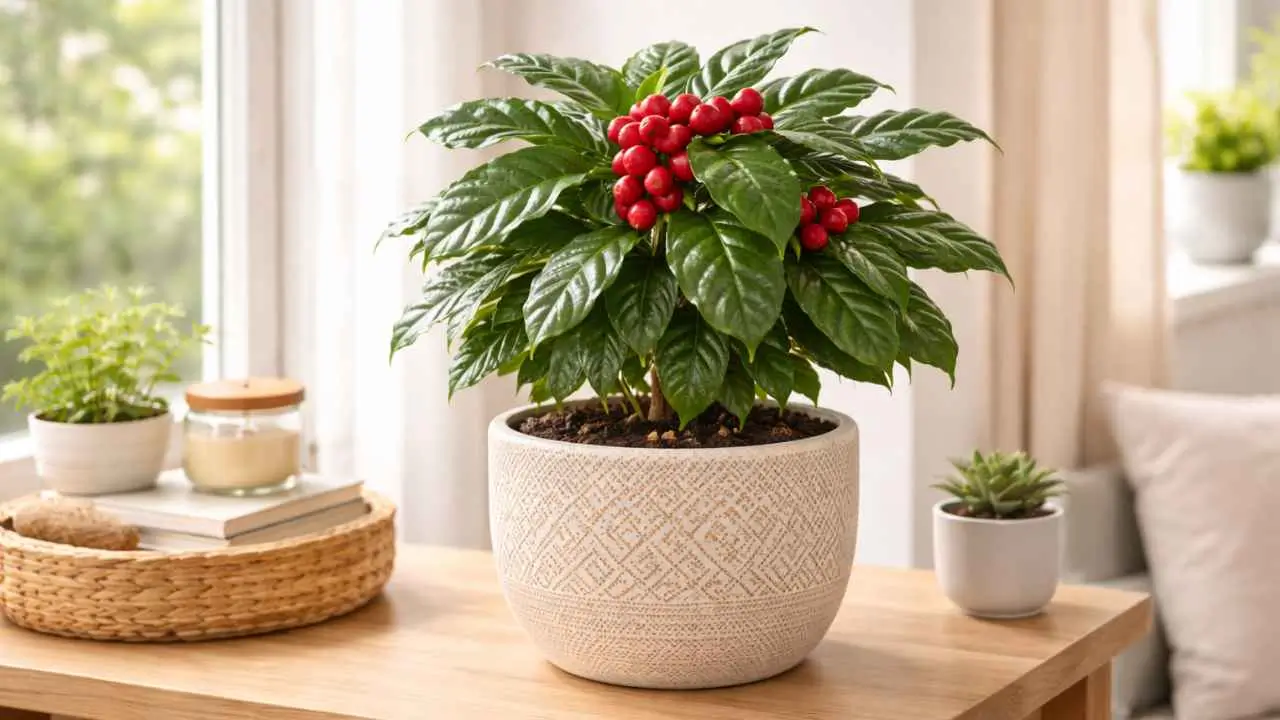
Providing the right indoor conditions is essential for maintaining healthy coffee plants. Light, humidity, and placement all play a key role in consistent growth. Coffee plants prefer bright, indirect light and should be placed near windows where sunlight is filtered rather than direct. Too much direct sun can stress the leaves, while low light may slow growth.
Humidity is another important factor, as coffee plants naturally thrive in humid environments. Indoor placement away from dry air sources such as heaters or air conditioners helps maintain stable moisture levels. Proper pot and soil selection also supports healthy roots. A breathable pot with drainage holes and well-draining, nutrient-rich soil allows excess water to escape while keeping roots comfortably moist.
Long-Term Coffee Plant Care
A consistent watering schedule is crucial for long-term coffee plant care. Watering should be done when the top layer of soil feels slightly dry, ensuring the plant receives enough moisture without becoming waterlogged. Overwatering can lead to root issues, while underwatering may cause leaf stress.
Leaf health and maintenance help keep the plant visually appealing and resilient. Regularly wiping leaves removes dust buildup and supports efficient light absorption. Pruning damaged or yellowing leaves encourages new growth. Keeping the plant productive and healthy requires steady care, balanced watering, and a stable indoor environment that supports gradual, natural development.
Conclusion
Coffee plant benefits highlight the plant’s value far beyond its role in producing coffee beans. From wellness support and traditional medicinal relevance to skin care applications and indoor lifestyle use, the coffee plant offers a well-rounded range of natural advantages. Its leaves, beans, and overall plant structure contribute to everyday practices that emphasize balance, simplicity, and plant-based living.
The skin, medicinal, and lifestyle value of coffee plants reflects their versatility. Whether used in gentle skincare routines, traditional wellness practices, or as an attractive indoor plant, coffee plants support a holistic approach to natural living. These benefits show that coffee plants are more than just a beverage source—they are multipurpose plants with cultural and practical importance.
Encouraging natural and responsible use ensures that coffee plant benefits are enjoyed safely and effectively. When used with awareness and moderation, coffee plants can remain a valuable part of households, wellness routines, and sustainable lifestyle choices.
Read Also: 5+ Stunning Spider Plant Varieties You’ll Love Indoors
FAQs
What are the main coffee plant benefits?
The main coffee plant benefits include wellness support, skin-related uses, and lifestyle value. The plant is valued for its natural antioxidants, traditional medicinal relevance, and its role as an attractive indoor plant that supports natural living practices.
Are coffee plant benefits for skin safe for regular use?
Coffee plant benefits for skin are generally safe when used externally and in moderation. Topical applications such as gentle exfoliation or refreshing treatments are commonly used, but sensitive skin types should always test products first to avoid irritation.
What are the medicinal uses of coffee plant?
The medicinal uses of coffee plant are rooted in traditional practices. Leaves, beans, and plant extracts have been used in herbal infusions and folk remedies, mainly for mild energy support, digestion-related comfort, and overall wellness balance.
What are the coffee plant benefits and side effects?
Coffee plant benefits include wellness support, skin care applications, and indoor lifestyle use. Possible side effects may occur with excessive or improper use, especially for individuals sensitive to caffeine or plant-based compounds. Moderation and responsible use are essential.
How does coffee arabica plant benefits differ from other coffee plants?
Coffee arabica plant benefits differ from other coffee plants due to its balanced properties, milder plant profile, and wider use beyond commercial production. It is valued not only for its beans but also for its leaves and ornamental appeal.
Can coffee plants be grown indoors easily?
Yes, coffee plants can be grown indoors with proper care. They require bright, indirect light, moderate watering, suitable humidity, and well-draining soil. With consistent indoor care, coffee plants can remain healthy and productive.

Written by the LeafyHeaven Editorial Team
LeafyHeaven shares practical gardening tips and simple plant care guides to help you grow, nurture, and enjoy your plants with ease. Our goal is to make gardening feel natural, approachable, and rewarding for everyone.




[…] READ ALSO: 6+ Powerful Coffee Plant Benefits You’ll Love Beyond the Beans […]